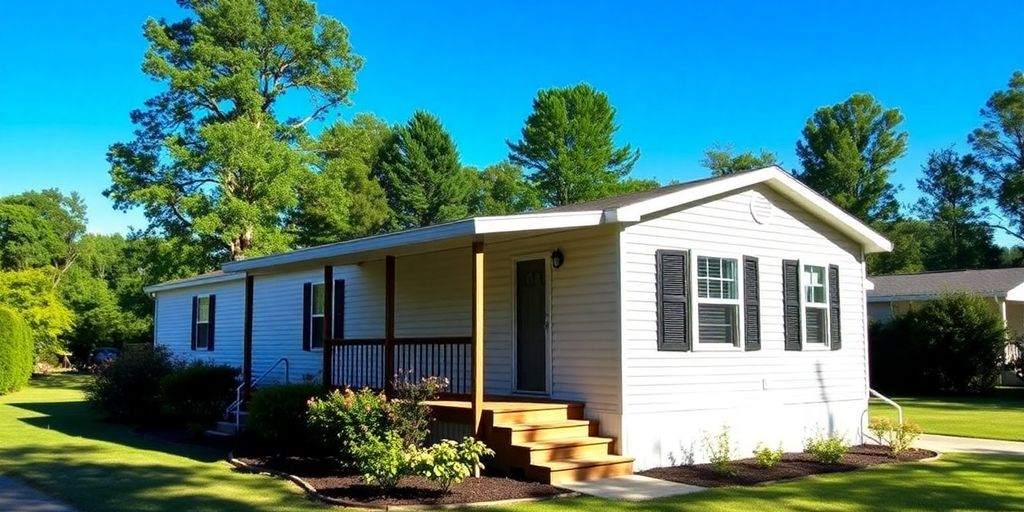
Living in a mobile home in North Carolina? Well, just like any other home, it needs protection. Mobile home insurance is your safety net against unexpected events. Whether it’s a storm, theft, or a mishap on your property, having the right insurance ensures you’re not left in a financial bind. Let’s break down what you need to know about insuring your mobile home in NC.
Key Takeaways
- Mobile home insurance is crucial for protecting both the structure and your belongings inside.
- There are standard coverages like dwelling and personal property, plus optional ones for extra protection.
- Discounts might be available based on your home’s age, condition, or even if you’ve had no recent claims.
- Getting a quote requires specific info about your home, and comparing policies can save you money.
- Factors like your home’s location and condition can affect insurance costs.
Understanding Mobile Home Insurance in North Carolina
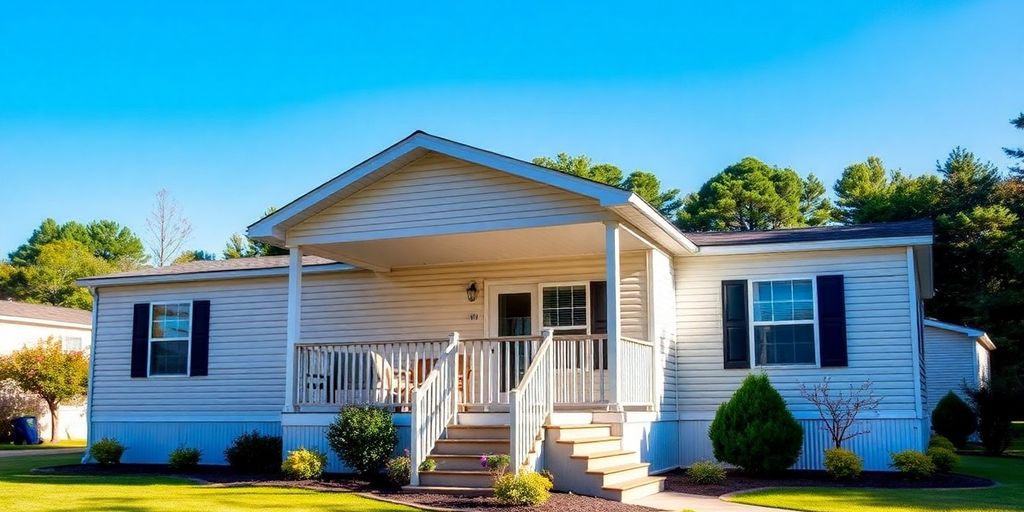
Key Differences Between Mobile and Manufactured Homes
When talking about mobile homes, it’s crucial to distinguish them from manufactured homes. The primary difference lies in the date they were built. Mobile homes were constructed before June 15, 1976, while manufactured homes came after. Both types are built in factories, but manufactured homes adhere to updated building codes set by the U.S. Department of Housing and Urban Development (HUD). This distinction is important because it affects the kind of insurance coverage you might need.
Why Mobile Home Insurance is Essential
Mobile home insurance isn’t just a safety net; it’s a necessity for most homeowners. While it might not be required by law, many mortgage lenders insist on it. This insurance covers not only the structure of your home but also your personal belongings against risks like fire, theft, and certain natural disasters. Without it, you could face significant financial losses. In North Carolina, where weather can be unpredictable, having this coverage is even more critical.
Common Misconceptions About Mobile Home Insurance
There are several myths surrounding mobile home insurance that can lead to costly mistakes. One common misconception is that it covers flood damage; however, this typically requires a separate policy. Another myth is that mobile homes can’t be insured if they are older, which isn’t true. Insurance is available for older homes, though the rates might differ. Lastly, some people think that mobile home insurance is the same as renters insurance, but they are quite different. Mobile home insurance covers the dwelling itself, while renters insurance primarily covers personal property.
Standard Coverages for Mobile Homes
When it comes to protecting your mobile home, understanding the standard coverages available is crucial. These coverages ensure that your home and belongings are safeguarded against common risks, providing you with peace of mind.
Dwelling Coverage Explained
Dwelling coverage is the backbone of your mobile home insurance policy. It protects the physical structure of your home from a variety of perils, such as fire, windstorms, and hail. If your home is damaged by a covered event, dwelling coverage helps pay for repairs or even a complete rebuild. This coverage is essential in areas prone to severe weather conditions, like North Carolina, where hurricanes can pose a significant threat.
Personal Property Protection
Your personal belongings, from electronics to furniture, are valuable assets. Personal property protection ensures that these items are covered if they are damaged or stolen. Imagine losing your electronics or appliances in a storm; this coverage helps replace those items up to a certain limit. Keep in mind that high-value items, such as jewelry or collectibles, may require additional coverage.
Liability and Medical Coverages
Accidents happen, and when they occur on your property, liability coverage steps in. This coverage helps pay for legal fees or medical expenses if someone is injured while on your property. It’s an important aspect of your policy, as it shields you from potential financial burdens resulting from unforeseen incidents.
Optional and Additional Coverages
Enhancing Your Policy with Optional Coverages
When it comes to mobile home insurance, you might think the standard policy has you covered. But, there’s more you can do to protect your investment. Optional coverages allow you to tailor your policy to meet your unique needs. Consider adding coverage for high-value items like collectibles, sports equipment, or musical instruments. These items often need more protection than what a standard policy offers. You can also opt for replacement cost coverage, which ensures you get the full value to replace a damaged item, rather than just its depreciated value.
The Importance of Flood and Earthquake Insurance
Standard mobile home policies often exclude natural disasters, leaving you vulnerable to significant financial loss. If you live in an area prone to floods or earthquakes, adding these coverages is crucial. Flood insurance protects your home from water damage, which is especially important in flood-prone areas. Similarly, earthquake insurance can save you from the massive costs of structural damage during a quake. Assess your local environmental risks and consider these additional policies to stay protected.
Identity Theft and Jewelry Insurance Options
In today’s digital age, identity theft is a growing concern. Adding identity theft protection to your policy can help cover the costs of restoring your credit and identity if it’s stolen. Jewelry insurance is another valuable option, especially if you own expensive pieces like engagement rings or watches. This coverage ensures that if your jewelry is lost or stolen, you can replace it without incurring a huge out-of-pocket expense.
Optional coverages aren’t just add-ons; they’re an essential part of customizing your insurance to fit your life. By opting for these additional coverages, you ensure your mobile home and belongings are safeguarded against unforeseen events.
Discounts and Savings on Mobile Home Insurance
Age of Home Discount
The age of your mobile home can significantly affect your insurance premiums. Older homes might cost more to insure due to potential wear and tear. However, some insurers offer an Age of Home Discount for newer homes. This means if your mobile home is relatively new, you might qualify for reduced rates. It’s a smart move to check with your insurer to see if your home qualifies for this discount.
Loss Free Discount
Having a claims-free history can be a big plus. Insurers often reward homeowners who haven’t filed any claims in recent years with a Loss Free Discount. This can lead to substantial savings on your premium. Keeping your home well-maintained and addressing small issues before they become major problems can help you maintain this discount.
Tie Down and Fully Skirted Discount
The stability and security of your mobile home are crucial. If your home is properly tied down and fully skirted, you might be eligible for a discount. This discount is based on the enhanced safety and reduced risk of damage. Make sure your home meets the criteria set by your insurer to take advantage of this potential savings.
"Taking advantage of these discounts not only saves money but also encourages homeowners to maintain their properties well. It’s a win-win for both the homeowner and the insurance company."
Additionally, consider bundling home and auto insurance for even more savings. Many insurers offer discounts when you combine policies, sometimes up to 30%. It’s worth shopping around and comparing different options to find the best deal. By being proactive and exploring all available discounts, you can significantly reduce your mobile home insurance costs.
How to Get a Mobile Home Insurance Quote
Information Needed for a Quote
When you’re ready to get a mobile home insurance quote, having the right information at your fingertips can make the process much smoother. Here’s a quick list of what you’ll need:
- Personal Details: Full name, date of birth, and contact information.
- Home Information: Address, year of construction, make and model, square footage, foundation type, and roof type.
- Systems Details: Information about your home’s heating, plumbing, electrical, and security systems.
- Occupancy Details: Number of occupants and whether it’s a primary residence or vacation home.
- Insurance History: Proof of ownership and any claims history with previous insurers.
Having this information ready can help you secure home insurance quotes efficiently, whether you choose an online platform or work with an agent.
Comparing Insurance Policies
Once you have your quotes, it’s time to compare them. It’s not just about the price; you need to look at the whole picture:
- Coverage Options: Make sure each quote offers similar coverage options.
- Deductibles: Check that the deductibles are consistent across quotes.
- Discounts: Look for any available discounts, such as for bundling policies or having a security system.
- Company Reputation: Consider the reputation and customer service quality of the insurance provider.
- Policy Details: Read the terms and conditions to understand what exactly is covered.
Working with Local Agents
Sometimes, navigating the world of mobile home insurance can be tricky. This is where local agents come in handy. They can offer personalized advice and help tailor a policy to fit your needs and budget. An expert agent can assist you in finding the best mobile home insurance coverage at the lowest cost, ensuring you understand all the terms and conditions before you commit.
Getting a mobile home insurance quote might seem daunting at first, but with the right prep and a bit of comparison shopping, you can find a policy that fits your needs without breaking the bank. Remember, the goal is to protect your home and everything important inside it.
Factors Affecting Mobile Home Insurance Costs
When you’re thinking about mobile home insurance, it’s not just about picking a policy and calling it a day. There are several factors that play into how much you’ll end up paying. Let’s break it down:
Impact of Home Age and Condition
The age and condition of your mobile home are big players in determining your insurance costs. Older homes may face higher premiums due to increased risks of wear and tear. Insurers often see these homes as more likely to need repairs or replacements. On the flip side, a well-maintained home might score you some savings. Regular upkeep can show insurers that your home is less of a risk.
Location and Environmental Risks
Where your home is located matters—a lot. If your mobile home sits in an area prone to natural disasters like hurricanes or floods, expect your insurance rates to reflect those risks. Areas with higher crime rates can also push premiums up. It’s kinda like how insurance costs for manufactured homes in Mississippi can be influenced by location and environmental factors.
Coverage Limits and Claims History
Your chosen coverage limits are another piece of the puzzle. Higher limits mean more protection but also higher premiums. If you’ve made several claims in the past, insurers might see you as a higher risk, which could bump up your costs. It’s similar to how choosing the right home insurance in Jacksonville involves understanding how claims history affects premiums.
It’s important to weigh these factors carefully when selecting your mobile home insurance. Balancing adequate coverage with affordable premiums requires a bit of thought and maybe some expert advice. Don’t just look at the price tag—consider what you’re getting for your money.
Bundling Mobile Home Insurance with Other Policies
Bundling your mobile home insurance with other policies like auto or life insurance is a smart move for many homeowners. Not only does it simplify your insurance management, but it can also lead to cost savings. Many insurance companies offer discounts when you combine multiple policies under one provider.
Benefits of Bundling with Auto Insurance
When you bundle your mobile home insurance with auto insurance, you often qualify for multi-policy discounts. This can lead to significant savings on your premiums. Plus, having a single point of contact for both policies can make handling claims and policy updates more convenient.
Single Deductible Benefits
One of the standout advantages of bundling is the potential for a single deductible benefit. For instance, if a storm damages both your mobile home and car, you might only pay one deductible instead of two. This can be a big relief financially, especially in the event of a significant claim.
Multi-Policy Discounts
Insurance providers love loyal customers, and they often reward them with discounts. By bundling your mobile home insurance with other policies, you can enjoy reduced rates. This not only helps you save money but also ensures that all your insurance needs are met by one trusted provider.
"Bundling insurance policies not only simplifies your coverage but can also provide substantial savings. Consider evaluating your current policies to see if bundling could benefit you."
In conclusion, bundling is a practical strategy that offers both financial benefits and convenience. It’s worth discussing with your insurance agent to see how much you could save and what additional benefits you might gain from keeping all your policies under one roof.
Conclusion
So, there you have it. Mobile home insurance in North Carolina is more than just a safety net—it’s peace of mind. Whether you’re protecting your home from unexpected events or ensuring your personal belongings are covered, having the right insurance is crucial. It’s not just about meeting legal requirements or satisfying mortgage lenders; it’s about safeguarding your investment and your lifestyle. With options to customize your coverage and potential discounts available, there’s really no reason to put it off. Take the time to explore your options and find a policy that fits your needs and budget. After all, your home is where your heart is, and it deserves the best protection you can give it.
Frequently Asked Questions
What is usually not covered by mobile home insurance?
Mobile home insurance often doesn’t cover damage from floods, earthquakes, or regular wear and tear. You’ll need extra coverage for these events.
How do I know how much mobile home insurance I need?
Think about how much stuff you have and what it’s worth. Then, get a quote to find a plan that fits your needs and budget.
Is there a local agent who can help me with my mobile home insurance?
Yes, you can find local agents who can help you with your mobile home insurance needs.
What’s the difference between mobile and manufactured homes?
Mobile homes were built before June 15, 1976, while manufactured homes were built after that date, following specific building codes.
Should I get flood insurance even if I have mobile home insurance?
Yes, because most mobile home insurance policies don’t cover flood damage. Floods can happen anywhere, not just near the coast.
Can I get earthquake insurance for my mobile home?
Yes, but it’s usually an extra option. Check with your insurance provider to see if it’s available in your area.