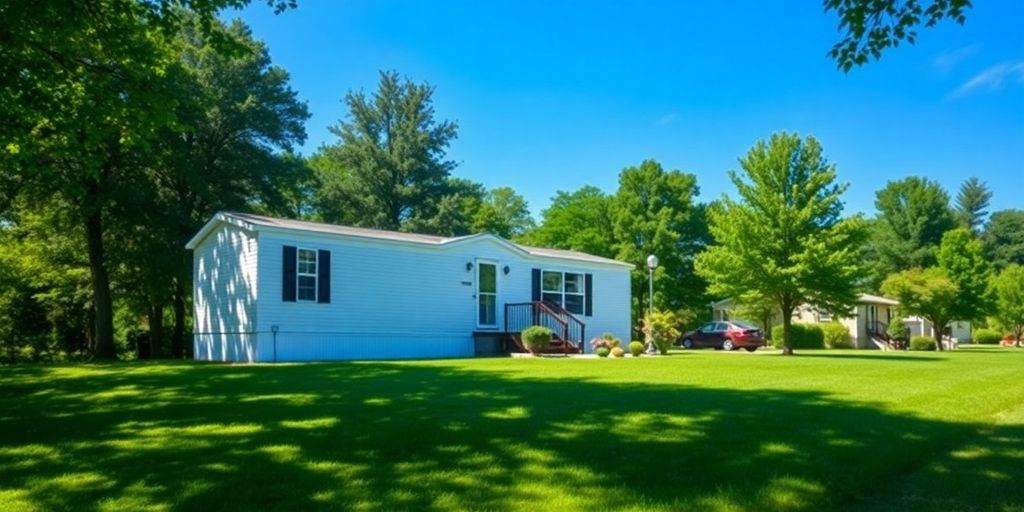
When you own a manufactured home, protecting it with the right insurance is key. These homes, while cost-effective, face unique risks that need special coverage. Whether it’s shielding your home from natural disasters or ensuring your belongings are safe, having the right policy can make all the difference. In this guide, we’ll walk you through everything you need to know about manufactured home insurance, so you can keep your mobile oasis secure.
Key Takeaways
- Manufactured home insurance is essential for protecting your investment from environmental hazards and other risks.
- Different types of coverage are available, including dwelling, personal property, and liability protection.
- Factors like location, home age, and safety features can influence your insurance premiums.
- It’s important to compare different insurance providers to find a policy that fits your needs.
- New Mexico residents should consider additional coverage for natural disasters like wildfires.
Understanding Manufactured Home Insurance
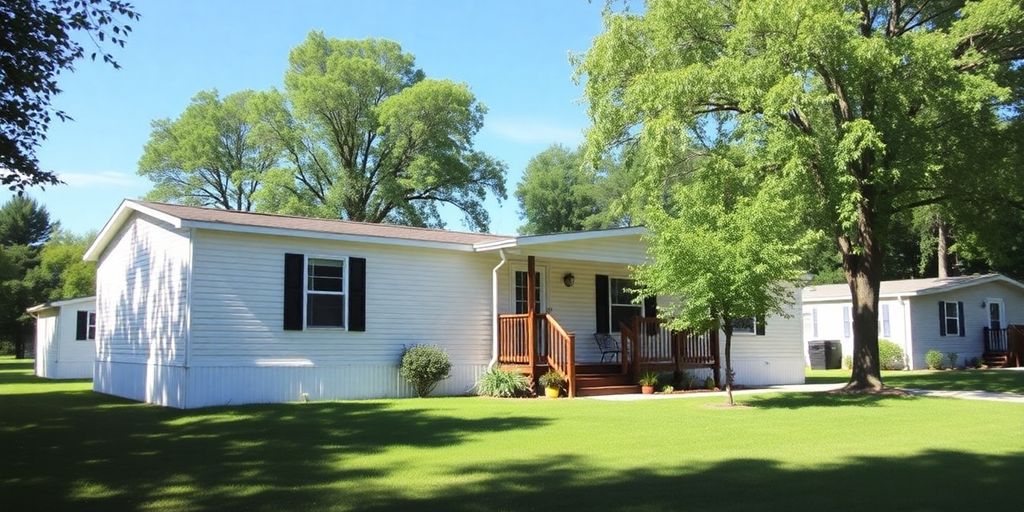
What is Manufactured Home Insurance?
Manufactured home insurance is a specific type of coverage designed to protect mobile or manufactured homes and their contents. Unlike traditional homes, these homes are built in a factory and then transported to their location. Because of this, they face unique risks and require specialized insurance. This insurance typically covers the structure of the home, personal belongings inside, and liability for accidents that might occur on the property. It’s essential to understand that while similar to standard home insurance, manufactured home insurance takes into account the unique construction and mobility of these homes.
Why You Need It
Owning a manufactured home comes with its own set of responsibilities, and having the right insurance is one of them. Here are some reasons why manufactured home insurance is crucial:
- Protection Against Natural Disasters: Manufactured homes can be more vulnerable to natural disasters like storms and floods. Insurance helps cover repair costs.
- Liability Coverage: If someone is injured on your property, liability coverage can protect you from costly legal fees and medical expenses.
- Safeguarding Personal Belongings: Just like any home, your personal items inside a manufactured home can be damaged or stolen. Insurance ensures these are covered.
Common Misconceptions
There are a few misconceptions about manufactured home insurance that need clearing up:
- "It’s the same as regular home insurance." While it shares similarities, manufactured home insurance is tailored to the specific needs and risks of these types of homes.
- "It’s too expensive." Many believe that because these homes are unique, the insurance must be pricey. However, there are affordable options available that provide adequate coverage without breaking the bank.
- "I don’t need it if I don’t own the land." Even if you don’t own the land your home is on, you still need insurance to protect the home itself and your belongings.
Understanding the intricacies of manufactured home insurance can save you from unexpected financial burdens. It’s about more than just protecting a structure; it’s about securing your lifestyle and peace of mind. Make sure you’re informed and choose a policy that fits your specific needs.
Types of Coverage Available
When it comes to safeguarding your manufactured home, understanding the different types of insurance coverage is key. Each type of coverage serves a specific purpose, ensuring that every aspect of your home and belongings is protected. Let’s break down the main types of coverage you might consider.
Dwelling Coverage
This is the core of any manufactured home insurance policy. Dwelling coverage protects the physical structure of your home from various risks like fire, storms, and other unforeseen events. If your home is damaged or destroyed by a covered peril, this coverage helps pay for repairs or rebuilding. In some cases, it might also cover attached structures like decks or garages, but it’s important to verify the specifics with your insurer.
Personal Property Protection
Your home is more than just walls and a roof; it’s filled with personal belongings that need protection too. Personal property coverage safeguards your possessions inside the home against theft, loss, or damage. This includes items like furniture, electronics, and clothing. Consider creating an inventory of your belongings to ensure you have adequate coverage and to simplify the claims process should the need arise.
Liability Coverage
Accidents happen, and if someone gets injured on your property, liability coverage can be a lifesaver. This type of coverage helps protect you financially if you’re found legally responsible for someone else’s injuries or for damage to their property. It typically covers legal fees, medical expenses, and any settlements or judgments up to the policy limit. It’s a crucial part of your policy that provides peace of mind knowing you’re protected against potential lawsuits.
By understanding these different coverage types, you can better assess your needs and ensure that your manufactured home is well-protected against the unexpected. Always review your policy details and discuss with your insurance provider to tailor the coverage to fit your specific situation.
Factors Affecting Insurance Premiums
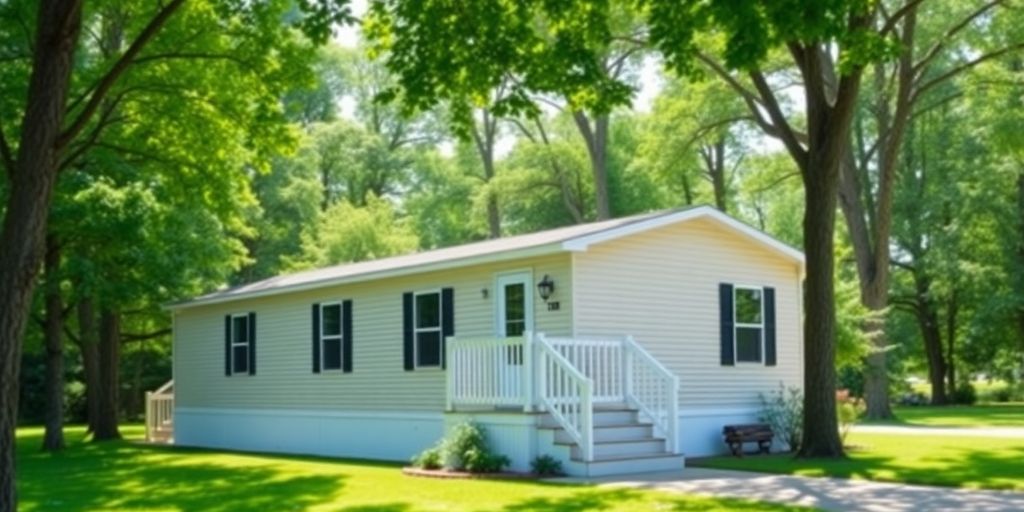
When it comes to manufactured home insurance, several factors can influence how much you pay in premiums. Understanding these elements can help you make informed decisions about your coverage.
Location and Environmental Risks
Where your home is located plays a huge role in determining your insurance costs. Areas prone to natural disasters like floods, hurricanes, or wildfires often see higher premiums. If you’re in a place like New Mexico, where wildfires are a concern, you might want to consider additional coverage options. Insurance companies assess risks based on geographical data, and homes in high-risk zones tend to incur higher costs.
Home Age and Condition
The age and condition of your manufactured home also significantly impact your insurance rates. Older homes often face higher premiums due to increased risk of damage or wear and tear. Regular maintenance and updates can help mitigate these costs. Insurers look at how well your home is maintained and any recent upgrades or renovations. A well-kept home might even qualify for discounts, helping to lower your premium.
Safety Features and Discounts
Installing safety features can not only protect your home but also reduce your insurance costs. Features like smoke detectors, security systems, and storm shutters can lead to discounts on your premium. Many insurers offer savings for homes equipped with these safety measures, as they decrease the likelihood of damage or loss. It’s worth checking with your provider about potential discounts for additional safety installations.
How to Choose the Right Policy
Assessing Your Coverage Needs
When it comes to choosing the right insurance policy for your manufactured home, the first step is to assess your unique coverage needs. Start by considering the value of your home, the contents inside, and any additional structures on your property like sheds or garages. Think about the risks specific to your location, such as weather-related threats or crime rates. Make a list of must-have coverages, such as dwelling, personal property, and liability, and consider any extras that might be beneficial.
Comparing Insurance Providers
Once you know what kind of coverage you need, it’s time to shop around. Don’t just settle for the first quote you get. Instead, gather quotes from multiple mobile home insurance companies to see who offers the best rates and services. Pay attention to the fine print and make sure each policy covers the essentials you’ve identified. Look for insurers with strong reputations and good customer service reviews. A helpful tip is to check if the provider offers any discounts for things like bundling policies or having safety features installed.
Customizing Your Policy
After narrowing down your choices, consider customizing your policy to better fit your needs. Many insurers allow you to add endorsements for specific risks, like flood or earthquake coverage, which might not be included in a standard policy. If you have a mobile home that you transport, consider adding trip collision coverage to protect it during transit. Don’t forget to ask about discounts for things like a good claims history or having a security system. Customizing your policy can ensure you’re not paying for unnecessary coverage while still protecting against potential threats.
Choosing the right insurance policy for your manufactured home is more than just a financial decision; it’s about peace of mind. By understanding your needs, comparing providers, and customizing your coverage, you can secure a policy that offers the right protection at the right price.
Filing a Claim Successfully
Steps to Take After Damage
When your manufactured home suffers damage, it’s important to know the right steps to take. First, ensure everyone’s safety and prevent further damage if possible. Once that’s done, you can start the claims process.
- Contact Your Insurer: Reach out to your insurance company as soon as possible. They need to know about the damage to start the claim process.
- Document Everything: Take photos and videos of the damage. This visual evidence is crucial when you file your claim.
- Keep Receipts: If you make any temporary repairs or need to relocate temporarily, keep all receipts. These can be reimbursed if part of your policy.
Documentation and Evidence
Having the right documentation can make or break your claim. Here’s what you need:
- Photos and Videos: Capture the damage from multiple angles. This helps your insurer assess the situation accurately.
- Repair Estimates: Get estimates from contractors to provide a clear idea of the repair costs.
- Inventory List: If personal belongings were damaged, list them along with their estimated value.
Working with Your Insurer
Communication is key when dealing with your insurance company. Here are some tips:
- Stay Organized: Keep all related documents in one place. This includes your policy, communication with the insurer, and any receipts or estimates.
- Be Honest and Clear: When discussing the damage, be straightforward about what happened and the extent of it.
- Follow Up Regularly: Don’t hesitate to check in with your insurer to see how your claim is progressing. This keeps your claim on their radar and shows your commitment.
Filing a claim can feel overwhelming, but staying organized and proactive can make the process smoother. Remember, your insurer is there to help, so keep the lines of communication open and don’t be afraid to ask questions.
For more detailed guidance on filing a claim, check out this information on homeowners insurance.
Special Considerations for New Mexico Residents
Wildfire and Natural Disaster Coverage
Living in New Mexico means facing a higher risk of wildfires due to the dry climate. It’s crucial to ensure your manufactured home insurance policy includes coverage for wildfires and other natural disasters. This coverage can provide the financial support needed to rebuild or repair your home after a disaster. Don’t forget about the possibility of flash floods, too. Adding a flood insurance endorsement can be a smart move to protect against sudden water damage, as standard policies often miss this.
Understanding Local Regulations
Navigating the local laws and regulations is essential when insuring a manufactured home in New Mexico. The MFA regularly updates its rules, so staying informed is key. Check if your home meets state standards and zoning laws, which can impact your insurance requirements and costs. Compliance with these regulations not only ensures peace of mind but also helps avoid unexpected legal issues.
Finding Local Insurance Experts
When it comes to insurance, having a local expert can make a world of difference. They understand the unique challenges of New Mexico’s environment, like windstorms and hailstorms, and can tailor a policy to fit your needs. Look for professionals familiar with New Mexico’s specific coverage requirements, as they can offer insights into the best options for your situation. A local agent can also assist you in understanding the nuances of liability coverage, helping you protect against potential risks specific to your area.
Wrapping It Up: Your Mobile Home’s Safety Net
So, there you have it. Getting insurance for your mobile home isn’t just a good idea—it’s kinda necessary, especially with all the unpredictable stuff Mother Nature throws our way. Whether it’s wildfires or floods, having the right coverage means you’re not left picking up the pieces alone. It’s all about peace of mind, knowing that your home, your stuff, and your family are protected. And hey, don’t forget to check out those discounts and customize your policy to fit your needs. At the end of the day, it’s your little oasis, and it deserves the best protection you can get. Stay safe and smart out there!
Frequently Asked Questions
What exactly is manufactured home insurance?
Manufactured home insurance is a type of policy that protects your mobile or manufactured home. It covers damages to your home, your belongings inside it, and provides liability protection if someone gets hurt on your property.
Why do I need insurance for my manufactured home?
Insurance is essential because it protects your home and belongings from unexpected events like fires or storms. It also offers liability coverage if someone is injured on your property, saving you from potential legal and medical costs.
What are some common myths about mobile home insurance?
Some people think mobile home insurance is the same as regular home insurance, but it’s not. Others believe it’s too expensive or unnecessary, but the protection it offers is crucial, especially in areas prone to natural disasters.
What types of coverage can I get with mobile home insurance?
You can get dwelling coverage to protect the structure, personal property protection for your belongings, and liability coverage in case someone gets hurt on your property. Additional options like flood or earthquake coverage might also be available.
How can I lower my insurance premiums?
You can lower your premiums by installing safety features like smoke detectors or security systems. Bundling your mobile home insurance with other policies, like auto insurance, might also help you save money.
What should I do if I need to file a claim?
If you need to file a claim, contact your insurer right away. Document all damages with photos and keep records of any repairs or expenses. Your insurance company will guide you through the process.