Pay-per-mile car insurance is having a moment because a lot of people simply do not drive like they used to. Work-from-home schedules, fewer daily errands, and more public transit and rideshare options can turn a “normal” auto policy into an expensive flat fee for a car that mostly sits.
If that describes you, a mileage-rated plan can be a practical way to pay for coverage in proportion to use. The tradeoff is that the insurer needs a way to verify miles, and some programs also measure driving habits.
How pay-per-mile car insurance works
Most pay-per-mile policies bill you in two layers:
- A base rate that stays the same each month (or day), and
- A per-mile charge that rises and falls with your odometer.
You still choose the same core coverages you would on a traditional policy: bodily injury and property damage liability, uninsured or underinsured motorist (where available), plus optional comprehensive and collision. The difference is pricing, not the protection category.
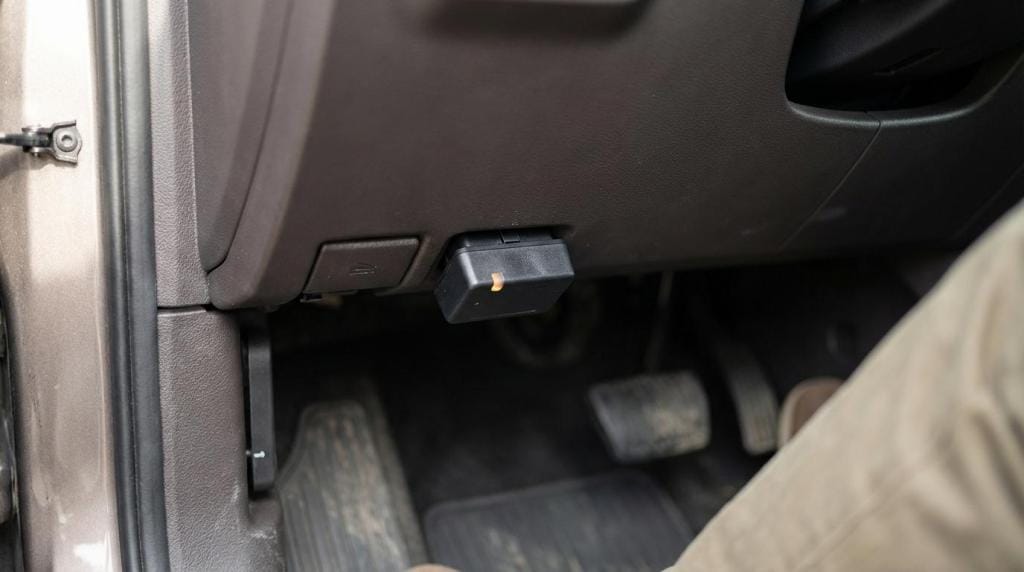
Mileage is usually captured one of three ways: an OBD-II plug-in device, a smartphone app, or periodic odometer photos. Some companies cap how many miles they charge you in a single day (often around 250 miles), which matters if you take occasional long road trips.
Who usually saves and who usually does not
Pay-per-mile tends to work best when you are below roughly 10,000 to 12,000 miles a year, but the real “break-even” point depends on the base rate and your state.
A quick way to think about fit is to separate your driving pattern from your risk profile. Low annual mileage helps. A clean record helps. Dense urban areas can push the base rate up even if you barely drive.
Here are common situations where these plans tend to shine, and where they can disappoint:
- Best matches: remote workers, retirees, students, households with a second car, “errand-only” drivers
- Often not a match: long commuters, gig drivers making frequent deliveries, regular road-trippers
- Mixed results: young drivers (base rates can be high), drivers with recent major violations, drivers in very high-cost rating territories
Top pay-per-mile programs to compare in 2025
The market is split between large insurers offering a mileage option and specialty carriers built around pay-per-mile. Availability changes by state, so your shortlist depends heavily on where your car is garaged.
Below is a practical comparison of the programs consumers most often cross-shop.
| Program | Where it’s typically available | How miles are tracked | Notable traits | Often a good fit for |
|---|---|---|---|---|
| Nationwide SmartMiles | Most states (not offered in several, including NY and NC) | OBD-II device or connected-car option for some vehicles | Mileage charges commonly capped per day; safe-driving discount can apply after renewal | Drivers who want broad availability and a traditional carrier experience |
| Allstate Milewise | About 20 states | OBD-II device (app features vary) | Pay-per-mile option plus an “unlimited” style option in many states; daily fee structure is common | Drivers who like Allstate’s bundling options and want flexibility |
| Metromile (now part of Lemonade Car) | Limited states (including CA, IL, NJ, OR, PA, VA, WA) | Proprietary OBD-II device | Strong trip tools and vehicle alerts in the app; pricing designed for very low mileage | City drivers who log very few miles and want app-first tools |
| Lemonade Car (pay-per-mile in Metromile states) | Same limited footprint as Metromile | Uses Metromile’s telematics setup | App-first quoting and claims flow; EV and eco messaging is prominent | People who prefer a phone-centric insurance experience |
| Mile Auto | Limited states (including CA, FL, TX, PA, OH) | Monthly odometer photo uploads | No continuous tracking; relies on your monthly reporting | Privacy-focused drivers who can stick to monthly photo reminders |
| Noblr (USAA-affiliated, eligibility applies) | Select states | Smartphone app | Usage and driving behavior can influence price; designed for infrequent drivers | USAA-eligible households with low mileage and strong phone comfort |
| Root | Many states, with notable exclusions | Smartphone app | Requires an initial monitoring period; discounts depend heavily on driving behavior | Very safe drivers who want app-only participation |
Rates: what to expect and how to estimate your break-even point
Public examples for pay-per-mile pricing often land in ranges like a base charge of roughly $30 to $60 per month (or a daily base) plus a few cents per mile. Some programs skew toward a higher base and lower per-mile fee; others do the opposite.
Instead of hunting for a single “best rate,” you get better results by running your own estimate from any quote:
Estimated monthly premium = base monthly charge + (per-mile rate × miles driven this month)
To make that real, suppose a quote comes back at $40/month base plus $0.06/mile.
- 250 miles/month: $40 + (0.06 × 250) = $55
- 750 miles/month: $40 + (0.06 × 750) = $85
- 1,200 miles/month: $40 + (0.06 × 1,200) = $112
That simple math also tells you when you should stop shopping mileage plans and start shopping standard policies.
A handy comparison is the break-even mileage against a flat-rate policy. If a traditional quote is $120/month, then:
Break-even miles = (120 − base) ÷ per-mile rate Break-even miles = (120 − 40) ÷ 0.06 ≈ 1,333 miles/month (about 16,000/year)
That is only a rough guide because deductibles, limits, and discounts differ, but it keeps you from overpaying.
Here’s a quick illustration using a few common pay-per-mile price shapes. These are math examples only, not promises of what you will be offered.
| Example pricing shape | 5,000 miles/year | 10,000 miles/year | 15,000 miles/year |
|---|---|---|---|
| $30 base + $0.06/mi | ~$55/mo | ~$80/mo | ~$105/mo |
| $45 base + $0.05/mi | ~$66/mo | ~$87/mo | ~$108/mo |
| $35 base + $0.20/mi | ~$118/mo | ~$201/mo | ~$285/mo |
That third line is why it’s risky to assume every mileage plan is cheap. A high per-mile rate can erase the savings fast.
Eligibility details that commonly trip people up
The biggest “gotchas” are not the coverage itself. They are program rules.
Many plans require a compatible vehicle (often 1996 or newer for OBD-II devices). Some are picky about driving history. Several are simply not offered in your state, even if the brand is a household name.
Before you get attached to a quote, confirm the basics:
- Vehicle model year and OBD-II compatibility
- State availability for the specific pay-per-mile program
- Driver record rules (major violations often disqualify)
- Expectations about mileage reporting and device/app use
Some plans also have quirks that matter depending on your routine. Daily mileage caps can protect you from a single long day, but they do not make a high-mileage lifestyle inexpensive across a whole month.
If you want a fast screening checklist, look for these program features and decide what you can live with:
- Tracking method: plug-in device vs. app vs. monthly odometer photos
- Mileage cap: daily cap and whether it varies by state
- Discount stacking: bundling, multi-car, good student, safe-driving incentives
- Policy management: app-only service vs. agent support
Privacy and telematics: choosing your comfort level
Pay-per-mile insurance always needs mileage verification, but not every program collects the same kind of data.
- OBD-II devices can reliably capture miles. Some also capture vehicle diagnostics and trip signals depending on the program and state rules.
- Smartphone apps can capture miles, but they often use GPS and motion sensors, which can feel more personal because they relate to where and when you drive.
- Odometer photo programs usually collect the least driving data, but they place more responsibility on you to submit readings on time.
If privacy is your top concern, focus on two questions when reading the program description and the privacy notice: what data is collected, and whether driving behavior affects price or only miles. Even when behavior is not used to rate you, trip data can still be used to support claims investigations.
How to shop pay-per-mile the practical way
A mileage plan can be a win, but only if you shop it like a real comparison. That means matching coverage and pressure-testing the quote against your real mileage.
A clean process looks like this:
- Pull your approximate annual miles from service records, an oil change sticker, an odometer photo, or a connected-car dashboard.
- Quote the same liability limits and deductibles across carriers, not just the cheapest minimum coverage.
- Ask each company how they bill miles (monthly, daily, or another cadence) and whether they cap daily mileage charges.
- Confirm what happens if you forget a mileage submission, unplug a device, switch phones, or take the car in for service.
- Re-run the math at three mileage levels: your normal month, a slow month, and a road-trip month.
Many households also get better results by quoting one pay-per-mile option and one standard option from the same large carrier (when available). Sometimes the standard policy plus strong bundling discounts beats the mileage plan, even at low miles.
Situations where pay-per-mile is especially useful
If your car is lightly used but still needs solid protection, pay-per-mile can help you keep comprehensive and collision without feeling like you are wasting money. This comes up often with:
A second vehicle that is kept mainly for weekends.
A car that sits during long stretches due to seasonal work, travel, or a rotating hybrid schedule.
An older vehicle that is driven sparingly but still needs decent liability limits because medical and repair costs are high.
The key is staying honest about your future mileage. A new job, a new commute, or a long-distance relationship can quietly turn a “low-mileage year” into a pricey one under a per-mile meter. If you expect change, it can be smart to ask whether the insurer allows you to switch between the mileage program and a traditional policy at renewal, and what happens to discounts when you do.