Choosing between CHIP and employer health insurance can feel confusing, especially when you want the best care for yourself and your family without breaking the bank. You might wonder which option offers better coverage, lower costs, or easier access to doctors.
This decision impacts your health and your wallet, so it’s important to understand the key differences. You’ll discover how CHIP stacks up against employer-sponsored plans, when one might be more affordable or comprehensive than the other, and practical tips to help you make the smartest choice for your unique situation.
Keep reading to find out how you can get the health coverage that fits your needs perfectly.
Credit: www.kff.org
Children’s Health Insurance Program (chip)
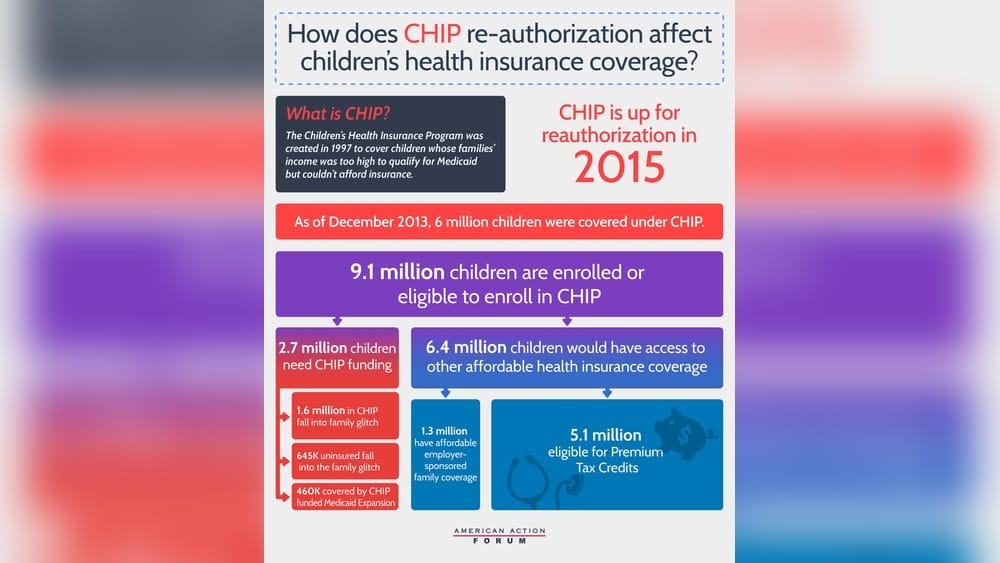
The Children’s Health Insurance Program (CHIP) offers health coverage for children in families with low to moderate income. It fills the gap between Medicaid and private insurance. CHIP ensures children get essential medical care without high costs.
Many families rely on CHIP because it covers doctor visits, vaccines, prescriptions, and emergency care. The program helps children stay healthy and catch health problems early. CHIP often costs less than private insurance plans.
Access To Care For Children
CHIP gives children easier access to doctors and specialists. It covers preventive services like check-ups and immunizations. Children with CHIP usually face fewer barriers to care than uninsured children.
Families find CHIP clinics and providers in their local area. Children can get timely treatment for illnesses and injuries. The program supports ongoing care for chronic conditions like asthma or diabetes.
Comparison With Private Insurance
CHIP often has lower monthly premiums and out-of-pocket costs than private insurance. It focuses on children’s health needs, offering essential benefits without many extra fees.
Private insurance may offer a wider network of doctors. However, CHIP covers the most needed services for children’s health. CHIP plans have limits on costs, making care affordable for families.
Employer Health Insurance Basics
Employer health insurance is a common way many workers get medical coverage. It is a group plan offered by an employer to its employees. This insurance usually covers the employee and often their family members. Understanding its basics helps people compare it with other options like CHIP.
Employer health insurance plans often come with several benefits that can make healthcare more affordable. These benefits include how the premium costs are shared, tax advantages, and the way risk is spread among many people. Each of these factors plays a role in why employer plans are popular.
Shared Premium Costs
In employer health insurance, the cost of premiums is usually shared between the employer and the employee. The employer pays a part of the monthly premium, which lowers the amount the employee has to pay. This sharing of costs helps make insurance more affordable for workers.
Pre-tax Benefits
Premium payments for employer health insurance are often made with pre-tax dollars. This means the money is deducted from the salary before taxes are calculated. Paying premiums this way reduces taxable income and helps employees save money on taxes.
Risk Pooling Advantages
Employer health plans cover a large group of people, which spreads the risk. When many employees share a plan, the cost of care is divided among all members. This risk pooling keeps premiums lower compared to individual insurance plans. It provides stability and often better pricing for everyone involved.
When Employer Insurance May Cost More
Choosing between CHIP and employer health insurance requires careful thought. Employer insurance can sometimes cost more than CHIP. Understanding key factors helps families make the right choice for their health and budget. Below are important areas where employer plans may be pricier.
High Income And Subsidy Limits
People with higher incomes may not get subsidies on the health Marketplace. Without subsidies, employer plans might seem costly. CHIP offers low-cost or free coverage for many low to moderate-income families. This makes CHIP a better option for some, even if an employer plan is available.
Plan Design And Coverage Limits
Employer plans may have high deductibles and limited coverage. Some plans restrict which doctors or hospitals you can use. CHIP often has broader coverage with lower out-of-pocket costs. Poor plan design can increase total spending despite lower monthly premiums. This can make CHIP more affordable and easier to use.
Low Employer Contributions
Some employers pay little toward insurance premiums. When employer contributions are low, employees pay more. This can raise monthly costs above CHIP or Marketplace options. Families should compare their share of costs before choosing employer insurance. Low employer support may not offer good financial value.
Credit: www.healthinsurance.org
Comparing Coverage And Costs
Comparing coverage and costs between CHIP and employer health insurance helps families choose the best option. Both programs offer unique benefits and financial responsibilities. Understanding these differences can save money and improve healthcare access.
Premiums Vs Out-of-pocket Expenses
CHIP usually has low or no monthly premiums for eligible children. Out-of-pocket costs like copays and coinsurance are often minimal or waived. Employer health insurance often requires monthly premiums paid by employees. These premiums may be shared with the employer. Out-of-pocket expenses can vary widely depending on the plan. Employer plans might have higher copays and coinsurance than CHIP.
Network Types And Benefits
CHIP plans generally use a broad network of doctors and hospitals. This ensures children receive care close to home. Employer health plans may offer different network types such as HMOs, PPOs, or EPOs. Networks in employer plans can be narrow or wide depending on the insurer. Some employer plans include extra benefits like vision, dental, or wellness programs. CHIP focuses mostly on essential medical services for children.
Evaluating Deductibles And Maximums
CHIP usually has low or no deductibles for covered services. This means less upfront cost before insurance starts paying. Employer health insurance often includes deductibles that must be met each year. Deductibles can be high in some employer plans. Both CHIP and employer plans set maximum limits on out-of-pocket spending. These limits protect families from very high healthcare costs. CHIP’s maximums tend to be lower than employer plans.
Deciding Between Chip And Employer Insurance
Choosing between CHIP and employer health insurance can feel confusing. Both offer ways to cover medical costs for your family. Understanding key differences helps you pick the best option. Consider your family’s health needs, what your employer offers, and other insurance choices available. These steps guide you toward a smart decision.
Assessing Family Health Needs
Start by listing everyone’s health care needs. Think about regular doctor visits, medications, and any ongoing treatments. Children often need more checkups and vaccines. Consider how often family members visit specialists. Estimate potential emergency or hospital costs. Knowing these needs helps find a plan that covers important services well.
Reviewing Employer Offers
Look closely at your employer’s insurance options. Check monthly premiums and how much you must pay out of pocket. Review deductibles, copays, and covered services. Some plans limit which doctors or hospitals you can use. See if your family’s current doctors accept the plan. Employer plans often share costs, making them more affordable.
Checking Marketplace Options
Explore health insurance plans on the Marketplace or state websites. These plans may qualify for subsidies based on income. Compare costs, coverage, and provider networks to employer plans. Marketplace plans can offer more choices or better coverage for some families. CHIP is another option if your income fits its rules. Check all options carefully before deciding.
Credit: www.healthinsurance.org
Frequently Asked Questions
Is Chip Better Than Private Insurance?
CHIP offers affordable coverage for children with preventive care access. Private insurance may provide broader options but often costs more. Choosing depends on individual needs, costs, and benefits. CHIP matches private insurance in care quality for kids but differs in coverage scope and premiums.
Is It Always Cheaper To Get Health Insurance Through An Employer?
Employer health insurance is often cheaper due to shared premiums and tax benefits. Costs vary by income, coverage, and employer contributions.
Is It Better To Get Insurance Through Work Or On Your Own?
Getting insurance through work often costs less due to shared premiums and tax benefits. Individual plans offer more flexibility and may suit those with specific needs or weak employer coverage. Compare costs, coverage, and your health requirements to decide the best option for you.
Is It Better To Have A $500 Deductible Or $1 000 Health Insurance?
A $500 deductible means higher premiums but lower out-of-pocket costs. A $1,000 deductible lowers premiums but increases your initial expenses. Choose based on your health needs and budget.
Conclusion
Choosing between CHIP and employer health insurance depends on your family’s needs. CHIP often covers children well with low or no cost. Employer insurance can offer better benefits for adults and families. Consider costs, coverage, and who qualifies before deciding.
Reviewing both options helps find the best fit. Health needs and budget should guide your choice. Taking time to compare plans ensures smart health coverage decisions.