Home insurance when buying a new house is a policy that covers the home’s structure, your belongings and your liability from covered perils effective at closing.
In Los Angeles, lenders typically won’t fund the loan until they see evidence of coverage. Rates depend on fire risk zones, roof age, square footage, claim history and local building codes.
Typical policies don’t cover earthquakes and floods, so add separate coverage if necessary. The following sections demystify policy types, limits and smart ways to save.
Your Home Insurance Purchase Timeline
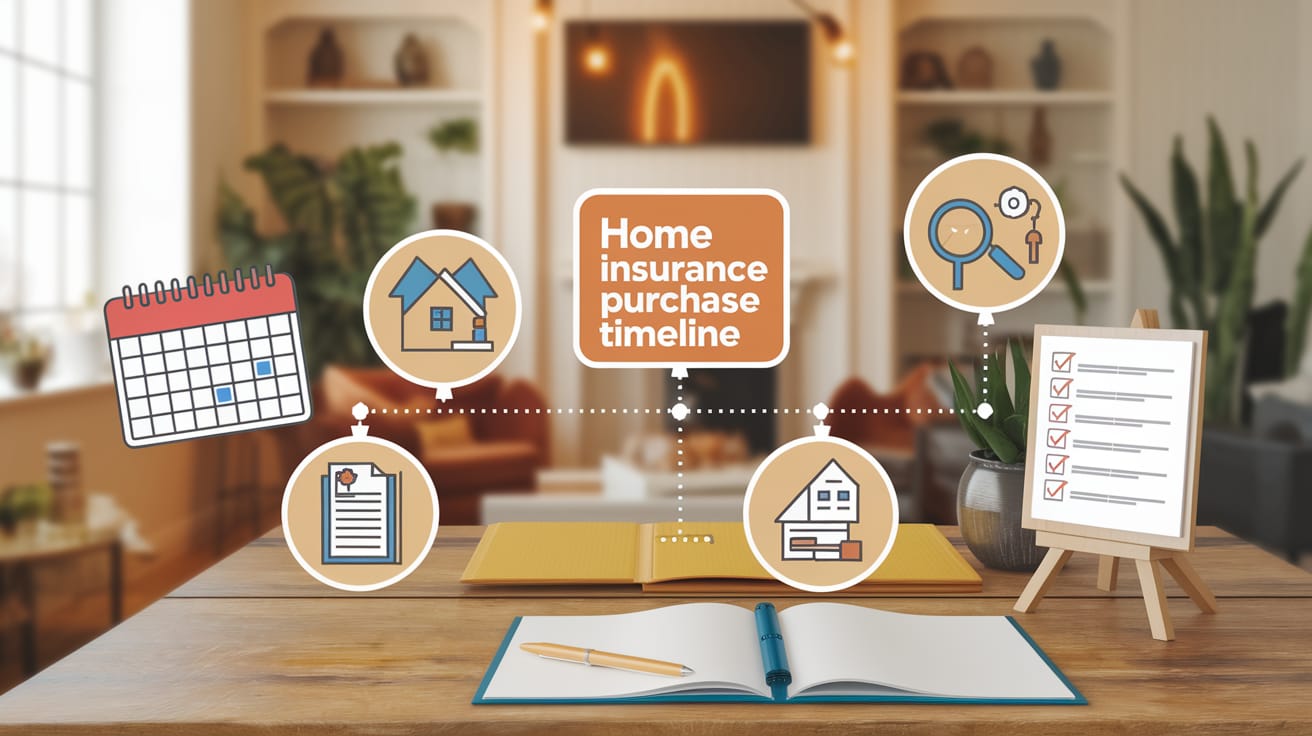
Having a defined timeline for your home insurance purchase guarantees that you comply with lender requirements, prevent last minute panic, and stay on track for closing. Try to obtain coverage in plenty of time before closing.
Plan for two to three weeks to shop for policies, but the bind and proof can be completed in one to three days and occasionally within hours for easy homes.
- Start shopping right after your offer is accepted
- Block 2 to 3 weeks to shop around for quotes and terms.
- Confirm lender requirements and coverage minimums early
- Get a binder ready! Time your home insurance purchase to match the policy date to closing.
- Pay the first year’s premium before closing; bring proof
- Send binder and paid receipt to lender/escrow right away
- Recheck active status on closing day; store documents after
1. Offer Accepted
Start the insurance hunt once your offer is accepted. Los Angeles buyers typically have a month or more from contract to close, but lenders will want evidence a few days to a few weeks prior to closing.
Early action mitigates the risk of delays. Collect data that carriers need: full address, year built, square footage, roof type and age, plumbing and electrical updates, distance to a fire station, prior claims, and any security systems. Photos and inspection notes help fine-tune quotes.
Create calendar holds for quote requests, lender deadlines, binder issuing, and the premium payment. Verify your lender’s minimum dwelling coverage, deductible limits, and escrow processing so you won’t get any unexpected surprises.
2. The Shopping Window
Shop around and compare at least three insurers and policy forms. Look beyond premium and check A.M. Best ratings, claim service, wildfire risk approach in Southern California, and ordinance or law coverage.
Request itemized quotes that indicate dwelling, other structures, personal property, loss of use, personal liability, medical payments, and all deductibles, including any separate wildfire or wind/hail deductibles. Check replacement cost versus actual cash value.
Typical HO-3 fits most houses. Think HO-5 for wider personal property protection or endorsements such as extended replacement cost, water backup, and scheduled items. In high fire zones, inquire about FAIR Plan and wrap policy if necessary.
Bundling with auto can reduce rates. Ask for discount amounts in dollars, not just percentages.
3. Binder Issuance
Grab a binder if you select an insurer. This is your temporary proof of coverage and suits most lenders. It typically takes one to three days, but straightforward risks can bind within hours.
Make sure the binder carries dwelling, liability, and any lender-required endorsements. Just be sure to match the effective date to your closing date and get the binder and paid first-year premium receipt to your lender or escrow quickly to avoid a hold.
4. Closing Day
Make sure the policy is in force and paid for. Bring the declarations page, binder, and paid receipt.
Verify that your lender got evidence and that the policy start date and address are accurate. Check coverage amounts a final time before you sign, as the loan closes and you take possession with insurance in effect.
5. Post-Closing Review
Make sure that the policy suits the home as it is lived in. If you add a short-term rental unit, install solar, or purchase valuables, adjust coverage.
Save electronic and hard copy documents along with your agent’s information. Put a yearly reminder to check on limits, deductibles, and new risks, particularly with LA wildfire seasons and rebuild cost shifts.
Why Lenders Mandate Insurance

Lenders insist on homeowners insurance since it’s your house that backs the loan. Insurance makes the property marketable post-loss, protects their collateral and helps protect the borrower’s ability to stay current. It’s a loan requirement for the majority of conventional, FHA and USDA loans, and evidence of coverage is verified prior to disbursing closing proceeds.
In high-risk regions such as California’s wildfire zones, hurricane coasts or floodplains, lenders might mandate add-ons like earthquake or flood insurance. This arrangement minimizes disaster for both parties.
Protecting the Asset
Lenders force dwelling coverage sufficient to restore the home following a covered loss. Some require a minimum set to replacement cost whereas others require it to be set to the loan balance. while -> whereas Replacement cost more accurately represents actual rebuild needs whereas loan balance can leave gaps if construction costs soar.
Typical policy insures against fire, wind, theft, and some burst pipe or weight-of-snow incidents. It typically excludes floods and earthquakes. In Los Angeles and most of California, you have to get an additional earthquake policy, whereas in FEMA flood zones, a flood policy is standard. Named risks lenders want covered where hazards are known.
Insurance safeguards the lender’s collateral asset and assists borrowers in dodging big out-of-pocket repair bills. Without it, a fire or windstorm could destroy the home’s worth, stress your finances and imperil the loan.
Insurance keeps the value of the property intact so that the home can be sold or refinanced if necessary. If your down payment is less than 20%, lenders typically require mortgage insurance as well. That is apart from homeowners insurance. One safeguards the lender if you default, whereas the other covers damage to the home itself.
Escrow Explained
A lot of lenders roll insurance premiums through an escrow account associated with the mortgage. The servicer collects a portion of the annual bill with each monthly payment and then pays the insurer and property taxes when they are due.
This arrangement assists in preventing missed due dates, lapses, or cancellations. It maintains coverage, which the lender requires for risk management and you need to prevent unexpected big bills.
Review your monthly mortgage statement for escrow activity. Verify the insurer, premiums, and disbursement dates. If premiums fluctuate following a renewal or policy transition, you can anticipate an escrow review and payment modification.
Force-Placed Policies
If coverage lapses or evidence is not timely delivered, the lender can purchase force-placed insurance. It typically costs more and insures less, often excluding contents and loss of use. It is primarily for the lender’s interest in the dwelling.
Steer clear of this by maintaining active coverage, making your payments on time and notifying your servicer after each renewal. In certain areas, lenders force-place flood coverage if a flood policy expires in a required zone.
Decoding Your Coverage

Home insurance is a collection of components. Your declarations page reveals the headlines, but it’s only a part of the story. Read the policy jacket first so the terms on the declarations page make sense. Then compare what you observe to what you really require when you finalize the purchase of a new U.S. Home.
Key components include dwelling, other structures, personal property, loss of use (ALE), personal liability, and medical payments. What to review: coverage amounts, deductibles (you may have more than one), endorsements, exclusions, annual premium, insurer and policyholder names, property address. Standard versus add-ons: basic perils versus optional riders for unique risks.
Coverage comparison (example ranges; actual terms vary by insurer)
Coverage | Standard (HO-3) | Expanded | Add-ons/Riders |
|---|---|---|---|
Dwelling | Replacement cost, limited by your coverage | Increased limit, extended replacement of 25% for example | Ordinance/law, earthquake, flood |
Personal property | 50% to 70% of dwelling, ACV default | Replacement cost for contents | Scheduled items, water backup |
Liability | $300K standard | $500K or more | Personal umbrella of $1M or more |
ALE | 20% to 30% of living | Greater limit or extended period | No, confirm period |
For reference, always check your declarations page and full policy.
Dwelling Protection
Dwelling coverage covers you to fix or replace your home following covered perils such as fire, wind, or theft. Set the limit to the full replacement cost, not market value, since land and demand do not drive rebuild costs. Verify attached structures, such as garage, deck, and porch, are included under Coverage A.
Don’t let exclusions sneak past you. Flood and earthquake are not included in typical home insurance coverage. In LA and much of CA, think separate quake coverage. For flood, think NFIP or private. Including ordinance or law coverage if an older home might require code upgrades in a rebuild. Your declarations page lists limits and deductibles. The policy jacket spells out terms and how loss settlement works.
Personal Property
Personal property protects your items at home and typically globally. Begin with a room-by-room inventory and rough prices to determine your limit. Expensive things such as jewelry, watches, artwork, bikes, and camera equipment typically have sublimits.
Either schedule them or use a personal articles floater for wider causes of loss and no deductible. See if contents are covered at replacement cost rather than actual cash value. Most policies pay for belongings in your vehicle or a storage unit. Nevertheless, the limits might be a lot lower.
ABOUT DECODING YOUR COVERAGE Read endorsements and the declarations page. Verify any special deductibles.
Liability Shield
Personal liability pays for injuries or property damage you’re legally responsible for, on or off your property. Select limits that correspond to your assets and risk. Three hundred thousand to five hundred thousand dollars is typical for homeowners, with elevated limits if you frequently entertain, have a dog, or a pool.
Liability extends past your lot line, like a bike wreck or a visitor hurt. For added protection, a $1 million umbrella is a smart, inexpensive layer above home and auto. Your declarations page reveals your limit, but your policy discloses defense coverage and exclusions.
Additional Living Expenses
ALE pays for additional expenses if a covered loss renders your home uninhabitable. It can cover a hotel or rental, meals over your usual grocery load, pet boarding, laundry, and extended commutes.
Understand the cap, which is typically 20% to 30% of living expenses, and the time duration, which is potentially 12 or 24 months. Log all receipts to guarantee fast reimbursement.
Decoding coverage takes detail work: coverage amounts, multiple deductibles, and endorsements live on the declarations page. The full policy controls.
Calculating Your Coverage Needs
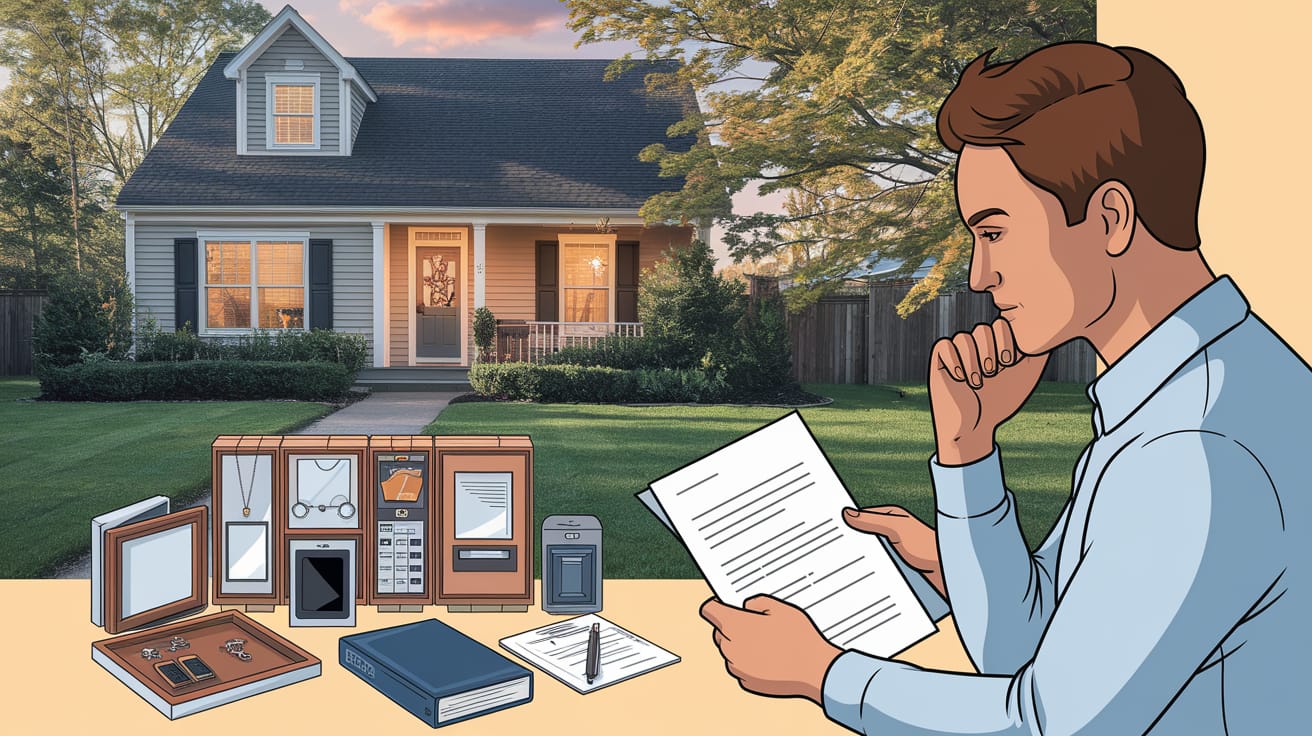
Home insurance should correspond with what it would cost to rebuild, replace vital possessions and protect your savings from lawsuits. The numbers below are typical for the U.S., but target your real risks and budget!
Replacement Cost Value
For dwelling coverage, set it to your home’s replacement cost value — not the purchase price! This is what it takes to rebuild today with like kind and quality under current building codes, local labor and material costs in your ZIP code. Exclude land.
Most carriers want you to insure at least 80% of replacement cost or you get hit with co-insurance penalties for underinsuring. The ‘80% rule’ is guidance, not one-size-fits-all. A $900,000 rebuild needs a minimum of $720,000 coverage to avoid penalties.
Full replacement is safer in high-cost areas. In many policies, loss of use (additional living expenses) is around 20 to 30 percent of the dwelling limit. At $720,000, that could be $144,000 to $216,000 for rent, meals, and other related expenses if you’re displaced.
For a tighter number, utilize your insurer’s replacement cost estimator, a bid from a licensed contractor, or a professional appraisal. Update annually and after upgrades such as a new roof, ADU, or kitchen overhaul since construction costs move quickly in cities such as Los Angeles.
If prices soar, think about a guaranteed or extended replacement cost endorsement for a buffer.
High-Value Items
Inventory what you have and what its value is. Photos, serial numbers, model names, and receipts are a big help.
Standard personal property is often 50% to 70% of dwelling coverage. Jewelry, art, bikes, and cameras caps can be low, for example, $1,500 for theft of jewelry. If you have a $9,000 ring or a $12,000 painting, add a scheduled personal property floater to cover each at its appraised value and eliminate many sub-limits.
Appraisals are important both in establishing values and in claims. Store records offsite or in the cloud, and check back annually so new equipment or presents do not fall through holes.
Personal Liability Limits
Liability covers injury or property damage you cause to others and pays legal defense. Select a limit that shields your assets and future earnings. Many owners begin at $300,000 to $500,000, though households with savings, higher income, or rentals tend to opt for $1 million.
Include legal fees, medical bills and settlements, which can scale quickly after a serious injury. Increase limits if you have a pool, trampoline, dog that’s a biter, short-term rental, or frequent visitors.
For greater coverage, add a $1 to $5 million umbrella policy over your home and auto. It is typically very cost efficient and can cover gaps.
What Influences Your Premium
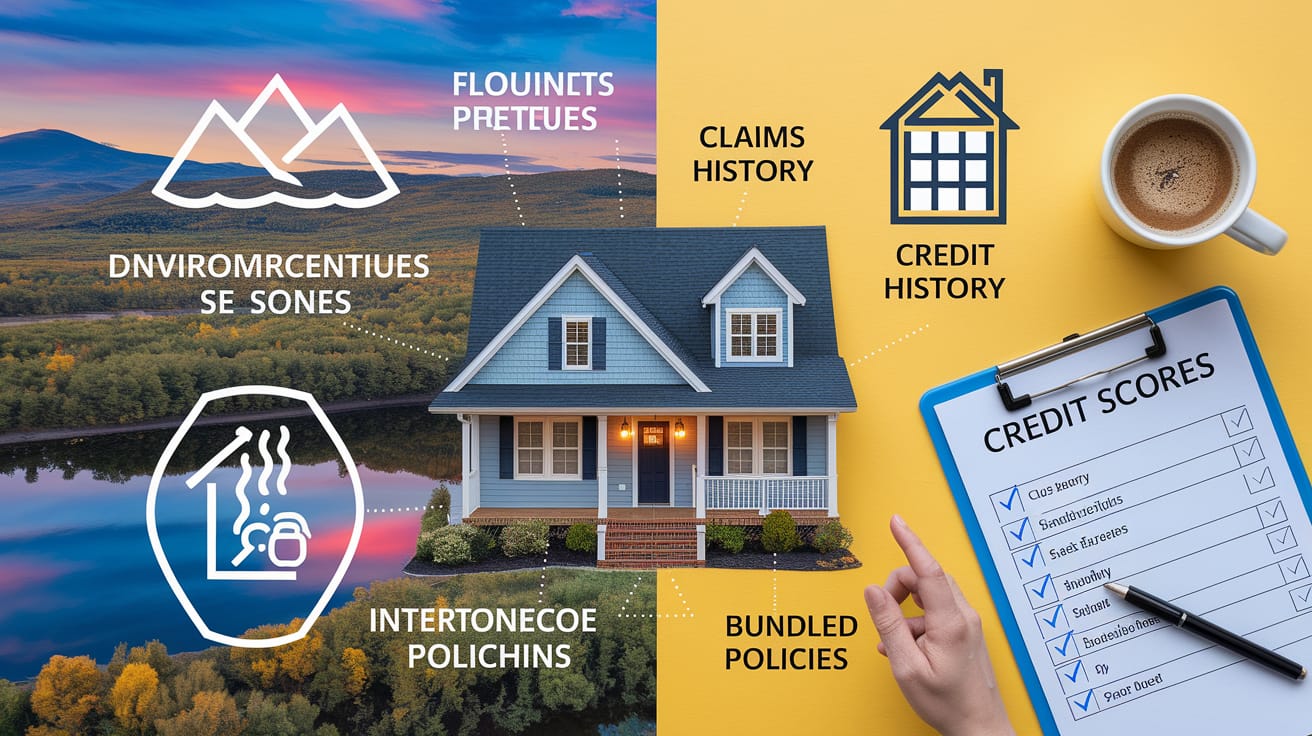
Premiums are based on your home’s risk, rebuild cost, and your profile. Some main factors are where you live, what the house is made of, your claims and credit history, and discounts you qualify for.
Typical factors include:
Location and crime levels
Age, size, and build of the home
Distance to fire services and hydrants
Environmental risks (flood, wildfire, quake, hurricane)
Replacement cost and current construction prices
Prior claims and credit-based insurance scores
Safety features and upgrades
Policy choices (deductible, endorsements, limits)
Occupancy and household details
Eligible discounts and bundles
Property Profile
Factor | Why it matters | Possible effect on premium |
|---|---|---|
Year built | Older systems cost more to fix | Often higher |
Roof type/age | Newer roofs resist wind/hail | Often lower |
Square footage | More to rebuild | Higher |
Construction | Masonry vs. frame | Varies by peril |
Distance to hydrant/station | Faster response cuts losses | >5 miles can spike rates |
Local crime | Theft/vandal risk | Higher in hot spots |
Custom features that raise replacement cost include high-end stone or tile, custom millwork, vaulted ceilings, built-ins, premium appliances, solar arrays, smart whole-home systems, imported flooring, and bespoke windows or doors.
Alarm systems, monitored fire, smoke, and CO alarms, water-leak sensors with auto-shutoff, and smart locks can additionally influence premiums. Many carriers provide device credits when systems are central-station monitored.
It is important to record specific distance to the closest hydrant and fire station. Some insurers rate by ISO fire protection class. A distance over about five miles can result in a surcharge.
Environmental Risks
Verify if the property is located in a flood zone on FEMA maps, a wildfire interface area, close to brush canyons, on a fault line, or along the coast susceptible to wind or storm surge.
Lenders may require separate flood coverage for SFHAs. In quake-prone states, think about stand-alone quake policies. In hurricane zones, anticipate wind or named-storm deductibles.
Homes in hazard zones typically have higher insurance premiums. Rate filings incorporate catastrophe models and reinsurance expenses.
P.S. Tap into FEMA Flood Map Service Center, state wildfire maps, local fire district data, and county hazard portals to get a sense of risk before you bind coverage.
Your Personal History
Keep great credit. Most states allow credit-based insurance scores; a handful prohibit it. Higher scores can translate into lower rates.
Low claims having lots of little claims can make it more expensive. CLUE reports can enumerate claims as far back as seven years.
Reveal cancellations or lapses. Gaps can cause surcharges. Enter correct household information such as the number of people living in the home and marital status, as a few carriers consider those variables.
Protective Credits
Install smoke detectors, monitored burglar alarms, deadbolts, and water-leak shutoff valves for credits. A hip roof or Class A shingles can assist as well.
Bundle home with auto for multi-policy discounts. Loyalty and claims-free streaks frequently receive annual credits.
Upgrade risk-heavy systems: new roof, modern wiring, updated plumbing, seismic retrofits, and whole-house surge protection. Rising labor and material costs make these updates even more valuable for loss prevention.
Future-Proofing Your Policy

Strive to maintain coverage in accordance with your home, budget, and life in the post-closing years. Create an easy-to-do ritual that captures costs to reconstruct, shifts in your cohabitants, and emerging hazards like subletting or installing a pool. Start shopping at least two weeks before closing, and know that premiums can be paid at closing or through your monthly mortgage escrow.
Annual Check-ups
Future-Proofing Your Policy: Establish an annual policy review date linked to a life milestone, such as your loan anniversary. Make sure dwelling coverage represents the present cost to rebuild, not market price. Verify your personal property limits and sublimits for jewelry, art, bikes, or music gear, as standard caps can be low for high-value items. Include scheduled personal property if applicable.
Factor in inflation and labor fluctuations. Construction costs in many U.S. Metros like LA have escalated quickly as a result of materials and labor. Request an inflation guard and verify the extended or guaranteed replacement cost option if offered. If you included electronics or outdoor gear this year, update totals.
Price-check Future-Proof Your Policy – Get at least three quotes annually to check if your rate and deductibles still make sense. Shop coverage details, not just the premium, and check the claim service record.
Take notes. Record any changes, such as a new roof, security system, short-term travel, or higher-risk items, to facilitate quicker updates and prevent coverage gaps.
Renovation Updates
Just call your insurer before work commences. Major remodels, kitchen overhauls, roof replacements, room additions, solar installs, or even finished basements alter your replacement cost, contractor liability, and site risk during construction.
Increase dwelling coverage to equal the new rebuild cost. If you include high-end finishes, such as custom cabinets, stone counters, and wide-plank floors, modify the policy so these get replaced at like kind and quality. Consider ordinance or law coverage in older homes since code upgrades can add real cost post-loss.
Include endorsements for new exposures. Pools and spas require higher liability limits and occasionally a fence or safety cover. Detached studios, ADUs, and finished basements might require specific coverage.
Save receipts, permits, and even take a photo log. They assist in demonstrating worth if you submit a claim and make midterm readjustments smooth.
Life Event Changes
After marriage, divorce, a new baby or taking in an older relative, update named insureds, occupants and liability limits. When kids move out or you become an empty nester, you can shift personal property totals and deductibles.
If you purchase a second home and retain your first, be aware of varying insurance regulations for secondary or seasonal use. Renting out a room or an ADU increases liability; inquire about landlord or home sharing endorsements and mandate tenant renters insurance.
Have any valuables inherited, book items with appraisals to surpass normal maximums. Any change in occupancy, full-time, part-time, or tenant, inform your insurer quickly.
Conclusion
A defined strategy trumps speculation. Secure the policy prior to closing so the lender signs off and you have the keys on time. Verify the dwelling limit, personal property, loss of use, and liability. Note add-ons that fit LA risk: quake, flood, brush fire, and water back-up. Be real with your numbers. For instance, the rebuild cost on a 1,600-square-foot Craftsman in Mid City can be deliciously high given labor and code. That forms your dwelling limit.
Go ahead and shop a few quotes. Inquire about roof age, local fire score, alarm credits, and bundle deals. Schedule an annual review so the policy stays in line with home improvements and price changes.
Want help selecting limits or add-ons for Los Angeles? Contact us for a quick, no pressure check!
Frequently Asked Questions
When should I buy home insurance during the home-buying process?
Home insurance when you buy a new house. Get a policy lined up right after your offer is accepted. Bind coverage at least a few days prior to closing. Your lender is going to want evidence of insurance, such as a binder or declarations page, before they will fund your loan.
Why do mortgage lenders require home insurance?
Lenders safeguard their investment. Home insurance covers your home for risks such as fire, wind, and theft. Without it, a significant loss could threaten the home’s value and your ability to repay the loan.
How much dwelling coverage do I need?
Try to insure for the home’s actual rebuild value, not the sale price. Request a replacement cost estimate either from your insurer or a contractor. Adjust it for local labor and material costs and any custom features.
What does a standard homeowners policy cover?
It usually protects the building, contents, liability, and loss of use. The majority of policies cover fire, wind, theft, and vandalism. Floods and earthquakes are not covered and need separate policies.
What factors affect my premium the most?
Home age, roof type, location risk, claims history, credit-based insurance score, and coverage limits are important factors. Security features, a new roof, and bundling auto insurance can reduce costs. Higher deductibles lower premiums but raise out-of-pocket costs.
Do I need extra insurance for earthquakes or floods?
Yes. Standard policies explicitly exclude both. In most locations, flood insurance can be purchased through NFIP or private carriers. Earthquake coverage is a distinct policy or endorsement that is particularly essential in high-risk zones.
How often should I review or update my policy?
Check in at least annually and following major changes. Update coverage following renovations, security upgrades, or purchasing expensive items. Re-shop when rates change, when the roof is replaced, or when your risk profile improves.