Running a food truck means taking your business on the road every day, but that freedom comes with risks you won’t find in a standard restaurant. From accidents on busy streets to sudden equipment breakdowns, food truck owners juggle unique challenges that need a different kind of insurance. Without specialized protection, one mishap could put your business and your future at risk.
Standard business insurance often misses key exposures faced by mobile eateries. Food trucks need tailored policies that address their specific needs—covering everything from auto liability to equipment theft and spoilage. With the right specialty insurance, owners can protect what matters most and keep rolling, no matter what comes their way. Not sure where to start? Learn more about broad food service coverage by exploring Delaware Business Insurance Options.
Understanding Food Truck Risks
Operating a food truck brings flexibility and excitement, but it also exposes you to risks that aren’t a concern for traditional restaurants. Mobility, unique equipment, and ever-changing environments introduce challenges that demand special attention. Protecting your investment means understanding exactly where these hazards can appear—and how they differ from those at fixed locations.
Equipment and Vehicle Hazards
Food trucks squeeze a commercial kitchen into a moving vehicle. That means dealing with hazards from both sides: what’s under the hood and what’s behind the serving window. Key equipment like propane tanks, fryers, and generators—essential for daily operations—can also be sources of danger if not properly maintained.
- Fire Risk: Propane tanks, gas lines, and deep fryers raise the risk of fire and explosions, risks that increase without strict daily checks. Learn about food truck fire safety codes and requirements to prevent costly incidents.
- Mechanical Breakdown: Generator malfunctions or kitchen equipment failures create safety issues and may force unexpected closures.
- Electrical Hazards: Outdated wiring, overloaded plugs, or wet conditions in a compact space can spark shocks or fires.
- Maintenance Demands: A regular inspection schedule for all these elements lowers breakdown risks and keeps your team safe. This includes checking fire suppression systems, gas lines, and ventilation as recommended in safety guidelines for food truck owners.
Challenges with Mobility and Locations
Unlike restaurants, food trucks face unique mobility risks every time they hit the road or set up for business. Driving a loaded vehicle through city streets, busy events, and unfamiliar locations introduces exposure to accidents and liability.
 Photo by Kampus Production
Driving isn’t the only hazard. Parking and setup bring their own set of issues:
- Parking Complications: Not every space is “food truck–friendly.” Parking in no-parking zones or without proper permits may result in hefty fines or forced relocation. Know which spots to avoid when parking your food truck.
- City Regulations: Mobile eateries often deal with changing local codes, event requirements, and health permits that shift by location.
- Event-Related Dangers: Setting up in crowded areas means more risk of accidents involving pedestrians, other vehicles, or even property damage.
- Road Accidents: Even a minor collision can sideline your business, damage expensive gear, and injure employees or bystanders. Each city may have separate legal and insurance expectations you need to meet, which can compound your risk profile.
Public Health and Food Safety Concerns
Food safety is critical for any eatery, but food trucks face greater challenges than most brick-and-mortar restaurants. Limited space and mobile operations raise the stakes when it comes to health inspections and preventing foodborne illness.
- Temperature Control: Inconsistent refrigeration, generator failures, or summer heat can make it hard to keep food at safe temperatures. This is a leading cause of foodborne outbreaks in mobile kitchens, as discussed in food truck food safety guidelines.
- Sanitation Constraints: Small spaces make cleaning less convenient, and waste disposal can be tricky when not anchored in one place.
- Inspection Performance: Research finds that mobile vendors often face stricter scrutiny and may have more violations compared to traditional restaurants, as detailed in comparative assessments of food safety in mobile vendors.
Because of these heightened risks, insurance solutions for food trucks need to address mobile-specific exposures, not just the basics. For a deeper look at how these requirements impact your business, visit our page on general liability insurance for small businesses.
Key Types of Specialty Insurance for Mobile Eateries
Mobile eateries face risks that standard business or auto policies simply don’t cover. Food trucks combine the challenges of running a restaurant and a commercial vehicle—all in one tight space. Owners need insurance tailored to their business model and lifestyle. When you’re on the move, every accident, breakdown, or interruption could threaten your entire operation. This is why choosing the right specialty insurance options is so important for long-term security and peace of mind.
Commercial Auto and Liability Coverage
Every food truck is first and foremost a vehicle—and a workplace. Standard auto insurance might cover you driving from point A to point B, but it won’t protect your custom kitchen buildout, signage, or liability exposure while serving food.
A true commercial auto policy designed for food trucks offers:
- Coverage for collision and property damage, even if your truck is parked at an event for hours.
- Protection if you injure someone or damage property—on the road or on-site.
- Bodily injury coverage that helps with medical costs if team members or customers are hurt.
- Liability for incidents related to your operations, not just driving mishaps.
Unlike ordinary business policies, these coverages account for your unique blend of risks, filling gaps in standard auto or general liability insurance. Learn more about how specialized options can fill those gaps by reviewing available specialty insurance options.
Food Spoilage and Equipment Breakdown
If your truck loses power or a key appliance fails, spoiled food can mean thousands in losses—and in some cases, a health risk that forces you to shut down.
Specialty insurance for food trucks includes:
- Food spoilage protection: Reimburses you for inventory that goes bad due to equipment failure, power loss, or temperature control problems.
- Equipment breakdown coverage: Pays to repair or replace crucial tools like refrigerators, fryers, or generators after a covered event.
This coverage keeps your business from losing momentum when costly mishaps strike. The same insurance can sometimes help with clean-up costs, making sure unsafe food is disposed of safely.
Business Interruption and Loss of Income
When your truck can’t operate, your cash flow usually stops cold. Standard policies rarely account for your income loss if a fire, theft, or breakdown forces you off the street.
A solid specialty policy may include:
- Business interruption insurance, replacing lost revenue while repairs or replacements take place.
- Help covering ongoing costs like vendor contracts, food orders, or even loan payments, so you’re not left scrambling.
These protections are designed with mobile vendors in mind, helping you weather big disruptions without starting over. For a deeper look at what this can include, check out comprehensive guides like Comprehensive Food Vendor Insurance Solutions.
Workers’ Compensation Considerations
Food trucks often hire part-time or temporary crew, and the mobile workspace brings a higher risk of slips, burns, and other workplace injuries.
Workers’ compensation policies for food trucks:
- Cover medical expenses and lost wages if staff are injured on the job, in the tight quarters of a truck or during setup and teardown.
- Address the reality of high turnover, seasonal hires, and roles that aren’t always full-time.
Not all workers’ comp policies are created equal—especially for mobile businesses. It’s crucial to select options written for non-traditional workplaces like food trucks. For more information about worker protection and selecting the right fit, learn about business insurance for small businesses.
These key coverage types make a difference when regular business or auto insurance just isn’t enough. By investing in policies built for food trucks, owners can focus on growth instead of worrying about disasters around the corner.
Selecting the Right Insurance Policy for Your Food Truck
Choosing insurance for your food truck is about more than ticking a box for compliance—it’s about protecting your business from real risks on the road and at every stop. Policies built for mobile eateries address hazards you face daily, but not all coverages are alike. Take time to think through your needs, weigh features, and question your provider. The right choice today can keep your food truck rolling tomorrow.
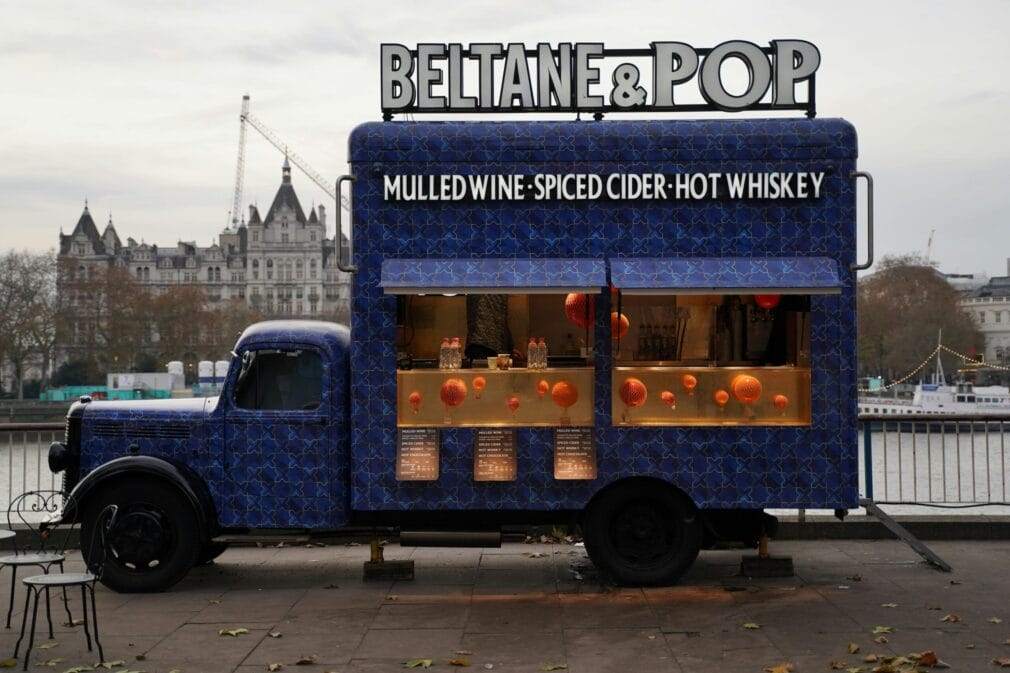 Photo by Vaan Photography
Assessing Your Risk Profile
Start by listing what sets your food truck apart. Review your:
- Menu: Carrying high-value seafood? Using open flames? Each brings unique risks, from liability if a customer gets sick to increased fire dangers. Note ingredients that could trigger allergies or require strict storage.
- Locations: Do you work festivals, city streets, or private events? Parking in busy downtowns may mean more accident exposure. Remote or nighttime gigs could increase theft or vandalism risk.
- Vehicle: Your truck is more than just transport—it’s your workspace. Consider the condition, age, custom kitchen buildouts, and any specialized appliances.
- Staff Setup: How many people help? Do they handle setup, cash, or cooking? More helpers mean added liability for injuries or accidents.
Creating this list will show where the biggest threats lie and help you shop for policies that actually match your situation. For a deeper dive into this process, check out the five-step planning method described in A 5-step plan for determining food truck insurance coverage.
Comparing Policy Features and Exclusions
Policies can look similar on the surface, but the details decide how well they protect you on a tough day. Review each provider’s features and exclusions before making a commitment.
Key areas to check:
- What’s Covered:
- Theft or damage of kitchen gear inside and outside the truck
- Food spoilage and equipment breakdown
- Liability for employee or customer injuries both on and off the vehicle
- Loss of income if you’re forced off the road
- Common Exclusions:
- Wear and tear on the truck
- Acts of fraud or intentional harm
- Unlisted equipment or unapproved modifications
- Coverage gaps for special events or new locations
Comparison isn’t just about cost. The cheapest plan may leave you exposed when you need help most. Detailed guides like this Guide to Food Truck Insurance Quotes (2025) break down coverage levels and explain how to review options side by side.
If you’re new to reviewing specialty coverage, consider this beginner’s guide to navigating specialty insurance policies, which outlines what matters when comparing plans and how to spot limits that might cost you later.
Questions to Ask Your Insurance Provider
Providers who know the ins and outs of food truck risks bring more to the table—so pick their brains before you sign. Arm yourself with direct questions like:
- What risks are unique to food trucks that this policy covers? Push for details about mobile operations.
- Are special events, temporary staff, or new equipment automatically covered? Make sure your policy grows with your business.
- How do claims work on the road versus when parked? Know the difference—accident and theft scenarios change based on where you are.
- Will changes in my business (like expanding to a second truck) require a new policy or amendment?
- What’s the process for updating or customizing my policy as locations or menu items change?
Providers experienced with mobile food businesses understand the value of flexibility and clear communication. By asking the right questions, you protect your business against surprises and secure the peace of mind to focus on your customers.
For more help breaking down policy choices and asking the right questions, check resources like Food Truck Business Insurance Costs to understand where your money goes and what kind of support you can expect.
Practical Steps to Maintain Insurance Compliance
Insurance compliance isn’t just paperwork—it’s the baseline for keeping your food truck business safe, legal, and ready for anything. Mobile eateries face unique requirements and frequent change, so staying organized makes a real difference. A strong compliance process reduces stress, smooths claims, and helps you focus on serving up great food, not fighting fines or downtime.
Maintaining Updated Documentation
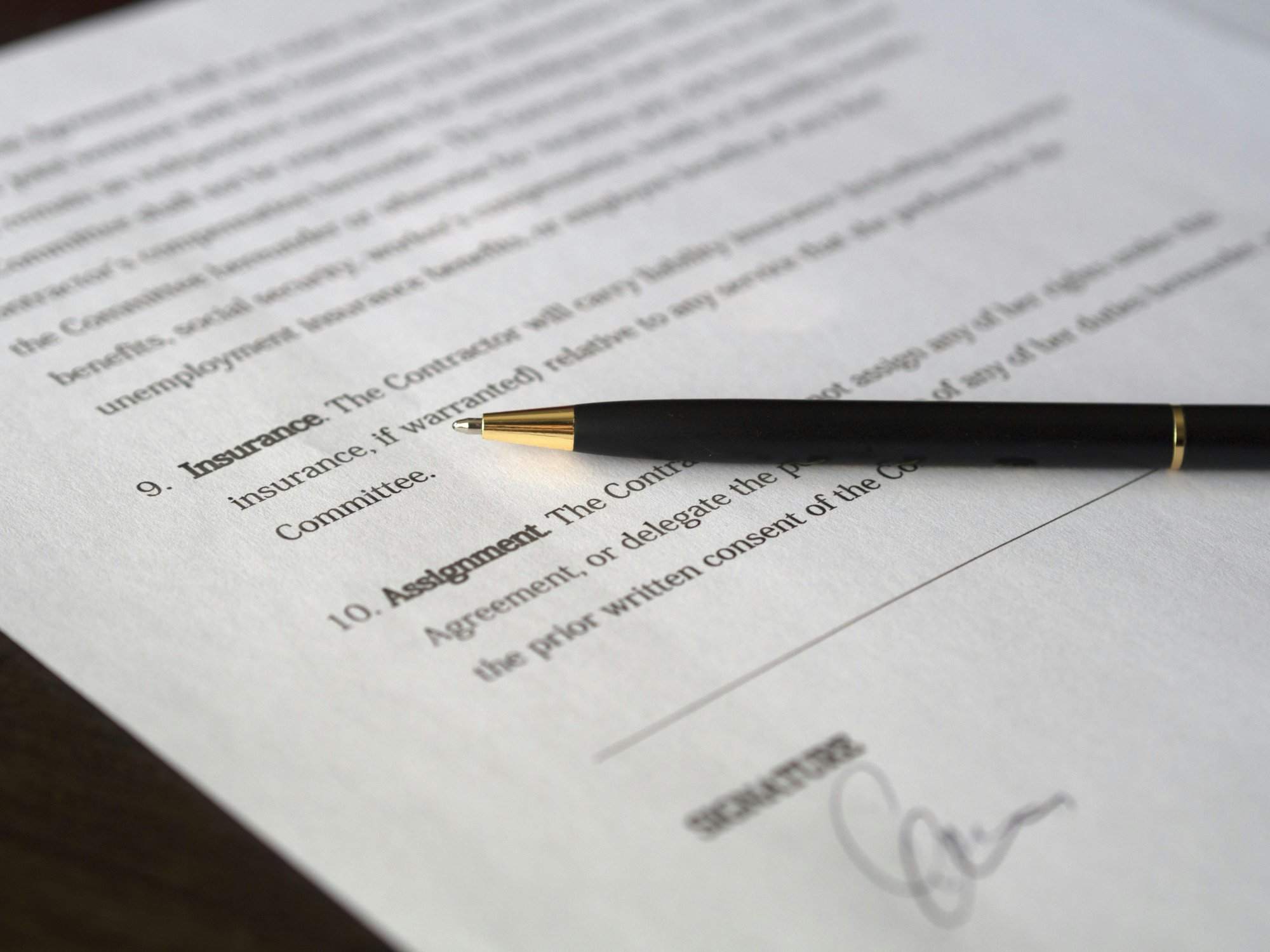 Photo by Pixabay
Keeping current records is a must for every food truck owner. Up-to-date documents support hassle-free insurance claims and quick proof of coverage during health inspections, accidents, or audits.
Make it a habit to:
- Keep insurance certificates, policy documents, and renewal letters in both digital and physical formats.
- Maintain a checklist for health permits, fire inspections, and vehicle registrations.
- Update your documents immediately after adding equipment, changing routes, or hiring staff.
- Schedule recurring reminders to review expiration dates and required updates.
These small steps pay off if you ever need to show proof of coverage or respond during an emergency. For those operating across state lines or managing multiple permits, resources like the Multi-State Business Insurance Guide 2025 offer tips tailored for keeping all your paperwork in order.
Implementing Safety Practices and Staff Training
Well-trained staff and clear safety routines cut the risk of accidents. For a food truck, hazards come fast—slippery steps, sharp tools, and hot equipment surround your team. Organized training protects your people and your bottom line.
Establish a safety culture by:
- Holding regular training on fire safety, food storage, and equipment operation.
- Using easy-to-understand checklists for daily opening, closing, and cleaning.
- Practicing emergency drills so everyone knows what to do if something goes wrong.
- Keeping a log of training sessions and certifications to show compliance during audits.
A safer workplace leads to fewer injuries and fewer claims. It also shows insurers that your team takes risk management seriously, which can support better rates and faster claims processing. This attention to detail links directly to the real-world benefits discussed in specialty insurance benefits and claims.
Reviewing and Adjusting Coverage as Your Business Grows
Your insurance policy should keep pace with your business. Adding new menu items, updating equipment, or working bigger events? Review your policy as these changes happen—not just at renewal.
Stay on top of evolving needs by:
- Scheduling policy reviews every six months or after major business changes.
- Evaluating if current coverage reflects your actual risks and assets.
- Getting written confirmation from your insurer for added gear, new employees, or updated locations.
- Comparing policy features and rates, checking for gaps that may appear as your food truck expands.
Regular reviews help catch any compliance gaps before they become issues. If you want a more detailed process for staying prepared, see the latest 2025 Insurance Audit Compliance for Businesses guide. This resource covers what auditors check and how keeping up with your insurance responsibilities protects your operation.
Sticking with these practical steps will keep your food truck business compliant and ready for what’s next.
Conclusion
Food trucks carry risks far beyond those of stationary restaurants. Frequent travel, tight kitchens, and constant public exposure raise the stakes on everything from equipment breakdown to liability claims. The right specialty insurance protects your investment and keeps your business moving after the unexpected.
A tailored policy covers more than the basics—it addresses mobile operations, food spoilage, employee injuries, and even event-related accidents. Staying protected starts by understanding your unique risks, then selecting coverage that matches your operation and reviewing it as your business grows.
Committing to safety practices and keeping documentation current strengthens your insurance position and supports business growth. For more guidance on matching policy features to your needs, see the beginner’s guide to navigating specialty insurance policies.
By being proactive and choosing insurance designed for food trucks, you gain both peace of mind and room to grow. If you have tips or questions based on your own experiences, share your thoughts with the insurance community—your insight may help others stay protected on the road.