
Open Enrollment for 2025 is crucial for finding the right health insurance plan. It matters whether you’re looking at the Health Insurance Marketplace or buying directly. You need to know your timeframe and requirements to pick a plan that fits your needs. This guide has all you need, including deadlines and plan details for QSEHRA and ICHRA. Plus, tips for using online portals well.
Starting November 1, 2024, Blue Cross Blue Shield’s Open Enrollment offers a detailed way to find insurance. It helps new buyers and those who already have insurance. Remember to check state deadlines and use the services Blue Cross Blue Shield offers.
Our thorough enrollment guide makes the process clear. Know what you need for HRAs and the coverage levels available. With this knowledge, going through open enrollment 2025 will be smooth.
Key Takeaways
- Open Enrollment for 2025 starts on November 1, 2024.
- Understanding state-specific deadlines is crucial for timely plan selection.
- Health Reimbursement Arrangements (HRAs) like QSEHRA and ICHRA can significantly influence your plan choice.
- Utilize online portals provided by Blue Cross Blue Shield for streamlined health insurance navigation.
- Selecting a plan involves assessing personal healthcare needs and understanding coverage levels.
Understanding Open Enrollment
The Open Enrollment period is vital for picking or changing health insurance plans. It happens every year to help people check their coverage needs and choose wisely. For 2025, it runs from November 1, 2024, to January 15, 2025. It’s crucial to select the right plan during these enrollment dates to ensure you’re properly covered.
What is Open Enrollment?
Open Enrollment lets people sign up for new health insurance or switch plans once a year. This makes getting healthcare easier. It helps make sure that both healthy and sick people take part, keeping insurance costs fair for everyone. Outside of Open Enrollment, you can only switch plans for specific reasons like getting married or having a baby.
Why are there specific deadlines?
Deadlines during Open Enrollment keep the insurance market stable. Setting enrollment dates stops only the sickest from signing up, which would raise costs. These deadlines push people to check their insurance yearly, so it stays current. Following these deadlines helps avoid fines or gaps in your coverage. Some states may offer extra time to enroll, but rules differ by location.
Knowing how Open Enrollment works helps you make smart choices for your health insurance. For more info, tap into further details here.
Blue Cross Blue Shield Health Insurance Plans
Blue Cross Blue Shield plans give members many choices for their healthcare needs. It’s important to know how to look at the different plans. Knowing the coverage levels helps you make a smart choice.
How to compare different plans
When looking at Blue Cross Blue Shield plans, comparing health insurance properly is key. You should think about monthly costs, what’s covered, and extra perks. For instance, some plans have no monthly cost and no cost for prescription drugs.
Plans from employers might cover medical, pharmacy, dental, vision, life, and disability. It’s good to check each part to make sure you pick what fits you best, health-wise and money-wise.
Coverage levels and what they mean
Knowing the coverage levels of Blue Cross Blue Shield plans helps you compare better. The plans have Bronze, Silver, Gold, and Platinum levels. Each one covers a different percentage of your healthcare costs.
- Bronze: Covers around 60% of healthcare costs. It’s for those who prefer low monthly payments but higher costs when they need care.
- Silver: Covers about 70% of costs. People who can get extra savings often pick this.
- Gold: Covers around 80% of costs. It’s a middle ground between premiums and costs when you need care.
- Platinum: Covers about 90% of healthcare costs. It’s for those willing to pay more each month for more coverage.
Picking a coverage level means thinking about your health needs and your budget. Members might get benefits like money for groceries and utilities or help with different languages. These extras add value to the plans.
| Plan Level | Coverage Percentage | Monthly Premium | Additional Benefits |
|---|---|---|---|
| Bronze | 60% | Low | $0 Prescription Drug Copays |
| Silver | 70% | Moderate | Cost-sharing Reductions |
| Gold | 80% | Higher | Balanced Coverage |
| Platinum | 90% | Highest | Comprehensive Coverage |
Choosing the right plan means weighing your health care needs against what you’ll pay in premiums and out-of-pocket. It’s all about finding the balance that works for you.
Benefits of Choosing Blue Cross Blue Shield
Choosing Blue Cross Blue Shield brings lots of upsides. It’s a top choice for those in need of dependable health insurance. Its network is vast, with over 90% of doctors in all states, Washington D.C., and Puerto Rico on board. This means members get a wide choice of healthcare providers and solid coverage everywhere.
With 33 companies in its association, Blue Cross Blue Shield tailors its plans well. They fit different health needs and budgets. Members can get everything from screenings and vaccines to full hospital and emergency care. These plans cover all key health benefits the Affordable Care Act requires.
Blue Cross Blue Shield is also known for great customer support and extra goodies. From 2025, its Blue Points Rewards program will let members earn up to $100 in gift cards. They just need to engage in health and wellness activities. Plus, the Blue365® program offers big discounts on healthcare goods and services, including gym memberships.
Getting your healthcare managed is easier too, thanks to the BCBSTX mobile app. It lets you check your plan benefits, see your virtual ID card, claims, payment history, and find in-network care spots. All these features help to keep 115 million people satisfied under Blue Cross Blue Shield.
Prescription drug coverage is another key benefit of all BCBSTX health plans. Once the plan’s deductible is met, members pay a set amount or part of their drug costs. This makes medications more budget-friendly and costs predictable. Also, getting preventive care in-network is free, encouraging members to take charge of their health.
If you’re looking for Medicare coverage, Blue Cross Blue Shield has lots of support and options to offer. To see what’s available, check out the Blue Cross Blue Shield Medicare coverage section.
Blue Cross Blue Shield’s Medicare plans in North Carolina have a 4.5-star rating. This shows they provide high-quality service and leave members satisfied. Over the years, Blue Cross Blue Shield has proven itself with reliable health insurance since its start in 1929.
Key Dates for Open Enrollment 2025
It’s vital to know the key healthcare dates for Open Enrollment 2025. This ensures you get your health insurance in time. The enrollment period is from November 1, 2024, to January 15, 2025.
Remember, the last day to get coverage starting January 1, 2025, is December 15, 2024. It’s also essential to note that some states offer extended deadlines. This is helpful for those who need extra time to enroll.
For instance, California’s Open Enrollment goes till January 31, 2025. Colorado and Washington offer time until January 15, 2025. Meanwhile, Massachusetts extends its deadline to January 23, 2025.
In states like New Jersey and Rhode Island, people can enroll up to January 31, 2025. It’s important to stay updated on these state-specific deadlines. This way, you won’t miss your chance to enroll.
If you miss the main enrollment time, you might still have a chance. Certain life events can qualify you for Special Enrollment Periods (SEP). Events like getting married, having a baby, moving, or losing previous coverage can trigger this.
SEPs usually last 60 days after the event. They give a significant chance to get health insurance outside the usual times.
Keeping track of the Open Enrollment 2025 dates helps you plan better. It allows you to make smart choices about health coverage for 2025. By paying attention to state-specific deadlines and SEPs, you can find the best insurance for your needs.
How to Enroll Online
Enrolling in the Blue Cross Blue Shield Health Insurance Plan online is easy. Just follow some important steps. This makes sure your application is accurate and quick.
Step-by-step guide
To start enrolling online, first collect all needed documents. This includes proof of your income and where you live. Here’s how to go through the enrollment steps:
- Visit the enrollment platform: Go to Healthcare.gov or the Blue Cross Blue Shield site. It helps you compare plans and enroll.
- Create an account: Provide your personal information to set up your account and start your application.
- Compare plans: Use the site’s tools to find the health plan that fits you best.
- Fill out application: Fill in the application carefully with correct info.
- Upload documents: Make sure to upload all required documents like income proof and residency.
- Review and submit: Check your information twice before submitting your application.
Important documents you’ll need
Having your documents ready makes the enrollment faster. Here are the usual documents needed:
- Proof of income (like pay stubs, tax returns)
- Residency proof (utility bills, lease agreements)
- ID documents (driver’s license, passport)
- Social Security numbers for everyone applying
- Your current health insurance details, if you have any
The open enrollment period is from the second Monday in November to the second Monday in December every year. It gives plenty of time to apply. New employees have 60 days from when they start to enroll. Life changes like getting married or having a baby also allow you to enroll at other times.
For more info on enrolling online, check the detailed guides on the Blue Cross Blue Shield enrollment page.
Maximizing Your Coverage Plan
Getting the most out of your health insurance starts with knowing your health needs. Match these needs with what Blue Cross Blue Shield offers. This way, you make smart choices to fully use your health coverage.
Using preventive care is key to improving your insurance benefits. Most plans from Blue Cross Blue Shield offer free preventive care. This means you can get regular check-ups without extra cost. Use the “Find a Doctor” tool from Blue Cross Blue Shield of Michigan to avoid extra fees from outside providers.
Health plan incentives and wellness programs are essential for getting the most from your coverage. With Blue365, you get discounts on gym memberships and wellness items. Engaging in Be Well Vermont offers advice on eating well, dealing with stress, and health tips. Services like Amwell and SonderMind make it easy to get mental health support, adding more value to your plan.
Using Health Savings Accounts (HSAs) helps with current and future healthcare costs. HSAs have tax benefits and can cover out-of-pocket expenses. This improves your financial planning.
The out-of-pocket maximum is key in many plans, including Blue Cross Blue Shield. Knowing this limit is crucial. After reaching it, your plan pays all your healthcare costs. This is vital for handling expensive treatments.
Behavioral health services are also covered. These include counseling and full mental health support. Services like Better Beginnings offer no-cost help during pregnancy. This shows the broad benefits of careful planning.
Use regular check-ups, wellness program discounts, and mental health services fully. Stay informed and plan your medical care wisely. Using all resources and programs helps you stay healthy and manage costs.
In closing, to truly benefit from your health plan, do more than just basic care. It’s about wisely using health resources and knowing what’s available. Reviewing your plan and actively managing your health boosts the value you get from Blue Cross Blue Shield.
Finding Network Providers
Blue Cross Blue Shield helps you easily find healthcare options. They have a vast network with more than 2 million doctors and hospitals. So, members get access to many in-network doctors and clinics all over the U.S.
How to search for in-network doctors and clinics
Searching for in-network doctors with Blue Cross Blue Shield is simple. Use their online directory and enter the provider’s name or the type of healthcare services you need. This helps you stay within your plan and saves money. Their directories also show cost estimates for various procedures.
There are other helpful tools too. For instance, the Prescription Drug Cost Tool shows covered medications and compares prices. For those who like or need to stay home, telehealth services offer virtual visits through phone, video chat, or apps.
With Blue Cross Blue Shield, finding medicines is easy too. They are connected to over 55,000 pharmacies nationwide. Plus, if you travel abroad, there are over 11,000 providers worldwide you can visit.
By using these services, members can receive care from trusted, in-network doctors. This helps keep healthcare costs down.
Member Services and Support
Blue Cross Blue Shield of North Carolina (Blue Cross NC) provides many services and support options. They ensure all member needs are efficiently and effectively handled. Members can easily make payments, check claims, and understand their coverage thanks to Blue Cross NC’s helpful resources.
How to contact member support
If you have any questions or issues with your health plan, reaching out to Blue Cross NC’s customer support is easy. The hotline for individual and family plans is open Monday to Thursday from 8 AM to 6 PM ET, and Friday from 8 AM to 5 PM ET. For help in Spanish, members can call 866-760-5570 during these times. There are also specific hotlines for those in company-sponsored or Medicare plans.
Using the Blue Cross Blue Shield online portal
Blue Cross NC’s online health portals make managing healthcare easy. Members can download their ID cards, access forms, track claims, and more. These portals help you make smart healthcare choices with tools for plan comparisons and treatment tracking.
For more details on member services, visit the Blue Cross Blue Shield website.
| Support Services | Availability | Contact Details |
|---|---|---|
| Individual & Family Plans | Mon-Thu: 8 AM – 6 PM ET; Fri: 8 AM – 5 PM ET | Local hotlines |
| Company-Sponsored Group Plans | Mon-Thu: 8 AM – 6 PM ET; Fri: 8 AM – 5 PM ET | Local hotlines |
| Medicare Plans | Seven days a week; 8 AM – 8 PM ET | Dedicated hotlines |
| Spanish-Speaking Support | Mon-Thu: 8 AM – 6 PM ET; Fri: 8 AM – 5 PM ET | 866-760-5570 |
Comparing On-Exchange and Off-Exchange Plans
Understanding the difference between on-exchange and off-exchange plans is key in health insurance. On-exchange plans come from government markets like HealthCare.gov or MNsure in Minnesota. They might help you pay less because of income-based subsidies.
Off-exchange plans, however, are bought straight from insurance companies or agents. They follow ACA rules for basic coverage but don’t offer subsidies. Yet, they provide more choices, including plans that cover big emergencies but skip everyday health needs.
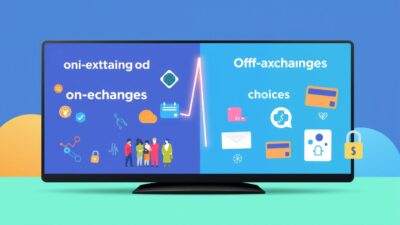
| Feature | On-Exchange Plans | Off-Exchange Plans |
|---|---|---|
| Purchase Location | HealthCare.gov or State Exchanges | Directly from Providers or Brokers |
| Subsidies Available | Yes (based on income) | No |
| ACA Compliance | Yes | Yes (minimum coverage & essential benefits) |
| Cost | Generally lower with subsidies | Varies by provider; may be lower without ACA compliance |
| Plan Options | Standard (Bronze, Silver, Gold, Platinum) | Varied, including non-ACA options |
| Customer Service | Directly through Exchange | Providers or Brokers for personalized service |
Making a choice between on-exchange and off-exchange plans involves looking at your needs. If you can get subsidies, on-exchange plans may cost less. Off-exchange plans offer more options and personal service, good for those without subsidy access or who want specific coverages.
In the end, weighing each type of plan will guide you to the best and most cost-effective coverage based on what you need.
Understanding Premium Tax Credits
The Premium Tax Credit (PTC) helps make health insurance more accessible. It is part of the Affordable Care Act (ACA). Health insurance subsidies, or PTCs, ease the financial burden for those with low-to-moderate income. These credits make monthly premiums cheaper, helping families get better health coverage.
Eligibility for Premium Tax Credits
To get these tax credits, your income and family size are key factors. You need to earn between 100% and 400% of the federal poverty line. Also, you must be a U.S. citizen or have lawful presence. But, you can’t get them if you have affordable employer coverage or qualify for Medicare, Medicaid, CHIP, or TRICARE.
- Income between 100% and 400% of the federal poverty level
- Purchase a Health Insurance Marketplace plan
- U.S. citizens or lawful presence in the United States
- Those without affordable employer coverage or qualifying federal programs
How to Apply Credits to Your Plan
When applying, you must give income and family size details to the Health Insurance Marketplace. Once approved, you can decide how much credit to use on your premiums. It could be all, part, or none. But, it’s important to quickly report any changes. Things like different income, family size, or job status need to be shared with the Marketplace.
- Submit income and family details on the Marketplace application
- Choose how much of the estimated credit to apply to premiums
- Report changes like income shifts, marital status, or new dependents
- Reconcile the estimated credit with the actual credit using forms 1095-A and 8962
These credits can significantly lower costs. They keep health insurance affordable for eligible people and families. To get the most benefit, always update the Marketplace with your current info. The Premium Tax Credit Estimator is also a great tool to use.
State-Specific Enrollment Information
Understanding state-specific health insurance is key to getting the best coverage. Each state with its own exchange follows different rules than the federal guidelines. It’s important to follow these local insurance regulations to keep your insurance active.
Unique Guidelines for States with Their Own Exchanges
In places like California and New York, people can sign up past the usual deadline. These enrollment extensions also change when your coverage starts, usually on January 1, 2025, if you sign up during Open Enrollment. This extra time helps residents pick the best plan for their needs.
How State Extensions Affect Your Enrollment
State-specific health insurance extensions offer more time and affect when coverage starts. For instance, changes during California’s extended period begin on January 1, 2025, just like the federal plan. Knowing your state’s deadlines helps avoid coverage gaps and maximize benefits.
Planning for Predictable Healthcare Needs
Effective healthcare planning is essential. It involves matching health needs with the right insurance plan. This is crucial for handling chronic conditions, regular meds, and routine doctor’s visits. By doing so, you can plan your finances better and pick a plan with full coverage.

Assessing Your Medical Requirements
Assessing your health needs is the first step. You should look at your health history and guess future needs. This way, you can find a plan that lowers your costs but still covers a lot. Here are some key points to think about:
- Chronic Conditions: Choose a plan with low deductibles if you have chronic issues. This makes costs predictable all year.
- Regular Prescriptions: Look for plans that cover many prescription drugs. This can cut down your medicine costs.
- Routine Visits: Pick plans with set copayments for regular visits. This helps budgeting for check-ups and tests.
Knowing the different plan types helps make a good choice. Here’s a quick guide to each type:
| Plan Type | Features |
|---|---|
| Exclusive Provider Organization (EPO) | You can only see network doctors, but you’re covered in emergencies. |
| Health Maintenance Organization (HMO) | It’s affordable with predictable costs for doctor visits. |
| Preferred Provider Organization (PPO) | You can choose your doctors with flexible costs. |
| Gold Plan | It has higher monthly fees but lower out-of-pocket costs. The insurer covers 80% of bills. |
Pick a plan that meets your health needs for the best cost management. With careful planning, you can get access to the care you need without financial worry.
Ensuring Your Plan is HRA-Compatible
When picking health insurance, making sure your plan works with a Health Reimbursement Arrangement (HRA) is key. Not every plan qualifies. Knowing the rules is important to get the most from your HRA.
Types of Plans that Qualify
A plan has to meet HRA-compatible plans criteria set by the Affordable Care Act (ACA) to qualify. Basically, an eligible health plan has to provide the basic required coverage.
- Major medical plans bought on the exchange
- Certain Medicare plans
- Student health plans
- Healthy Lifestyles Rewards programs paired with HRA-compatible plans
Key to these options, HRA benefits help save on health costs and reach deductibles efficiently. HRAs often offer tax benefits, lowering taxable income for employees.
Blue Solutions® recently added three HRA-compatible plans, giving more choices to employees. These plans cover many health needs while keeping HRAs financially beneficial.
HRAs can pay back for certain health costs and sometimes insurance premiums, tax-free for employers. This helps lower work health expenses, making care more affordable for workers.
- Major Medical Plans: These cover a lot, from check-ups to emergencies. They’re great for using with HRAs.
- Medicare Plans: Some Medicare options qualify, offering HRA money back for various health expenses to the elderly.
- Student Health Plans: These keep students covered and eligible for HRA perks during their studies.
| Plan Types | Compatibility | Key Benefits |
|---|---|---|
| Major Medical Plans | High | Full coverage, follows ACA rules |
| Medicare Plans | Medium | For older adults, offers a range of services |
| Student Health Plans | Medium | Cost-effective for students, provides necessary protection |
In short, checking for HRA compatibility is a crucial step in enhancing your health benefits. Selecting eligible health plans that adhere to ACA standards lets you combine HRAs with your health and financial strategies efficiently.
Conclusion
Understanding how to enroll in Blue Cross Blue Shield is key. This review covers important areas. We look at different plan options and important dates. It’s vital to look at your healthcare needs and check if you can get tax credits. These credits can help lower your costs.
Looking at both on-exchange and off-exchange plans helps. This way, you can choose the best coverage for 2025. Knowing the benefits of Blue Cross Blue Shield is important. You get access to many services and support. This makes choosing a plan easier and better informed.
Health insurance can seem complex. But with the right knowledge and guidance, you can find the best coverage. It’s important to pick doctors in your network and make the most of your plan. Also, knowing the costs of different healthcare services is crucial. Prices can vary a lot. Site-neutral payments could save money. This highlights the need for careful plan choice and enrollment for the coming year.
FAQ
What is Open Enrollment?
Open Enrollment is a time every year when you can choose or change your health insurance plan. In 2025, it will be from November 1, 2024, to January 15, 2025. This helps keep insurance fair by mixing healthy and sick people together.
Why are there specific deadlines?
Deadlines stop people from waiting to get insurance only when they’re sick. This keeps the insurance pool mixed with healthy and sick people.
How can I compare different Blue Cross Blue Shield health insurance plans?
To compare plans, look at the coverage levels—Bronze, Silver, Gold, and Platinum. Think about your health needs and costs. Pick a plan that matches how much you can spend and the care you need.
What do the different coverage levels mean?
Each level covers a different part of your costs. Bronze pays 60%, Silver 70%, Gold 80%, and Platinum 90%. Choose based on your health needs and how much you can spend.
What are the benefits of choosing Blue Cross Blue Shield?
Choosing them gets you a big network of doctors and many plan choices. They have great services and tools online, making them a solid insurance choice.
What are the key dates for Open Enrollment 2025?
It starts on November 1, 2024, and ends on January 15, 2025. Want your coverage by January 1, 2025? Apply by December 15, 2024. States like California and New York might have longer times to sign up.
How do I enroll online for Blue Cross Blue Shield health insurance?
First, gather documents like income proof and where you live. Use Healthcare.gov to look at plans. Then follow the steps to sign up, making sure you do it within Open Enrollment dates.
What documents will I need for online enrollment?
Have your income proof, where you live, an ID, and any other needed info ready. This makes signing up faster.
How can I maximize my Blue Cross Blue Shield coverage plan?
Look closely at your health needs and what you spend on care. Know your plan’s costs like copays. Choose a plan giving you the most for your healthcare activities.
How do I search for in-network doctors and clinics?
Use their online tools or healthcare platforms. Type in the names of doctors to see if they’re in-network. This helps save on costs.
How can I contact member support?
They offer a lot of help online and on the phone. You can get plan details or help with claims anytime.
How do I use the Blue Cross Blue Shield online portal?
The portal lets you look at plans, pay, and track treatments. Just login to see and manage your plan details easily.
What is the difference between on-exchange and off-exchange plans?
On-exchange plans are sold on sites like Healthcare.gov and can get subsidies. Off-exchange plans might offer more choices but check costs and subsidy options carefully.
What are premium tax credits and how do they work?
These credits help make insurance cheaper if your income is in a certain range. You can use them on premiums to pay less. Get these credits when you sign up on ACA sites.
Are there unique guidelines for states with their own health insurance exchanges?
Yes, some states have their own rules and longer signup times. Knowing these can help you get the most benefit. For example, California and New York have their own schedules.
How do state-specific extensions affect Open Enrollment?
More time to sign up can change when your coverage starts. Check your state’s schedule to keep your insurance without a break.
How should I assess my medical requirements when choosing a health plan?
Think about your health like chronic issues or regular meds. This helps you plan your budget and pick a plan that really covers you.
Which health plans are HRA-compatible?
Not every plan works with HRAs. To use an HRA, your plan must meet ACA standards. This includes many major medical, Medicare, and student health plans.
2 thoughts on “Navigate Blue Cross Blue Shield Open Enrollment with Ease”