Owning a historic home brings a sense of pride and responsibility. These properties hold stories, character, and details that newer homes can’t match. However, their age and unique features often put them at risk for damage that standard coverage may not address.
Many older homes need repairs using rare materials or custom techniques, making restoration expensive and complex. That’s why specialty insurance is a smart step for anyone who wants to preserve a heritage property. By choosing the right policy, you protect both your investment and a piece of history.
If you’re interested in how these policies differ from regular home plans, explore the key Types of Home Insurance Coverage. For owners who know their property needs extra attention, see when it’s time to consider Specialty Insurance for Unique Homes.
Why Historic Homes Need Specialty Insurance
Historic homes aren’t just pretty façades—they capture architectural styles and building standards from a different era. Insuring them isn’t as simple as covering a modern home. They require unique attention because of their rarity, the materials used, and strict preservation rules. Here’s what sets historic and heritage homes apart when it comes to insurance.
 Photo by Pixabay
Defining Historic and Heritage Properties: Clarify what qualifies as a historic home and why official designation impacts insurance needs
A home is typically considered “historic” if it has official recognition—like being listed on the National Register of Historic Places or a similar local or state registry. Sometimes, simply being old (often 50 years or older) and maintaining original features is enough to qualify.
When a property gets designated as historic, owners must follow strict rules for repairs, renovations, and materials. Any changes that don’t fit the original style or historic period may be restricted or require special permission. This increases complexity and cost, impacting how insurers assess risk and coverage.
Key points that define historic and heritage homes:
- Official recognition: National, state, or local historic registries.
- Architectural uniqueness: Distinct historical architecture or craftsmanship.
- Cultural value: Links to local or national history.
- Regulatory oversight: Extra approval required for changes or repairs.
These factors increase the insurance challenges. When restoration must match the original detail and comply with preservation rules, simple policies often won’t do the job.
Challenges in Insuring Older Structures: Issues like outdated wiring, rare materials, and code upgrades that increase risk and cost
Insuring older homes is challenging because they often hide expensive problems. Years of wear or unaddressed maintenance add risk for insurers. Outdated electrical and plumbing systems increase chances of fire or water damage. Rare
Specialty Insurance Options for Heritage Properties
Specialty insurance is designed for homes with unique character, history, and challenges. Modern houses can rely on standard policies, but a 19th-century Queen Anne or Victorian needs more than basic coverage. These homes depend on insurance that respects their story—covering rare construction, specialized repairs, and restoration after setbacks. As you look for the right policy, it’s important to review your options and understand what truly protects legacy homes.
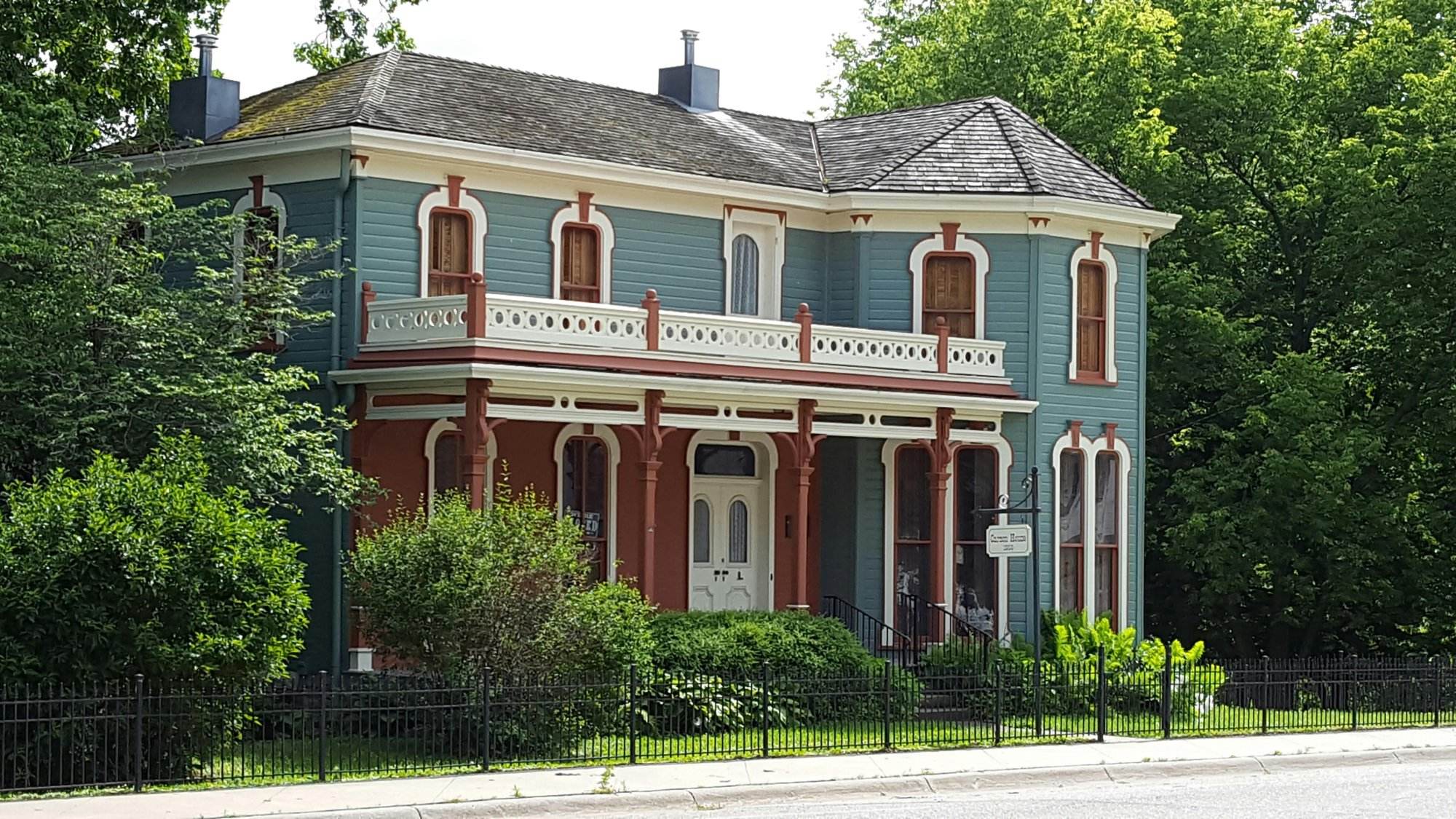 Photo by Austin
HO-8 Policies and Their Role
HO-8 insurance is made for older homes that don’t fit standard guidelines. Unlike a typical home insurance policy, HO-8 calculates payout based on the property’s market value—not the sometimes-impossible task of matching outdated materials and craftsmanship. This prevents homeowners from being penalized for wear-and-tear that comes naturally with age.
Here’s how an HO-8 policy can benefit historic homeowners:
- Pays actual cash value instead of demanding full restoration with new materials.
- Accepts unique risks, like outdated wiring or century-old roofs.
- Flexible enough to adapt to complex repairs.
These features help avoid claims disputes over authenticity and repairs. To see how HO-8 fits within the broader world of coverage, check this overview of Types of Home Insurance Coverage.
For a great deep dive into protections for National Register properties and beyond, see Historic Property Insurance, which covers specialized restoration needs.
Key Features of Specialty Insurance
Specialty insurers understand that a stained-glass door or a hand-carved mantel can’t be swapped for today’s stock materials. Instead, these policies offer:
- Agreed value coverage: Policyholders and insurers decide on a home’s value upfront, removing questions at claim time.
- Replacement cost for rare materials: Coverage pays to rebuild or restore with original brickwork, woodwork, plaster, and more—no easy substitutions.
- Protection for unique architectural features: Including turrets, wraparound porches, and custom fireplaces that are essential to your property’s historic integrity.
You’ll also find specialty brokers like National Trust Insurance Services focus on historic structures, offering policies tailored to buildings with rich histories and special requirements.
Extra Protections: Ordinance or Law Coverage
Whenever historic homes need repairs, modern building codes often clash with original materials and methods. Ordinance or law coverage pays the extra costs of restoring in a way that meets new safety and zoning rules.
Why does this matter?
- Building codes change: Updates may require electrical re-wiring, disaster reinforcements, or fire safety work missing from the original property.
- Historic guidelines: You may also face strict limits on how you reconstruct, especially in protected neighborhoods.
Without the right protection, owners have to pay these added costs out of pocket. Smart specialty policies help keep restorations on track and within budget while maintaining compliance and authenticity.
For an expert look at how these elements work together, review best practices for insuring historic properties, including risk and policy customization.
Restoration and Claims: What Historic Homeowners Should Know
Preserving a historic home is both an honor and a complex responsibility. Restoration work must maintain authenticity and comply with local heritage rules, while insurance claims for these properties involve more steps than with standard homes. Knowing the right process, from hiring skilled craftsmen to gathering documentation for claims, makes all the difference when unexpected damage strikes.
Finding Qualified Restoration Professionals: Advice for homeowners on locating skilled craftsmen and approved contractors
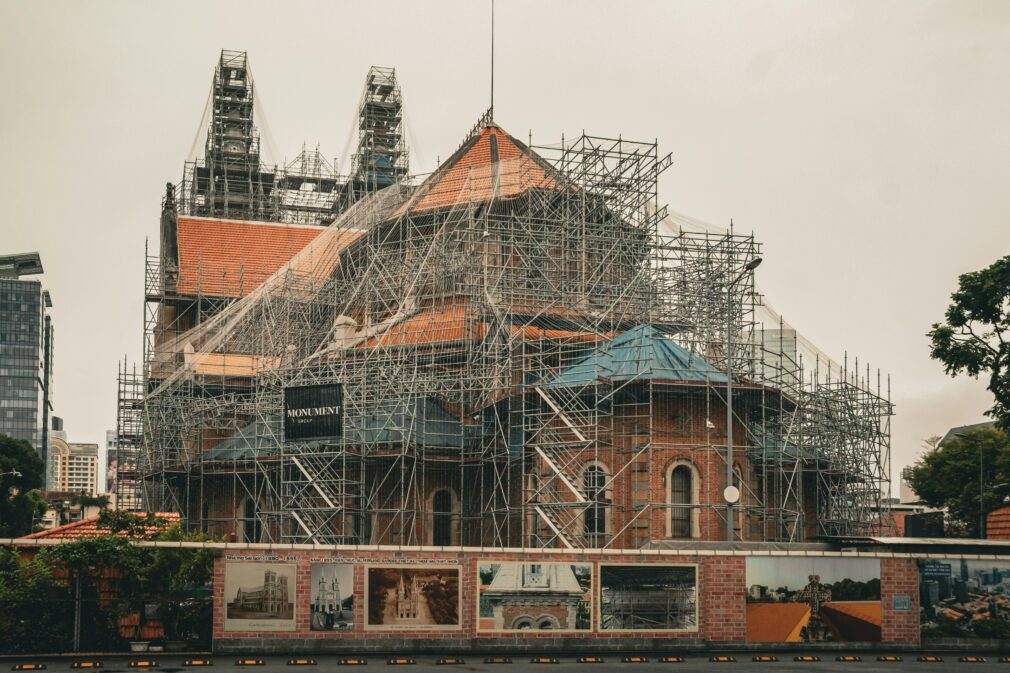 Photo by Ngọc Khánh Nek
Not every contractor can restore a heritage home the right way. Repairs must honor original designs, materials, and meet any local or federal preservation standards. This often means searching beyond standard directories.
Consider these steps to find truly qualified help:
- Check local historic societies: They often maintain lists of trusted specialists known for solid restoration work.
- Ask your insurer for recommendations: Many specialty providers can point you to contractors with approved experience in heritage repairs.
- Review credentials carefully: Look for certification or membership in preservation organizations, plus portfolios of similar projects.
- Interview multiple craftsmen: Discuss your expectations in detail and ask about their approach to using period-appropriate materials and techniques.
- Study recent projects: Request references and tour finished restorations when possible to check quality and authenticity.
Understanding what to expect from expert restoration makes it easier to protect your home’s legacy. For more on best practices and tips from professionals, see the Do’s and Don’ts of Historic Home Restoration & Remodeling as well as practical guidance for finding contractors and architects for historic renovation.
For deeper insight on local codes, restoration standards, and how contractors should approach preservation, take a look at the Secretary of the Interior’s standards for treating historic properties.
Navigating Claims for Heritage Homes: Break down the claim process and documentation tips for faster, fair settlements
Filing a claim for a historic home isn’t like filing for a newer property. Insurers will want more documentation—often including expert reports, historic status proof, and detailed repair plans.
A clear, organized process can speed up approval and guarantee a fair settlement:
- Notify your insurer right away: Quickly communicate any damage and confirm what documentation is needed for heritage properties.
- Document everything: Take pictures and video of all affected areas before clean-up or repairs. Save receipts, official assessment letters, and communications.
- Gather historic records: Your insurer may ask for architectural drawings, registry certificates, or a preservation plan to verify historic value.
- Get detailed contractor estimates: Make sure these reflect the real cost of replicating period details—plain replacements can undervalue the necessary work.
- Involve heritage experts: Some claims require independent heritage consultants or architects to validate repair approaches and costs.
- Communicate proactively: Stay in touch with your adjuster and clarify restorations must meet both code upgrades and historic guidelines.
To make the process smoother, review your policy in advance and confirm you have documentation ready. Specialty insurance for older homes usually has features tailored to these needs, but preparation helps avoid surprises. To deepen your knowledge of what coverage to expect, check out this summary of historic property insurance protections.
For guidance on filing claims and understanding what’s included in specialty policies, Shielded Future’s guide on specialty insurance for unique homes is a valuable resource. This will help ensure restorations respect both the letter of the law and the spirit of your property.
Tips for Choosing the Right Policy for Your Historic Home
Selecting insurance for a heritage property takes more legwork than with a newer house. Age, architecture, and the requirement for period-accurate materials mean your policy details really matter. A great fit protects not just the structure, but the legacy you call home. Here’s how to make confident, well-informed decisions when picking coverage.
Evaluating Insurer Experience and Reputation: Suggest looking for insurers with a proven track record in historic property insurance
 Photo by Mikhail Nilov
Not every insurance company understands the unique needs of historic homes. You want a provider who knows how to value rare materials, honor original design, and navigate restoration laws. To find one with the right background:
- Check company history: Seek insurers who specialize in or often handle historic property coverage.
- Look for reviews and testimonials: Read about claim experiences from owners of older properties.
- Ask for references: Trustworthy companies can provide contacts who’ve gone through the claims process.
- Verify credentials: Confirm memberships in preservation or restoration associations.
- Consult local historic societies: These groups often keep lists of vetted, experienced insurers.
Working with proven experts gives you confidence that your home’s unique features—and its history—will be safeguarded.
Getting the Right Coverage Amounts: Explain how to assess the full restoration value and avoid being underinsured
A historic home’s true value isn’t just what it would sell for today. Restoration could cost far more, especially with rare or imported building supplies and specialized labor. It’s easy to end up underinsured if you only cover the basic market price. Focus on these steps:
- Request a detailed reconstruction estimate: Hire an appraiser who understands historic restorations, not just standard rebuilds.
- Review coverage levels regularly: Restoration costs change over time, so update your policy as needed.
- Include ordinance or law coverage: Account for code upgrades and preservation guidelines that affect rebuilding.
- Itemize unique features: List original fixtures, artwork, carvings, and other elements that set your house apart.
- Work with the insurer on documentation: Provide clear photos, appraisals, and a home history report.
Securing the right amounts means you can bring your property back to life after a claim—without sacrificing history for cost.
Comparing Specialty Insurance Policies: Provide actionable tips for side-by-side comparisons and referencing policy options
No two heritage properties are the same—and neither are the insurance policies that protect them. Comparing policies helps you find a plan tailored for your home, not just a generic structure. Make the process easier by following these steps:
- List key features for each plan: Note coverage type (replacement cost, agreed value, cash value), exclusions, deductibles, and limit caps.
- Pay close attention to specialty protections: Look for items such as ordinance/law coverage, allowances for rare materials, or coverage for landscape and outbuildings.
- Assess claims support: Understand the insurer’s reputation and process for historic home claims—speed, expertise, and willingness to work with restoration professionals.
- Factor in extra services: Some insurers help with contractor recommendations or historic compliance navigation.
- Compare restoration, not just payout values: A policy that only covers the market value won’t match restoration costs for rare features.
For a deeper dive into options and details, visit the Shielded Future guide on specialty insurance for unique homes. For added perspective, check this resource on best practices for insuring historic properties.
Taking the time to line up policies side by side helps you see which one offers real protection for your unique heritage investment.
Conclusion
Specialty insurance plays a crucial role in protecting historic homes and the people who preserve them. The right policy does more than repair damage—it safeguards rare craftsmanship, honors original details, and helps owners meet complex preservation rules. This provides peace of mind that your home’s history will remain intact for future generations.
Smart protection starts with research and guidance from experienced professionals. Reviewing your options, understanding coverage amounts, and consulting experts ensures your unique property is in good hands. For an in-depth look at selecting strong coverage, see the Ultimate Guide to Home Insurance.
Every historic property tells a story worth protecting. Thank you for considering your home’s future. Share your own experiences or challenges with specialty insurance for heritage homes—your insights keep this community strong.