Rental car insurance often tacks on a steep cost to an already pricey rental, leaving many travelers and business owners searching for ways to cut expenses. The good news is, you don’t have to lose out on key coverage to lower your bill. With a bit of knowledge and smart planning, it’s possible to protect yourself and your wallet at the same time.
Understanding what you’re really paying for and where you can trim unnecessary extras is the first step toward savings. By focusing on the right strategies, drivers can confidently reject costly add-ons while keeping the protection they need. If you want to explore more ways to manage your insurance costs wisely, check out some proven auto insurance savings tips for guidance.
Understand What Rental Car Insurance Really Covers
The fine print of rental car insurance often feels more confusing than comforting. Paying attention to what’s included—and what you might already have elsewhere—can spare you from double-paying and missing out on vital protection. Here’s how to break down what’s actually on offer behind the rental counter.
 Photo by Vlad Deep
Types of Rental Car Insurance
Most rental agencies feature several optional insurance and protection products. It’s easy to feel overwhelmed by all the choices, so here’s a rundown of the main ones you’ll see at the counter:
- Collision Damage Waiver (CDW) or Loss Damage Waiver (LDW): Shifts financial responsibility for damage or theft of the rental car from you to the rental company. Note that this is technically a “waiver,” not true insurance.
- Supplemental Liability Protection: Covers injury or property damage you might cause to others when driving the rental. This can fill in gaps if your own auto policy has lower limits or doesn’t extend.
- Personal Accident Insurance: Helps with medical and ambulance expenses if you or your passengers are hurt in a crash.
- Personal Effects Coverage: Pays out if your belongings are stolen from the rental vehicle.
Each type is sold separately, which can drive up your total if you select every option. For a precise breakdown of these coverages, review this practical summary from Enterprise on U.S. rental car insurance protections.
Common Overlaps with Existing Coverage
Many drivers already have protections through their own auto policy or credit cards. Here are frequent overlaps that can help you spot where you might be duplicating:
- Personal Auto Insurance: Most standard car insurance plans extend your existing coverage—including liability, collision, and comprehensive—to rental vehicles, especially in the U.S. Your deductible and policy limits will still apply. This means paying twice for similar coverage is common if you buy the rental agency’s options. Progressive breaks down overlapping coverage details and when you might safely skip the add-on.
- Credit Cards: Some cards, especially those from Visa, Mastercard, or American Express, include secondary rental car damage coverage if you reserve and pay with the card. This usually pays for damage after your primary personal auto insurance.
- Health or Travel Insurance: Medical expenses may already be covered for injuries, making the Personal Accident Insurance unnecessary.
Familiarize yourself with your own insurance policies and card benefits before your rental to avoid expensive coverage you don’t need.
Gaps That Matter
While there’s overlap, critical coverage gaps can sneak up on renters who assume they’re fully protected. Don’t overlook:
- Loss of Use: Rental companies may charge for lost profits while a damaged car is off the road. Some insurance or credit card plans don’t pay for these costs.
- Diminished Value: After an accident, the car’s resale value may drop. Many primary insurers and credit cards won’t reimburse rental companies for this loss.
- Liability Shortfalls: If your personal auto policy carries low liability limits, or if you’re traveling abroad, you might not have enough protection. Additional rentals’ Supplemental Liability might be needed, especially if your current liability coverage is basic.
- Unauthorized Drivers: If an unauthorized driver gets behind the wheel, both rental protections and personal insurance may not pay out.
Looking for these missing links in either agency or personal insurance helps you decide which extras are worth it—and which are just padding your bill. Read the details or call your agent so you know exactly what’s covered before you pick up the keys.
Use Your Own Auto Insurance Strategically
Tapping into your personal auto insurance can save you a bundle on rental coverage—but only if you know what your policy covers and where the fine print can hide surprises. By aligning your current policy with the needs of your rental, you can skip upcharges at the counter and still drive away with confidence.
Matching Policy Coverage to Rental Needs
Before you hand over your card at the rental desk, pause. Review what protections you already have in your auto insurance policy. Most personal auto insurance plans extend basic coverage—like liability, collision, and comprehensive—to rental cars, especially for rentals within the U.S.
- Check coverage type and limits. If you carry full coverage at home, that usually applies to your rental too, but your deductible and maximum payout still apply. If your coverage is for liability only, you may need extra protection for damage to the rental car itself.
- Factor in where and how you’ll use the car. Are you renting for business or pleasure? Rentals for business trips might not be covered by your personal policy. International rentals are another gray area—most U.S. policies don’t protect overseas rentals.
- Mind the extras. Some policies miss loss of use fees or diminished value penalties charged by rental agencies. Check for these gaps so you’re not left with a surprise bill later on.
When you match your insurance protection to your rental plan, you avoid overlapping coverage and keep your costs low. For those unsure about limits and requirements, find out more by reading about full coverage auto insurance limits explained.
What to Ask Your Insurer
Getting clear answers from your insurance agent or customer service can reveal both savings and risk. Know the right questions before you call or log in to your online portal.
- Does my policy cover rental cars? Ask about where (U.S. only or international) and what types of rentals (personal vs. business).
- What limits and deductibles apply? Check if they’re the same for rentals as they are for your own car.
- Are there exclusions? Some policies exclude specialty vehicles, or rentals tied to business use.
- Are administrative, loss of use, or other rental company fees covered? These are common extras that catch drivers off guard.
- What documentation is needed in case of a claim? Find out what proof you’ll need if you run into trouble while driving a rental.
When you arm yourself with the right information, you can skip redundant coverage and maximize your savings. If you’d like to discover even more tips to stretch your insurance dollars further, check out these practical Mercury car insurance features and savings tips as well as these auto insurance Kansas savings tips.
 Photo by Mikhail Nilov
Knowing exactly what your policy offers helps you make smart, wallet-friendly decisions the next time you need a rental car.
Leverage Credit Card Benefits for Rental Cars
Credit cards often offer rental car insurance perks that go unused by many travelers. By understanding your card’s coverage and using it the right way, you can skip paying extra at the rental counter, keeping more money in your pocket without losing important protection.
How Credit Card Rental Coverage Works
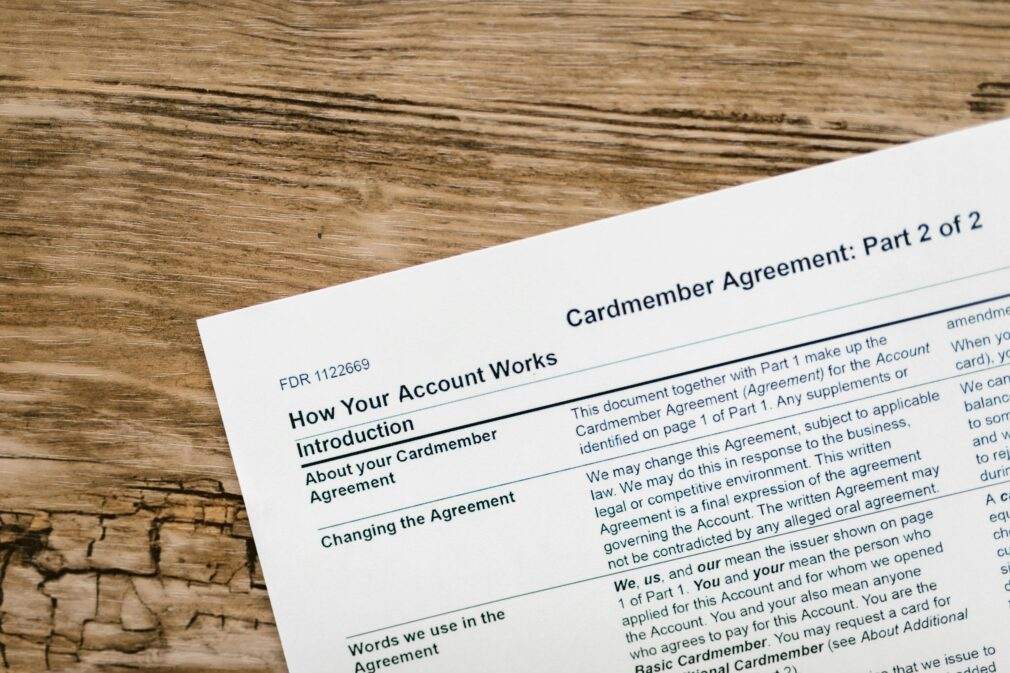 Photo by RDNE Stock project
Most major credit cards, especially those from premium networks like Visa, Mastercard, or American Express, offer some form of rental car insurance. This coverage usually comes at no extra charge if you use the card to book and pay for the rental and decline the rental agency’s collision damage waiver (CDW) or loss damage waiver (LDW). According to NerdWallet’s guide on rental car coverage, this benefit is most often “secondary,” meaning it pays for damage or theft after your primary insurance has paid out.
A wide variety of cards, especially travel rewards credit cards, include this benefit. It can pay for repairs due to collision, theft, and sometimes even towing or loss of use charges that agencies assess while the car is out of service.
To activate credit card rental coverage, you generally need to:
- Reserve and pay for the rental entirely with the same eligible credit card.
- Decline the CDW/LDW offered by the rental company.
- List yourself as the primary renter.
- Follow any time and location restrictions set by your card issuer.
If you travel often, a card with primary rental car coverage may save you hundreds over a few trips. Learn more about insurance choices for renters, including what credit card policies offer, in our article on coverage for rental car crashes.
Limits and Pitfalls
While credit card rental insurance helps cut costs, it’s not a blank check. Every policy has limits, so it’s smart to check the fine print before you skip the rental company’s coverage.
Key exclusions and pitfalls include:
- Liability Not Covered: Most credit cards only protect you against damage to or theft of the rental car—not injuries to people or damage to other cars and property. For more on this, see our guide on rental car auto insurance coverage.
- Restricted Vehicle Types: Exotics, large vans, motorcycles, and trucks are usually excluded.
- Rental Duration: Many cards only cover rentals up to 15 or 31 days.
- Countries Excluded: Some cards don’t cover rentals in certain countries like Italy, Ireland, or Jamaica.
- Secondary Coverage: Your personal auto insurance must pay first in most cases (unless your card offers primary coverage, which is rare).
Before your trip, read your card’s benefits guide and call customer service to confirm what is included. Check if you need to file reports or submit documents quickly after an incident. By knowing your policy’s details, you can plan with confidence and skip unwelcome surprises.
For more tips on using credit card rental coverage wisely and understanding possible gaps, read LendingTree’s practical breakdown of credit card rental car insurance benefits and exclusions.
Taking a few minutes to review your credit card’s rental benefits means you can travel smart, cut the extra fees, and drive away protected.
Compare Prices and Coverage Options Before You Book
Not all rental car insurance is priced the same, and even similar coverage can come with big differences in your final bill. To avoid wasting money, take a few minutes to compare prices and coverage options before you commit at the counter. Being informed doesn’t just help you save—it puts you in control, letting you pick only those protections that actually serve your needs while skipping those that just pad the rental company’s profits.
Using Online Comparison Tools
 Photo by Negative Space
Online tools can break through the confusing world of rental car insurance pricing in just a few clicks. Instead of guessing at the rental counter or trusting a fast-talking representative, you can line up choices side-by-side—spotting differences not just in overall price, but in what’s actually included.
You’ll find that many well-known travel websites now let you compare rental car rates, with and without insurance, so you see the real cost. Pay attention to which protections come standard and which are charged as extras. Some third-party providers, like your regular insurer or even credit card benefits, may also offer comparison features or calculators to estimate your costs. By using these tools, you prevent duplicate charges and often discover lower prices than at the rental desk.
If you want even deeper savings, check how rates and coverage stacks up with your personal auto insurance or compare auto insurance premiums from other companies. Sometimes, it’s more cost-effective to use your own insurance than to pay for the rental company’s policy. You can learn more about these savings strategies by exploring how to compare auto insurance premiums.
Remember:
- Purchase only as much coverage as you actually need for your trip.
- Beware of near-identical policies with vastly different prices.
- Always review the terms—particularly exclusions and required documentation for claims.
It pays to take a few extra minutes before booking. What feels like a small detail now can be the key to keeping far more money in your travel budget.
Opt Out of Unnecessary Extras
Rental counters often pile on a long list of insurance add-ons, most of which you probably don’t need if you’re already covered. If you’re not sure, review your personal auto policy or tap into your credit card’s included coverage (see earlier sections for details)—these alone cover most renters for minor incidents and accidents. Buying duplicate insurance is like paying twice for the same meal.
Some common extras to watch for and opt out of:
- Personal Accident Insurance if your health or travel insurance already covers accident-related injuries.
- Personal Effects Coverage if your renters or homeowners policy protects your belongings everywhere, not just at home.
- Supplemental Liability Protection if your personal policy already provides high limits or you’re driving in a state where base coverage is included.
Before you sign, step back from the pressure to “just add this one more protection.” Rental agents often use urgency to speed you into buying extras that don’t fit your true risks. By knowing what you already have, you can make confident choices and push back against unnecessary upsells.
For renters who want to be savvy outside their home state, regional insurance rates and rules can also play a role. For example, those looking to understand trends may want to review the latest Auto Insurance Rate Increases and Savings 2025 to get an idea of what premiums look like this year.
With these habits, you stay focused on buying the protection you need—not everything the agent recommends. This approach ensures you never sacrifice key coverage, even as you cut out added costs.
Utilize Discounts and Membership Perks
Cutting the cost of rental car insurance doesn’t have to mean tossing out the coverage you really need. By tapping into hidden discounts and making your membership perks work for you, you can secure strong protection while putting less strain on your travel budget. With the right approach, you turn what feels like a regular rental into a smart consumer win.
Membership-Based Savings
Membership programs can be a secret weapon for drivers who want to save big on rental insurance. Organizations and clubs often negotiate special deals with rental companies, providing both lower rates and attractive coverage perks.
- Auto Clubs: AAA and similar clubs frequently offer discounted rental rates plus waived or reduced-cost insurance options. If you are considering the benefits of a membership, the potential for rental car discounts (alongside travel assistance and other perks) can easily justify the annual fee. Learn about other unique insurance advantages available to members by exploring AAA home insurance benefits.
- Warehouse Clubs and Retail Memberships: Wearing your Costco or Sam’s Club membership hat during a rental move can cut your insurance costs. These retailers often partner with major agencies for both baseline price breaks and, most importantly, cheaper insurance add-ons at booking. Executive-level memberships may even bring enhanced coverage, as outlined in this overview of Costco homeowners insurance advantages.
- Corporate and Professional Groups: Many big employers, universities, and professional associations negotiate rates and insurance deals for their members—sometimes including supplemental insurance at no extra charge.
- Military, Veteran, and Government Discounts: Groups like USAA offer coverage discounts and special insurance packages for qualifying renters. If you’re eligible for military benefits, see how these offers compare with traditional rental rates and coverage. For example, USAA home insurance coverage provides discounts that extend to other insurance areas as well.
Keep your membership cards handy (physical or digital), and always enter or mention them at booking to activate discounts you’re entitled to. Sometimes, the extra savings or premium perks are linked to exclusive booking channels or codes, so check the fine print.
Bundling and Long-Term Rentals
Bundling your rental with other insurance polices or stretching your booking out over a longer period can turn small savings into larger rewards, especially for frequent travelers or business renters.
 Photo by Negative Space
- Bundle Insurance Where Possible: If you already have another insurance product, see whether your provider offers a multi-policy discount on rental insurance. Some insurers will drop your premium if you combine rental protection with your auto, home, or renters insurance. Steps like these, as seen when looking to lower home insurance costs, also apply in the rental car insurance space.
- Combine Rentals for a Lower Rate: Booking a car for a week or longer usually unlocks a lower daily rate—sometimes by up to 30%. The same logic can apply to insurance add-ons, as some companies give discounts for extended rentals.
- Third-Party Package Deals: Some credit card companies, travel sites, and insurers bundle collision coverage, liability, and travel assistance in a single price. Shop around to see whether a bundled policy (especially if tied to a membership) is actually cheaper and still meets your needs.
Stretch some bookings or link up multiple policies under one roof to grow your discounts over time. Bundling isn’t just about saving a few dollars today—it can shape a whole year’s worth of travel costs.
If you’re interested in even more ways to find discounts when combining policies, take advantage of this guide to insurance discount opportunities and make your next rental more affordable—without risk.
Conclusion
Saving money on rental car insurance works best when you match coverage to your actual needs. Reviewing your personal auto and credit card protections, shopping around, and saying no to unneeded extras keep your costs in check without leaving you exposed. Taking advantage of discounts and membership perks stretches your budget even further.
Smart planning means you never pay for protection you already have, yet you’re never caught underinsured. Make a habit of reading the fine print, comparing costs upfront, and confirming your best available options every time you rent. For more practical ways to keep your insurance spending in check—while staying covered—explore the full range of expert advice at Shielded Future. Thanks for reading, and feel free to share your own savings tips or coverage wins.