Teen drivers and drivers with limited records pay pricier rates, primarily because of increased risk associated with their lack of experience.
California auto insurers use age, driving history, ZIP code, car type and coverage selected to determine rates.
For a lot of new drivers, this knowledge assists in planning.
The main body deconstructs what forms these cali new driver auto insurance rates.
California New Driver Insurance Costs
New driver insurance costs in California are among the highest in the nation, with new driver average monthly rates near $108. Providers such as GEICO come in at $106 or so per month, but premiums can swing wildly based on the driver’s age, experience and history. Most new drivers under age 25 pay more, and it’s even greater for 18 and younger.
Good driver ratings and a clean record do help lower costs, but rates are still steep compared to those for experienced drivers. California labels drivers “new” for as long as three years, so it maintains its prices higher during that time.
1. The Sticker Shock
New drivers in California nearly always get slammed with higher rates than experienced drivers. An 18-year-old, for instance, carries a $6,641 average premium cost, and a 16-year-old added to a family policy can increase that to $7,140 annually. This sticker shock is normal, particularly in a state where even the bare minimum coverage comes out to $76 a month on average.
New drivers had better plan ahead, accounting for these expenses before taking the wheel. Shopping around is key. Premiums differ dramatically between companies. It’s still worth shopping around.
Get quotes from GEICO, State Farm, Progressive and others to see what fits your budget. It’s labor intensive, but the savings can be significant, particularly for families bringing on a teen driver.
2. City vs. Countryside
Urban drivers in California pay a lot more than rural ones. Los Angeles drivers pay 36% over the state average for full coverage and San Francisco residents pay roughly 13% more. Heavy congestion and accident rates in cities push premiums higher.
In less dense regions, rates dip as insurers observe fewer accidents and less risk. Local crime rates factor in too–places with a lot more car theft or vandalism tend to have higher new driver rates.
3. Vehicle Type Matters
What really does make a difference is the make and model of your car. Sports cars and more valuable vehicles tend to attract higher premiums. A new driver in a sedan with solid safety ratings will pay less than one in a speedster coupe.
Check insurance quotes before you purchase. Vehicles with good safety records and less expensive repair costs are the safest bet for keeping rates down. A used sedan or compact car is usually the least expensive option for new drivers.
4. Age and Experience
Teen drivers—particularly those ages 16-20—shell out the most for car insurance. Once you get behind the wheel and experience builds and clean records are maintained, rates gradually fall. Many parents add teens to their own plans, which saves compared to a stand-alone plan.
Staying accident-free and ticket-free are the best way to keep your rates from increasing.
5. Coverage Levels
New drivers pay more because insurers consider them high risk. No driving history and youth are big factors in rate calculations. State regulations and market pressures establish a floor for rates.
California’s accidents cause its high average costs—full coverage costs an average of $258 a month, with some paying as much as $672 per month.
Why Premiums Are High

California new driver auto insurance rates are influenced by law, the marketplace, and reality. In order to drive in California, liability insurance coverage must be carried by every driver. State law establishes the minimum at $30,000 for injury or death to one person, $60,000 for injury or death to more than one, and $15,000 for property damage.
These rules apply to every driver, but for new ones, they typically take the biggest toll on your wallet. If found driving without a valid car insurance policy, drivers are subject to fines, license suspension, and even car impoundment. That’s why it’s important for new drivers to learn about the coverage options available and inform themselves about what their policy actually covers in the event of an accident.
Recent changes in Californians’ driving habits have driven car insurance rates up. Post-pandemic, folks hit the road in record numbers, resulting in accidents and claims becoming more frequent. More claims equal more losses for insurers, which means higher premiums for everybody, particularly for new drivers with less experience behind the wheel.
The kinds of cars people drive now have a greater influence on car insurance costs. New cars arrive filled with safety tech—cameras, sensors, computers—that help make them safer but costlier to repair following a collision. Back in the day, a bumper would’ve been an inexpensive thing to swap out.
Now it can carry sensors and lights that are worth far more. California favorites like electric cars experienced a premium increase of close to 30% in 2024 compared to gas-powered cars. For example, the expensive batteries and scarce repair centers for electric vehicles contribute to this trend.
The car’s age plays a role as well. Older cars may have lower premiums because they tend to cost less to repair or replace, and their owners may select more affordable car insurance options, such as liability-only coverage. For new drivers, a used ‘old reliable’ can save you on insurance costs.
Supply chain issues, that began during the pandemic, continue to impact the price to repair or replace vehicles. Parts can be difficult to source, and when available, they’re on the expensive side. This, coupled with inflation and a general increase in the cost of goods and services, implies that insurers are shelling out more for claims.
So to keep pace, premiums go up. California wildfires are yet another risk factor. Fires that damage or destroy cars cause the insurance companies big losses. This risk is incorporated into car insurance premiums, particularly for drivers in regions with higher wildfire risk.
California’s Minimum Insurance Requirements
California requires every vehicle on the road or parked to be insured, known as financial responsibility. The state employs minimum standards for the smallest amount of car insurance coverage that you are required to purchase. These regulations shifted on January 1, 2025, following a more than 50 year run.
Now, drivers must have what’s referred to as “30/60/15” coverage. That’s $30,000 of coverage for bodily injury to one person, $60,000 in total for injuries to more than one person in a crash and $15,000 in property damage per accident. Prior to this, the minimums were $15,000 for injury to one person and $30,000 per accident for injuries, which is half of what’s required now.
Due to the new minimums, car insurance companies will automatically increase any old policies up to the new law at renewal. For many motorists, that equates to higher car insurance premiums. New drivers, who already pay high car insurance rates, need to be aware of these changes.
It’s tempting just to buy the minimum and think you’re covered. If you crash costs more than your policy covers, you’re on the hook for the rest. For instance, a fender-bender in LA can easily exceed $15,000 in property damage if it’s two newer cars. Medical bills from a big crash can soar way past that, easily hitting $60,000+ if multiple people are injured.
New drivers should consider their own needs before selecting coverage. If you drive an older car, you can skip extras like collision insurance or comprehensive coverage. If you lease or finance, you’ll probably require more than the state minimums to ensure you have the right car insurance.
It’s wise to shop around and find quotes from three or four car insurance providers. Rates vary a lot, even for identical coverage. Online comparison shopping tools or an independent agent can save you time and money. A few firms still provide good grade, driver’s ed, or even low mileage car insurance discounts.
Bundling your auto insurance policy with another — renters or homeowners, for example — can save 10% or more. If your family has one already, check if you can jump on that bandwagon–it’s usually less expensive than getting your own.
Don’t purchase more coverage than you’ll need, but don’t push the limits too low either. A little additional coverage can save a ton when you have a terrible day on the road. Keep up to date on new regulations and consult your insurer if you’re unsure about your insurance policy terms.
Actionable Savings Strategies

New driver car insurance costs in California are probably sky-high, but here’s how to slash them. It saves you by teaching you about car insurance discounts, helping you make smart vehicle decisions, and educating you on your insurance policy options and rights.
Discounts
Taking a defensive driving course is a great way for new drivers to earn discounts. Insurers frequently acknowledge state courses, some even mandate proof of completion for extra discounts.
Taking a driver’s ed course doesn’t just complete the state requirements for licensing, it can also reduce your likelihood of getting into an accident. These courses impart actual skills that make you safer on the road, and insurers reward safer drivers with lower rates over time.
These two factors are essential to long-term savings. Safe drivers experience rates decreasing even quicker. Nearly every California insurer provides good student discounts, and many provide rewards for safe driving. Insurance shopping, always inquire about them.
Driving Courses
Newbies want cars with high safety ratings. Cars equipped with anti-lock brakes, airbags, anti-theft devices and the like can receive additional discounts.
Checking the insurance cost first can avoid surprises since rates differ by hundreds of dollars a year. Staying on top of normal maintenance prevents failures and mishaps, reducing the risk of subsequent claims.
Your Vehicle
Minimum coverage versus full coverage depends on the car’s value and the driver’s needs. If a car’s worth less than your deductible + annual premium, it’s smart (and saves $!) to drop comprehensive and collision.
Increasing the deductible may reduce your monthly payments, but just be sure you can cover the out-of-pocket expense if you file a claim. Check your policy terms annually at minimum to ensure that coverage still fits your driving lifestyle, particularly if you switch jobs, relocate or drive less.
Shopping around and comparing quotes tend to pay off.
Policy Choices
Prop 103 grants California drivers key rights. Insurance companies have to justify any rate increases to the state, so it’s more transparent.
This law stops price-gouging and allows consumers to observe transparent rate pricing. New drivers need to know these rights, because it provides them with ammunition to fight sudden rate increases or refused discounts.
The Proposition 103 Advantage
Proposition 103, which was narrowly approved in California, established protections for motorists—particularly novices—by regulating car insurance rates. It’s designed to keep things fair, prevent arbitrary jumps in premiums, and ensure that the insurance market remains competitive. Insurers can’t just set rates willy-nilly; they must consider a driver’s record, their mileage per year, and their years of experience driving. For new drivers, their rate should reflect their own risk, not a company’s best guess.
One regulation that stands out is how insurers consider to whom they insure. Unlisted drivers—household members or daily drivers that aren’t listed on your policy—can be a major liability. If an unlisted person wrecks your car, it can result in insurer refusal of claim or a spike in car insurance premiums.
Let’s say, for instance, your roommate borrows your car and isn’t on your policy. If there’s a crash, your insurer may not cover the damages or they’ll raise your rate next renewal. For families with teens or shared cars, it’s critical to ensure each driver is covered. This step keeps all of you crystal clear about who’s insured and helps prevent shock if a collision occurs.
It counts that you talk to your insurer. If they move in or drive your car, get your policy updated. Tell your agent about all household drivers, even if they only drive occasionally. That’s how Prop 103 assists new drivers by ensuring car insurance coverage corresponds with actual use, not just forms.
For instance, if your college kid comes home for the summer and drives the family car, having them on your policy keeps coverage intact. It’s an easy thing, but it translates to claims being less likely to be denied and rates staying steadier.
Proposition 103 established caps on how much insurance companies may profit. They’re entitled a ‘reasonable return’ of approximately 10%. If insurers seek to adjust rates, state regulators may convene a public hearing should the request exceed 7% for personal auto lines.
This gives the public a voice and maintains some openness to the process. Recent experience indicates that rate changes for homeowners insurance, for instance, now require nearly 300 days to resolve. Some say this makes it difficult for insurers to keep up with actual risks, but for drivers, it frequently means reduced premiums—California’s average for homeowners was $1,285 annually in 2020, below the national average.
The Unlisted Driver Risk
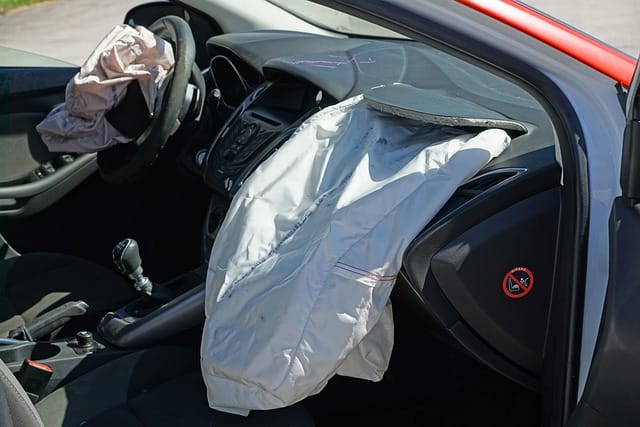
Unlisted driver risk in California extends beyond elevated car insurance costs. In California, all drivers need car insurance. This policy covers any driver, regardless of whether they’re listed on the policy. Missing this step can get you into some serious financial and legal trouble. New or unlisted drivers might not have the same car insurance coverage if they get into an accident.
If you get into an accident, the insurance company may not cover all the expenses. Sometimes, they won’t pay at all, leaving car repair or medical bills to the driver. Unlisted drivers generally do not receive the same benefits as listed drivers. For instance, uninsured motorist coverage may not extend to it. This is a big deal if the other driver is uninsured.
In that case, it’s the unlisted driver who could be hit with all the damage costs. There may be limits or exclusions in the policy. Insurance companies sometimes leverage these holes to reject a claim. This leaves the driver in a hard position, particularly if the collision is severe. California car insurance is pricey, and if a new driver is subsequently listed as a listed driver, the car insurance premiums can soar.
Insurance companies might consider unlisted drivers as high risk, which can spell even higher rates. Being caught as an unlisted driver can mean fines and additional trouble. California law is crystal—everyone has to be covered. That means if your new driver, unlisted, gets pulled over or crashes, the fines can be severe.
This can encompass tickets, the suspension of a license, and other legal actions. These fines compound the financial burden if a crash occurs. That’s what families and new drivers need to know: the true price of being unlisted. Saving a few dollars up front by leaving someone off the policy can backfire.
The risk of being refused coverage, paying for damages and being out-of-pocket, or priced higher later, is real. New drivers and parents need to know the rules and review how policies operate. Shopping between car insurance companies can help you find better rates and coverage. Keeping abreast of California’s insurance statutes and shifting policy practices is crucial to staying out of trouble and keeping costs under control.
Conclusion
Getting new driver car insurance in California can be brutal, but it’s good to understand what you’re up against. Rates begin high because young drivers have more accidents and they don’t have a history. Laws such as Prop 103 can help hold down prices, but you still have to shop for bargains. A clean record, wise decisions and comparison shopping do stretch a long way. Go with the law, but don’t take shortcuts. Even if you’re new, you’ve got ways to save and stay protected. Still have questions or want to contribute with your own tips? Leave your comments/stories below and assist the next new driver.
Frequently Asked Questions
What is the average auto insurance rate for new drivers in California?
New drivers in California are facing car insurance rates that range from $2,500 to $4,000 annually, influenced by age, location, and driving history.
Why are insurance premiums higher for new drivers in California?
New drivers are considered high risk due to their inexperience, leading California insurers to increase car insurance rates to compensate for the greater risk of accidents and claims.
What are the minimum auto insurance requirements in California?
California law mandates a minimum coverage policy of $15,000 for injury or death to one person, $30,000 for multiple persons, and $5,000 for property damage per accident.
How can new drivers in California save money on auto insurance?
New drivers can save on car insurance costs by comparing quotes, maintaining good grades, taking driver safety courses, opting for higher deductibles, and bundling policies for affordable car insurance.
What is Proposition 103 and how does it help drivers?
Proposition 103 requires car insurance companies in California to explain rate hikes and bans illegal pricing, helping to keep car insurance costs rational and visible for everyone behind the wheel.
What happens if an unlisted driver causes an accident in California?
If an unlisted driver crashes, your claim may be rejected or lead to increased car insurance premiums. Ensure all household drivers are listed on your insurance policy for proper car insurance coverage.
Do new drivers in California need full coverage or just the minimum?
Although your state only requires minimum coverage, you should really consider full coverage car insurance for better financial protection, especially if you have a new car or lease.