Emerging trends in health care are constantly evolving. These changes can greatly impact patient care and treatment methods.
One significant trend that demands attention is the integration of artificial intelligence (AI) in health care. AI has the potential to enhance diagnostics, personalize treatment plans, and streamline administrative tasks. As technology advances, AI’s role in health care grows more prominent.
Understanding this trend can help us prepare for future changes in the medical field. This blog will explore why AI is crucial and how it could transform health care practices. By staying informed, we can better adapt to these innovations and improve patient outcomes. Let’s dive into this fascinating trend and its potential impact on the health care industry.
Ai In Diagnostics
Artificial Intelligence (AI) is transforming the health care industry. AI in diagnostics stands out as a significant emerging trend. It promises to enhance diagnostic capabilities, streamline processes, and provide better patient outcomes. Health professionals and patients alike are eager to see how AI will shape the future of medical diagnostics.
Early Disease Detection
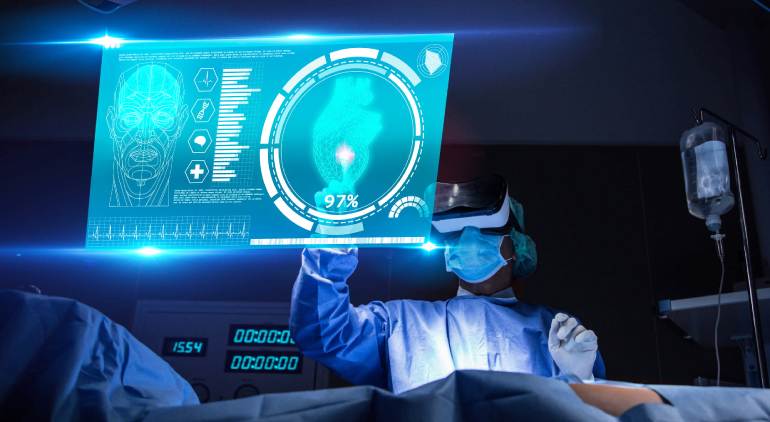
Early detection of diseases can save lives. AI can analyze large amounts of data quickly. This helps in identifying patterns that humans might miss. AI algorithms can detect diseases like cancer at an early stage.
For example, AI can scan mammograms more effectively. It can highlight suspicious areas needing further investigation. This increases the chances of detecting breast cancer early.
Accuracy And Speed
Accuracy and speed are crucial in diagnostics. AI can analyze medical images in seconds. This reduces the waiting time for patients.
AI tools can also reduce human error. They provide consistent and accurate results. This ensures that patients receive the correct diagnosis.
Here is a comparison of traditional methods and AI-powered diagnostics:
| Feature | Traditional Methods | AI-Powered Diagnostics |
|---|---|---|
| Analysis Time | Hours to Days | Seconds to Minutes |
| Accuracy | Varies | High Consistency |
| Error Rate | Higher | Lower |
In summary, AI in diagnostics is an emerging trend worth watching. It offers early disease detection, improved accuracy, and faster results. The future of health care looks promising with AI advancements.
Credit: www.cognihab.com
Ai In Treatment Plans
Artificial Intelligence (AI) is changing health care. It helps doctors make better treatment plans. AI can analyze huge amounts of data quickly. This allows for more accurate and personalized care. Let’s explore two key areas where AI is making a big impact.
Personalized Medicine
Personalized medicine tailors treatment to the individual. AI can analyze a patient’s genetic information. It helps doctors understand how different treatments will work. This means better outcomes for patients.
Doctors can use AI to find the best drugs for each person. AI can also predict side effects. This helps in choosing safer treatments. Overall, AI makes medicine more effective and precise.
Predictive Analytics
Predictive analytics uses data to forecast future health issues. AI can look at a patient’s history and predict problems. This allows for early intervention.
For instance, AI can predict if a patient is likely to develop diabetes. Doctors can then take steps to prevent it. This not only improves health but also reduces costs.
AI can also help in managing chronic diseases. It can predict flare-ups and suggest timely treatments. This helps in better disease management and improves the quality of life for patients.
In summary, AI in treatment plans is a growing trend. It offers personalized medicine and predictive analytics. Both are transforming health care for the better.
Ai In Patient Monitoring
Artificial Intelligence (AI) is transforming healthcare. One of the most promising applications is in patient monitoring. With AI, doctors can watch patients more closely. This can help detect problems early and improve care. It also makes healthcare more efficient.
Remote Monitoring
Remote monitoring allows doctors to watch patients from afar. This is useful for patients with chronic conditions. They do not have to visit the clinic often. Instead, they use devices at home. These devices send data to the doctor. The AI then analyzes this data. It looks for signs of trouble. If it finds any, it alerts the doctor. This can help catch problems early.
Wearable Technology
Wearable technology is another key part of AI in patient monitoring. Devices like smartwatches track health data. They can monitor heart rate, blood pressure, and more. This data is sent to the AI system. The AI looks for patterns. It can spot issues before they become serious. Wearable technology makes it easier for patients to track their health.
Benefits of Wearable Technology:
- Continuous health monitoring
- Early detection of problems
- Convenience for patients
| Feature | Benefit |
|---|---|
| Heart Rate Monitoring | Detects irregularities early |
| Blood Pressure Tracking | Helps manage hypertension |
| Activity Tracking | Encourages healthy habits |
AI in patient monitoring is a growing trend. It offers many benefits. Remote monitoring and wearable technology are two key areas. Together, they can improve healthcare for many people.

Credit: www.cgfns.org
Ai In Administrative Tasks
Artificial Intelligence (AI) is transforming the health care industry. One of the most promising areas is its application in administrative tasks. AI can streamline processes, reduce errors, and free up time for health care professionals. This allows them to focus more on patient care.
Streamlining Operations
AI can streamline operations in health care settings. It can manage patient records, schedule appointments, and handle billing. This automation reduces the need for manual intervention. As a result, there is less room for human error.
AI algorithms can also analyze data quickly. They can identify patterns and predict patient needs. This helps in making informed decisions faster. For example, AI can alert staff to potential issues before they become critical.
| Task | AI Benefit |
|---|---|
| Patient Records | Faster and accurate data management |
| Appointment Scheduling | Efficient and error-free |
| Billing | Automated and precise |
Reducing Administrative Burden
Many health care professionals spend hours on administrative tasks. AI can reduce this burden significantly. By automating repetitive tasks, AI frees up their time. They can then spend more time on patient care.
AI can also improve the accuracy of administrative tasks. This leads to fewer mistakes and better patient outcomes. For instance, AI can verify insurance claims quickly and accurately. This reduces delays and improves patient satisfaction.
- Automated data entry: Reduces errors and saves time.
- Claims processing: Faster and more accurate.
- Resource allocation: Efficient and effective use of resources.
Overall, AI in administrative tasks can enhance efficiency. It can provide better service for patients and reduce stress for health care workers.
Ai In Drug Discovery
The integration of Artificial Intelligence (AI) in Drug Discovery is reshaping the healthcare landscape. AI offers unprecedented potential in identifying new drugs more efficiently. This emerging trend must be closely watched as it promises significant advancements.
Accelerated Research
AI algorithms can sift through vast datasets faster than humans. This accelerates the research phase of drug discovery. Traditional methods could take years to identify potential drug candidates. AI reduces this to months or even weeks.
AI models can predict how different compounds interact with the human body. This helps scientists focus on the most promising candidates early on.
Furthermore, AI can analyze past clinical trial data. This improves the design of new trials, enhancing their chances of success.
Cost Reduction
The cost of drug discovery is a significant barrier. AI helps reduce these costs in several ways:
- AI reduces the need for extensive lab tests. It predicts outcomes using virtual simulations.
- AI identifies the most effective drug combinations. This minimizes the number of failed experiments.
- AI optimizes the manufacturing process. It predicts potential issues before they arise.
A study showed that using AI in drug discovery could save up to 20% of costs. This makes treatments more affordable for patients.
The potential of AI in drug discovery is vast. It promises faster, cost-effective solutions, making it a key trend to watch in healthcare.
Credit: www.healthcatalyst.com
Ai In Medical Imaging
Artificial Intelligence (AI) is transforming many sectors, and healthcare is no exception. One of the most promising areas is AI in Medical Imaging. This technology helps doctors analyze medical images more accurately and quickly. It is a significant development in the healthcare industry.
Enhanced Image Analysis
AI algorithms can analyze medical images with great precision. They can detect abnormalities that human eyes might miss. This helps in identifying diseases at an early stage. These algorithms learn from thousands of images and improve over time.
Doctors can use AI to spot minute details in X-rays, MRIs, and CT scans. This enhanced image analysis leads to better treatment plans. Patients receive care based on more accurate information.
Faster Diagnosis
AI speeds up the diagnostic process. Traditional methods can take hours or even days. With AI, results are available in minutes. This is crucial in emergencies where time is of the essence.
For example, AI can quickly identify a stroke in a CT scan. Immediate treatment can then be started, improving the patient’s chances of recovery. Faster diagnosis also means less waiting time for patients, reducing their anxiety.
Overall, AI in Medical Imaging is a significant trend to watch. It enhances image analysis and speeds up diagnosis, improving patient outcomes.
Ai And Data Security
Emerging trends in health care are transforming how patient data is handled. One such trend is the use of Artificial Intelligence (AI) in managing data security. AI offers advanced solutions for protecting sensitive health information. But it also raises questions about privacy and ethics.
Protecting Patient Information
AI systems can detect unusual activities in real-time. This helps in preventing data breaches. Hospitals and clinics store a vast amount of personal data. Protecting this data is crucial.
AI can encrypt data effectively. This ensures that only authorized personnel can access patient records. It can also monitor and track access to these records. This adds an extra layer of security.
AI uses machine learning to predict potential threats. It analyzes patterns and flags any suspicious behavior. This helps in taking preventive measures early.
| AI Feature | Benefit |
|---|---|
| Real-time Monitoring | Prevents Data Breaches |
| Data Encryption | Secures Patient Records |
| Access Tracking | Controls Unauthorized Access |
| Threat Prediction | Enables Preventive Measures |
Ethical Considerations
AI in health care brings ethical challenges. One major concern is the privacy of patient data. AI systems handle sensitive information. Ensuring this data is not misused is a priority.
Transparency is another ethical issue. Patients need to know how their data is being used. They should be informed about the AI processes involved in their care.
Bias in AI algorithms can affect patient care. Algorithms should be designed to be fair and unbiased. Regular audits are necessary to check for any biases.
Patient consent is vital. Patients should have the right to opt-in or out. Their consent must be obtained before using their data in AI systems.
- Ensure data privacy
- Maintain transparency
- Eliminate algorithm bias
- Obtain patient consent
AI and data security are crucial in modern health care. Protecting patient information and addressing ethical concerns are key. As technology advances, these aspects will need constant attention.
Future Of Ai In Health Care
Artificial Intelligence (AI) is transforming many sectors, including health care. AI has the potential to enhance efficiency and improve patient outcomes. This emerging trend offers many opportunities but also presents challenges. Here, we explore the future of AI in health care.
Potential Challenges
AI in health care faces several challenges. One of the main issues is data privacy. Patient data must be secure. This is crucial to gain trust.
Another challenge is accuracy. AI systems must be reliable. They should provide correct diagnoses and treatment plans.
There is also the issue of cost. Implementing AI technology can be expensive. Not all health care facilities can afford it.
| Challenge | Description |
|---|---|
| Data Privacy | Ensuring patient data is secure and confidential. |
| Accuracy | AI must provide reliable and correct information. |
| Cost | High expenses involved in implementing AI technology. |
Long-term Benefits
Despite challenges, AI offers significant long-term benefits. First, it can reduce workload for health care professionals. AI can handle routine tasks.
AI can also enhance patient care. It can analyze large amounts of data. This helps in making better treatment decisions.
AI can also lead to cost savings in the long run. By improving efficiency, it can reduce overall expenses. This is beneficial for both facilities and patients.
- Reduced workload for professionals
- Enhanced patient care
- Long-term cost savings
Frequently Asked Questions
What Is The Latest Trend In Health Care?
Telehealth is the latest trend in health care. It allows patients to consult doctors remotely. This trend has grown significantly during the pandemic.
How Is Ai Impacting Health Care?
AI impacts health care by improving diagnostics and personalizing treatment plans. It helps in analyzing large datasets quickly and accurately.
Why Is Wearable Technology Important In Health Care?
Wearable technology monitors vital signs in real-time. It helps in early detection of health issues and promotes proactive care.
What Role Does Big Data Play In Health Care?
Big data helps in predicting disease outbreaks and improving patient care. It provides valuable insights by analyzing large volumes of health data.
Conclusion
Staying current with emerging health care trends is vital. These trends shape patient care and treatment options. Health professionals must adapt to new technologies and practices. This ensures better outcomes for patients. Regular updates and training help in this process.
Also, patients benefit from improved services. Keeping an eye on these changes is crucial. It helps everyone involved. Let’s embrace these trends for a healthier future.
You might be interested in exploring more about the fascinating intersection of technology and health care. Speaking of artificial intelligence, you can learn more about its applications in our daily lives by checking out the Artificial Intelligence page on Wikipedia. Additionally, wearable technology plays a crucial role in monitoring health and promoting proactive care; discover how it works by visiting the Wearable Technology article. Lastly, understanding the impact of big data in health care is essential for grasping how decisions are made. You can find valuable insights in the Big Data entry. Dive into these resources to further enhance your knowledge on these emerging trends!
2 thoughts on “What Emerging Trend in Health Care Will Need to Be Watched: AI Innovations”