Dwelling replacement cost coverage covers to rebuild your home at today’s prices if it burns or is otherwise wiped out by a different covered peril anywhere in California wildfire zones or Gulf Coast hurricane belts.
No depreciation nibbles at your pocket when wood surges $600 for 1,000 board feet again next month. The majority of insurers add on 25% additional protection by default, but you can increase it at renewal.
Read further before you sign off on limits this year.
Understanding Dwelling Replacement Cost
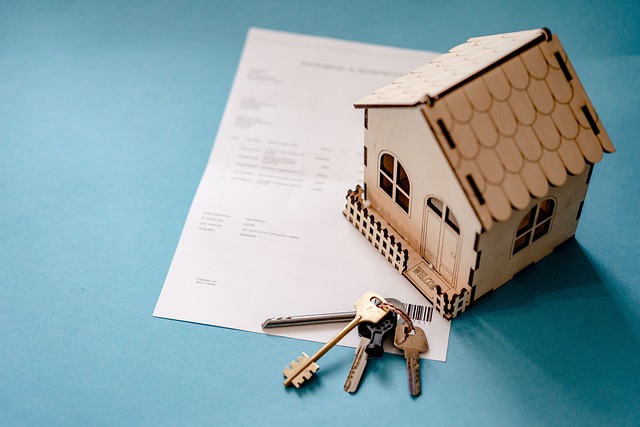
Replacement cost is the amount it would cost to fully replace your home with the same quality materials at current labor and material prices. It doesn’t care what you paid in 2015 or what Zillow says today. It cares about the replacement cost of two-by-fours, drywall, and plumber hours in your zip code.
Market value is another matter. Market value adds in land, school district buzz and the view. A little 1920s bungalow in San Diego can sell for $950,000 but might require only $340,000 to replace if it burned.
Flip the scene: a roomy ranch on five acres in rural Ohio might sell for $220,000 but costs $310,000 to reconstruct since quality brick and skilled trades are scarce.
Dwelling replacement cost includes:
- framing, roofing, siding
- wiring, plumbing, hvac
- built-in appliances and fixtures
- debris haul-off and permits
Insurers made replacement cost coverage the default since everyone wants their house back, not a check that gets smaller every year.
1. The Core Promise
Her policy promises to cover replacement cost up to the dwelling limit, with no deduction for depreciation. You won’t be told that your 12-year-old roof is worth a half. Instead, the company writes checks in draws as the builder submits invoices for poured slab, framed walls, and finished paint.
If the bill comes to $290,000 and your limit is $300,000, you are set. If it goes to $330,000, you’ll want extended replacement-cost endorsements that add on another 25 to 30 percent.
2. Rebuilding, Not Reselling
Replacement cost discounts comps and bidding wars follow lumber futures and local wage rates. Following the Bobcat fire in L.A., even homes with market values that had plummeted to $520,000 required $680,000 to rebuild since new fire codes required sprinkler systems and stucco wraps.
This policy rebuilds on the same lot notwithstanding the real estate market tanks.
3. Beyond The Structure
That figure on your declarations page includes attached garage, deck, screened porch, and built-in Sub-Zero fridge. It bypasses land value, koi pond, maple grove, and detached shed.
Those are covered under “other structures” limited to 10% of dwelling except you purchase additional.
4. Actual Cash Value
Actual cash value is replacement cost less age and wear. That new $18,000 22-year-old composite roof might bring $7,000 after depreciation. Choose ACV to save perhaps $180 a year and you might pay $40,000 out-of-pocket when embers strike.
Most agents push owners to RCV except the house is a teardown.
: know your rebuild number before disaster knocks.
How Is Your Cost Calculated?
Snag the most recent building cost per square foot from a local Marshall & Swift index or the carrier’s online tool. Great, now multiply your finished square feet by that number. Then add money for each extra, say a three-story stair rail, 10-foot ceilings, or that 400-square-foot deck.
Fold in code upgrade costs. If L.A. Now asks for fire-rated sheathing and sprinklers, add $8 to $12 per square foot. Turn on the inflation guard, as most carriers automatically increase by 4 percent a year, and add ordinance coverage so you’re not left footing the bill for new foundation bolts post-quake.
Snap photos, laser measure each room, and toss receipts into a cloud folder. This action slices claim time by weeks.
Insurer’s Assessment
The adjuster arrives, tape measure in hand, recording wall length, ceiling height, and all built-in benches. After the analysis, you receive a print-out: 1,850 square feet times $260 equals a replacement cost value of $481,000. If you believe the kitchen’s custom teak is undervalued, adjust your invoice; they’ll increase the amount before you sign.
Local Labor Rates
Zip 90230 union carpenters now go for $68 an hour, non-union $48. That difference can shift a 2,000-sq-ft rebuild estimate by $40,000. Once Malibu burns, riders and crews out of town and wages go up 30%.
Insurers re-price every quarter, so your renewal could jump albeit if you didn’t claim.
Material Costs
Lumber futures dipped last spring but drywall doubled. The net effect is still a seven percent increase on the majority of quotes. Copper pipe exploded to four dollars a foot post-port backlog; add two thousand dollars for the typical three-bath house.
City energy codes now demand R-38 attic batts and low-e windows, which adds an additional six thousand dollars or your check is going to bounce when you rebuild.
Unique Home Features
Hand-forged wrought-iron rails or that Italian calacatta slab don’t belong in the basic calculator. List them on a timed endorsement or they’re limited to $5k combined.
Shoot close-ups of the grain, PDF invoices saved in a folder called “extras,” and e-mail it to the underwriter so nothing slips.
What Are Your Coverage Options?
Choose a foundation of 100 percent replacement cost value for your home, then stack additional padding. Insurance companies group these choices into three buckets: standard, extended replacement cost coverage, and guaranteed. Each establishes a firm limit on the dwelling coverage amount you can receive following a fire, wind, or total loss.
Standard 100 percent replacement cost pays up to the dwelling limit stated on your dec page, no more.
Extended replacement extends that limit by 25 percent or 50 percent for a small added premium.
Guaranteed replacement promises to cover the full rebuild despite the invoice triples. Hardly any companies still provide it.
Standard Replacement
You receive the precise dwelling limit listed on the declarations page. Once that number is reached, the check ends. A 2,200 sq ft home covered at $400,000 produces $400,000 tops, although if lumber jumps 30% next month.
This flat limit serves best in towns where build costs remain stable. Think Columbus, Ohio, not wildfire zones outside L.A. Where labor and code upgrades fluctuate quickly. Keep in mind the 80% rule. If your $500,000 replacement house is insured for only $375,000, the company can prorate every partial claim, leaving you to fund the gap.
Extended Replacement
Activate an additional 25%, 50%, or a fixed dollar amount in addition to the dwelling limit following a total loss. A $300,000 base policy with a 50% extension gives you as much as $450,000.
You pay a modest extra premium, typically $60 to $140 a year on most California homes, to sidestep an out-of-pocket shock when neighborhood rebuild costs soar post-wildfire clusters. The endorsement absorbs code-upgrade fees, like required sprinkler installs, that the base limit overlooks.
Note: you still need to insure to at least 80% of full replacement value or the extension shrinks in the same ratio.
Guaranteed Replacement
Get a pledge to rebuild notwithstanding if it costs twice as much. Few carriers still provide it. Expect stricter underwriting. Homes built within 25 years, fire-resistant roofs, and monitored alarms are often required.
Your company might cap at $1 million or require annual inspections, but the payout can soar beyond any number on your policy. Premiums are around 8 to 12 percent higher than regular rates, but in high-risk areas where rebuild bids jump 90 percent post-catastrophe, that charge can spare owners six-figure deficits.
Save pictures, receipts, and upgrade documentation. Adjusters audit each and every nail to verify the home was built to original specs.
The Underinsurance Catastrophe

This is the underinsurance catastrophe. When a wildfire or windstorm strikes, the check falls tens, sometimes hundreds, of thousands shy of the replacement cost value. The gap in dwelling coverage often grows with every year that lumber, drywall, and roofer wages outpace the fixed number on the home insurance policy declarations page.
The Inflation Gap
Run an online replacement-cost calculator each January. If local construction costs creep up 5%, call the agent that week. A six to eight percent annual increase in materials and labor is now commonplace.
After just three years, a $400,000 limit silently morphs into a $320,000 reality. Carriers that continue to provide an “inflation-guard” endorsement will increase the dwelling limit each quarter for a few additional dollars of premium. Take it since your own market chase always lags.
Static limits seem safe until the adjuster provides the initial estimate. A 2×4 that was $3.20 in 2019 now costs more than $6 on the West Coast, and electricians are charging $125 an hour in the Denver suburbs.
To compound these jumps, most policies freeze the number at policy inception. Without the guard rider, the homeowner absorbs every additional point.
Unreported Renovations
Notify the agent about the finished basement, the quartz island or new deck within 30 days. Permits and invoices enter a communal google folder. They are the speediest evidence when the claims adjuster explains why the blackened slab reveals copper plumbing and radiant heat that the 2015 policy never covered.
A bathroom gut job that adds $18,000 of value can void partial claims if the insurer never saw the update. One Tampa family was out $42,000 on a fire-damaged great room since the new square footage was never sent in.
The carrier imposed pro-rata penalties pursuant to the “80 % rule.” Save receipts for each and every upgrade. A kitchen renovation that trades laminate for walnut cabinets and commercial-grade appliances can increase replacement cost by $60,000.
A lot of homeowners neglect to send the bill. If the house burns, the adjuster uses the old grade of finishes and leaves the owner to cover the difference.
Post-Disaster Demand
Following a regional catastrophe, rebuild bids surge by 20 to 50 percent. Out-of-state crews rent motels at triple the rate, cities add emergency fees on permits, and lumber yards get depleted. Normal policies cover the pre-storm cost.
Only extended or guaranteed replacement-cost policies take the hit for the surge. A family in Santa Rosa got that math lesson the hard way. Their 1990 limit was $485,000, yet after the 2017 Tubbs Fire, the cheapest builder bid came in at $720,000.
They cashed retirement funds and took a loan to close the $235,000 gap, which money a 25% extended option would have paid for with a $90 extra premium per year. Contractor scarcity is real: one FEMA study counted four available crews for every ten jobs after Hurricane Laura.
Emergency ordinances, such as required fire resistant siding in California foothills, tack another $15,000 onto the average 2,000 sq ft home. Without the extended option, those dollars come right out of the owner’s pocket.
Market Value vs. Replacement Cost
Market value is what a purchaser will pay now. It folds in the dirt under the house, the view, the school zone, and the ten-minute hop to the 405. Replacement cost value disregards all of that. It is just saying, ‘If this place burns, how many bucks for new studs, roof trusses, and plumbers tape?’ Land is not in the quote since the land remains after a fire.
In LA, a 1,400 sq ft Silver Lake bungalow might fetch $1.3 million since the lot is rare and commuters dig the bike path. The same house would now cost about $380,000 to rebuild stick for stick at current union wages and city permit fees. The difference, about $920,000, is location, not lumber.
Turn the map over to rural Kern County. A comparable 1,400-square-foot house on an acre outside of Bakersfield could go for $280,000. Rebuilding it still costs $350,000, since concrete, drywall, and electricians cost the same in the valley as by the beach. Here, replacement cost insurance exceeds market value by $70,000. Insuring for sale price alone would leave the owner short by that same gap if a wildfire whips through.
Item | Market Value Example (Silver Lake) | Replacement Cost Same House |
|---|---|---|
Land | $750,000 | $0 (excluded) |
Structure | $380,000 | $380,000 |
Location premium | $170,000 | $0 |
Total | $1.3 million | $380,000 |
Insurance rules out the left column. Carriers dispatch estimating software that tallies square feet, roof class, and garage stalls, then add local debris haul-off and $15K for green-code enhancements. That becomes the dwelling coverage limit.
Most agents then increase it by 25% so the client lands at 100% of replacement at claim time. That number drifts each year as two-by-fours, copper wire, and roofer pay increase, albeit if Zillow says the home depreciated 5% last quarter. A house that cost $200 per square foot to frame in 2020 can go to $260 in 2024 after lumber tariffs and labor shortages.
Market value, conversely, could tumble if mortgage rates soar. Ask, ‘How much to rebuild today?’ not ‘What did Redfin guess?’ Keep the policy limit pegged to that rebuild number, review it at renewal, and add extended replacement cost coverage of 25 to 50 percent extra so a sudden jump in plywood doesn’t leave you paying.
Proactively Manage Your Policy

Most agents will carve out 30 minutes that January to go through your home specs line by line. Bring a tape measure and your phone. Measure the porch you closed in, your new 120-square-foot pantry, and that she-shed you wired last summer. This ensures you have an accurate assessment for your home insurance policy.
Have the agent pull the most recent Marshall & Swift / Boeckh report for your ZIP. If local framers are charging $210 a stud these days instead of $175, that 20 percent increase needs to hit your dwelling coverage limit that same week. One Eagle Rock client skipped this step, retained a $420,000 limit, and post the 2021 fire received a check for only $336,000—exactly 80 percent of the new rebuild cost—leaving her to cover $84,000 out of pocket to complete the house due to inadequate replacement cost insurance.
Open a shared Google Drive folder titled ‘House 2024’. Take a 30-second video of each room, fling open each drawer, and capture the serial numbers of the new Bosch fridge and LG washer. This documentation is crucial for making claims under your homeowners insurance policy.
When the contractor adds $18,000 of quartz counters, snap the invoice and drag it into the folder the same night. If the roof deck becomes a $12,000 solar array, include the permit. Cloud files time-stamp themselves, so the adjuster sees evidence the enhancements occurred prior to the covered loss.
Once every couple of springs, email your underwriter and request a new 360Value or equivalent report. If the index has a 10 percent leap in lumber and drywall, increase the dwelling limit that day. Most insurers allow you to increase coverage without a new inspection, ensuring you maintain adequate dwelling coverage.
A $500,000 house that creeps to $550,000 requires at least $440,000 of insurance to remain inside the 80 percent rule. Less than that triggers the dreaded co-insurance penalty where you eat part of the loss, emphasizing the importance of having enough coverage.
Quick checklist to keep the policy tight:
- Schedule the annual ‘insurance exam’ the week you renew your tags.
- Upload receipts and photos to the cloud the same day work ends.
- Actively control your policy. Request a new cost report when lumber or labor posts a 10% increase.
- Reset the dwelling limit the instant the calculation indicates you fell below 80%.
Conclusion
Now you hold the key facts. Insure your home for dwelling replacement cost coverage. Review your policy annually and with every remodel. Take pictures, keep receipts, and forward them to your agent. If lumber spikes or the local crews ask for more, call and increase your limit the same day. A ten-minute check now trumps a ten-month battle with the insurer later. Snatch your most recent statement, call the 800 number on page one, and request a cost-of-living rider. That little step guarantees a warm, dry rebuild regardless of what Mother Nature throws at you.
Frequently Asked Questions
What is dwelling replacement cost coverage?
It pays to replace your L.A. abode at current prices, including labor, permits, and lumber, ensuring you have enough dwelling coverage without footing the difference.
How do I know if I’m underinsured?
Take a local builder’s bid, add city permits, and compare it to your dwelling coverage limit. If the bid exceeds this limit, you’re underinsured.
Does replacement cost include my lot value?
No, land remains yours. Coverage only pays to rebuild the physical structure, not the soil under your Hancock Park palms.
Will my policy auto-rise with inflation?
Some do, some don’t. Inquire with your insurance agent about yearly endorsements or ‘guard inflation’ that follow SoCal building cost indexes for adequate dwelling coverage.
Is market value the same as replacement cost?
Nope. The $1 million Silver Lake sale includes land. The rebuilding might cost $600,000 or $1.2 million, depending on the replacement cost value of materials right now.
How often should I recalculate?
Annually, and immediately following any remodel, room addition, or changes due to L.A.’s latest adoption of heightened seismic codes, homeowners need to ensure they have enough dwelling coverage.