Fully comprehensive car insurance coverage is a policy that pays for damage to your car and to others, even when you’re at fault. In the US, it tends to contain liability, collision, and comprehensive coverage, along with things like roadside assistance, rental car coverage, and glass repair.
Coverage may include theft, fire, vandalism, flood, and hail. Policy limits, deductibles, and exclusions differ by state and insurer. To be explicit, the following section outlines what’s covered and what’s not.
What is Fully Comprehensive Car Insurance?
Fully comprehensive car insurance includes damage to your vehicle from non-collision related events, such as theft, fire, vandalism, weather, falling objects, and animal strikes, in addition to basic liability and collision. It covers your vehicle for various uncontrollable risks and is typically mandated by lenders or lessors.
Programs run a comprehensive deductible, usually ranging from $50 to $2,000 or higher. Lower deductibles reduce out-of-pocket expenses at claim time but increase premiums. High deductibles do the opposite. Pick a level that suits your cash buffer along with the car’s value. For older vehicles, it might not make sense to pay for comprehensive coverage if repair expenses can outweigh the value of the vehicle.
1. Weather Damage
Comprehensive usually includes hail, floods, hurricanes, tornadoes, windstorms, lightning, and wildfires. These events fall outside of collision and liability, which is why this add-on is so important in many parts of the U.S.
Weather fixes become expensive quickly. Hail can mean a complete roof and hood reskin. Floods can ruin electronics and wind-blown debris can ding panels. It covers whether the car is driving on the freeway or parked at home.
Review your plan for limitations related to storm surge, rising water, or named storms, and verify how the deductible is imposed for every claim.
2. Animal Collisions
Hitting a deer, elk, or stray animal is a comprehensive claim, not a collision. That distinction goes a long way for drivers in rural corridors or heavy wildlife movement areas, where dusk and dawn danger is increased.
Damage can be crushed fenders, broken radiators, and airbags. Expenses accumulate and complete assists cover the strike. Recap how to file: police report, photos, location, and time so claims go through without holdups.
3. Theft and Vandalism
Comprehensive covers stolen vehicles, break-ins, catalytic converter theft, keyed doors, smashed windows or attempted theft damage. Even stolen bits add up, like wheels or headlights.
Personal belongings, such as laptops and bags, are typically excluded; that is a homeowners or renters insurance matter. Add anti-theft gear, such as an alarm, immobilizer, or GPS, to reduce risk and potentially lower premiums, which can balance a low deductible pick.
4. Falling Objects
Damage caused by tree limbs, roof tiles, construction debris or tools dropped from a worksite is comprehensive. These hits are typically excluded elsewhere.
City motorists and street parkers experience increased exposure, particularly beneath trees or scaffolding. Record the scene, record the time and place, take wide and close photos, and save any witness details to help the claim.
5. Fire and Explosions
Fire or total loss, accidental, mechanical, garage, arson, Comprehensive covers. Claims frequently require an investigation, photos, fire reports, and repair estimates before a payout.
Check exclusions, deductible, and how the insurer values the car if it is totaled. In a covered claim, you pay the deductible first, and the carrier pays the rest up to the car’s actual cash value.
Comprehensive vs. Collision Insurance

Comprehensive covers non-collision events, collision covers crash. Together, they’re commonly referred to as “full coverage,” in spite of the fact that neither covers medical or personal injury expenses. Both employ deductibles, typically between $500 and $1,000, which can reduce premiums if you choose a higher one but increase your out-of-pocket expenses at claim time.
Prices differ based on your car, your driving history, and your location, and they’re not mandatory in all states (liability is). Choose based on your car’s worth, your cash cushion, and risk appetite.
Covered scenarios at a glance:
- Comprehensive: Theft, weather (hail, wind, flood), vandalism, animal strikes, broken glass, non-collision fire.
- Collision: hitting a guardrail, another car, a pole, or a curb; single-vehicle rollovers.
Coverage Type | Examples Covered | Not Covered |
|---|---|---|
Comprehensive | Theft, vandalism, hail, flood, fire (non-collision), falling tree limbs, shattered windshield, deer strike | Crash damage you cause, injuries, wear and tear |
Collision | You hit a car/object, someone hits you and you use your policy, single-car crash, pothole impact damage | Non-crash losses, injuries, mechanical breakdown |
Purchasing both expands coverage and increases overall premium. If you drive in LA, for example, high theft and dense traffic can make both coverages valuable for a newer or financed vehicle.
Your Fault
Collision pays for your car if you caused the crash, whether you rear-end a sedan on the 405 or clip a parking structure pillar. Comprehensive is not going to pay for that impact repair, nor do you need it to.
It still covers non-collision loss events. If your car was stolen last month or glass was smashed in a Santa Ana windstorm, comprehensive can answer, even with an at-fault wreck on your slate.
At-fault accidents usually increase rates for collision and comprehensive insurance since total risk seems greater to the insurer. Review your MVR and recent claims before renewal so you can estimate probable changes and modify deductibles or limits with purpose.
Other’s Fault
If another driver is responsible, their liability insurance should cover your property damage. You don’t use comprehensive insurance to recoup damages from a well-insured at-fault driver.
If they have insufficient or no insurance, uninsured/underinsured motorist property damage coverage can take over. In CA, this add-on is a frequent and valuable option to contemplate in cities.
Document the scene: photos, location, time, witness contacts, and the other driver’s insurance and license details. Clean records make claims go faster.
No Fault
Comprehensive covers damage no one was culpable for. For example, a palm frond falls and dents your hood, hail hits during your mountain trip, or a garage fire occurs that is unrelated to the crash.
You file under comprehensive, pay your deductible, and the insurer takes care of the rest. Save receipts, theft police reports, and repair estimates to expedite things.
No-fault” state laws primarily impact injury claims. Property damage from non-collision events still falls under comprehensive, not PIP.
What Comprehensive Insurance Excludes
Comprehensive covers non-collision losses, but it’s not all-risk coverage. Wear and tear, mechanical failure, intentional damage, racing or reckless use, business use without an endorsement, unapproved drivers, and coverage beyond the United States are all excluded from most plans.
For covered vehicles, some policies have coverage limits for older vehicles or exclude extraordinary events such as war or nuclear hazards. Take a look at your declarations page and your exclusions before you buy.
- Normal wear and tear
- Mechanical or electrical breakdowns
- Intentional damage or fraud
- Racing or track events
- Commercial use without an endorsement
- Unauthorized or excluded drivers
- Use outside the United States
- War, nuclear events
- Personal items in the car
- Certain limits for older vehicles
Wear and Tear
Wear and tear denotes gradual loss of functionality from everyday use. Comprehensive insurance doesn’t cover it. Thinning brakes, tread-worn tires, faded clear coat, squeaky belts, or a sagging headliner count as maintenance not insurance.
These repairs are on the owner, despite the car breaks down on the freeway or in inclement weather. Forgotten oil changes or late brake service can result in claim denials when damage obviously arises from negligence.
Get the jump on routine service intervals, tire rotations, and fluid checks. Save receipts. It helps prevent claim disputes and protects against having abrupt covered losses misattributed to wear.
Mechanical Failure
Mechanical or electrical breakdown would be excluded in comprehensive. A seized engine, slipping transmission, dead hybrid battery pack, or failed alternator are maintenance issues, not insurable events.
Think about an extended warranty or mechanical breakdown insurance if you desire assistance with large repair bills. These products can cover parts and labor that auto insurance won’t.
Maintain service records and diagnostic reports. They assist in isolating an unexpected covered loss, such as hail damage that smashes a sensor from a nagging issue that was already broken.
Personal Belongings
Comprehensive doesn’t cover theft or damage to personal items in your car. Laptops, tools, strollers, gym bags, or sunglasses are typically excluded.
Put homeowners or renters insurance to those and off-premises limits and deductibles. Most policies limit theft from vehicles except you purchase endorsements.
Take valuables or lock them out of sight to reduce hazard. Only permanently installed components, such as a factory navigation system or bolted down stereo, count as parts of the car.
Intentional Damage
Damage you cause intentionally or with your consent is excluded. Staged crashes, fake theft claims, or self-keying your car negate claims and can cause cancellation of coverage.
There are legal risks as well, with the possibility of fines and even prosecution for fraud. Be precise on a loss when you claim and provide context upfront so the claim holds.
Racing and track days or timed events along with driving outside the US without coverage are additionally excluded. Some carriers allow the omission of certain drivers such as those with DUIs from coverage, thereby lowering premiums, but they have no coverage either.
Policies will limit comprehensive on older cars; terms vary by insurer.
The “Drive Any Car” Myth
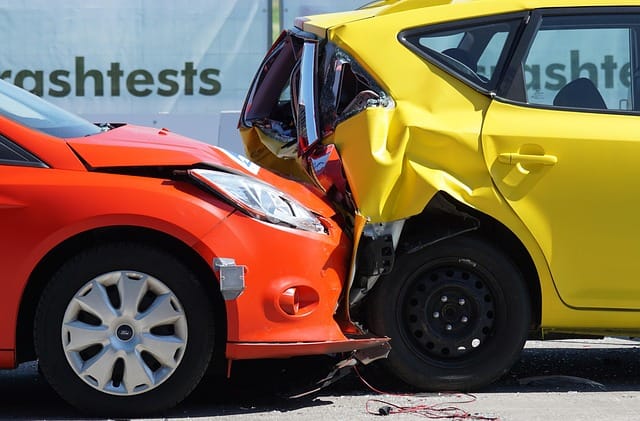
About: The ‘Drive Any Car’ Myth Completely coverage in the US does not mean you can jump in any car and be fully protected. Most policies bind comprehensive and collision to the named vehicles on your declarations page.
If you drive a friend’s car and they don’t insure you or list you, you could be uninsured for damage to that car and may only have whatever liability the car owner’s policy permits. Some carriers add named-driver or permissive-use clauses, but rules differ.
Most policies exclude drivers under 25 from all ‘drive any car’ privileges. They were looser in the past, but are tighter today. Read your policy, listen to your agent, and check before you drive!
A UK Concept
Drive other cars” (DOC) is a UK feature, not a standard U.S. Comprehensive provision. It used to be the standard backstop, but it is now far less ubiquitous.
Where it does exist, DOC is usually third-party liability only. You could potentially meet minimum legal obligations in the event you injure someone or cause property damage, but the borrowed car’s damage is not protected.
If you bump a neighbor’s sedan, DOC may pay the other party and not the repair on the sedan you drove. UK drivers need to verify if DOC is included, if age restrictions apply, and if the cover is effective only when the other vehicle is insured.
Quite a few insurers exclude coverage if you’re under 25 or exclude high-risk vehicles. DOC is intended for one-off emergencies, such as moving your car out of danger, not for school runs or weekend getaways. Regular use can violate terms and cancel cover.
US Permissive Use
Permissive use is when the car owner says yes to you driving and their policy might cover temporary use. The extent varies by insurer, state law, and the specific policy.
Others reduce limits for permissive drivers or exclude comprehensive and collision. Comprehensive typically goes with the car, but that doesn’t promise the same limits or deductibles for a permissive driver.
If you borrow your coworker’s SUV and smack into a deer, the owner’s comprehensive could come into play except the policy particularly limits it. Primary coverage is usually for the car, not the driver, and a lot of policies exclude regular non-listed users.
Others exclude drivers under 25 from volitional advantages. Check with your insurer before lending or borrowing. Get approval, record it (a text suffices), and understand the deductibles and gap regions.
Non-Owner Policies
Non-owner insurance provides liability coverage for individuals who don’t own a car but drive others’ cars occasionally. It helps satisfy state financial responsibility and provides a backstop if the car owner’s limits are low.
Seldom does it cover comprehensive or collision. If you wreck the rented car, you will probably pay yourself. It suits those who rent a lot, use car share, or borrow from family.
It is not for routine use of a single car, as insurers anticipate you will be on that car’s policy. If you require more extensive protection, shop non-owner policies, investigate endorsements and consider rental company damage waivers.
Note: in some regions, driving without proper cover risks heavy penalties. For UK readers, fines can reach £5,000 in court.
Should You Get Comprehensive Coverage?
Comprehensive covers non-crash damage, including theft, vandalism, fire, hail, flood, falling trees, glass, and animal strikes. It finally comes down to your car’s value, where you live, and how much risk your budget can bear.
Gauge your car’s market value: check actual cash value (ACV) on sites like Kelley Blue Book, then compare to your premium plus deductible. If premiums a year or two away come close to a healthy chunk of ACV, think again.
Check lender rules: If you lease or finance, your contract likely requires comprehensive. Dropping it could violate terms.
Review risk exposure: garage or street parking, local theft trends, storm frequency, wildfire or flood zones, deer activity on your commute, and miles driven all matter.
Test your cash buffer: if you can’t afford a sudden $3,000 to $15,000 repair or total loss, comprehensive is a useful backstop.
Adjust deductible: Higher deductibles cut premiums but raise what you pay after a claim. Select an amount you can handle today.
Compare coverage value: Comprehensive is often a better value for the money than collision. If you have to trim, prune shrewdly.
Consider ownership and means: If you own a new or newish car outright and can buy another if needed, you may skip it. If not, leave it.
Your Car’s Value
Factor | What to Check | Lean Keep | Lean Drop |
|---|---|---|---|
ACV vs premium | Annual premium + deductible vs ACV | Low cost vs high ACV | High cost vs low ACV |
Age/mileage | New, luxury, EV, ADAS parts | Expensive parts | Old, high miles |
Repair costs | Glass, sensors, paint | Costly tech | Exceeds car worth |
Replacement need | Need wheels next day | No backup car | Have backup |
For older, low-value cars where one big fix can easily top the car’s value, dropping comprehensive makes sense. New or high-value vehicles benefit most, particularly those that are outfitted with expensive sensors and glass.
See ACV versus replacement cost. If a total loss creates a hole you can’t fill, coverage provides a lifeline.
Your Location
Urban areas typically have higher theft and vandalism rates, so comprehensive coverage assists if you street park or utilize public garages. Check out local police data and insurer heat maps.
Rural or wooded routes increase animal-collision risk. In most states, deer peaks occur during the fall and during dawn or dusk. Add on storm risks: hail in the plains, hurricanes along the Gulf and Atlantic, wildfires in the West, and flash flooding in low zones.
Consider your local crime and weather stats, along with your parking situation to determine true risk.
Your Savings
If paying out-of-pocket for a total loss would derail your budget, comprehensive can shield you from a hard hit. It purchases peace of mind against non-collision events you cannot control.
A higher deductible cuts your premiums. You have to be prepared to pay that amount post-claim. Run the math. Estimate likely repair or replacement costs, compare them to annual premium savings at different deductibles, and check break-even.
If you lease or finance, expect to keep comprehensive. If you drive an older vehicle and your coverage premium cost now outpaces your vehicle’s worth, drop it.
Navigating Your Policy and Claims
Knowing your existing insurance policy well will help you make informed decisions on coverage, deductibles, and claims. Document your car’s condition and service, keep photos and receipts, and log incidents.
Navigate Your Policy and Claims — Know your insurer’s go-to shops, rental rules, and claims process in your state. Be sure to update your policy after big changes, such as a new car, new address, teen driver, or added lienholder, so coverage and premiums remain accurate.
Choosing a Deductible
Choose a smart deductible that balances premium savings and the cash you can afford to pay after a loss. Higher deductibles decrease your monthly payment, but you will have more to pay when you make a claim.
Raising your deductible typically lowers your overall premium, whereas comprehensive coverage is often significantly less expensive than collision coverage. Run the numbers with actual figures. If increasing the comprehensive deductible from $250 to $500 reduces your premium by $8 a month, that’s $96 annually.
Two years of savings is $192, which may or may not be worth the additional $250 at claim time. If you infrequently file a claim and maintain a $1,000 emergency fund, a $500 or $1,000 deductible might be reasonable. If cash is tight, a $250 or $500 deductible might be safer, even with a higher premium.
See how an at-fault claim could increase rates by 5% on average. If your insurer surcharges, the dollar-saving lead of a high deductible may shrink after a claim. Pick a deductible you can afford to pay tomorrow without a loan or credit card.
The Claims Process
Get out of your own way and report incidents promptly to your carrier through the app or phone. It is crucial to notify the authorities right away after an auto accident, and completing a police report is an excellent way to capture the details.
If it is theft, vandalism, or a hit-and-run, obtain the report number, photos, and witness details. Follow your insurer’s steps: submit photos, repair estimates, and proof of loss, wait for adjuster review, get repair authorization, and schedule work with a preferred shop.
Follow your claim status, respond quickly to inquiries, and store all emails and texts. Inquire about rental coverage or alternative transportation, as most policies cover a daily dollar amount during your car is in the shop.
Review settlement offers. Verify the parts list, labor rate, and any betterment charges. If it reads funny, request an amended estimate or a second opinion.
Repair vs. Replace
Your car is fixed except when damage approaches or exceeds actual cash value, where it is a total loss. Comprehensive pays up to market value minus your deductible.
Repair cost compared to actual cash value with taxes and fees included. Inquire about replacement conditions, OEM versus aftermarket components, and rental durations.
Work with the adjuster and shop to balance safety, resale, and downtime. If repairs threaten concealed frame damage, totaling might be smarter.
Conclusion
In a nutshell, fully comprehensive car insurance insures against more than crash damage. It assists with theft, fire, flood, hail, vandalism, and falling objects. It doesn’t repair regular wear, old parts, or shoddy driving. Out here in L.A., that counts. Streets become congested. Break-ins spike on certain blocks. Some years, storms hit hard. Even a parked car can get hit.
To choose a plan, consider your car’s value, your loan or lease, and your risk in parking or driving. Read the details. Take a look at deductibles. Inquire regarding glass, rental, and gap. Keep pictures, officer reports, and shop estimates nearby for claims.
Need some assistance sorting the digits or add-ons? Contact us for a rapid quote and a nice, neat side-by-side.
Frequently Asked Questions
Is “fully comprehensive” the same as comprehensive insurance in the U.S.?
That’s what we call in the US fully comprehensive car insurance coverage. It covers non-collision damage like theft, vandalism, fire, weather, and hitting an animal. There is no magical “fully comprehensive” level above that.
Does comprehensive insurance cover accidents I cause?
No. That’s collision coverage. Comprehensive covers non-crash events. Collision covers your car when you hit another car or object, regardless of fault, minus your deductible.
Will comprehensive cover me to drive any car?
No. It’s a myth. Your policy usually goes with your car. Driving other cars is subject to permissive use and to terms of policy. Verify on your declarations page or with your insurer prior to borrowing a car in LA.
What doesn’t comprehensive insurance cover?
It doesn’t cover crash damage to your car, wear and tear, mechanical failures, or medical bills. It won’t cover someone else’s injuries. For crashes, you want collision and liability coverage.
Is comprehensive coverage worth it in Los Angeles?
Frequently, truly. LA has greater chances of theft, vandalism, wildfires and storms. If your car’s worth more than the premium and deductible, comprehensive coverage can be a savvy add-on.
How much comprehensive coverage should I buy?
You don’t pick a limit. It pays for your car’s actual cash value minus your deductible. Select a deductible you can pay out-of-pocket, such as $250, $500, or $1,000.
How do I file a comprehensive claim in California?
Secure your safety, document damage, report to cops if theft or vandalism, contact insurer as soon as possible. Upload photos and inventory of losses and reports. Save the repair receipts. Your adjuster will direct the next move.