Commercial general liability (CGL) insurance protects your business from a range of perils. It is the property damage and bodily injury lawsuits that can wipe out your company’s assets.
In LA, where businesses bloom and battle, CGL is key. Let’s uncover its advantages and how it can protect your business.
Understanding Your CGL Coverage
Commercial General Liability (CGL) insurance protects businesses from claims of third-party bodily injury, property damage, and personal/advertising injury tied to your operations. The policy covers legal defense, settlements, and judgments up to your limits. Watch for exclusions like professional errors or intentional acts.
It splits into three core parts: Coverage A for bodily injury and property damage, Coverage B for personal and advertising injury, and Coverage C for medical payments.
Here’s how common operations match to coverage:
Retail store slip-and-fall: Coverage A (bodily injury on premises).
Contractor damages client home during work. Coverage A provides property damage from operations.
Product malfunction injures user post-sale. Coverage A covers products-completed operations.
Wrongful eviction of tenant: Coverage B (personal injury).[2]
Ad disparages competitor: Coverage B (advertising injury).[5]
Visitor minor cut at job site: Coverage C (medical payments, no fault).
Add care, custody, control, or cyber endorsements if applicable. [2][7]
1. Bodily Injury
Bodily injury” refers to injury, sickness, disease, or death arising out of your business negligence. Coverage A comes into play for slips on your premises, injuries at job sites, or defective products. For example, a customer snapping an arm on a slick store floor.
It overlooks employee injuries, which workers’ compensation addresses, and anticipated damage. [2][6]
Establish a reporting protocol. Gather incident specifics, names of possible witnesses, and photographs. Tell your insurer promptly to avoid gaps.
2. Property Damage
Property damage protects against physical harm to others’ tangible property or loss of its use. Say your crew busts a client’s window on a job, or a propane unit you installed ignites a house fire. The policy covers home repairs, not your unit.
Exclusions include your own property, work or products, or property in your care, custody, or control. [1][2]
Post jobs taking care of client equipment, such as landscaping tools by sculptures. Seek care, custody, and control endorsements if gaps appear. [5][7]
If damage happens post-job, check completed operations coverage.
3. Personal Injury
Coverage B addresses offenses such as false arrest, eviction, invasion of privacy, or libel and slander without bodily injury. [2][5]
It triggers from an occurrence within the policy period. For example, wrongfully evicting a tenant. Exclusions block knowing violations, crimes, some contracts.[1][6]
Revise security training, tenant rules, and public statement policies to reduce hazards. Review contracts yearly.
4. Advertising Injury
This insures ad-related libel, slander, disparagement, or copyright misuse in websites, social media, emails, and prints. A competitor states your post trashes their brand. The policy protects.
Exclusions nix knowing acts, patents/trademarks, media pros.[2] Have marketing log ad approvals. Keep archives for claims. Train teams on safe promo.
5. Medical Payments
MedPay (Coverage C) pays reasonable medical costs for third party injuries with no fault proven, like ambulance or ER for a site bump. [2][4]
Limits remain small, ranging from $5,000 to $10,000 per individual. There are no pain payments or defense. [2] It skips employees.[6]
Choose a limit that matches. Set fast-pay steps to resolve minor matters quickly. [2]
Deconstructing Your CGL Policy
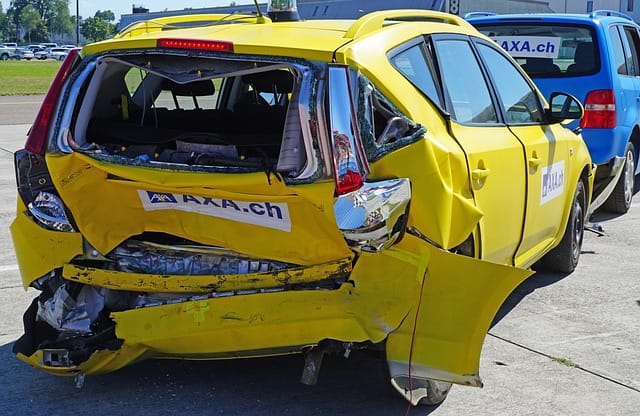
A CGL policy, which is a crucial part of business insurance, breaks coverage into specific parts that collectively determine who is covered, what perils are insured, and when limits or exclusions apply. The Declarations, Insuring Agreements, Definitions, Exclusions, Conditions, and Endorsements all play a different role in understanding general liability insurance coverage and should be read in that sequence to map exposures to policy language.
Map the policy parts
The Declarations identify the named insured, policy period, limits, and listed endorsements. The Insuring Agreements outline the fundamental promises of bodily injury, property damage, personal or advertising injury, and products completed operations, along with the basic triggers to pay. Understanding general liability insurance coverage can help clarify these agreements.
Definitions define important terms utilized throughout the form; small differences in wording make coverage different in practice. Exclusions carve back coverage, such as two frequent exclusions that bar carriers from warranting the workmanship of the insured and confine repair duties in construction defect claims. This is crucial for businesses that need to understand their liability insurance coverage.
Terms establish notice obligations, approval to resolve, and termination or renewal provisions. Endorsements change the form by adding, deleting, or explaining coverage. They are listed on the Declarations page, and you must read each to understand what changed and how it may affect your general liability insurance policy.
Recognize the ISO form edition, frequently CG 00 01 for typical CGL, and enumerate endorsements such as additional insured, per-project aggregate, subcontractor limitation waivers, or “that specific part” modifications.
Who qualifies as an insured: the Named Insured and, subject to form language, subsidiaries, employees acting in scope, volunteers, and temporary workers. Each category interacts with exclusions and endorsements differently, impacting the overall general liability insurance costs.
There is no definition of “subcontractor” in the ISO form and courts in certain jurisdictions construe it narrowly, so contractual wording and endorsements are significant for indemnity claims.
Key Exposure | Policy Part / Endorsement |
|---|---|
Third‑party bodily injury | Insuring Agreements (CG 00 01) |
Damage to Property of Others | Insuring Agreements: Products/Completed Ops |
Workmanship defects | exclusions (quality-of-work exclusions) |
property you control | exclusions j/k/l: first-party property required |
Contractual indemnity | Exclusion/Insuring Agreement exceptions: Endorsements |
subcontractor liability | endorsements: contract language: jurisdictional law |
Policy Limits
Per occurrence limit is the upper bound for a single loss event. General aggregate caps total payouts for most coverages during the term. Products-completed operations aggregate protects those post-completion exposures.
Personal/advertising injury, medical payments, and damage to premises rented to you all have separate limits. Typical are $1,000,000 each occurrence and $2,000,000 aggregate for a lot of US firms. Per-project or per-location aggregates for construction or multi-site operations need endorsements.
Defense costs are typically inside or outside limits depending on wording. Make sure to check if defense is inside the limit or outside the limit. Aggregates reset at every renewal.
Limit Type | Common Amounts / Endorsements |
|---|---|
Per Occurrence | $1,000,000 typical |
General Aggregate | $2,000,000 typical; per-location endorsement possible |
Products-Completed Ops | Often part of General Aggregate unless per-project added |
Deductibles
Common deductibles diminish insurer payment and are typically borne by the insured. Self-Insured Retentions (SIR) effectively represent the insured’s funds for defense and indemnity up to the SIR before insurer obligation.
Deductibles might be per claim or per occurrence and occasionally per coverage. Caps are in the policy. Higher retentions impact cash flow and can necessitate collateral or risk management plans.
Carriers typically have claims-handling obligations and approval processes. Scenarios compare on simple frequency and severity tables to understand how retained dollars impact cash flow.
Occurrence vs. Claims‑Made
Occurrence policies trigger when injury or damage occurs during the policy period. Claims-made trigger when the claim is reported to the insurer. Claims-made forms utilize retroactive dates and tail (extended reporting) coverage to defend against late claims.
Gaps between policies or missing tail lead to uncovered claims. Standard CGL is usually occurrence-based, though allied policies or endorsements may be claims-made.
Map out a timeline of your operations, incidents, and policy periods to guarantee which policy would answer to a given loss.
Common CGL Policy Exclusions
CGL forms contain a standard group of exclusions that define what the policy will cover and move some risks to other, more suitable policies. Courts have repeatedly interpreted those exclusions, so wording and application can vary by jurisdiction. Here are the key exclusions to review against your activities and the natural corresponding policy or endorsement.
- Professional services — use Errors & Omissions / Professional Liability.
- Employee injuries — Workers’ Compensation and Employers Liability cover this.
- Commercial auto — Business Auto (including hired/non‑owned) covers vehicle risk.
- Intentional acts — CGL covers accidents, not deliberate harm.
- Liquor liability – Alcohol exposures typically require a liquor liability policy or endorsement.
- Pollution — Pollution liability or environmental policies are not standard CGL for contaminant releases.
- Product recall and faulty workmanship are separate product liability, completed operations, and builder’s risk. CGL typically excludes the repair and replacement of defective work.
- Asbestos/silica — usually excluded; specialized policies required.
Audit checklist (use as compliance worksheet): map each exclusion to your activities. Companion policy list note required endorsements (hostile fire, limited pollution, liquor liability). Provide evidence of cover for subcontractors and hired or non-owned autos.
Professional Errors
Common CGL policy exclusions highlight that general liability insurance coverage does not extend to liability arising from professional services. Claims stemming from negligent advice, design, or judgment typically require professional liability insurance coverage. Tasks that generally fall under this category include engineering, architectural drawings, and IT systems design.
Design-build contractors face various exposures, making it crucial to consider options such as a contractor’s professional liability endorsement or a separate design-professional policy. Identify all advice-related services you offer, linking each to an E&O or professional policy to ensure adequate liability coverage.
Employee Injuries
Bodily injury to employees is covered by Workers’ Compensation and Employers Liability, not CGL. Leased workers, temps or uninsured subs can create boomerang risk where third-party claims or subrogation push liability back to you.
Third-party over actions occur when a client sues you for an employee causing them harm. Set Employers Liability limits to reflect this exposure. Monitor subcontractor COIs, confirm active WC coverage and limits, and mandate indemnity provisions and waiver of subrogation as appropriate.
Commercial Auto
Auto liability is excluded from CGL and must be placed on a Business Auto policy. Even though you don’t have owned vehicles, hired and non-owned auto coverage still matters if you rent vehicles, use employee cars for business, or engage gig drivers.
Typical CGL policy exclusions that Business Auto covers include delivery, errands, and third-party drivers, which create vicarious liability. Map driving activities by role, assign proper auto symbols and endorsements, and apply hired/non-owned limits where risk exists.
Intentional Acts
Expected or intended injury (CGL covers accidents, not deliberate harm). Limited exceptions for reasonable force in defense of persons or property. Punitive damages are often excluded and non-insurable in many jurisdictions.
Minimize risk by having written conduct policies, clear incident escalation steps, and documentation that demonstrates the incident was accidental, not intentional.
Enhancing Your Standard Policy
A typical commercial general liability (CGL) policy addresses fundamentals such as bodily injury and property damage. Businesses with specialized risks or multi-sites may require add-ons to seal holes. Adding endorsements customizes coverage. Others choose $2 million limits or above for multiple claims.
This setup is very much in line with contracts and industry standards. It excludes hazards such as pollution or cyber damage not in standard coverage. [3][1]
Industry Endorsements
Contractors pick up XCU buybacks to reinstate coverage after claims. Manufacturers tack on vendors coverage for client injuries from their products. Hospitality joints choose assault and battery for pub brawls.
Limited Pollution – Quick spills are key in monopolistic WC states with Stop-Gap EL. Product Withdrawal covers expenses for recalls if products injure individuals.
Cyber or Media Liability suits digital stores dealing with information or advertisements. Base CGL does not cover these.
Here is a list of common industry hazards and matches:
Construction falls or tool damage: Contractor XCU buyback restores aggregates for each project.
Manufacturing defects injuring end-users: Vendor endorsement or separate product liability.
Restaurant patron assaults: Assault & battery add-on.
Chemical cleanup from leaks: Limited Pollution endorsement.[3]
Service pros missing deadlines: Stop-Gap in states like Ohio or E&O companion policy.
Data breaches in tech firms: Cyber Liability policy.[3]
Food recalls harming buyers: Product Withdrawal expense coverage.
Looking it over annually keeps it fresh. Rates depend on business type and location. [1][3]
Additional Insureds
Adding landlords, clients, or general contractors as additional insureds for ongoing operations and completed work is required by contracts.
Designate AI as primary and noncontributory. Include per-project aggregates if needed. This safeguards thresholds across tasks. [1][5]
Blanket AI sets in from typewritten agreements. No singles are required.
Maintain an AI log. Log object, URL, project, format, and expiration date. Compliance becomes easy.
Waiver of Subrogation
Waivers prevent your insurer from seeking recovery from partners such as clients or subs.
They occasionally increase your net loss. Premiums could tick up as well.
Blanket versions tie to contracts. Beats one-offs.
Match waivers in CGL, auto, and workers’ comp. Log by contract for sync.
The Unseen CGL Risk Factors
Uncharted territories within your general liability insurance policies can lead to significant risks. We’re talking about uneven warehouse floors that barely see the light of day or contractor mishaps that ignite huge liability claims. This coverage packs a punch at high-risk points, such as construction or healthcare, where social media fuels slander lawsuits and gig workers challenge the boundaries of who is considered a business owner.
Social Inflation
Third-party litigation funding injects cash into plaintiff cases, luring juries to larger awards. Wider empathies translate into nuclear verdicts, like $10 million awards for a lousy slip in CA courts, that ramp up expenses quickly. Increase limits or stack umbrella policies to protect from these strikes.
For instance, a Texas builder confronted a $5 million claim after a garage collapse, with extra layers protecting the car but not their work. Follow venue trends annually. Map out high-risk areas such as L.A. County, where awards exceed the average by 30%, and adjust retentions or endorsements accordingly.
Strong documentation and training reduce negligence calls. Train staff to use incident logs to fight back.
Reputational Harm
Social media ignites Coverage B battles over privacy or ad harm, such as a viral post dubbing a competitor’s product inferior. Cyber slips or data leaks spark claims too, even as people pass on cyber policies. See channels and PR near.
Catch defamation early, say from a heated tweet storm. Tighten ad checks. Dodge bogus claims, such as bragging ‘best widget ever’ without evidence, which attracts suits. Get media liability if ads drive your biz.
Save every campaign and approval and fix for court. Data laws changing add new risks here.
Gig Economy Liability
Gig shifts blur what your CGL covers versus workers’ comp holes. A 1099 driver in your delivery fleet crashes; is that on you? Class right. Misclassify an employee and claims slip through the cracks.
Request COIs and hold-harmless agreements from contractors. Cover their auto use as well, like a platform plumber flooding a client’s home. They get vicarious liability bites for their acts.
Build a table: list roles, minimum limits like $1 million per occurrence, and must-haves like auto endorsements. Check laws annually as gig guidelines evolve.
Selecting the Right Insurer

Choosing the right insurer starts with matching your business’s unique insurance needs, such as liability, property, and employee-related exposures, and how an insurer addresses those needs with products like standalone CGL, a BOP, or specific endorsements for high-risk operations.
General liability insures against bodily injury, property damage, and associated claims. You’ll want to make sure gaps, such as workers’ comp, professional liability, and cyber, are covered elsewhere if required.
Financial Strength
Check AM Best, S&P, or Moody’s ratings and watch for outlook changes. These are the key indicators of an insurer’s long-term claims-paying ability.
Review metrics beyond the headline rating. Combined ratio, policyholder surplus, and reinsurance structure show how a carrier weathers large or correlated losses.
Favor insurers who can provide value-added umbrella or excess capacity so you can stack limits when contracts or exposures require a higher ceiling.
Build a comparison table with each carrier’s rating, capacity availability, reinsurance connections, and industry appetite to make side-by-side choices.
Claims Process
You want 24/7 claim reporting, transparent intake channels and rapid adjuster assignment to prevent delays that exacerbate exposures.
Ask the insurer about duty to defend, whether they use a counsel panel or let insureds pick their own lawyers, and when they send reservation-of-rights letters — all things that influence defense strategy and settlement leeway.
Monitor volume, time to contact, cycle time to resolution and closure rates to hold carriers accountable.
Build a claims playbook that lays out reporting timelines, internal and carrier roles, who escalates and expected decision windows so your team can move quickly when incidents arise.
Industry Expertise
Choose carriers who publish class-specific endorsements and customized policy forms and who actively provide loss-control services for your industry.
Seek out companies that offer risk engineering, on-site surveys, training modules, and contract review services. These all reduce claim frequency and often result in lower premiums.
Request carriers to provide peer benchmarking and suggested limits based on your revenue, operations, and claim history so limits mirror actual exposure as opposed to guesswork.
Capture carrier case studies, industry wins, and targeted endorsements in your scorecard so you can weigh concrete examples against cost and service.
Score each carrier on a weighted matrix that includes price, coverage breadth, claims handling, and service offerings.
Leverage that scorecard with your broker or risk advisor to select the best fit for your Los Angeles business, whether you operate a storefront, home-based, or high-risk trade.
Conclusion
CGL provides a strong foundation of risk in the US. It protects against third party injury, property damage, and some ad claims. It leaves holes you can fill with add-ons. Fit still depends on your projects, your contracts, and your local regulations.
Real life gets busy. A wet floor at a shop on Pico causes a guest to slip and shatter a wrist. A crew strikes a pipe on a job site in Burbank, leading to water inundating a lobby. CGL can pay for legal assistance and cover the loss, up to the limit, if the claim fits the mold.
Want a neat next step? Match limits to contract needs, add extra insured where requested, and keep COIs on file. Chat with a local agent for a quote and a quick coverage check.
Frequently Asked Questions
What does commercial general liability (CGL) insurance cover?
CGL insurance provides general liability coverage for businesses against third-party claims, including bodily injury and property damage, covering medical costs and legal defense up to the limits of the business liability insurance policy.
What are common exclusions in a CGL policy?
Typical general liability insurance coverage does not cover professional errors, employee injuries, intentional acts, commercial auto accidents, or workers comp claims, requiring separate policies for those specific business needs.
How can I enhance my standard CGL policy?
Add endorsements such as product recall, contractual liability, or umbrella liability insurance for additional protection. Package these options in a business owners policy (BOP) for small businesses or a commercial package policy (CPP) for larger companies to suit specific business needs.
What are unseen risk factors in CGL coverage?
Missed risks include product liability and off-premises incidents, as well as libel or slander from ads and landlord property damage. It’s essential for small businesses to run operations through an expert annually to identify gaps in their general liability insurance coverage.
How do I select the right CGL insurer?
Select by business size, risk, and policy customization, including general liability insurance coverage. Consult agents for customized limits and consider a business owners policy for small firms or excess liability insurance for high-risk.
Does CGL cover legal defense costs?
Yes, general liability insurance coverage pays legal fees, court costs, and settlements if liable for covered claims, regardless of whether you win. There are limits, so consult the pros for business insurance solutions.
Who needs CGL insurance?
Almost any business, particularly those with clients, products, or premises, should consider general liability insurance coverage. It is a must-have for slip, damage, or lawsuits, protecting assets without a legal requirement in most instances.