Thinking of getting homeowners insurance in Los Angeles? Tower Hill is a fan favorite, but how does it compare?
We’ve collected actual experiences from local homeowners to provide you with an unbiased view of Tower Hill homeowners insurance reviews.
Unpacking Tower Hill Homeowners Insurance

Tower Hill’s Florida home policies emphasize fundamental coverages and add-ons specific to the state’s coastal and storm-prone dangers. Like any good standard policy, it covers the dwelling, other structures, personal property, personal liability, loss of use, and medical payments. Tower Hill provides endorsements and higher limits designed for Florida’s high-value homes.
The section below breaks down coverage, claims, service, cost, and financial strength with examples and specifics relevant to Florida homeowners.
1. Coverage Realities
Dwelling coverage with Tower Hill home insurance typically covers repair or rebuild expenses for the home structure, with limits available up to amounts appropriate for Florida’s pricier properties. Policies marketed for high-value homes offer dwelling limits up to roughly $750,000. Raising dwelling limits, such as from $400,000 to $450,000, can noticeably increase annual premiums.
Typical coverages include wind, fire, hail, and theft, along with personal liability and loss of use benefits. Flood is not always included, but Tower Hill can write private flood policies that exceed NFIP limits when necessary. Insureds may add optional endorsements, like expanded flood coverage, higher personal property limits, ordinance and law coverage, or enhanced roof coverage, to fill gaps in a fundamental Tower Hill home insurance policy.
Hurricane deductibles are often based on a percentage of dwelling coverage, not a flat dollar amount, which significantly impacts the amount received after a storm. A 2% hurricane deductible on a $400,000 home equals an $8,000 deductible. Included are optional wind-mitigation discounts and endorsements for roof-to-wall connections and secondary water resistance that can reduce premiums and optimize insurance claims results.
2. The Claims Process
You can file your claims through Tower Hill’s online claims portal, over the phone, or by contacting your agent. An adjuster will inspect damage and estimate repairs. For everyday non-emergency claims, many policyholders rave about the quick processing and transparent communication in 5-star reviews, citing instances of fair, timely settlements.
In heavy storms, there have been delays, including roof repair backlogs following Hurricane Ian, where some customers experienced extended waits and fought over repair totals. Overall claims satisfaction appears mixed. Tower Hill posts a below-average NAIC complaint index, but individual event-driven spikes in complaints occur during severe weather.
3. Customer Service
Numerous policyholder reviews laud adjusters for their professionalism and willingness to explain the process, especially in recovery work following Florida’s previous hurricanes. Glowing reports from Naples and elsewhere underscore hands-on local representatives.
A few 1-star crisis-era reviews report communication failures at high claim volumes. BBB displays an A+ rating and around 3.34 stars from 100+ reviews, mostly positive but consistent.
4. Policy Cost
Tower Hill’s premiums tend to be competitive for Florida risks, with wind mitigation discounts and bundling incentives where applicable. It doesn’t always provide auto policies for convenient bundling, which may restrict discounts for certain customers.
Typical rates differ by home value, area, and selected limits. For example, hikes in dwelling limits are significant and a few Tower Hill policyholders have received hefty hikes. For instance, 40 to 80 percent hikes have occurred even with zero recent claims. Weather risk, home value, and mitigation features steer these shifts.
5. Financial Strength
Tower Hill has a Demotech A (Exceptional) claim-paying ability rating, indicating solid financial ability to meet claims in Florida’s high-risk market. The NAIC complaint index trend is under baseline and BBB accreditation brings a measure of stability.
With Florida’s vulnerability to hurricanes, enduring success will require underwriting discipline, reinsurance coverage, and rate increases that keep pace with mounting weather risk.
What Their Policies Cover
Tower Hill homeowners insurance provides all the standard coverages plus choices specific to Florida-based homes, such as those vulnerable to hurricanes. Policies begin with essentials like dwelling and liability. Add-ons take care of the extras.
Here are key standard home protections:
- Coverage on your house structure, such as $400,000 to rebuild after a fire or storm. [1][3]
- Other structures coverage for garages or fences, often $40,000.[1]
- Personal property coverage for belongings, including up to $200,000 for furniture and electronics.
- Personal liability covers up to $100,000 if someone is injured on your property. [1]
- Medical payments at $5,000 for guest injuries, no fault required [1]
Flood damage remains excluded. You need a separate policy.
Standard Protections
Tower Hill includes core coverages in most policies.[1][3]
- Dwelling covers the repair or construction of your home’s primary residence owing to fire, hail, or theft.
- Other structures guard detached sheds, pools, or fences.
- Personal property covers clothes, TVs, and laptops inside.
- Loss of use helps with hotel stays during repairs.
- Liability and medical payments cover lawsuits or minor injuries. [3]
Personal liability is up to policy limits, for example, $100,000 or more for high value homes up to $750,000. This protects you in the event a guest sneaks past your pool.
Personal belongings are covered under all risk protection against theft or damage. A $200,000 limit takes care of most of your household goods. [1]
Temporary living expenses pay for your rent or your meals if you are owing to repairs for a few days.
Hurricane Deductibles
Tower Hill in FL imposes a percent hurricane deductible for windstorm losses, typically 2-5 percent of dwelling value as opposed to a flat $1,000.
This packs a punch to claims. With Hurricane Irma, a $400,000 home could translate to $8,000 to $20,000 out-of-pocket prior to payout.
Separate from the standard all-perils deductible, hurricane ones apply only to named storms. [8]
Wind mitigation discounts reduce prices. Stronger roofs or shutters lower rates and effective deductibles.
Water Damage Rules
Tower Hill splits water issues clearly. Here’s a breakdown:
Type | Covered? | Details |
|---|---|---|
Sudden pipe burst | Yes | Pays for repairs if quick fix attempted.[3] |
Rain through roof | Yes | If storm opens holes first.[4] |
Flood from outside | No | Needs NFIP or private policy.[3][4] |
Sewer backup | Optional | Add-on required.[2] |
Flood coverage must have NFIP or Tower Hill’s private option up to $2.5 million.
Private flood insurance functions as an endorsement for additional coverage above basics.
Hurricane-related water is governed by storm surge guidelines and is typically omitted from regular policy.
Optional Endorsements
Tower Hill allows you to add coverage through endorsements. Here’s a list:
Emerald endorsement includes 15 or more choices for high-value homes, such as increased liability and valuables coverage, perfect for Florida luxury getaways up to $750,000. [3][4]
Home systems protection (equipment breakdown) repairs unexpected appliance failures, like AC or fridge breakdowns, outside of typical wear.
Identity fraud expense coverage covers legal fees and lost wages if theft strikes your info, bringing extra peace for online-fluent owners. [2]
Dwelling fire insurance increases rebuild expenses with inflation guard or extended replacement for older properties.
These customize for coastal risks or hobbies.[2]
The Price of Protection
Tower Hill homeowners insurance rates vary considerably based on where you live, the coverage you need, and individual factors. Key items shape these prices: premium hikes from reinsurance costs after storms, total outlay with deductibles and fees like the 10% subscriber surplus on Exchange policies, and savings from bundled deals.
Here’s a checklist of main factors:
- Location risks: Coastal spots or hurricane zones increase rates.
- Home details: Build year, roof age, and construction type matter.
- Credit score tiers: Better scores cut premiums.
- Reinsurance costs: Post-hurricane jumps hit renewals hard.
- Deductibles and fees: Higher deductibles and fees lower premiums but raise out-of-pocket costs.
- Discounts: Wind mitigation or bundles trim bills.
Rate Factors
Tower Hill employs insurance credit tiers to determine rates. A high score can save you hundreds annually, whereas low scores increase them. One policyholder experienced an 80% increase from $1,036 to $2,745 with no claims and good credit, which was linked to credit inquiries.
Home construction year and roof age factor in heavily. Older roofs 15 years or more can be filed as non-renewal or at a higher rate in Florida’s storm-prone wind zones.
Coast proximity increases risk premium. Homes 50 miles or more inland still sense the impacts following coastal destruction, for instance, one investigation observed.
Hurricane exposure is fueling big rate hikes. External weather strikes reinsurance, causing 40% increases from 2022 to 2023 for some. Average U.S. Cost sits at $2,801 annually, but Florida skews; Tower Hill can run 37% below state averages in places.
Available Discounts
necessary These frequently result in 20 to 50 percent in premium savings.
Paperless billing and multi-policy savings add up. Bundle home with other coverage for more discounts. No auto choice restricts this.
Loyalty discounts reward claim-free years. Stay clean for 3 to 5 years, and rates come down.
New home discounts aid fresh builds. Adding security systems leads to additional savings. Shop around to stack these and outpace averages.
Discounts reduce the actual cost of protection, and Tower Hill provides rock hard ones like wind mitigation for storm-proof attributes such as impact windows or reinforced roofs that can cut premiums by thousands over time in Florida’s high risk zones where hurricanes drive reinsurance prices up and 40% surprise renewal increases in customer tales.
Pair that with paperless billing for a quick 5-10% off, loyalty perks after claim-free runs that earn trust via consistent rates and fresh home savings on new builds that qualify under updated codes.
Total pricing includes deductibles that increase with dwelling coverage, such as an 11% premium jump for $50,000 additional coverage, and fees like surplus lines contributions, making these discounts critical for people juggling protection against real-world budget pressures in coastal or inland locations alike.
Market Comparison
Tower Hill rates compare favorably in Florida. See this table for yearly averages on $400,000 dwelling:
Company | Annual Rate |
|---|---|
Tower Hill | $2,443[6] |
Federal | $2,294[6] |
Progressive | $3,786[6] |
State Farm | $5,180[6] |
Vs. Liberty Mutual Tower Hill provides similar protection but bypasses auto bundles. Liberty corners on national coverage.
State Auto home insurance generates more gripes per NAIC info. Tower Hill rates are sub-par at 0.32 in Florida as well.
Tower Hill ranks top for regional value among best insurers, with cheap FL rates and few complaints notwithstanding no J.D. Authority nod. [1][6]
Analyzing Customer Complaints
Analyzing customer complaints reveals patterns in Tower Hill home insurance service, highlighting areas of excellence and shortcomings, especially for Florida homeowners facing unique insurance challenges from storms and rising premiums.
Claims Disputes
Underpayment accusations litter complaint threads and BBB cases, with policyholders reporting that repair estimates were settled far under contractor quotes, necessitating out-of-pocket repairs or loans. These reports frequently reference depreciation rules to contents and structural items as the reason behind low settlement amounts.
Depreciation problems anger homeowners anticipating present-value fixes. Claims usually focus on replacement-cost coverages as opposed to actual cash value settlements. Everything from policyholders complaining of 50 to 75 percent depreciation on older items compresses reclaimable amounts and extends disputes with adjusters.
Other testimonials offset argument by citing quick payments and adjuster transparency following inspections. This is good news frequently reported by those whose damage coincided with estimates or who held current endorsements.
NAIC data referenced in industry reviews displays Tower Hill’s complaint index as below average, indicating fewer affirmed complaints on a per-company size basis and thus that systemic claims breakdowns are not widespread.
Communication Issues
Customers complain that they’re not notified when policies change or they’re thinking of cancelling, which surprises and breeds distrust. Missed notices are often related to address or score issues and to automated systems that don’t reach the policyholder until renewal.
Long customer service wait-times are a constant motif in scathing reviews. Callers complain about hold times and snail-paced resolution of billing or claims questions. These delays just add insult to injury following an already stressful event such as storm damage.
A few good reviews commend email responsiveness and dedicated adjusters who follow up quickly. That blend exhibits spotty service by region and team.
There are hurricane response failures in multiple one-star reviews, particularly from the Florida coastal markets where storm season puts capacity to the test. Complaints here center on slow field adjuster deployment and delayed estimates following major events, which exacerbate frustration and result in public bashing.
Policy Cancellations
Deep coverage cliffs after tenure, nine to eighteen-year no claim cancellations, appear in complaint databases and concern long-time customers. These cancellations are often related to underwriting score changes or risk model changes instead of recent claims history.
Documentation failures are another non-renewal driver, as missing or mismatched property paperwork, inspection reports, or mitigation certificates can lead to non-renewal notices. Policyholders are telling us that last-minute cancellations are blocking opportunities to get replacement coverage, particularly in Florida’s tight market.
To minimize risk, analyze renewal terms ahead of time, maintain mitigation and inspection records up to date, and reach out to agents well in advance of renewal windows. Watching your insurance score and keeping transparent contacts keeps you from surprise moves and provides time to shop when needed.
Navigating the Florida Market
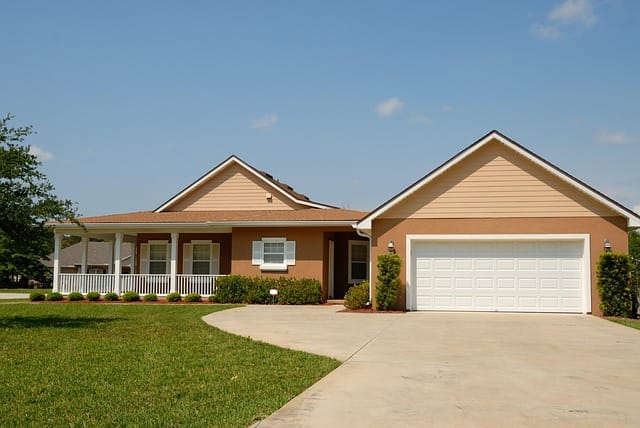
Tower Hill home insurance stands out as a Florida specialist, particularly in a state where homeowners face soaring premiums due to hurricane peril and other natural catastrophes. In the Florida market, coastal locations command higher prices than inland areas, and factors like roof ties and water resistance significantly impact home insurance rates.
A Florida Specialist
Tower Hill Prime homes in on states with high risk such as Florida. It provides windstorm protection with products custom designed for the region’s storms. From Miami to Tampa, local agents are serving Floridians directly.
Policy adapts to extreme weather, private flood coverage up to $2.5 million or Emerald bundles for high-value homes up to $750,000. Case in point, post-Hurricane Irma, Naples and New Smyrna Beach policyholders raved about fast, complete payments less deductibles.
State Auto Differences
Tower Hill receives fewer complaints than State Auto, according to NAIC information, which is less than the average for both. Tower Hill’s index remains low even after 2022 changes. Its median premium is $2,443 annually for a $400,000 home, which is 37% below Florida’s $3,889 median and more affordable than State Farm’s $5,180.
Coverage extends further with options such as equipment breakdown or dwelling fire, beyond fundamentals. One way customer service ratings vary. Tower Hill has an A+ from BBB with 3.34 stars and a strong Demotech A, with reviews citing fair claims handling.
State Auto doesn’t have specific J.D. Authority mentions here, but Tower Hill’s Florida emphasis earns acclaim for local attentiveness. Financial strength ties Tower Hill without AM Best post-Prime departure, but it earns Demotech kudos in the midst of crisis adjustments.
Long-Term Viability
Stability holds amid premium hikes as Tower Hill Insurance Exchange shares underwriting profits with policyholders since 2022. Reinsurance ties run deep in Florida’s cat-prone market, aiding in managing catastrophic losses.
Growth potential appears good for the 1.7 million Floridians insured, with attractive rates and wind mitigation discounts luring high-risk policyholders. Underwriting profits say sustainable, low complaints A+ not even mobile app or online buys.
See through still-crisis impacts, such as coverage tweaks, but Demotech ratings indicate claim-paying vigor.
My Final Verdict
Tower Hill is a good choice for budget-minded consumers, particularly in Florida and other high-threat coastal markets with fewer options. Its base rates and wind-mitigation discounts frequently undercut many rivals. LendingTree and Bankrate both highlight Tower Hill’s typically lower pricing plus strong wind-mitigation discounts, which can significantly lower rates for houses with fortified roofs, hurricane shutters, or other measures.
In a few regions, the mean yearly homeowners rate rests closer to $967, roughly 30 percent less expensive than regional averages, which renders Tower Hill a compelling option if cost is one of your main concerns.
Care is required with claims during disasters. Some policyholders say claims were settled quickly and justly, with one closed in two weeks from start to final disposition, but others cite big disputes and underpayment grievances following major storms. Although the company’s A+ BBB rating and Demotech A (Exceptional) financial view indicate stability, customer experiences are mixed and claims and payouts complaints show up in public records.
Anticipate craziness post-event, take pictures of damage and maintain clean timelines if you submit a hurricane or flood claim.
Shop quotes from multiple providers prior to you buy since location, credit, insurance, and proximity to the coast vary rates significantly. Premiums can fluctuate dramatically based on ZIP code, with coastlines paying more owing to increased disaster risk and personal factors like your insurance score affecting your rate.
Some customers see dramatic premium jumps, with some recorded increases of 41% or premiums even doubling or rising 80% within two years. Shop renewals as hard as first purchases and recompare offers every year.
Tower Hill is a good option for wind-mit homes. The insurer touts wind-mitigation discounts and has product features and endorsements for hurricane-prone regions, including private flood options and higher-value-home packages, so it’s appealing if you’ve invested in storm hardening.
If you reside inland or require bundling, be aware Tower Hill might not have auto policies available in every market, restricting multi-policy price cuts for certain clients.
Service quality and reliability needs close scrutiny. Online reviews cite everything from commendations for speedy, expert adjusters to grumbles about premium hikes and claim battles, so check recent local agent reviews and read policy details closely.
At a minimum, obtain three written estimates, ask for sample claim timelines, and confirm bundling options, then decide.
Conclusion
Tower Hill knows Florida life. Storms come hard. Rates vary by roof age, construction type and wind zone. Tower Hill Insurance Reviews can be robust, but claims receive mixed reviews in heavy storm years. Fit depends on your home, your roof, and your risk tolerance.
Orlando new metal roof gets you wind credit and a reduced bill. An older shingle roof in Tampa could be getting a higher bill and roof rules. A Miami condo with a burst pipe might need water backup. Close to a flood map line? You still require flood coverage.
To decide with a calm mind, pile quotes from Tower Hill and two competitors. Review hurricane deductible, roof terms, and claim setup. Check out new neighborhood reviews. Speak with a licensed agent. Get your quote now!
Frequently Asked Questions
What does Tower Hill homeowners insurance typically cover?
Tower Hill home insurance policies generally encompass coverage for dwelling, personal property, and liability, along with medical payments and loss of use. Depending on your selected endorsements, such as private flood insurance and extended replacement cost, you can customize your home insurance coverage options.
Is Tower Hill good for Florida homeowners?
With its heavy Florida focus and Tower Hill home insurance options, such as wind mitigation discounts, sinkhole information, and flood coverage options, Tower Hill is often a good choice for Florida homeowners seeking region-specific coverages and expert agent guidance.
How much does Tower Hill homeowners insurance cost?
Average rates for home insurance vary significantly by source and coverage level, typically ranging from approximately $967 to $4,905 annually. This fluctuation is influenced by dwelling limits, location, coverage options, and available home insurance discounts.
Can I get flood coverage through Tower Hill?
Tower Hill offers private flood insurance, which is crucial since standard homeowners insurance policies typically exclude flood coverage. Be sure to consult your licensed insurance agent about Tower Hill home insurance options, including NFIP.
Does Tower Hill offer discounts for hurricane/wind mitigation?
Yes, Tower Hill home insurance provides windstorm mitigation discounts for roof material, roof-to-wall connections, and opening protection options.
How does Tower Hill handle claims and customer complaints?
Experiences vary with Tower Hill home insurance, as customer testimonials highlight timely claims service, while third-party reviews reveal both positive and negative complaints. Homeowners insurance claims and local agent reputation are crucial factors to consider before purchasing.
Do I need an independent agent to buy Tower Hill insurance?
Tower Hill home insurance is primarily marketed by independent agents who can assist in establishing appropriate dwelling limits, recommend endorsements like Emerald packages, and calculate replacement cost estimates for Florida reconstruction expenses.