
Your auto insurance score plays a big role in determining how much you pay for coverage. But do you know that small changes in your habits can lead to big savings?
If you want to lower your premiums and get better insurance offers, improving your auto insurance score is key. You’ll discover simple, effective steps you can take right now to boost your score. From managing your credit wisely to taking advantage of discounts, we’ll guide you through everything you need to know.
Keep reading to take control of your insurance costs and protect your wallet.
Credit: content.naic.org
Auto Insurance Score Basics
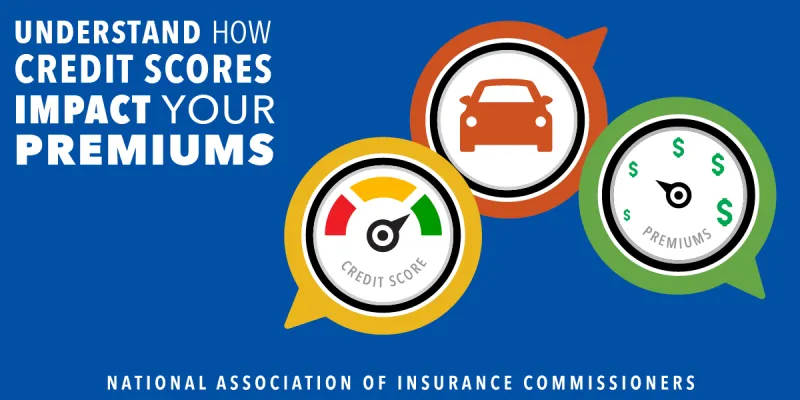
Your auto insurance score plays a key role in determining your insurance rates. It is a number that insurance companies use to predict how likely you are to file a claim. This score is based on information from your credit report and other financial data. Understanding the basics of the auto insurance score helps you see how insurers decide your premium.
Knowing what affects your score can help you take steps to improve it. It is not just about your driving history but also your financial habits. Insurance companies want to see if you manage your money well, as it may reflect your risk level on the road.
How Scores Affect Rates
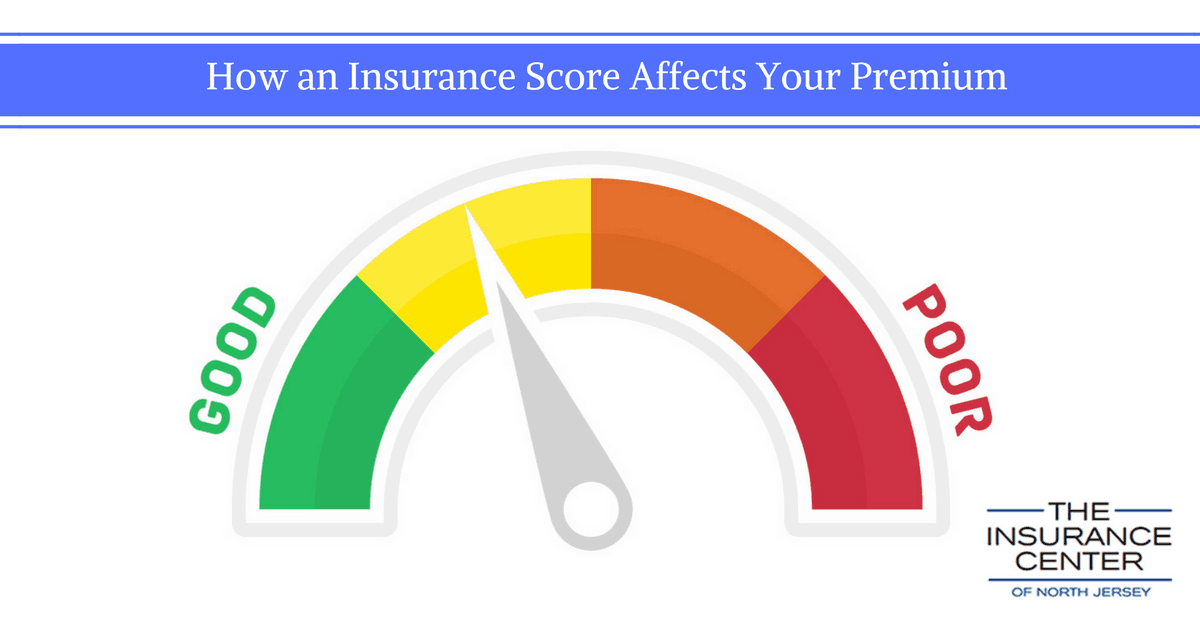
Insurance scores affect how much you pay for your auto insurance. A higher score usually means lower rates. Insurers believe people with good scores file fewer claims. A low score can lead to higher premiums or even denial of coverage. Your score helps insurers decide the risk of insuring you. It is one of several factors used to set your rate.
Difference From Credit Scores
An auto insurance score is different from a regular credit score. It uses some of the same data but is calculated differently. Credit scores focus on your ability to repay loans. Insurance scores focus on predicting insurance claims. Not all credit report information is used for insurance scores. This means your auto insurance score can be better or worse than your credit score. Insurers use these scores to understand your financial responsibility.
Credit: www.lexingtonlaw.com
Financial Habits That Help
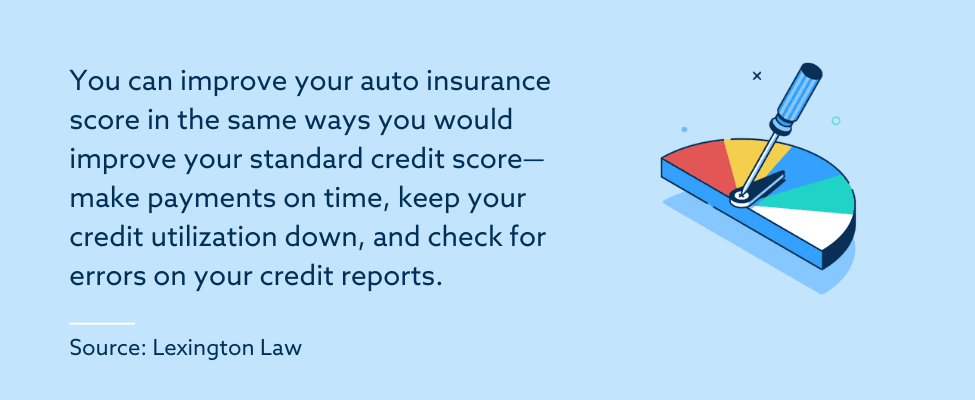
Strong financial habits can improve your auto insurance score. Insurers use this score to decide your rates and coverage options. Simple money habits show reliability and lower your risk. These habits help you save money on insurance premiums.
Pay Bills On Time
Paying bills on time is crucial. Late payments hurt your score and make you look risky. Set reminders or use automatic payments. This habit proves you manage money well.
Reduce Debt Levels
Lower debt shows financial control. High debt suggests more risk to insurers. Pay down credit cards and loans steadily. Keep balances low to improve your score.
Monitor Credit Reports
Check your credit reports regularly. Errors or fraud can damage your score. Visit official sites for free reports yearly. Dispute any mistakes quickly to keep your record clean.
Keep Old Accounts Open
Old accounts boost the length of your credit history. Closing them shortens your history and lowers your score. Leave accounts open even if unused. This shows a long, stable financial past.
Limit New Credit Applications
Applying for new credit causes hard inquiries. Too many inquiries lower your score temporarily. Only apply for credit when necessary. This keeps your score steady and insurance rates lower.
Driving Habits Impact
Driving habits strongly influence your auto insurance score. Insurers review how you drive to assess risk. Safer driving often means better rates. Poor habits can raise your premiums quickly.
Improving your driving habits helps lower costs. Focus on avoiding accidents, limiting tickets, and using technology. Also, driving fewer miles can keep your score healthy.
Avoid Accidents And Tickets
Accidents and traffic tickets damage your insurance score. Insurers see them as signs of risky driving. Stay alert and obey speed limits. Use turn signals and keep safe distances. These simple steps reduce chances of accidents and tickets.
Use Telematics Programs
Telematics programs track your driving behavior. They monitor speed, braking, and mileage. Good drivers get discounts through these programs. Enroll in your insurer’s telematics plan. Drive carefully to improve your score and save money.
Maintain Low Mileage
Driving fewer miles lowers your insurance risk. Less time on the road means fewer chances of crashes. Keep track of your mileage each year. Some insurers offer discounts for low-mileage drivers. Plan trips wisely and combine errands to reduce miles.
Maximizing Discounts
Maximizing discounts is a smart way to lower your auto insurance costs. Insurance companies offer many discounts that can improve your insurance score. Knowing which discounts apply to you helps save money and keeps your score healthy.
Review your policy options carefully. Combining discounts can lead to bigger savings. Always ask your insurer about available discounts and eligibility criteria.
Bundle Policies
Bundling means buying multiple insurance policies from one company. For example, combine auto and home insurance. This often leads to a significant discount on your premiums.
Bundling simplifies payments and makes managing your insurance easier. It shows the insurer you are a loyal customer, which can improve your score.
Explore Special Discounts
Insurance companies offer special discounts for various reasons. Some common ones include safe driver, low mileage, and loyalty discounts.
Ask your insurer about discounts for safety courses or defensive driving classes. These can lower your rates and boost your insurance score.
Leverage Good Student Status
Students with good grades often qualify for discounts. Maintaining a strong academic record shows responsibility, which insurers like.
Many insurers offer discounts for students with a GPA above a certain level. Submit proof of your grades to claim this discount.
Managing Credit Inquiries
Managing credit inquiries plays a key role in improving your auto insurance score. Insurance companies check your credit history to assess risk. Each time a lender or insurer reviews your credit, it can affect your score.
Understanding how different credit checks impact your score helps you control these effects. Avoid unnecessary credit applications to keep your score stable. Let’s explore the difference between soft and hard credit checks and how multiple applications influence your credit.
Soft Vs Hard Credit Checks
Soft credit checks do not affect your credit score. These occur when you check your own credit or when companies pre-approve offers. They are invisible to lenders and insurers.
Hard credit checks happen when you apply for new credit. Lenders and insurers use these to evaluate your creditworthiness. Each hard inquiry can lower your score slightly. The impact usually lasts for about one year.
Insurance companies may use either type, but hard inquiries have more weight on your score. Limiting hard checks helps maintain a higher auto insurance score.
Effects Of Multiple Applications
Submitting many credit applications in a short time signals risk. Multiple hard inquiries can lower your credit score significantly. This can increase your auto insurance rates.
Insurance companies see frequent applications as a sign of financial trouble. It suggests you might have difficulty paying bills. This can lead to higher premiums or denial of coverage.
To improve your auto insurance score, apply for new credit sparingly. Space out applications over time. Check your credit report regularly to track inquiries and correct errors.
Working With Insurance Agents
Working with insurance agents can make a big difference in your auto insurance score and rates. Agents have knowledge of the insurance market and can guide you through your options. They help you find policies that fit your needs and budget. Building a good relationship with an agent also opens doors to discounts and better service. Agents can explain complex terms in simple words and help you avoid mistakes that hurt your insurance score.
Finding The Right Coverage
Insurance agents help match coverage to your specific needs. They assess your vehicle type, driving habits, and financial situation. This avoids paying for unnecessary coverage that raises your premium. Agents can suggest coverage limits that protect you without overspending. They also inform you about state minimum requirements and optional protections. This balance improves your insurance score by showing responsible coverage choices.
Negotiating Better Rates
Agents have access to multiple insurance companies and plans. They compare quotes to find the best price for your profile. Agents use their experience to negotiate discounts and lower rates. They know which companies value good driving records and credit behavior. Agents can also bundle policies like auto and home insurance for savings. Negotiating with an agent often leads to better rates than online quotes alone.
Regular Score Review
Regularly checking your auto insurance score helps you stay informed. It reveals changes that affect your insurance rates. A consistent review lets you catch mistakes early. You gain control over your financial profile. This habit supports better decisions to improve your score.
Requesting Insurance Reports
Start by requesting your insurance reports from major companies. These reports show factors influencing your insurance score. You can get a free copy once a year from some providers. Review details like payment history, claims, and credit data. Keep a copy for your records. This helps track your progress and spot inaccuracies.
Disputing Errors
Errors in your insurance report can lower your score unfairly. Check every section carefully for wrong information. If you find mistakes, contact the reporting agency immediately. Provide documents that prove the error. The agency must investigate and fix valid errors. Correcting these issues improves your score and lowers premiums.
Credit: www.icnj.com
Frequently Asked Questions
How Do I Improve My Auto Insurance Score?
Pay bills on time and reduce debt to improve your auto insurance score. Monitor your credit report regularly for errors. Avoid frequent credit applications. Drive safely and consider bundling policies for discounts. Use telematics programs to showcase good driving habits.
What Determines Your Auto Insurance Score?
Your auto insurance score depends on your payment history, credit usage, length of credit, recent inquiries, and driving record.
How To Increase Credit Score By 100 Points In 30 Days?
Pay bills on time and reduce credit card balances below 30% utilization. Avoid new credit inquiries and dispute errors on your credit report. Keep old accounts open to lengthen credit history. Regularly monitor your credit and limit applications to boost your score by 100 points in 30 days.
What’s A Good Auto Insurance Score?
A good auto insurance score typically ranges from 700 to 850. Higher scores indicate lower risk and can lower your premiums. Maintain timely payments, low debt, and safe driving to improve your score. Regularly check your credit report for accuracy to keep your insurance score strong.
Conclusion
Improving your auto insurance score takes steady effort and smart choices. Pay bills on time and keep debt low. Check your credit report often to catch errors early. Avoid many credit applications in a short time. Drive safely to reduce risk and qualify for discounts.
Bundling insurance policies can also lower your rates. Small steps add up to better scores and savings. Stay patient and consistent for the best results. Your actions today shape your insurance costs tomorrow.