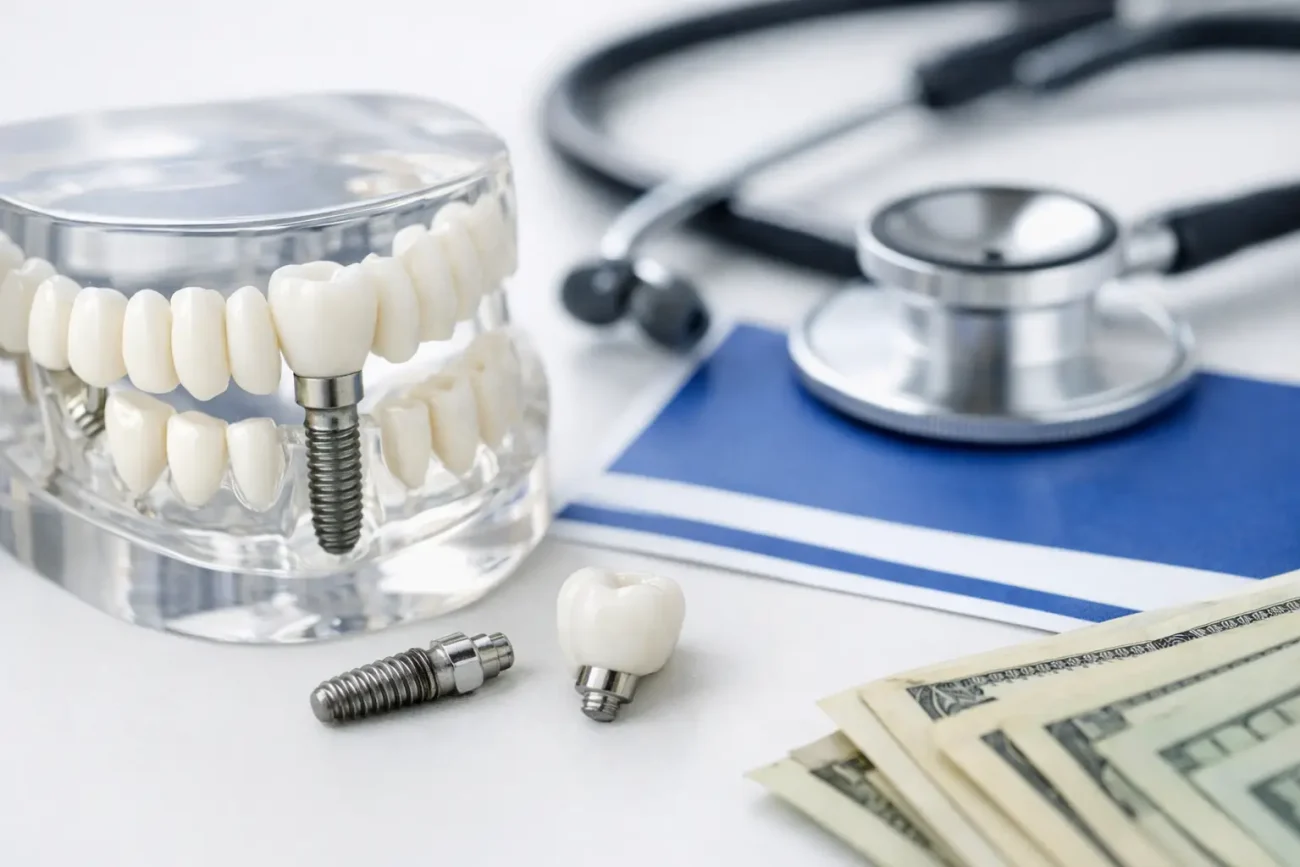
A missing tooth can turn into a much bigger problem than appearance alone. Eating gets harder, surrounding teeth can shift, and the cost of fixing it can feel out of reach fast. If you are asking, can Medicaid cover dental implants, the honest answer is yes, sometimes – but it depends heavily on your state, your age, and whether the implant is considered medically necessary.
Can Medicaid cover dental implants for adults?
In some cases, Medicaid may cover dental implants, but adult dental benefits are one of the most uneven parts of the program. Medicaid is jointly funded by the federal government and the states, which means states have a lot of control over what adult dental services they include. One state may offer broader restorative dental coverage, while another may only cover extractions or emergency treatment.
That matters because dental implants are usually viewed as a higher-cost restorative service. Many state Medicaid programs either exclude them outright or only approve them in limited situations. For adults, implants are not typically treated as a standard benefit the way cleanings, exams, or fillings might be in a more generous dental program.
Children have a different standard. Under federal rules, Medicaid must provide comprehensive dental services for eligible children through the Early and Periodic Screening, Diagnostic, and Treatment benefit. If an implant is necessary for a child in a qualifying medical situation, coverage is more possible than it is for adults, though approval is still case specific.
Why Medicaid often denies implant coverage
The biggest reason is cost. Implants are expensive, and Medicaid programs often focus limited dental budgets on basic and urgent care first. A state may decide that dentures or bridges are more cost-effective alternatives, even if they are not the best long-term option for every patient.
The second reason is medical necessity. Medicaid generally does not like to pay for services considered cosmetic or optional. If a state believes another treatment can restore basic function, it may deny an implant request on the grounds that the implant is not essential.
There is also a documentation issue. Even when implants can be covered, approval usually requires records showing bone loss, trauma, congenital conditions, cancer-related jaw issues, or another serious health factor. A routine missing tooth, by itself, may not be enough.
When Medicaid might cover dental implants
Coverage is more likely when the implant is tied to a medical condition rather than simple tooth replacement. For example, someone who lost teeth because of an accident, oral cancer surgery, or a severe congenital disorder may have a stronger case than someone seeking an implant after ordinary tooth loss.
States that offer more comprehensive adult dental benefits may also allow implants when a dentist can show they are the most appropriate treatment, not just a preferred one. That could happen when dentures would not work well because of jaw structure, or when a bridge would damage nearby healthy teeth.
Another path involves managed care plans. In some states, Medicaid dental benefits are administered through private managed care organizations. Those plans may have prior authorization rules, provider networks, and exceptions processes that affect whether implant coverage is available. The name on your Medicaid card may not tell the full story – the plan handbook usually does.
What counts as medically necessary?
This is where many claims are won or lost. Medicaid does not use one national definition for every dental service, but the basic idea is similar across programs. The treatment must be needed to diagnose, correct, or relieve a condition in a way the plan recognizes as appropriate.
For dental implants, medical necessity may be easier to prove when there is a functional health issue involved. That can include major difficulty chewing, loss of jawbone after trauma, facial structure problems, or the need for oral reconstruction after disease. A provider may also need to explain why lower-cost treatments are not suitable.
That last part matters. If dentures or bridges could reasonably restore function, Medicaid may expect those options to be used first. Even if an implant would last longer or feel more natural, that alone may not satisfy the plan’s coverage standard.
How to find out if your state Medicaid plan covers implants
Start with your state’s Medicaid dental benefit documents, not general internet answers. This is one of those topics where broad advice can be misleading because benefits vary so much from state to state.
Look for the adult dental services section and check whether the program covers major restorative care, prosthodontics, oral surgery, or implant-related procedures. If the wording is unclear, call the member services number and ask very specific questions. Ask whether implants are ever covered, whether prior authorization is required, whether coverage is limited to medical necessity, and whether there are annual dollar caps.
You should also ask your dentist’s office to verify benefits before treatment begins. Many dental offices deal with Medicaid restrictions regularly and can tell you quickly whether your state’s rules make approval realistic. If your dentist does not participate in Medicaid, that can create another hurdle even if the service itself is potentially covered.
Prior authorization is usually the key step
If implants are covered at all, prior authorization is often required. That means the dentist or oral surgeon has to submit records before the procedure and wait for the plan to approve it.
The submission may include X-rays, treatment notes, medical history, photographs, and a written explanation of why other options are not appropriate. If anything is missing, the request can be delayed or denied. This is one reason patients sometimes hear “Medicaid doesn’t cover implants” when the more accurate answer is “Medicaid rarely approves implants without extensive proof.”
A denial is not always final. Many Medicaid plans have an appeal process, and additional clinical documentation can sometimes change the outcome. If your provider believes the implant is medically necessary, it may be worth asking whether an appeal makes sense.
What if Medicaid will not cover the implant?
If the answer is no, you still have options. In many cases, Medicaid may cover part of the overall treatment even if it does not pay for the implant itself. For example, it may cover an exam, extraction, imaging, or treatment for infection.
You can also ask about lower-cost alternatives such as partial dentures, full dentures, or bridges. These may not be your first choice, but they can restore function at a much lower out-of-pocket cost. For some people, that is the most practical next step.
Dental schools and community health clinics can also help reduce costs. Some offer implant services at lower rates than private practices, though availability varies and wait times can be longer. If you are comparing options, make sure you understand the full price, including the post, abutment, crown, imaging, bone grafting, and follow-up visits. Implant quotes can look manageable until all components are added.
If you have income changes, disability status, or dual eligibility for Medicare and Medicaid, ask whether any special programs apply. While Medicare usually does not cover routine dental care, certain medically connected services may still affect the broader treatment picture.
Common situations where the answer changes
A healthy adult who wants one implant after losing a tooth to decay will usually face a tough road with Medicaid. That is the kind of case many state programs deny because a bridge or denture may be seen as adequate.
An adult with jaw damage after an accident may have a better chance, especially if reconstructive treatment is involved. The same goes for someone whose tooth loss is tied to cancer treatment or another major medical condition.
A child on Medicaid may have broader protection, but approval still depends on the facts and the provider’s documentation. The state is more likely to consider the child’s developmental and functional needs, not just the dental procedure in isolation.
Questions to ask before moving forward
Before you agree to treatment, get clear on four things: whether the provider accepts your Medicaid plan, whether implants are a covered benefit in your state, whether prior authorization has been approved, and what your out-of-pocket responsibility would be if coverage is denied.
That last question matters more than many people realize. Some offices may discuss treatment as if approval is likely, but unless authorization is in place, the financial risk may still fall on you.
For consumers trying to make a smart coverage decision, the real issue is not just can Medicaid cover dental implants. It is whether your specific Medicaid plan will approve them in your specific medical situation. That is a narrower question, and it is the one that saves time.
If you are stuck between a denial, a high estimate, and an urgent dental need, slow the process down just enough to get the benefit details in writing. A little clarity upfront can prevent a very expensive surprise later.