Car underbody shielding is a protective cover or shield designed to protect the underside of a vehicle from road damage, water, salt, and rust.
Folks in the U.S. Tend to view such shields as a manner of preserving their ride, particularly on paved areas with unpaved shoulders or heavy precipitation.
Shielding saves wear, saves repair costs and literally adds life to your car.
How Underbody Shielding Protects
Underbody shielding is a functional addition that encases the underside of a vehicle, providing a protective layer between critical components and the harsh environment under the car. It protects from damage — from rust and noise and even assists with aerodynamics and acoustics.
These panels come in handy particularly in areas such as Los Angeles, where urban driving, ocean air and beat-up roads are all dangers.
1. Physical Damage
Underbody shielding takes the initial blow when you encounter rocks, sticks or broken pavement. Critical components such as the oil pan, belts and transmission are far less likely to get dinged or cracked.
Casing these components, the shield defends against scratches and dings. It prevents little thumps from becoming expensive repair invoices.
Skid plates, a heavy-duty variant of shielding, may be necessary for off-road excursions or congested urban streets with speed bumps and pot holes. Nice shields are constructed from hard plastic or metal that can withstand harsh roads and aren’t quick to degrade.
2. Corrosion
Moisture and road salt are hard on vehicles, particularly near the coast or in the winter. Shielding prevents those direct hits from puddles and salty slush.
Which also means less corrosion on the metal components under there. Rustproof coatings are even more effective with a shield.
These treatments seal metal, but the shield prevents the majority of this wet and salt from reaching it to begin with. Even if you go so far as to wash your car, water can become trapped.
A nice, snug fit to the body lets water drain and keeps your car’s underside drier, reducing wear over time.
3. Aerodynamics
Shields flatten out the car’s bottom. This lets air flow over more smoothly, so there’s less drag.
With less air beating against the car, engines don’t have to work as hard, and fuel consumption drops slightly. Auto manufacturers engineer these shields to maintain sleekness, particularly at elevated speeds.
A smoother underbody appears neater and can conceal pipes and wires, providing a more polished appearance than cars without shields.
4. Noise Reduction
Shields quiet the rattling of rocks and road noise. They absorb some of the roar and buzz, so drives seem more serene.
Certain shield materials act as sound deadeners. This assists in maintaining the sanctity of the cabin’s quiet, particularly on coarse pavement or across extended road journeys.
Less noise even helps when selling the car later on. It adds up.
5. Thermal Management
An effective shield aids in heat management. It protects sensitive components by keeping the engine’s hot air away from parts that don’t like heat.
Others include a heat repulsion layer so belts and wires don’t degrade quite as quickly. That way your engine and components can continue to operate at optimal temperature, even in a place like L.A. Where there’s no shortage of hot days.
The Materials Behind the Shield
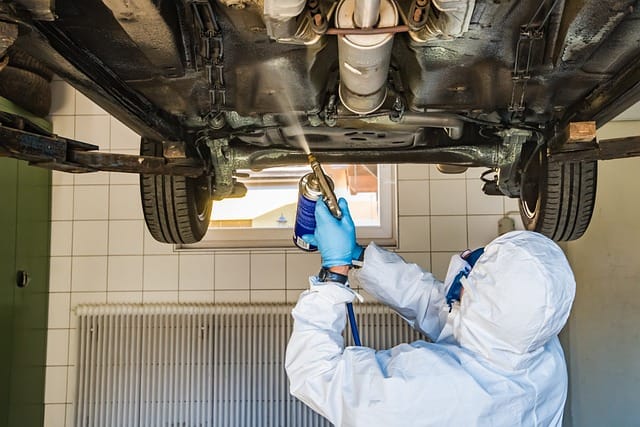
Unlike car underbody panels, which are meant to protect vital components from road debris, water, and salt, the underbody shield varies in strength, duration, and expense based on the materials used. Each material type introduces unique advantages and disadvantages that influence not only protection but also the aerodynamics and maintenance of the vehicle.
Common Materials
Plastic is the most common material for underbody shields. It’s lightweight, inexpensive, and can be molded to fit a number of different car designs. Polyolefins, a type of plastic, are often chosen because of their flexibility and chemical resistance.
Plastic shields aren’t as hard as metal or composites. They can tear, sag or break loose, particularly after years of baking in the heat and cold and road salt. As a car owner, you’ve probably dealt with the headache of repairing or taping back sagging shields that hang down like old headliners in beat-up vehicles.
Metal shields, typically steel or aluminum, provide superior defense against high-velocity strikes. They’re more durable in rough terrain but weigh heavier, which will hurt your gas mileage. Metal can rust, too—if uncoated or untreated.
Metal shields are more difficult to install because of their weight, and rusted bolts can make future repairs tricky.
Composite materials combine fibers and resins to achieve an optimal balance between weight and durability. They’re lighter than metal but stronger than most plastics. Composites have a higher upfront price and can require special tools to install.
Their maintenance is typically simpler as well, since they withstand rust and chemical damage more readily than metal or plastic. In rough climates or on salted roads, these materials last longer, making them a strong choice for drivers living in areas with harsh winters.
Advanced Composites
New composite shields provide a significant advance in capability. These incorporate glass or carbon fibers in a resin matrix, which provides them with high strength but keeps the weight down. Lower weight aids fuel economy and handling.
Unlike steel, composites don’t rust, so they last longer in wet or salty environments. The construction of these shields permits custom shapes that enhance aerodynamics. They can be shaped to tight corners, which keeps debris inside and reduces drag.
The cost is the downside, composites being more expensive to produce and purchase. Still, for drivers seeking the ultimate protection with no extra bulk, these shields make sense.
Sustainable Options
A few car makers now provide shields made from recycled plastics or bio-based composites, which cut waste and use less raw materials – again, better for the environment. Everything else aside, green shields can be just as strong and have the same life span as traditional plastics, meaning there’s minimal performance degradation.
Manufacturers are experimenting with shields that biodegrade at end of life. Some uses plastics that are recyclable into new car parts. These move the auto industry to reduce its footprint.
Reduces landfill waste by using recycled or biodegradable materials.
Cuts down carbon emissions in both production and disposal.
Drives innovation for eco-friendly materials that don’t sacrifice performance.
Shows car makers’ commitment to sustainable choices for buyers.
Factory vs. Aftermarket Shields
Choosing between factory and aftermarket underbody shields involves more than just fit; it’s about achieving the right balance of function and value tailored to your needs. Factory-installed underbody engine covers are standard on many modern cars, while aftermarket options offer a spectrum of upgrades, materials, and price points, catering to drivers seeking specialized features.
Feature | ||
|---|---|---|
Fit & Compatibility | Perfect, model-specific | Varies, may need adjustment |
Material | Usually plastic | Can be metal, fiber, plastic |
Durability | Can wear, break, scrape | Some offer improved strength |
Warranty | Yes, with OEM parts | Limited or none |
Cost | Higher | Can be much lower |
OEM Design
Factory shields are designed specifically for each vehicle. They undergo rigorous heat, impact, and weather testing to ensure they perform on U.S. Roads. This means they fit snug — no drilling or bending required to install.
OEM shields tie into the vehicle’s frame, assisting with airflow, noise reduction and sometimes gas mileage. Most car makers employ these shields to satisfy EPA noise regulations or enhance aerodynamics, which makes a difference in regions such as Southern California where city and freeway driving commingle.
With OEM shields, the car’s warranty will cover underbody repairs. Others say removing or replacing those parts can nullify that warranty. By sticking with OEM, you keep the entire car’s design and safety features working as intended.
Aftermarket Choices
There’s no shortage of aftermarket underbody shields. You’ll discover some constructed from heavy-duty steel, some in aluminum, and even some in hardy fiber composites. That said, some of these accessories can do more than just protect—they can deflect more debris, shield exposed components, or even lend some style to your vehicle’s aerodynamics.
Aftermarket shields allow you to select the best for your needs. If you do a lot of driving on gravel roads, you can purchase a metal shield that can withstand more impacts than standard plastic splash guards. A few brands even sell shields with additional vents or water drains for off-road toys.
The main attraction is price. Although OEM shields run in the hundreds, some aftermarkets begin at a couple of bucks. For older cars or band aid solutions, that saves some serious dollars.
However, as some people mention, inexpensive shields sometimes don’t fit properly or require special tools to install, and there’s a risk of rattling or scraping noises if not installed correctly.
Cost vs. Quality
Shield Type | Cost (USD) | Average Lifespan | Typical Material |
|---|---|---|---|
OEM | $100–$400 | 3–8 years | Plastic |
Aftermarket Metal | $30–$250 | 5–15 years | Steel/Aluminum |
Aftermarket Fiber | $15–$100 | 3–10 years | Fiber Composite |
Investing more up front in a metal or premium shield can save you from repair bills later, particularly if you encounter snow, salt, or rocky terrain. Folks occasionally consider shields to be “cosmetics,” but discounted oil pans or mangled exhaust will set you back far more than a durable shield.
Prices vary due to brand, material and car’s make. Metal shields are more expensive at first, but they are more durable and can withstand more abuse. If you’re trying to save money, weigh short-term price against how much you’re willing to risk on repairs down the road.
An Unseen Role in Safety
Car underbody shielding, such as the underbody engine cover, protects more than dirt and water. It’s an unseen hero of safety – helping to keep drivers and passengers secure by shielding what’s beneath the vehicle. There are fuel, brake, and suspension parts under the car’s belly. These systems keep your vehicle running smoothly, and their shielding is essential for secure driving, particularly in congested cities like LA, with road junk and potholes aplenty.
Collision Integrity
Underbody shields assist to keep the car’s frame sturdy in the event of a collision. When a car gets slammed, the shield can absorb and distribute the energy, reducing the chances that the blow will dent or fracture key components below. Shields protect safety systems such as the brake and fuel lines from being directly hit during a wreck.
This means the brakes and gas lines are less prone to leak or fail, which can stave off bigger issues shortly after a crash. Car makers really think about the way these shields are formed and attached to the car, so they don’t simply cover components, but truly assist in distributing crash forces. If that shield is absent or impaired, it can translate to more damage getting to the cabin or the car’s main frame, endangering occupants.
Component Protection
Shields protect components such as the oil pan, exhaust and transmission from rocks, branches and road salt. If these components get bumped or exposed, issues can arise quickly, such as leaks or rust. The shield protects these components to help keep them operating longer, and that saves money in repairs.
Consider, for example, a plastic shield—one can absorb the impact of road debris, but if it snaps off, the car’s components are left exposed to harm. Fixing an oil pan or replacing a rusted brake line may cost a lot more than swapping out a shield. In salt-belt states, shields prevent rust from corroding metal components. This type of unseen harm, if unchecked, can reduce gas mileage and make the car unsafe to operate.
Fire Prevention
A lot of these shields are made from heat-resistant stuff that doesn’t burn very easily. These shields prevent hot engine components from contacting anything flammable, such as dried leaves or debris trapped under the vehicle. Shields cover fuel and electrical lines, preventing sparks or heat from getting into mischief.
Some high-end shields even incorporate fire-blocking barriers or heat conduits. Without these layers, the chance of fire post-crash or even during normal driving is increased, particularly if the car collects flammable debris from the road.
Beyond the Factory Floor
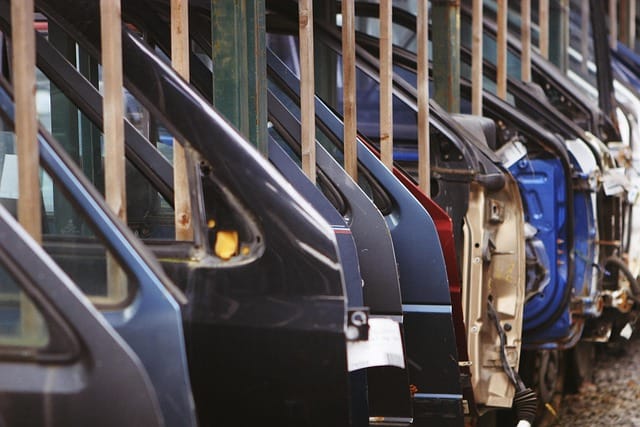
Car underbody shielding, including the underbody engine cover and plastic splash guards, goes beyond the factory, adapting to various cars and contexts to enhance aerodynamics.
Retrofitting Challenges
Older cars don’t always lend themselves easily to adding underbody shields. Very few were even designed to have them, let alone be retrofitted with them, so owners run into problems such as missing mounting points, shield shapes that don’t match up, or just not enough room.
The difficulty increases when the car has endured years of road salt, rust, or old body work. Shields have to conform with the car’s frame, exhaust, and suspension. Fitment issues could imply cutting back shields, re-tapping holes, or installing bespoke brackets.
Some owners discover that in order to replace a damaged shield, you end up having to replace all the old fasteners, which can be a pain with the older, rusted ones. Professional install advantages boil down to safety and fit. Tiny errors can result in rattling, gaps, or even shields falling off.
In some cases, a sloppily installed shield has caused more harm, not less.
Off-Road Needs
Off-road vehicles have a separate challenge when it comes to underbody protection. Sharp rocks, tree stumps, deep mud and uneven ground can shred or break shields.
Off-road shields need to extend a greater distance to protect fuel tanks, oil pans and transmission cases. They must be easy to wash post-mud/snow trips. Mounting should allow quick removal and reinstallation for repairs. Shields should not lower ground clearance more than needed.
Thicker metal construction stands up better to rock and log hits.
Reinforced mounting points prevent shields from tearing off if they become snagged.
Skid plates frequently incorporate drainage holes to prevent the pooling of mud and water.
Powdercoated finishes to help resist rust from water, snow, or salty trails.
Durability is what counts at this point. Owners in snowy regions of the US have seen snow and ice tearing off plastic shields. Even hitting a parking block or curb can break a shield, demonstrating the necessity for stronger materials.
That lone pebble can really hurt—one report detailed a pebble that pierced a shield and destroyed the timing belt, totaling the car.
EV Considerations
EVs have their own set of requirements for underbody shielding, primarily stemming from battery packs and sensitive wiring residing low in the chassis. These components require more careful protection than gasoline automobiles.
Road debris or water damage can spell expensive repairs, superhero shields are non-negotiable. Shielding is good for EV range. Numerous shields are contoured to streamline the airflow beneath the car, extending the battery’s range.
Newer shields combine rugged plastics with lightweight metals for both durability and efficiency. Rapid advancements in EV technology have resulted in shields that continue to adapt to protect novel battery and motor configurations, some of which are now constructed from composite materials to maintain an optimum weight-durability balance.
Adapting to Every Vehicle
Not all cars require the same protection. Trucks, SUVs, sedans, EVs — all have risk from the road. Some drivers desire silence, others seek power, and there are those who require armor that withstands snow, rain, or stones.
The great plastic vs. Metal shield debate rages on. Metal guards are rugged but may shake. Plastic shields are quieter, but can smash, even on something as innocent as a curb.
The Future of Underbody Protection
Car underbody shielding, including underbody panels and splash guards, is evolving quickly as technology and driver requirements change, enhancing aerodynamics and protecting vehicles from potential damage on rutted roads.
Active Systems
Detect potential threats and respond in real time with proactive underbody defenses, such as an underbody shield. Sensors embedded in the plastic shield could detect hits from rocks or road debris and then either send an adjust-the-shield signal or inform the driver. This represents a significant upgrade from ancient passive shields, which simply hang and get hammered.
Many of these active systems coordinate with other vehicle safety systems, including automatic braking or traction control. If a sensor detects ice or deep snow under the car, the underbody panels can lift or morph to deflect the worst of it, enhancing the vehicle’s aerodynamics.
In the future, cars could employ cameras or radar to scan the road ahead, preemptively shifting the splash guard before encountering a pothole or bump. This advancement would greatly reduce repair costs and help maintain your car’s condition over extended periods of time.
Smart Materials
Smart materials are beginning to make appearances in underbody shields. These materials could flex, harden or heal themselves when scratched or impacted. For instance, a shield could employ a self-healing coating that seals minor fissures when exposed to air or moisture, reducing corrosion and deterioration.
Certain new plastics and composites can morph their stiffness in response to heat or moisture. That might help shields survive longer in areas with heavy rain, snow or road salt.
There’s exciting potential for shields created from recycled plastics or even biodegradable coatings, which would be environmentally-friendly while still providing robust protection. As engineers experiment with these possibilities, the aim is to protect vehicles without introducing excess weight or compromising gas mileage.
Market Trends and Maintenance
There’s a distinct division regarding underbody shields. Off-road lovers and those who drive in inclement weather view them as a necessity, while others simply desire future peace of mind. More drivers are opting for rugged shields or bash plates, particularly if they’re inclined to go off-road with their SUV or truck.
Recent years have demonstrated that some plastic shields deteriorate quickly or even detach, resulting in reliability issues. That’s where frequent inspections and maintenance are increasingly necessary.
A cracked or loose shield can actually cause more damage than protection, so it’s wise to inspect them at oil changes or pre-winter.
Looking Ahead
Expect more use of active systems and smart materials, as better underbody shields may help cars last longer. Lighter, greener panels could become the norm.
Conclusion
To keep a car running smooth, underbody shielding makes a difference. It shields essential components from being chewed up by grime, rocks and road salt. Durable plastics or metals withstand harsh roads, so customers experience less trips to the shop. Decisions, decisions—OEM shields or rugged aftermarket ones, both have their benefits. While the majority of people will never even peek at these shields, they rise to the occasion for safety and protect components from rust and dings. New tech keeps driving shields to be more effective and lighter. For anyone on city streets or back roads, shields make cars last longer and perform better. For those of you considering enhancements or fixes, check out underbody shields. They bring actual benefit with minimal drama.
Frequently Asked Questions
What does car underbody shielding do?
Car underbody shielding, including plastic splash guards and underbody panels, defends your vehicle’s bottom from street debris, water, and salt, significantly reducing the risk of potential damage in dusty areas like LA.
What materials are used for underbody shields?
The majority of underbody shields, including lightweight plastic splash guards and durable aluminum panels, are constructed to provide corrosion resistance and protection against potential damage in harsh terrains.
Are aftermarket underbody shields better than factory ones?
While there are aftermarket splash shields that can provide extra protection or coverage, factory underbody panels are made to fit your specific car, ensuring optimal aerodynamics and reducing unusual noises.
Does underbody shielding improve safety?
Yes. Underbody shields, including plastic splash guards, help protect vital components such as the fuel lines and brake cables from potential damage, minimizing the chances of a breakdown or accident.
Can underbody shields help with noise reduction?
Absolutely. Additionally, underbody shields, such as plastic splash guards, block some road noise and vibrations, making your ride quieter and more comfortable on the jammed streets of Los Angeles.
How often should I check or replace my underbody shield?
Check your underbody shield at each oil change or after driving over rough terrain to avoid potential damage. Replace it if you find cracked, loose, or missing panels.
Is underbody shielding necessary in Southern California?
Yes. Even in mild climates like L.A., an underbody shield keeps your car safe from dust, rocks, and road debris, enhancing aerodynamics and reducing unusual noises, making it a savvy buy for vehicle longevity.