
Choosing the right car insurance can be a bit overwhelming, especially when you’re trying to figure out what kind of coverage you actually need. Collision and comprehensive insurance are two options that can safeguard your car, but each serves a different purpose. Understanding these can help you make better decisions for your vehicle and wallet. Let’s break down what these insurances cover, their benefits, and how to decide which is right for you.
Key Takeaways
- Collision insurance covers damages from accidents where your car hits another vehicle or object.
- Comprehensive insurance takes care of non-collision incidents like theft, vandalism, or natural disasters.
- The decision between collision and comprehensive insurance depends on factors like your car’s value and your financial situation.
- Full coverage typically includes both collision and comprehensive insurance along with liability insurance.
- It’s crucial to assess your driving habits and area risk to determine the best insurance coverage for your needs.
Understanding Auto Insurance Basics
What is Auto Insurance?
Auto insurance is a contract between you and an insurance company that protects you against financial loss in the event of an accident or theft. The main purpose of auto insurance is to provide a safety net, covering expenses related to vehicle damage, injuries, and other unforeseen incidents. Typically, policies include liability, collision, and comprehensive coverage, each serving a specific role in safeguarding your interests.
Types of Auto Insurance Coverage
Auto insurance comes in several forms, each offering different levels of protection:
- Liability Insurance: Covers damages you cause to others, including bodily injury and property damage. It’s usually required by law.
- Collision Insurance: Pays for damage to your car resulting from a collision with another vehicle or object.
- Comprehensive Insurance: Covers non-collision-related incidents such as theft, vandalism, or natural disasters.
Understanding these options helps you choose the right coverage tailored to your needs.
Why Auto Insurance is Essential
Having auto insurance is not just about compliance with the law; it’s about protecting yourself from financial hardship. In the unfortunate event of an accident, the costs can be overwhelming without insurance. Here are a few reasons why auto insurance is crucial:
- Financial Protection: It covers the cost of repairs, medical bills, and legal fees.
- Peace of Mind: Knowing you’re covered allows you to drive with confidence.
- Legal Requirement: Most states require at least liability insurance to drive legally.
Auto insurance is more than just a policy; it’s a promise of support when the unexpected happens. Without it, a simple accident could lead to significant financial strain.
Regularly reviewing your policy ensures it meets your current requirements and personal circumstances, ultimately safeguarding your assets and reducing financial stress. For more insights, explore our comprehensive guide on auto insurance policies.
Exploring Collision Insurance
What Collision Insurance Covers
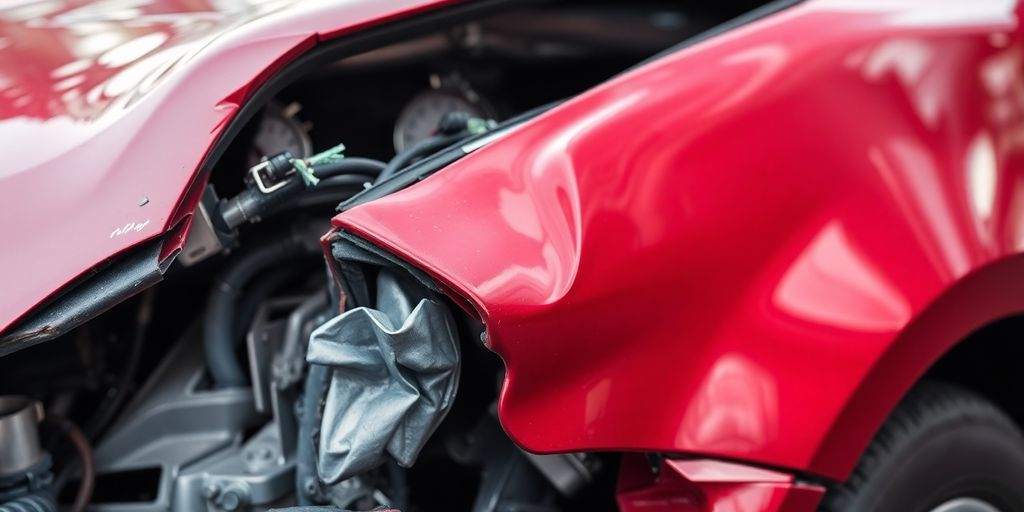
Collision insurance is all about protecting your car when it hits something else. This could be another car, a tree, a fence, or even if you accidentally slide into a ditch. It kicks in after an accident to help cover the costs of repairing your vehicle. It’s crucial for those unexpected moments when you’re involved in a fender bender or a more serious crash.
Common scenarios where collision insurance comes into play include:
- Traffic Accidents: Whether it’s a minor bump or a major crash, collision insurance helps cover repair costs.
- Hitting Objects: If you hit a guardrail, a mailbox, or a utility pole, this coverage is there to assist.
- Single-Car Accidents: Sometimes, you might lose control and end up in a ditch or hit a tree. Collision insurance helps with these too.
However, it’s important to note that collision insurance doesn’t cover damage to someone else’s property or injuries to you and your passengers.
Benefits of Collision Insurance
One of the key benefits of collision insurance is peace of mind. Knowing that you’re covered if your car gets damaged in an accident can be reassuring. It’s especially beneficial if you’re driving a newer vehicle or if you’re leasing or financing your car, as lenders often require this coverage.
- Financial Protection: Helps with repair costs, reducing out-of-pocket expenses.
- Loan or Lease Requirement: Many lenders require collision insurance to protect their investment.
- Peace of Mind: Provides assurance that you’re covered in case of accidents.
When to Consider Collision Insurance
Deciding whether to get collision insurance depends on several factors:
- New Cars: If you just bought a new car, collision insurance is a smart choice to protect your investment.
- Leasing or Financing: Most loan or lease agreements mandate having collision insurance.
- Driving Habits: If you’re often in busy traffic or new to driving, having this coverage can be beneficial.
Collision insurance is optional but can be a lifesaver in the right circumstances. It’s about balancing cost with the need for protection. If you’re prone to accidents or have a car that’s costly to repair, it might be worth the investment.
The decision to opt for collision insurance should be based on your personal situation and the value of your car. Weighing the cost of premiums against potential repair costs can help you make the right choice for your needs.
Diving into Comprehensive Insurance
What Comprehensive Insurance Covers
Comprehensive insurance is like a safety net for your car against unexpected events. It steps in where collision insurance doesn’t. Here’s what it typically covers:
- Theft: If your car gets stolen, this insurance can help recover the loss.
- Vandalism: Damages like spray paint or broken windows are covered.
- Natural Disasters: Events such as floods, hurricanes, and tornadoes can cause significant damage. Comprehensive insurance ensures you’re not left footing the bill.
- Animal Collisions: If you hit a deer or another large animal, comprehensive coverage will help with the repairs.
- Falling Objects: Whether it’s a tree branch, hail, or even an asteroid, damage from falling objects is included.
Benefits of Comprehensive Insurance
Comprehensive insurance offers a wide range of protections that can save you from hefty repair bills. Some benefits include:
- Peace of Mind: Knowing you’re covered for many non-collision incidents can relieve stress.
- Financial Protection: Helps avoid out-of-pocket expenses for unexpected damages.
- Lender Requirements: If you’re financing or leasing, lenders often require this coverage.
When to Consider Comprehensive Insurance
Deciding if you need comprehensive insurance depends on several factors:
- High-Value Vehicles: If your car is new or has a high market value, comprehensive insurance is a wise choice.
- Leasing or Financing: Many lenders require comprehensive coverage as a condition of your loan or lease.
- High-Risk Areas: Living in areas prone to natural disasters or high crime rates makes comprehensive coverage more appealing.
Comprehensive insurance is your defense against life’s unpredictable events. It’s about assessing the potential risks your vehicle might face and deciding if the coverage aligns with your financial situation and peace of mind.
For more insights on how young male drivers can manage auto insurance costs or understand the key factors in full coverage, be sure to review your policy details closely. This ensures you’re adequately protected in various scenarios including fire damage and vandalism, as highlighted in this guide.
Comparing Collision and Comprehensive Insurance
Key Differences Between Collision and Comprehensive
When it comes to protecting your car, understanding the differences between collision insurance and comprehensive insurance is crucial. Collision insurance primarily covers damages to your car resulting from accidents with other vehicles or objects. So, if you hit another car or a tree, this is the coverage that kicks in. On the other hand, comprehensive insurance covers non-collision-related incidents. This means if your car suffers damage from theft, vandalism, or a natural disaster, comprehensive insurance is your go-to.
Cost Comparison: Collision vs Comprehensive
Generally, collision insurance tends to cost more than comprehensive. This is because accidents are more frequent than events like theft or natural disasters. However, the exact cost can vary based on factors like your location, driving history, and the type of vehicle you own. Deductibles also play a role; comprehensive coverage often comes with lower deductibles compared to collision.
Choosing the Right Coverage for Your Needs
Selecting between collision and comprehensive insurance depends largely on your individual circumstances. Consider the value of your car, your driving habits, and financial situation. If your car is older and has a lower market value, you might lean towards just comprehensive coverage. However, if you’re financing or leasing your vehicle, both types of coverage might be necessary. Assess your needs carefully to make an informed decision.
Factors Influencing Auto Insurance Decisions
The Value of Your Car
When you’re deciding on insurance, the value of your car plays a big role. If you drive a brand-new car or a luxury model, you might want more coverage to protect against expensive repairs or replacement. On the flip side, if your car’s older or not worth much, you might skip some coverage to save on premiums. It’s all about balancing the cost of insurance with the potential cost of repairs.
Your Driving Habits and Risk
How you drive and where you drive can seriously affect your insurance needs. If you’re someone who racks up a lot of miles, your risk of accidents might be higher, which could mean you need more coverage. On the other hand, if you’re a weekend driver or mainly use public transport, you might get by with less. Driving in busy areas or regions with high accident rates? That might push you to consider more comprehensive options.
Financial Considerations and Deductibles
Your financial situation is another big factor. Think about how much you can afford to pay out of pocket if something happens. A higher deductible can lower your premiums, but you’ll need to have savings ready for emergencies. Here’s a quick look at how deductibles can impact your insurance:
| Deductible Amount | Monthly Premium | Out-of-Pocket Cost |
|---|---|---|
| Low ($250) | High | Low |
| Medium ($500) | Medium | Medium |
| High ($1,000) | Low | High |
Choosing the right deductible is all about finding that sweet spot between what you pay monthly and what you can handle if an accident happens.
When you’re considering insurance costs, it’s crucial to weigh these factors. The value of your vehicle, your driving habits, and your financial situation all guide your choices. Remember, your insurance should fit your lifestyle and budget, providing peace of mind without breaking the bank.
Full Coverage: Beyond Collision and Comprehensive
What is Full Coverage?
Full coverage auto insurance is like a safety net that wraps your car in protection from different angles. It usually includes liability, collision, and comprehensive insurance. So, not only does it cover damage from accidents, but it also takes care of incidents like theft, fire, or a tree falling on your car. It’s important to note, though, that full coverage doesn’t mean every possible scenario is covered. Always check the fine print of your policy to understand what’s included.
Benefits of Full Coverage
- Peace of Mind: Knowing that you have broad protection can help you drive with less worry.
- Financial Security: It covers a wide range of incidents, reducing the out-of-pocket expenses you might face after an accident or unexpected event.
- Lender Requirements: Often, if you’re leasing or financing your car, lenders will require full coverage to protect their investment.
With full coverage, you get a blend of different protections, ensuring that whether it’s an accident or a storm, you’re not left to handle the financial burden alone.
Is Full Coverage Right for You?
Deciding if full coverage is right for you depends on several factors:
- Car Value: If your car is new or holds significant value, full coverage might be a smart choice.
- Risk Factors: Consider your environment. Are you in an area prone to natural disasters or high crime? If yes, comprehensive coverage would be beneficial.
- Budget: Evaluate if the premium fits your budget while weighing the potential costs of not having full coverage.
In the end, the decision to opt for full coverage should be based on your individual needs and financial situation. Balancing cost with coverage can help you find the right policy that offers the protection you need without breaking the bank.
Making Informed Auto Insurance Choices
Assessing Your Insurance Needs
Before diving into the world of auto insurance, take a step back and think about what you really need. Do you drive a lot, or is your car mostly parked? If you hit a car without insurance, it’s essential to assess the damage and understand potential costs. Consider the kind of coverage that makes sense for your lifestyle and vehicle. It’s not just about what’s legally required; it’s about what gives you peace of mind.
Balancing Cost and Coverage
Finding the sweet spot between cost and coverage can feel like walking a tightrope. You want enough coverage to protect you without breaking the bank. Essential auto insurance provides crucial financial protection, so understanding the different types of coverage is key. You might be tempted to go for the cheapest option, but remember, cheaper isn’t always better. Think about your car’s value and your financial situation. Sometimes, paying a bit more each month can save you big bucks down the road.
Tips for Choosing the Best Policy
Picking the right auto insurance policy is like finding the perfect pair of shoes. It needs to fit just right. Here are a few tips:
- Shop Around: Don’t settle for the first quote you get. Compare rates from different companies.
- Check Discounts: Many insurers offer discounts for things like bundling policies or having a clean driving record.
- Understand Your Coverage: Know what’s covered and what’s not. This can prevent unpleasant surprises later.
Making informed choices about auto insurance isn’t just about picking a policy—it’s about understanding your needs, knowing your options, and making sure you’re covered in a way that fits your life. It’s a balance of protection and cost, tailored to you.
In some states, like Utah, understanding car insurance involves balancing cost and coverage. Maintaining a clean driving record and good credit can lower premiums. Ultimately, having adequate insurance is crucial for financial protection against unexpected events. So, take your time, do your research, and don’t rush the process.
Wrapping It Up: Choosing the Right Coverage
So, there you have it. Picking between collision and comprehensive insurance isn’t just about ticking a box—it’s about figuring out what makes sense for you and your car. If you’re cruising around in a shiny new ride or still paying off that loan, having both might be a no-brainer. But if your car’s seen better days and you’re not too worried about a few dings, maybe you can skip one or both. Just remember, accidents and surprises happen, and having the right coverage can save you a lot of headaches and cash down the line. Take a good look at your situation, weigh the costs, and make the choice that gives you peace of mind. Happy driving!
Frequently Asked Questions
What is the difference between collision and comprehensive insurance?
Collision insurance covers damage to your car from accidents involving other vehicles or objects. Comprehensive insurance covers non-collision events like theft, vandalism, or natural disasters.
Do I need both collision and comprehensive insurance?
If you lease or finance your car, you likely need both. If you own your car outright, consider your car’s value and your ability to pay for repairs out of pocket.
Is full coverage the same as having both collision and comprehensive insurance?
No, full coverage usually includes collision, comprehensive, and liability insurance. It’s a broader protection plan, but not a specific type of insurance.
When should I consider getting collision insurance?
Consider collision insurance if you have a new car, are leasing or financing, or if you’re prone to accidents. It helps cover repair costs after a crash.
Why might comprehensive insurance be a good choice?
Comprehensive insurance is ideal if you live in areas prone to natural disasters or theft. It covers damages from events other than collisions.
What factors should I consider when choosing my deductible?
Choose a deductible based on how much you can afford to pay upfront in case of a claim. A lower deductible means higher premiums, while a higher deductible lowers your premiums but increases out-of-pocket costs.
One thought on “Essential Guide: Collision vs Comprehensive Insurance for Car Owners”