Full coverage motorcycle insurance costs in the US run anywhere from about $350-$900 a year, depending on your age, type of bike, where you live and your record.
LA and Miami riders pay a bit more due to the increased accident rates and theft risk. Rates vary with coverage choices and deductibles.
The meat goes over what impacts these rates, along with how riders in the U.S. Reduce their premiums.
What Affects Full Coverage Motorcycle Insurance Costs?
Full coverage motorcycle insurance costs are influenced by a combination of personal information, your motorcycle’s specifications, your geographical location, and your coverage needs. Understanding how these factors play together assists motorcycle riders in predicting average motorcycle insurance costs and making informed decisions.
1. Your Profile
Younger riders, particularly the 16–17 age group, typically pay $100 a month or more for full coverage. Carriers consider young, inexperienced riders to be more risky. Riders in their 40s might find rates closer to $50–$60 per month, with the lowest rates typically in their 20s and 30s.
Rates can rise a bit again for those individuals in their 60s and 70s. Experience counts, as well. A clean record and more years on the road typically translate to a cheaper price, whereas any history of tickets or crashes will push your rates upward.
In most states, insurers look at your credit score—better scores mean cheaper premiums, so it’s definitely worth monitoring your credit health.
2. Your Bike
What type of bike you have makes a huge impact. Sport bikes, fancy cruisers and modifications can cost more than the standard models. Custom parts or modifications can mean you’ll require additional coverage, which leads to an increased rate.
Bikes with high-end safety tech, such as ABS anti-lock brakes or GPS-based theft recovery engines, could reward discounts with certain insurers. The engine’s displacement and horsepower are considerations—motorcycles with larger or high performance engines are considered more dangerous, and therefore get higher insurance premiums.
3. Your Location
Where you live is an obvious influence on your rates. City living tends to lead to higher rates due to increased congestion, theft, and accident claims. For instance, Florida’s average premium is approximately 63% higher than the national average, while South Dakota’s is nearly 40% lower.
State laws and insurance requirements factor in here significantly as well. Local theft rates count, too—if thefts are spiking, that can bump up everyone’s rates in the area. Weather factors in, too – areas with extended, icy winters or rainy seasons may have higher claims, which can drive rates higher.
4. Your Coverage
Higher limits mean a higher premium, but more protection. Full coverage is more expensive than minimum liability, with national averages at approximately $571/year for full coverage vs. $154 for liability-only. Comprehensive and collision guard against theft, vandalism and most types of damage.
Extras like roadside assistance or gear coverage can drive up expenses. Choosing a higher deductible can reduce your monthly premiums, but means you’ll pay more out of pocket if you make a claim.
5. Your Usage
Riders on their bikes here and there—say, on the weekends—could get discounts. Commuters, or daily door to door riders, typically pay more because they’re on their bikes more often.
Mileage matters as well — exceeding established annual limits can alter your premium or coverage status. Seasonal riders, particularly in colder states, may be willing to suspend or reduce coverage in the off-season to save.
National Cost Landscape
Were to try and compare full coverage motorcycle insurance rates, would be very different across the U.S. On a national level, basic (liability only) coverage costs around $154 per year and full coverage costs $571 on average. These figures don’t quite capture the entire story.
They range from just $7 a month in some states up to $86 a month in others. There are lots of things that influence these costs, from the type of bike you have, to your location, to the season. Below is a quick look at averages by state and the country as a whole:
Location | Minimum Coverage | Full Coverage |
|---|---|---|
National Average | $154/year | $571/year |
California | $200/year | $800/year |
Florida | $180/year | $650/year |
Texas | $120/year | $500/year |
New York | $300/year | $1,000/year |
Ohio | $90/year | $300/year |
Lowest State | $83/year | $150/year |
Highest State | $400/year | $1,446/year |
Motorcycle insurance prices change. Premiums are increased during the spring and summer, typically May through September, when there are more riders actively using the roads. These peak season rates can be 20-30% higher than off-season rates.
Urban areas experience much higher rates—urban riders pay 40-50% more than rural ones, primarily due to theft, increased crashes and denser traffic. Trends indicate that sport bikes cost 2-3 times more to insure than cruisers by virtue of higher risks and performance.
In looking at state averages, New York and California are well above the national average, with Ohio and a few other mid-western states trailing significantly below. This gap stems from variations in road laws, weather, accident rates, and the number of insurers competing in each state.
Insurer competition dials down rates in markets with more options. Where demand is strong but competition weak, prices rise. Dropping collision and comprehensive coverage for older bikes worth less than $5,000, while maintaining robust liability, frequently reduces premiums by 40-60%.
High-Cost States
State | Full Coverage Avg. | Key Drivers |
|---|---|---|
New York | $1,000/year | Dense traffic, high theft, strict laws |
California | $800/year | High demand, expensive repairs, urban areas |
Louisiana | $900/year | Severe weather, fraud, fewer providers |
State regulations are significant. For instance, states with stringent liability caps or special mandates drive premiums higher. Dense cities equal more crashes and thefts, so they charge more.
New York, with its population and traffic congestion, is a perfect case in point. Greater accident rates in these states translate to more claims, so insurers charge more to cover their risks. Urban density in these states crams more people and cars into tinier spaces.
That translates into increases in accidents, repair costs and claims. They all push insurance costs higher.
Low-Cost States
The states with the least expensive motorcycle insurance are OH, IA & ND. These states experience reduced rates due to fewer riders as well as less traffic and low theft rates.
Less claims equals less cost for insurers, so they pass on those savings. Riders in these locales generally enjoy roomier roadways and fewer accidents.
Living in a low-cost state makes all the difference for motorcycle enthusiasts. Not only do you save on insurance, but you contend with less hassle from claims and paperwork.
Most of these states remain well-covered, with plenty of choices from local and national insurers alike.
The Hidden Costs of Coverage
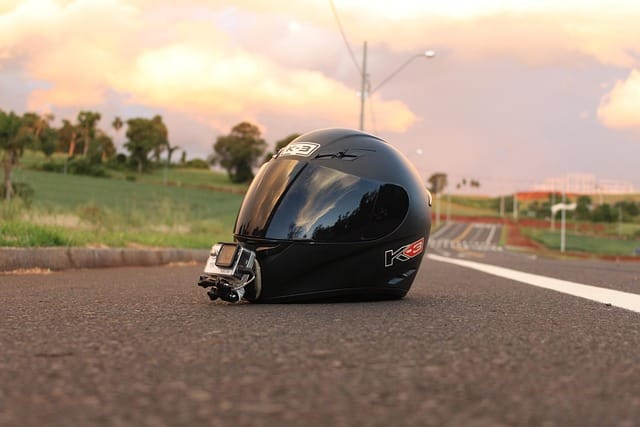
There are hidden costs to full coverage motorcycle insurance that can affect the average motorcycle insurance cost. Factors like underinsurance, claims history, and seasonal premium hikes can increase motorcycle insurance premiums or leave riders vulnerable. Understanding these hidden costs allows motorcyclists in the U.S. to make informed decisions about their insurance coverage.
Underinsurance Pitfalls
Insufficient coverage may appear to be frugal, but it can rebound fast. If you have just state minimum liability and get in a wreck, you may pay thousands. For example, raising your coverage from the minimum to 100/300/50 can tack on $150-300 a year, but could save you from shouldering the $4,000 average repair bill if your limits are too low.
Underinsurance can translate to legal headaches. At least a few states fine or otherwise penalize riders for not carrying enough coverage, which can add on top of accident costs. Riders should verify their coverage limits annually – especially if they’ve purchased a new bike or moved states.
Claim Impact
Claiming, and particularly an at-fault claim, will almost always result in higher rates. The increase can be steep: rates typically jump 20-45% for three years after a single at-fault accident. Several claims can even have your policy dropped, making it more difficult to secure coverage in the future and pushing you into high-risk pools with drastically increased rates.
At-fault claims hurt more than not-at-fault, but even a few of those can raise eyebrows. New riders get it worst—premiums tend to start out 50-70% higher than seasoned riders, but decline 10-15% a year if you go claim-free. In the long term, though, a spotless record is the only thing that will keep coverage cheap.
Seasonal Premiums
Motorcycle insurance isn’t always just one price for the entire year. Some insurers even provide ‘lay-up’ or seasonal policies in snow belt states. If you only ride in the summer, you could save by dropping collision and comprehensive coverage for the off-season — particularly if your bike is on the older side and worth less than $5,000. This can reduce premiums by 40-60%.
Weather factors in as well. Rainy, icy areas have more accidents and higher rates. Fair weather riders can occasionally wrangle a cheaper premium — but only if they truthfully report their true mileage and season of use.
Insuring Classic Motorcycles
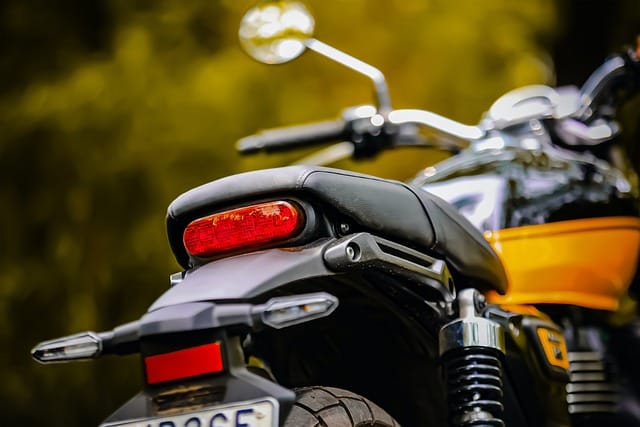
Insuring classic motorcycles takes a different route than insuring regular bikes. Older bikes, sometimes 20 to 30 years and above, are worth more than the ride. Some consider a bike classic at 25+, others say vintage at 25 and antique after 35. Value isn’t only age. It’s about condition, original components, model, and even the story behind the bike.
Insurers examine these specifics to craft a tailored policy. Most classic motorcycle coverage uses agreed value—not actual cash value—to bypass the depreciation you’d notice with newer bikes. Owners must adhere to restrictions regarding how and when the bike is ridden—typically, not for commuting. These limits, along with the unique manner in which value is determined, influence your premiums and claims process.
Agreed Value
Agreed value coverage means you and the insurer both determine ahead of time what your classic motorcycle is worth. This number holds, regardless of market value shifts or typical depreciation. If your bike is stolen or totaled, you get the full agreed value—not a lesser market value or depreciated value.
This is crucial for classic bikes as they tend to appreciate, not depreciate. A 1972 Honda CB750 in good condition could be worth more every year, instead of less, like most new bikes. Agreed value guards you against getting screwed if valuations go up or your bike is ‘special’ due to rare options or enhancements.
Insurers will request photos, documentation, possibly even an appraisal, to assist in establishing this value. Just having a policy like this can give peace of mind and ensure you’re not left short if something happens.
Usage Restrictions
Classic motorcycle insurance usually has caveats that can affect the average motorcycle insurance cost. Insurers want to know how frequently and why you ride the bike. Most policies have mileage limits, often a few thousand miles a year. The reasoning is that the less you ride, the less risk you pose, which can lead to lower motorcycle insurance rates.
Classic bike insurance typically implies that you’re not utilizing it to commute or to do errands. If you barely take your bike to shows or weekend rides you may get a lower rate. Exploiting it outside the deal—like commuting every day—can lead to issues. Claims may be refused or your premiums could increase.
Certain policies will even specify that the bike is for display or exhibition purposes only. Breaking these usage rules can signify you’re not covered in the event of a crash. Be sure to read the fine print and consult your motorcycle insurance company if you’re looking to alter your classic motorcycle usage.
The Value Factor
Determining the value of your classic bike is not straightforward. Age is only a piece. Insurers will consider the make, model, and rarity. Well-maintained bikes, such as a 1965 Triumph Bonneville or a restored Harley-Davidson Shovelhead, could be worth a lot more than ordinary.
Upgrades count, as well. If you’ve restored the bike with all original parts, or if it has special custom work, those add to the agreed value. All this impacts your premium. The rarer or more valuable the bike, the more it costs to insure.
Specialist Insurers
Not every insurance company handles classic motorcycles well. Some specialize in these bikes, understand the marketplace, and provide appropriate coverage. They know agreed value, mileage requirements, and the classic motorcycle community.
Specialist companies are typically more inclined to work with owners on specific requirements. They can provide variable policies for bikes that attend shows or require special parts coverage.
How to Lower Your Premium
Sure, while the average motorcycle insurance costs can be high, full coverage motorcycle insurance doesn’t have to break the bank. Lowering your motorcycle insurance premiums often comes down to being a savvy shopper and showing that you are a safe rider.
Smart Shopping
Shopping around for different insurance companies is one of the easiest ways to lower your premium. All insurers use their own formulas to set prices, so there can be a big spread in what you pay. Use online quote tools to price-shop fast — it’s easier to see who really gives you the best deal.
Consider customer reviews and third-party ratings, not simply cost. A good service company can save you headaches if you ever end up filing a claim. ALWAYS inquire about discounts for things such as safe riding or being a loyal customer—they’re not always listed.
Available Discounts
- Multi-policy discounts for bundling motorcycle, auto or home insurance.
- Lower rates for completing approved rider safety courses.
- Discounts for putting in anti-theft or additional protection.
- Low annual mileage discounts, if you ride less than average.
- Lower rates for paying your premium up front rather than monthly.
- Seasonal insurance for those who park their bike half the year.
Rider training saves you big! A lot of insurers offer safe riding bonuses, so training courses are among the quickest ways to lower your premium. Bundling your moto policy with auto or renters insurance can knock a nice sized chunk off your overall premium.
If you add anti-theft devices or safety upgrades to your bike, you might be eligible for even more discounts.
Rider Training
Taking a certified motorcycle safety course demonstrates to insurance carriers that you’re serious about safety. That by itself can bring your rate down, and some insurers even mandate it for their most favorable rates.
In addition, being a certified rider can potentially unlock more coverage options and occasionally lower deductibles. Continuous training, such as elite skills courses, will assist you in maintaining a low premium year after year.
In LA, organizations such as the CHP and LA local community colleges provide rider safety courses, which are accepted by most insurance companies.
Other Ways to Save
Keeping your annual mileage under control can assist, particularly if you’re not riding on a daily basis. Opting for a higher deductible will reduce your monthly fee—merely be aware you’ll pay more out-of-pocket if you end up having to file a claim.
Others save by converting to seasonal insurance and insure their bikes only during months they actually ride.
Decoding Your Policy
A full coverage motorcycle insurance policy in the U.S. blends multiple protections, but not all motorcycle insurance companies offer the same coverage levels. Understanding what each section means and how it functions is essential for securing the proper fit, especially in expensive states like California, where average motorcycle insurance costs can be steep.
Liability coverage: This pays for damage or injuries you cause to others in a crash. It includes bodily injury per person, per accident and property damage. When you raise your liability limits, all three move up together so you get more protection across the board.
Collision coverage: This pays for repairs to your bike after a wreck, no matter who’s at fault. Your deductible — the portion you cover — dictates your premium. For instance, increasing your deductible from $500 to $1,000 can reduce your premium by 15-20%, and $2,000 can save you 25-30%.
Comprehensive coverage: This protects you from non-crash risks like theft, fire, or vandalism. With L.A.’s theft rates, full coverage can be a need for the majority of bike owners.
Uninsured/underinsured motorist: This covers your costs if you’re hit by a driver with too little or no insurance. Here in California, where not everyone is covered, this can be a critical piece.
Discounts and special cases: Completing a safety course might score you a 5-15% discount. Anti-theft devices could save you 5-20%. Bundling with home or auto policies can shave as much as 25% off the price. Custom bikes, however, command 25-40% greater premiums than stock models. Anticipate city rates at 30-40% higher than rural ones.
Liability
Liability coverage protects your assets if you’re discovered to be responsible for injuring another person or damaging their property. Bodily injury handles the other guys medical bills, and property damage covers repairing or replacing their loot. California establishes minimum limits, but many policyholders buy more for additional peace of mind.
Increasing all three—bodily injury per person, per accident, and property damage—amplifies your safety net should a severe crash occur.
Collision
Collision coverage repairs or replaces your bike following a crash, regardless of fault. It’s how you manage to get back on the road quickly. If you have a high-value or new bike, collision can be a godsend.
Higher deductibles, like $1,000 or $2,000, translate to even lower monthly bills—20-30% less than $500 deductibles—but you’ll need enough savings to cover the bigger out-of-pocket strike.
Premiums for custom bikes are steeper, occasionally 25-40% above stock, due to the additional expense of specialty components. Still, for anyone barreling through a congested city, collision coverage is usually not optional.
Comprehensive
Comprehensive covers what collision doesn’t–things like theft, fire, vandalism or natural disaster. In cities like L.A., where car burglary is a frequent occurrence, cutting this coverage can leave you vulnerable.
Who cares if it was taken while parked or stolen from your driveway? If your bike is a big investment, full coverage helps safeguard that investment. Remember, higher deductibles here reduce your premiums, but as with collision, you’ll need to have savings stashed away.
Uninsured Motorist
Uninsured motorist coverage kicks in if you get slammed by someone who doesn’t have insurance or sufficient coverage. This is particularly crucial in areas with high numbers of uninsured motorists.
If you pass on this, you risk paying for your own injuries and bike repairs even when you weren’t at fault. It’s helpful to know the difference: uninsured covers accidents with drivers who have no insurance, while underinsured kicks in when their limits aren’t enough.
Without it, you risk big out-of-pocket bills.
Conclusion
Full coverage motorcycle insurance costs swings a lot around the U.S., and what you pay is based on where you live, your bike and your own record. Big city riders tend to have bigger bills, and small-town folk can score lower rates. Classic bikes require a separate configuration, so guys with the old-school rides dope to those choices. Most riders discover discounts to reduce their bills, like safe rider courses or higher deductibles. Read your policy near. Identify things you may not require. Spending a little extra on full coverage can rescue you huge down the road. Want to trim your expenses or locate a better match? Compare prices, inquire, and maintain current details.
Frequently Asked Questions
What is full coverage motorcycle insurance?
Full coverage motorcycle insurance, which includes liability, collision, and comprehensive coverage, not only protects you when you cause an accident but also addresses average motorcycle insurance costs for damage to your bike from crashes, theft, or weather.
How much does full coverage motorcycle insurance cost in the U.S.?
On average, the motorcycle insurance cost for full coverage runs $200 to $700 a year nationwide. Factors like your location, bike model, and riding experience can affect your motorcycle insurance premiums.
What factors increase full coverage motorcycle insurance costs?
Your age, driving record, location, bike value, and coverage limits significantly influence motorcycle insurance costs. High-performance or custom bikes, as well as living in urban areas, typically lead to increased motorcycle insurance premiums.
Are there hidden costs in a full coverage motorcycle policy?
Yes. Deductibles, add-on surcharges and coverage gaps can increase your overall price. ALWAYS check your policy details before purchasing!
Does insuring a classic motorcycle cost more?
Yes, your classic/vintage bike typically incurs higher motorcycle insurance costs. These bikes can be more difficult to fix and may require specialized motorcycle insurance coverage for their worth.
How can I lower my full coverage motorcycle insurance premium?
Take a safety course, keep a clean ride record, bundle motorcycle insurance policies, and shop around for average motorcycle insurance rates.
What should I look for in a full coverage motorcycle insurance policy?
Review motorcycle insurance coverages, coverage limits, deductibles, exclusions, and optional add-ons. Just be sure the policy suits your needs and provides sufficient coverage for your bike and your budget.