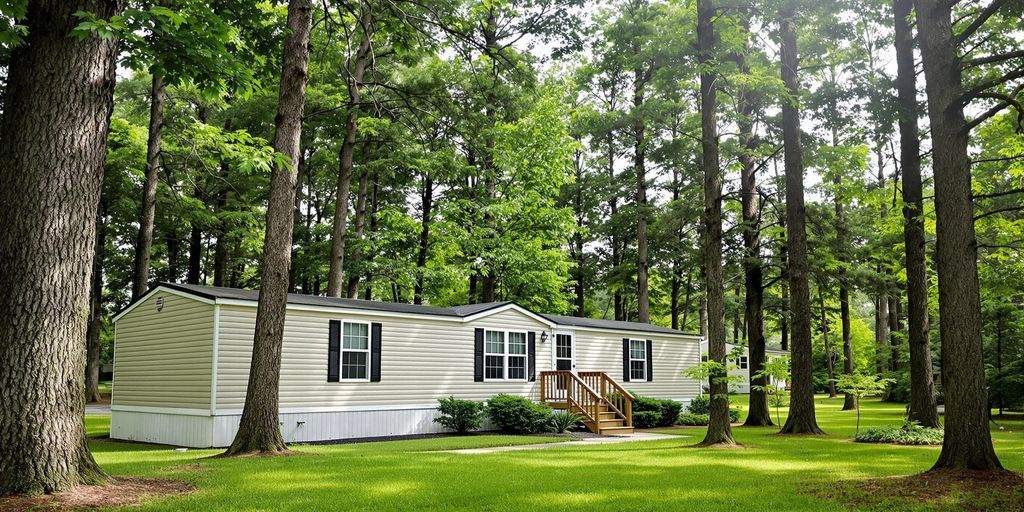
So, you’ve got a home in North Carolina, or you’re thinking about getting one. Either way, home insurance is something you can’t ignore. It’s like that safety net you hope you never need but are super thankful for if something goes wrong. This guide is all about breaking down the ins and outs of home insurance in North Carolina. It’s not just about picking a policy; it’s about knowing what you’re getting into and making sure your home is covered from every angle.
Key Takeaways
- Home insurance isn’t one-size-fits-all. Different policies cover different things, so pick one that fits your needs.
- North Carolina has its own set of rules for home insurance. It’s important to know them so you don’t get caught off guard.
- Natural disasters like floods and hurricanes can hit hard in North Carolina. Make sure your policy covers these risks.
- Don’t forget about the extras. Things like liability coverage and identity theft protection can be lifesavers.
- Regularly check your policy to see if it still makes sense for you. Things change, and your insurance should too.
Understanding Home Insurance Basics
When it comes to protecting your home, understanding home insurance is key. Home insurance is not just a safety net; it’s a necessity. It helps cover the costs if your home gets damaged or if someone gets hurt on your property. Here’s a quick breakdown:
Types of Home Insurance Policies
There are several types of home insurance policies available:
- HO-1: Basic form, covers specific perils.
- HO-2: Broad form, covers more perils than HO-1.
- HO-3: Special form, the most common, covers your home and personal property against a wide range of risks.
- HO-4: Renters insurance, protects personal belongings for those who rent.
- HO-5: Comprehensive form, offers the most extensive coverage.
- HO-6: Condo insurance, tailored for condo owners.
- HO-7: Mobile home insurance, designed for mobile homes.
- HO-8: Older home insurance, for homes where replacement costs might exceed market value.
Key Coverage Areas
Home insurance typically covers several key areas:
- Dwelling Coverage: Protects the structure of your home.
- Personal Property Coverage: Covers your belongings inside the home.
- Liability Protection: Protects you from legal claims if someone gets injured on your property.
- Additional Living Expenses: Covers costs if you need to live elsewhere while your home is being repaired.
Factors Affecting Premiums
Your insurance premium can change based on a few factors:
- Location: Areas prone to natural disasters may have higher rates.
- Home Value: More expensive homes usually cost more to insure.
- Deductibles: Choosing a higher deductible can lower your premium.
- Claims History: If you’ve made claims in the past, it might raise your rates.
Understanding these basics can help you choose the right policy for your needs. It’s important to shop around and compare options to find the best coverage for your situation. Don’t forget to look into homeowners insurance options that suit your unique needs.
Navigating Home Insurance in North Carolina
State-Specific Regulations
In North Carolina, home insurance isn’t just a one-size-fits-all deal. The state has its own set of rules that shape how insurance works here. Understanding these can save you some headaches down the road. For instance, North Carolina requires insurers to offer coverage for wind and hail damage, especially in coastal areas. This means if you live near the coast, your policy might look a bit different than someone living inland.
Common Risks and Coverage Needs
Living in North Carolina comes with its own set of risks, like hurricanes and flooding. These aren’t just things you see on the news—they can hit home fast. You might want to think about adding flood insurance if you’re in a flood-prone area. And don’t forget about wind and hail coverage, which is pretty essential around here. It’s all about making sure you’re covered when Mother Nature decides to make a visit.
Choosing the Right Insurer
Picking the right insurer can feel like a chore, but it’s super important. Start by checking out different companies and what they offer. Look at the high-value home insurance policies if your home falls into that category. You want an insurer that gets the local scene—one that knows North Carolina inside out. Ask around, read reviews, and maybe even talk to a few agents to see who fits your needs best.
"Having the right insurance can be the difference between a minor setback and a major financial crisis. Do your homework, and don’t be afraid to ask questions. It’s your home, after all."
Protecting Your Home from Natural Disasters
Flood Insurance Considerations
Living in North Carolina, you’re no stranger to the rain. Sometimes, it feels like the state has its own monsoon season. But here’s the kicker: a lot of folks think their regular home insurance covers floods. Spoiler alert: it usually doesn’t. That’s where flood insurance comes into play. The National Flood Insurance Program (NFIP) is a good place to start if you’re considering this extra layer of protection. It’s managed by FEMA and offers policies through a bunch of different insurance companies. If you’re in a low-lying area, or anywhere near water, it might be a smart move. You never know when that creek in your backyard will decide to become a river.
Wildfire and Storm Coverage
Now, wildfires might not be the first thing you think of when it comes to North Carolina, but they happen more than you’d guess. Especially if you’re living near wooded areas. Make sure your insurance policy covers wildfire damage. It’s better to be safe than sorry. And don’t forget about those storms. Hurricanes and tornadoes can wreak havoc. Double-check that your policy covers these natural disasters. If you’re unsure, give your insurance provider a ring and ask them to spell it out.
Earthquake and Landslide Protection
Earthquakes in North Carolina? Yep, they happen, though not as often as on the West Coast. Still, it’s worth considering earthquake insurance if you’re in a risk area. Landslides are another beast entirely. With all the hilly terrain around, a big storm can trigger a slide that could bury your home. Some insurance policies might not cover this, so it’s worth looking into specialized coverage. Don’t just assume you’re covered—ask questions and read the fine print. Better to know now than find out the hard way later.
"When it comes to protecting your home, it’s not just about having insurance—it’s about having the right insurance for the right risks. And in North Carolina, those risks can be as varied as the weather."
Specialized Home Insurance Options
Insurance for Historic Homes
Owning a historic home is like holding a piece of history, but it comes with its own set of challenges. These homes often have unique architectural features and materials that can be costly to repair or replace. That’s where specialized insurance for historic homes comes in. This type of insurance ensures that if something happens, you’re covered for the actual cost of restoring your home to its former glory, rather than just the market value. When you’re dealing with antique fixtures and custom woodwork, this can make a huge difference.
Here’s what you should consider:
- Replacement Cost Coverage: Make sure your policy covers the cost to repair or replace with similar materials.
- Ordinance or Law Coverage: This helps cover the cost if you need to bring your home up to current building codes after a loss.
- Specialized Repairs: Look for policies that cover the unique repairs needed for historic homes.
Mobile Home Insurance Policies
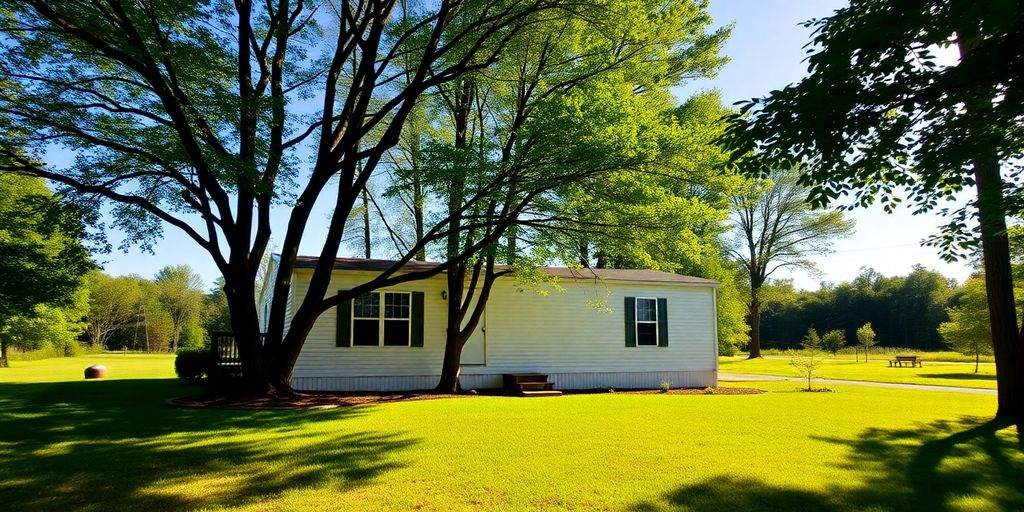
Mobile homes, unlike traditional homes, face different risks due to their structure and mobility. Specialized coverage for mobile homes addresses these unique risks, ensuring that from transport to setup, your mobile home is insured every step of the way.
Key things to look for in a mobile home policy include:
- Physical Damage: Covers your home from perils like fire, hail, and vandalism.
- Liability Protection: This is crucial if someone gets hurt on your property.
- Additional Living Expenses: Covers costs if you need temporary housing due to a covered loss.
Condo and Rental Property Coverage
If you own a condo, the insurance needs are a bit different. Condos require a specialized policy known as HO-6. This covers personal property and interior structures, plus liability coverage. Understanding the various policies like HO-3, HO-5, and HO-6 helps ensure you’re adequately covered.
For rental properties, landlords should consider policies that protect their investment. These typically cover:
- Property Damage: Safeguards against damage from tenants or natural disasters.
- Liability Coverage: Protects if someone is injured on your property.
- Loss of Rental Income: Covers lost income if your property is uninhabitable due to a covered loss.
Insurance is about peace of mind. Whether it’s a historic gem or a mobile home, having the right coverage means you can focus on enjoying your home without worry.
Enhancing Your Home Insurance Policy
Adding Liability Coverage
Liability coverage is like that safety net you never knew you needed until you do. It’s the part of your home insurance that kicks in if someone gets hurt on your property or if you accidentally damage someone else’s stuff. Think of it as your financial shield against unexpected mishaps. Here’s what you might want to consider:
- Check your limits: Make sure your policy covers enough. You don’t want to be caught short if something big happens.
- Umbrella policies: These can offer extra protection if your standard liability coverage isn’t enough.
- Consult an agent: They can help you figure out what’s best for your situation. Sometimes, talking to a pro can save you a lot of headaches.
Identity Theft Protection
Identity theft is a real pain and can cause all sorts of trouble. Some insurance policies offer identity theft protection, which can help if someone nabs your personal info. Here’s how it works:
- Monitoring services: Some policies will keep an eye on your credit and alert you to suspicious activity.
- Recovery assistance: If your identity is stolen, some insurers will help you clean up the mess.
- Cost coverage: They might cover the costs related to recovering your identity, like legal fees or lost wages.
Emergency Evacuation and Accommodation
Sometimes, life throws curveballs like natural disasters or fires, and you might need to leave your home temporarily. That’s where emergency evacuation and accommodation coverage comes in handy:
- Temporary housing: Your insurance might pay for a place to stay if you can’t live in your home.
- Evacuation costs: Some policies cover the costs of getting you and your family to safety.
- Living expenses: This can include things like food and transportation while you’re away from home.
Having these enhancements in your home insurance policy can make a world of difference when life gets unpredictable. It’s about having that peace of mind, knowing you’re covered no matter what comes your way.
Adding these extra layers to your home insurance policy can be like putting on a sturdy raincoat before a storm. You hope you won’t need it, but you’re sure glad you have it when the clouds roll in. Plus, understanding the claims process can help you navigate any issues smoothly if you ever need to use your coverage.
Tips for Lowering Your Home Insurance Costs
Looking to save a few bucks on your home insurance? You’re in luck! Here are some straightforward tips to help you keep those premiums down.
Bundling Insurance Policies
One of the easiest ways to cut costs is by bundling. Think of it like buying in bulk at the grocery store—the more you buy, the more you save. By combining your home insurance with other policies, like auto insurance, you might score a sweet discount. It’s worth asking your provider about these deals.
Improving Home Security
Adding a few security features can make a big difference. Consider installing smoke detectors, burglar alarms, or even a basic security system. These not only make your home safer but can also lead to discounts on your premiums. It’s a win-win!
Regular Policy Reviews
Don’t just set it and forget it. Make it a habit to review your policy every year. Circumstances change, and so do insurance needs. Maybe you’ve added a new room or upgraded your kitchen. These changes can affect your coverage needs and costs. Plus, you’ll want to ensure you’re not paying for coverage you no longer need.
"Insurance is one of those things that’s easy to overlook, but a little attention can lead to big savings."
By taking these steps, you’re not just saving money; you’re also ensuring your home is well-protected. So, give these tips a try and see if you can lower your home insurance costs today!
Making a Home Insurance Claim
Understanding the Claims Process
Filing a home insurance claim can be a bit like fixing a flat tire. You know it’s necessary, but it’s not something you look forward to. The first step is to notify your insurer as soon as possible. This means picking up the phone or hopping onto their app or website. Most insurance companies make this part pretty simple, with various options to get the ball rolling.
Documenting Damage and Loss
Once you’ve alerted your insurer, it’s time to play detective. Grab your phone and start snapping photos of the damage. You want clear images that show exactly what’s wrong. Write down what happened and when. If you’ve got receipts or any proof of ownership, keep them handy. This documentation is your golden ticket to a smoother claims process.
Working with Insurance Adjusters
After you’ve filed your claim, an insurance adjuster will likely visit to assess the damage. Think of them as the referee in a game—they’re there to make sure everything’s fair. Be ready to show them the damage and share the documentation you’ve gathered. Stay on top of communication and don’t hesitate to ask questions if something’s not clear. The goal is to make sure you and your insurer are on the same page.
Filing a claim can feel overwhelming, but staying organized and communicating clearly can make the process much more manageable. Remember, your insurer is there to help, so don’t be shy about reaching out for assistance if you need it.
For more detailed steps on insuring a house under construction or to learn about filing insurance claims, check out the resources available from your insurer. They often have guides that can walk you through each step of the process. And if you’re looking to ensure your claim gets paid, remember to file promptly and document everything thoroughly. If you’re unsure about any part of the process, don’t hesitate to consult with your insurance provider or seek professional advice.
Wrapping It Up
Alright, folks, we’ve covered a lot about keeping your home in North Carolina safe and sound. From wildfires to floods, and even the odd mudslide, there’s a lot to think about when it comes to insurance. But don’t let it overwhelm you. The key is to know what risks your area faces and make sure your insurance covers those. It’s like having a safety net for your peace of mind. So, take a deep breath, maybe grab a cup of coffee, and review your policy. Make sure it ticks all the boxes for your needs. And remember, it’s not just about protecting your house; it’s about safeguarding your home, your memories, and your future. Stay safe out there!
Frequently Asked Questions
What is home insurance?
Home insurance is a type of coverage that helps protect your house and belongings from damage or loss caused by events like fires, storms, theft, and more.
Why do I need home insurance in North Carolina?
In North Carolina, weather events like hurricanes and floods can cause significant damage. Home insurance helps cover repair costs and provides peace of mind.
What does a typical home insurance policy cover?
A typical home insurance policy covers damage to your home and belongings from events like fire, theft, and certain natural disasters. It may also include liability coverage if someone gets hurt on your property.
How can I lower my home insurance costs?
You can lower your home insurance costs by bundling policies, improving home security, and regularly reviewing your policy to ensure you’re not over-insured.
What should I do if I need to make a home insurance claim?
If you need to make a claim, document the damage with photos, contact your insurance company, and work with an adjuster to process your claim efficiently.
Does home insurance cover all natural disasters?
Not all natural disasters are covered by standard home insurance. You might need additional coverage for events like floods or earthquakes, depending on your location.
One thought on “Insurance for Your Mobile Sanctuary: North Carolina Homeowners Guide”