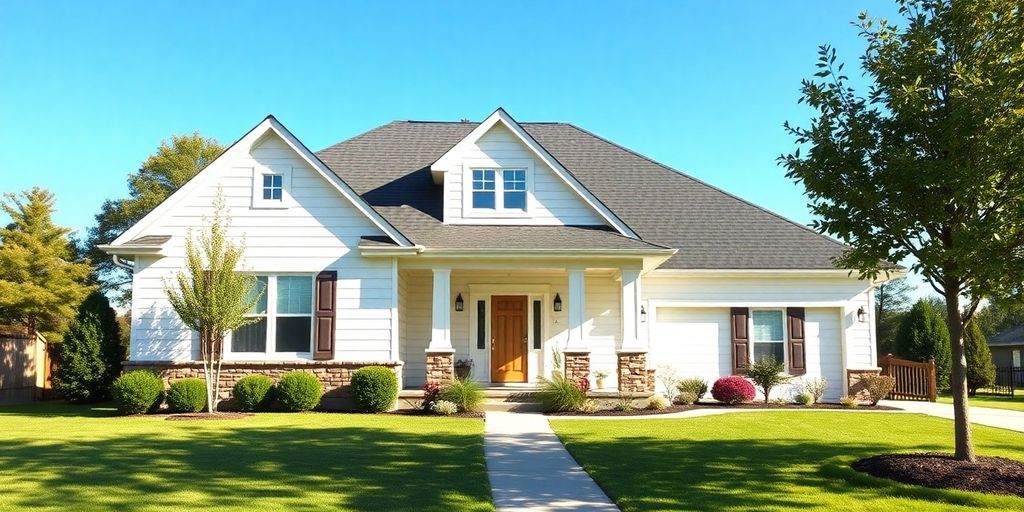
When shopping for property protection, many homeowners become confused about the difference between home insurance and fire insurance. Your homeowners insurance policy actually includes fire coverage as one of its standard protections, making separate fire insurance unnecessary for most property owners. Homeowners insurance provides comprehensive protection against various perils including fire damage, theft, liability, and more.
For those with vacation homes or rental properties, a dwelling fire insurance policy might be more appropriate than standard homeowners insurance. While homeowners policies are designed for primary residences, dwelling fire policies offer more targeted protection for properties that aren’t owner-occupied, though with less comprehensive coverage than a standard homeowners policy.
If you live in a high-risk wildfire area, it’s crucial to verify your coverage details, as fire protection may be excluded or limited in such locations. In these cases, you might need additional coverage options to ensure your property remains protected against fire damage, which could come at a premium given the elevated risk assessment.
Key Takeaways
- Standard homeowners insurance includes fire coverage, eliminating the need for separate fire insurance for most primary residences.
- Dwelling fire insurance is specifically designed for non-owner-occupied properties like vacation homes and rental units.
- Properties in high-risk wildfire zones may face coverage limitations or exclusions requiring supplemental protection options.
Understanding Home Insurance
Home insurance provides crucial financial protection for homeowners against a variety of perils and damages. It covers not only the physical structure but also personal belongings and potential liability issues that may arise from property ownership.
What Home Insurance Covers
Home insurance typically protects against fire, theft, windstorms, and certain water damage to both your home’s structure and your personal belongings. Most standard policies include dwelling coverage that protects the physical structure of your home including attached structures like garages.
Personal property coverage safeguards your belongings such as furniture, clothing, and electronics against covered perils. This protection typically extends to items even when they’re temporarily away from your home.
Most policies also include liability protection that covers legal costs if someone is injured on your property. However, standard policies typically exclude damage from floods, earthquakes, and normal wear and tear.
Additional living expenses coverage helps pay for temporary housing and other costs if your home becomes uninhabitable due to a covered loss.
Types of Coverage in Home Insurance
Home insurance policies come in several forms, each offering different levels of protection:
- HO-1: Basic form covering limited perils like fire and theft
- HO-2: Broad form covering specific named perils
- HO-3: Special form offering comprehensive protection (most common)
- HO-5: Comprehensive form providing the broadest coverage
- HO-6: Designed specifically for condo owners
- HO-8: Modified coverage for older homes
The HO-3 policy is the most popular option for homeowners, providing “open perils” coverage for the dwelling while covering personal belongings against specifically named perils. This means your home structure is protected against all risks except those specifically excluded.
Most policies exclude protection against floods and earthquakes, though separate policies can be purchased for these specific perils.
The Role of Replacement Cost and Actual Cash Value
Replacement cost and actual cash value represent two different methods insurers use to calculate compensation for losses. Understanding the difference is crucial when selecting coverage.
Replacement cost coverage pays to repair or replace damaged property with items of similar kind and quality at current market prices. This means if your five-year-old television is destroyed in a fire, your insurer would pay for a new, comparable model.
Actual cash value (ACV) coverage, in contrast, factors in depreciation. For that same television, you would receive only what it was worth at the time of loss—likely much less than a replacement.
Most homeowners insurance policies offer replacement cost coverage for the dwelling structure but may default to actual cash value for personal belongings. Many insurers offer the option to upgrade personal property coverage to replacement cost for an additional premium.
The choice between these valuation methods significantly impacts both premium costs and potential claim payments.
Exploring Fire Insurance
Fire insurance provides targeted protection against damages caused by fire incidents. These specialized policies offer crucial safeguards for property owners concerned about fire-related losses.
Specifics of Fire Insurance
Fire insurance specifically focuses on damage caused by fire rather than covering a broad range of perils. Standard policies typically cover the physical structure of a building and sometimes the contents within it.
Coverage extends to fire damage resulting from electrical malfunctions, cooking accidents, and lightning strikes. Most policies include protection for smoke damage, which often causes significant harm beyond the flames themselves.
Fire insurance policies come with specific coverage limits that determine the maximum amount the insurer will pay for damages. These limits should align with the property’s value and replacement cost.
Unlike comprehensive homeowners insurance, fire insurance focuses specifically on structural damage from fires and related perils.
Fire Coverage Limitations and Exclusions
Fire insurance typically excludes damage from certain types of fires. Most policies do not cover arson or intentionally set fires by the policyholder.
Some policies limit or exclude coverage for fires resulting from natural disasters like wildfires depending on the property location and risk assessment. Properties in high-risk wildfire zones may face higher premiums or require specialized coverage.
Common exclusions include:
- Fires caused by war or nuclear incidents
- Damage from riots or civil unrest
- Fires resulting from policyholder negligence
Fire insurance may not cover secondary damages like water damage from firefighting efforts without specific endorsements. Additional coverage might be necessary for full protection against all fire-related consequences.
Commercial Fire Insurance Fundamentals
Commercial fire insurance provides specialized protection for business properties against fire risks. These policies are designed to address the unique needs of commercial establishments, including manufacturing facilities, warehouses, and retail spaces.
Business insurance packages often incorporate fire coverage as a core component. Commercial policies typically cover building structures, equipment, inventory, and business interruption costs resulting from fire damage.
Coverage limits for commercial properties are calculated based on:
- Building replacement value
- Equipment and inventory costs
- Potential business income loss
Many commercial fire policies include protection for accidental fire incidents related to business operations. Special endorsements may be required for businesses dealing with flammable materials or high-risk operations.
Fire safety compliance often affects premium rates, with businesses implementing robust fire prevention systems potentially qualifying for discounts.
Comparing Home Insurance and Fire Insurance
Home insurance and fire insurance provide protection for your property, but they differ significantly in their coverage scope and policy structures. Understanding these differences is essential for making an informed decision about the right insurance for your specific needs.
Differences in Coverage Scope
Homeowners insurance offers comprehensive protection that extends beyond just fire damage. It typically covers your dwelling, personal belongings, liability, and additional living expenses if your home becomes uninhabitable.
Fire insurance, often called dwelling fire insurance, focuses primarily on protecting against fire-related damages. It has a narrower scope compared to homeowners insurance.
While homeowners insurance protects against theft, accidental damage, and various perils, dwelling fire policies typically only cover specified perils listed in the policy.
Homeowners insurance usually includes liability coverage that protects you if someone is injured on your property. This protection isn’t typically included in basic fire insurance policies.
Understanding Policy Inclusions and Exclusions
Homeowners insurance generally covers your personal belongings at their replacement value, meaning you’ll receive funds to purchase new items if yours are damaged in a covered event.
Fire insurance policies may offer different valuation methods:
- Actual cash value (depreciated value)
- Replacement cost (cost to replace with new items)
- Extended replacement cost (additional percentage above replacement)
Dwelling fire policies, despite their name, can cover more than just fire damage. They may include protection against:
- Lightning
- Wind damage
- Hail damage
- Explosion
Neither policy typically covers:
- Flooding (requires separate flood insurance)
- Earthquakes (requires separate earthquake insurance)
- Normal wear and tear
Determining the Right Choice for Your Home
Your primary residence typically benefits most from a comprehensive homeowners policy due to the broader protection it provides for your family and possessions.
Dwelling fire insurance is often suitable for:
- Vacation homes
- Rental properties
- Secondary residences
- Properties under renovation
When filing claims, homeowners insurance typically has a more complex process due to its broader coverage. Document all damaged items thoroughly with photos and receipts to streamline the claims process.
Consider these factors when choosing between policies:
- Property usage (primary residence vs. other)
- Value of personal belongings
- Need for liability protection
- Budget constraints
- Local risk factors (wildfire zones, crime rates)
Additional Considerations for Policyholders
When selecting between home insurance and fire insurance, policyholders need to understand several crucial factors that affect coverage adequacy and claims outcomes. Policy details often contain important distinctions that can significantly impact financial protection during recovery from fire damage.
The Importance of Rebuilding and Replacement Value
Rebuilding costs often exceed market value, making replacement cost coverage essential for homeowners. This coverage pays to rebuild your home to its pre-loss condition without factoring in depreciation.
Many standard homeowners insurance policies include rebuilding costs in their coverage, but policy limits must accurately reflect current construction expenses. Construction costs have risen dramatically in recent years, potentially leaving homeowners underinsured.
Consider these rebuilding value factors:
- Local construction costs
- Special features or custom materials
- Code upgrades required by current building regulations
Some policies offer “guaranteed replacement cost” which pays full rebuilding costs even if they exceed your policy limit. This provides the strongest protection against being underinsured but typically costs more in premiums.
Dealing with Depreciation in Claims
Depreciation can significantly reduce claim payouts, especially for older homes and belongings. Fire insurance and homeowners policies typically offer two valuation methods:
Actual Cash Value (ACV): Pays replacement cost minus depreciation, resulting in lower payouts but more affordable premiums.
Replacement Cost Value (RCV): Pays the full cost to replace items without deducting for depreciation, providing better financial protection.
For personal belongings, most basic policies default to ACV coverage. This means a 10-year-old sofa might be valued at a fraction of what a new replacement would cost.
Claims are typically paid in two steps when replacement cost coverage applies:
- Initial payment based on ACV
- Remaining amount paid after repair/replacement proof is submitted
Keep detailed inventories with photos and receipts to streamline the claims process and ensure fair depreciation calculations.
Optional Extended Coverages
Standard policies may have coverage gaps that additional fire insurance can fill. Consider these valuable extensions:
Ordinance or Law Coverage: Pays for rebuilding to current building codes, which can add significant costs to older homes.
Extended Replacement Cost: Provides an additional percentage (typically 25-50%) above your dwelling limit if rebuilding costs exceed expectations.
Contents Replacement Cost: Ensures personal belongings are replaced at today’s prices without depreciation deductions.
Business Property Coverage: Essential for home-based businesses since standard policies limit business equipment coverage.
Scheduled Personal Property: Provides specialized coverage for high-value items like jewelry or artwork that exceed standard policy sublimits.
Many insurers offer endorsements for specific risks like wildfire protection in vulnerable regions, providing enhanced mitigation benefits and priority firefighting services.
Understanding Additional Coverage Terms
Policy language can be confusing but contains critical details about what’s covered. Dwelling fire policies and homeowners insurance use different terms for similar coverages.
Pay special attention to these terms:
Named Perils vs. All Risks: Named perils policies cover only listed dangers, while all risks (open perils) covers everything except specific exclusions.
Coverage Triggers: Understand what initiates coverage—some policies require visible fire damage while others cover smoke damage even without flames.
Secondary Coverages: After a fire, additional coverages become important:
- Additional living expenses (temporary housing)
- Debris removal
- Landscaping restoration
- Food spoilage from power outages
Typical exclusions might include fires resulting from war, nuclear hazards, or intentional acts. Review these carefully before assuming you’re protected.
Policy deductibles apply to fire claims and may be percentage-based rather than fixed amounts, especially in high-risk areas.
Insurance Claims and Payouts
Understanding how to file claims and receive payouts is crucial when dealing with home or fire insurance. The process differs slightly between policy types and can significantly impact how quickly you recover financially after a loss.
Filing a Claim: What to Expect
When disaster strikes, contacting your insurance company promptly is essential. Most insurers require notification within 24-48 hours of the incident. Document everything thoroughly with photos and videos before cleanup begins.
For home insurance, you’ll need to complete a proof of loss form detailing all damaged items with their approximate values. Keep receipts for emergency repairs as these may be reimbursable.
Fire insurance claims require similar documentation but focus specifically on fire-related damages. Insurance adjusters will visit to assess the damage in person for both policy types.
Be prepared for questions about how the fire started, as arson-related claims may be denied. Most legitimate claims are processed within 30-60 days, though complex cases may take longer.
Payout Processes for Home and Fire Insurance
Home and fire insurance typically offer two payout methods:
- Replacement Cost Value (RCV): Covers the cost to repair or replace damaged property without depreciation
- Actual Cash Value (ACV): Pays the depreciated value of damaged items
Most standard policies include coverage for temporary living expenses if your home becomes uninhabitable. These expenses are usually paid promptly, often via direct deposit or emergency checks.
For fire damage specifically, insurers may issue multiple payments: an initial payment for immediate needs, followed by additional payments as repair costs are finalized.
Insurance companies may pay contractors directly or issue a lump sum to the policyholder. Some policies offer lower payout limits if you choose not to rebuild, typically 20-50% less than rebuilding costs.
Navigating Claims After Natural Disasters and Accidents
Natural disasters often trigger mass claim filings, which can delay processing times. After major events like wildfires or hurricanes, insurance companies deploy catastrophe teams to affected areas.
For wildfire claims, be aware that coverage may be limited in high-risk areas. Some policies include specific endorsements for wildfire protection, while others might exclude this coverage entirely.
Accidental fires typically have straightforward claims processes, but insurers will investigate to confirm the cause wasn’t negligence or intentional damage.
When multiple perils affect your property simultaneously (like wind and fire), understanding which coverage applies becomes crucial. Property insurance, which is part of home insurance, covers various damages beyond just fire.
Consider working with a public adjuster for complex claims, especially those involving total losses. These professionals represent your interests rather than the insurance company’s.
Legal and Ethical Aspects of Insurance Policies
Insurance policies involve complex legal frameworks and ethical considerations that affect both insurers and policyholders. Understanding these aspects helps consumers make informed decisions when choosing between home and fire insurance options.
Consent and Privacy in Insurance Agreements
Insurance companies must obtain proper consent before collecting personal information from policyholders. This legal requirement ensures that individuals understand what data is being gathered and how it will be used.
Privacy laws like GDPR and CCPA have significantly impacted how insurers handle customer information. These regulations give consumers more control over their personal data and require insurance companies to implement stronger security measures.
When applying for home insurance or fire insurance, you’ll typically sign privacy agreements that outline:
- What information is collected (financial, property details, claims history)
- How long data is retained
- Which third parties may access your information
- Your rights to review or modify your data
Insurers must balance thorough risk assessment with respect for customer privacy. Ethical companies maintain transparency about their data practices throughout the policy lifecycle.
Understanding the Fine Print: Cookies and Exclusions
Insurance policies contain numerous exclusions and limitations that can significantly impact coverage. Most homeowners insurance policies cover fire damage, but specific circumstances might limit this protection.
Digital insurance applications now include cookie policies that track online behavior. These cookies help companies:
- Personalize user experiences
- Remember preferences
- Analyze website traffic
- Target advertisements
Key exclusions in fire and home insurance policies often include:
| Common Exclusions | Home Insurance | Fire Insurance |
|---|---|---|
| Intentional damage | Not covered | Not covered |
| Vacant properties | Limited coverage | May be covered |
| Business activities | Limited coverage | Typically excluded |
| Natural disasters | Varies by policy | Fire-only coverage |
Insurance companies have an ethical obligation to clearly explain these exclusions. Unfortunately, many bury important details in complex legal language, making it difficult for consumers to fully understand coverage limitations.
Policy documents should be reviewed carefully, as dwelling fire insurance and home insurance cover different circumstances. Always request clarification on any unclear terms before signing.
Frequently Asked Questions
Many homeowners struggle to understand the nuances between different insurance policies that protect their property from fire damage. These key distinctions affect coverage scope, cost considerations, and specific scenarios where one type of policy might be more advantageous than another.
What is the difference between home insurance and fire insurance coverage?
Home insurance provides comprehensive coverage for your primary residence, including protection against fire damage plus liability coverage, personal property protection, and additional living expenses. It’s designed as an all-inclusive policy for owner-occupied homes.
Fire insurance, specifically dwelling fire insurance, offers more limited protection focused primarily on the physical structure and fire-related damages. This policy type typically doesn’t include the extensive personal liability or contents coverage found in standard homeowners policies.
The key distinction lies in scope—homeowners insurance offers broader protection while dwelling fire policies provide more targeted coverage for specific perils like fire and smoke damage.
What are the typical costs associated with home insurance compared to fire insurance?
Home insurance typically costs more than dwelling fire insurance due to its comprehensive nature. The average annual premium for homeowners insurance ranges from $1,200 to $1,500 depending on location, home value, and coverage limits.
Dwelling fire insurance generally costs 15-25% less than comparable homeowners policies because it offers more limited coverage. The reduced scope translates to lower premiums for property owners.
Factors affecting both policy types include the home’s location, construction materials, proximity to fire stations, and claims history. Properties in wildfire-prone areas may face higher premiums or require specialized coverage.
In what scenarios is dwelling fire insurance preferable to standard homeowners policies?
Dwelling fire insurance is ideal for vacation homes, secondary residences, or properties you own but don’t occupy year-round. These properties often sit vacant for extended periods, increasing certain risk factors.
Rental properties typically benefit from dwelling fire policies since they protect the structure while allowing landlords to avoid paying for contents coverage for tenants’ belongings. Landlords can focus insurance spending on protecting their investment.
Properties undergoing renovation or those with unique circumstances that make them ineligible for standard homeowners coverage may also be better suited for dwelling fire insurance.
What does dwelling fire insurance typically cover, and how does it contrast with landlord insurance?
Dwelling fire insurance primarily covers the physical structure against fire, smoke, and sometimes other specified perils like wind damage. It may include limited coverage for other structures on the property like detached garages or sheds.
Additional coverages can include loss of rental income and limited liability protection, though these are often optional add-ons rather than standard features. Basic dwelling fire policies focus narrowly on property damage.
Landlord insurance (often called DP-3) is essentially an enhanced dwelling fire policy with additional protections specifically designed for rental properties, including more robust liability coverage and loss of rental income protection as standard features.
Can you explain the scope of coverage in a homeowners insurance policy for fire damages?
Homeowners insurance typically covers fire damage to both the dwelling structure and personal belongings. This includes smoke damage, water damage from firefighting efforts, and removal of debris after a fire.
The policy also generally provides coverage for additional living expenses if your home becomes uninhabitable due to fire damage. This helps pay for temporary housing, meals, and other necessary costs while your home is being repaired.
Most standard policies include coverage for fires caused by lightning, electrical issues, cooking accidents, and heating system malfunctions. The goal is to restore your property to its pre-loss condition.
What are the common exclusions and limitations in a fire insurance policy?
Most fire insurance policies exclude coverage for fires resulting from war, nuclear hazards, or intentional acts by the policyholder. These exclusions protect insurers from catastrophic or fraudulent claims.
Properties in high-risk wildfire areas may face coverage limitations or exclusions in standard policies. Homeowners in these regions often need to purchase supplemental coverage or state-sponsored insurance programs.
Coverage may also be limited for valuable items like jewelry, art, or collectibles damaged in a fire. Policy sublimits typically restrict compensation for these high-value possessions unless additional endorsements are purchased.