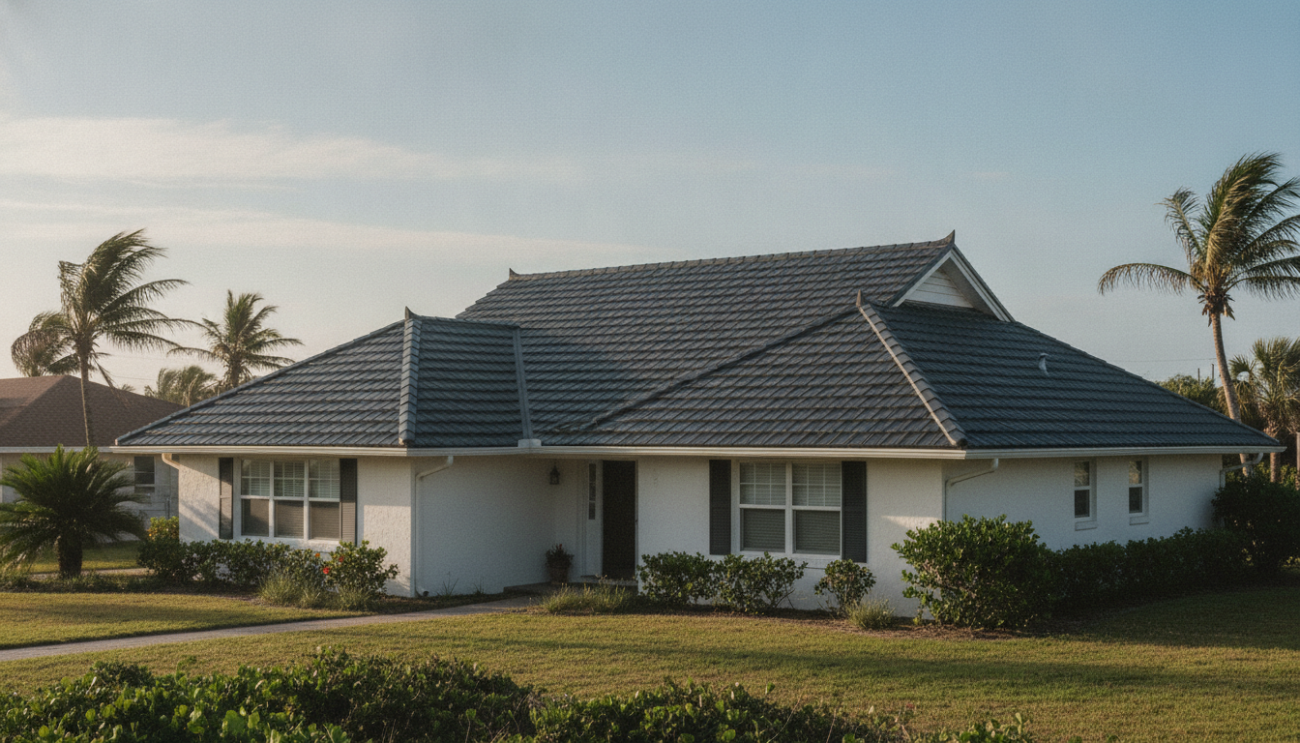
A new roof can make a home safer, but it does not automatically make the insurance bill smaller. If you are considering storm-resistant construction, the FORTIFIED roof insurance discount is worth asking about before a contractor starts work. The key is to understand what qualifies, which paperwork your insurer wants, and whether the savings justify your out-of-pocket cost.
This guide explains the certification process, how to compare a discount with other policy changes, and what to check before you spend money. It also shows why a lower premium is only one part of a good roof decision.
What is a FORTIFIED roof insurance discount?
A FORTIFIED roof insurance discount is a premium reduction an eligible insurer may offer after a home earns an active FORTIFIED designation. The roof must meet the program’s construction standard and pass independent evaluation. Savings vary by insurer, location, and policy; installing a new roof alone does not guarantee the credit.
FORTIFIED is a voluntary construction standard developed by the Insurance Institute for Business & Home Safety (IBHS). It aims to reduce damage from severe weather by strengthening vulnerable parts of a home. IBHS says incentives can include insurance discounts, grants, and tax benefits, but they differ by state and program. See its official FORTIFIED financial incentives guide for current state information.
Search results often lead with large percentage discounts. Treat those figures as possibilities, not quotes for your address. Ask your own insurer what share of your premium the credit affects, whether it can stack with other credits, and what proof it needs.
How FORTIFIED roof certification works
A FORTIFIED designation is not the same as a contractor saying a roof is “storm proof.” The program calls for a trained evaluator to document the required details during construction, followed by a review for designation. IBHS describes FORTIFIED as a research-based method for building and reroofing against severe weather on its FORTIFIED Home program site.
Exact requirements depend on the applicable standard and location. Common items may include a stronger roof deck attachment, a sealed roof deck that limits water entry if shingles come off, and a better connection at roof edges. A qualified professional should confirm the current requirements for your home rather than promising approval from a product label.
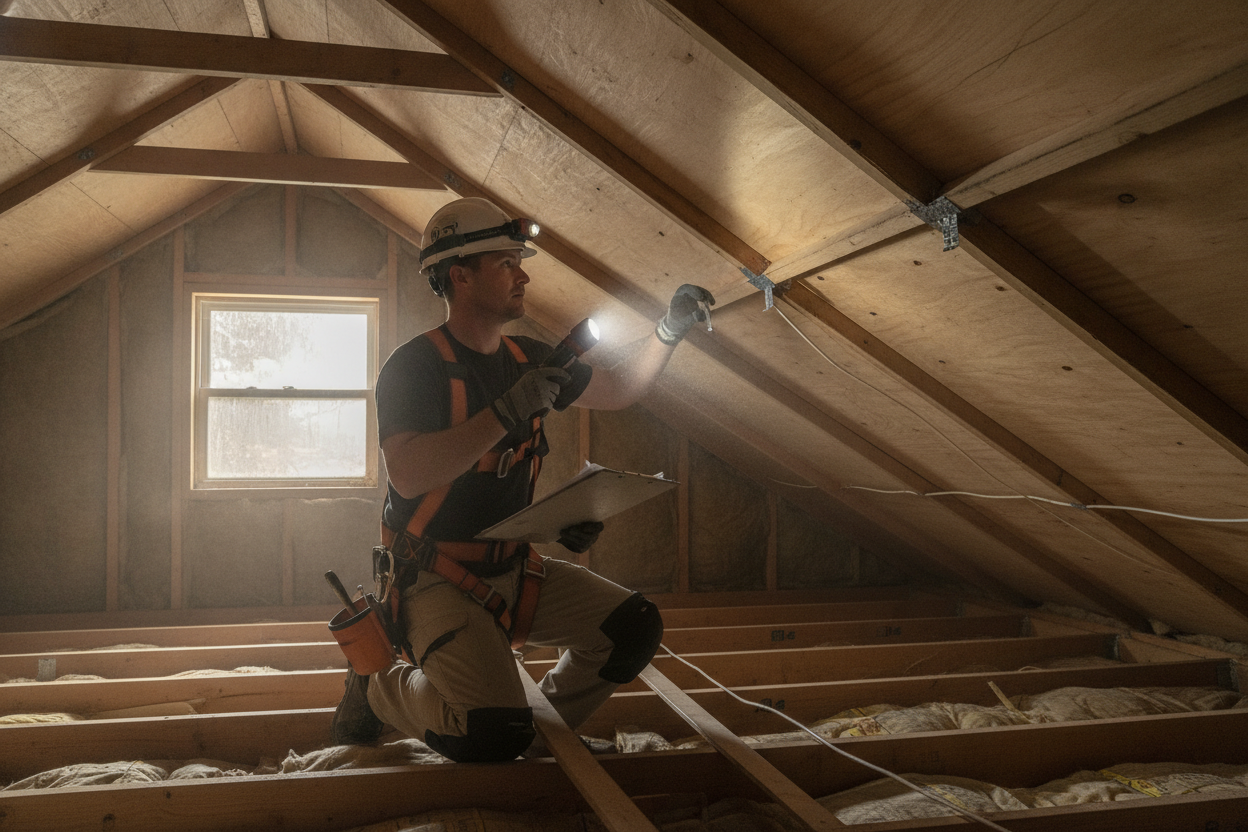
Before you sign a roofing contract
- Contact your insurer or agent: Request the exact FORTIFIED credit rules for your address and policy form in writing.
- Find a qualified evaluator: Arrange for the required checkpoints before construction begins.
- Get a detailed contractor bid: It should identify the applicable standard, materials, documentation, and who pays if work needs correction.
- Keep your records: Save the designation certificate, evaluator report, invoice, photographs, and insurer correspondence.
Do not assume a Class 4 impact-resistant shingle or a routine roof inspection earns a FORTIFIED designation. Those may support separate discounts, but each program has its own evidence and eligibility rules. A Florida wind mitigation inspection, for example, documents construction features under a different process.
After the roof is finished
Ask the evaluator how and when the official designation will be issued. Then send the certificate to your agent, request the revised premium, and confirm the credit appears on the declarations or renewal documents. If a grant application is involved, verify its approval and timing before assuming you will be reimbursed.
Designations are not necessarily permanent. Ask when yours expires, whether re-evaluation is required, and whether a lapsed certificate ends the credit. Budget for that future step when calculating long-term savings.
How much can a fortified roof save on insurance?
There is no universal dollar amount. Rates depend on storm risk, location, construction, the insurer’s filed discount rules, and whether the discount applies to the full policy or only its wind portion. Your current premium also matters: the same percentage credit means different dollars for different homes.
Use two written quotes for the same coverage: one without the designation and one with it. Keep dwelling limits, deductibles, endorsements, and payment terms the same. If the insurer cannot quote the credit in advance, request its eligibility rules and a realistic estimate, then treat the savings as uncertain until the designation is accepted.

A simple net-savings example
Suppose two otherwise identical quotes show a $2,400 annual premium without the credit and $2,160 with it. That is $240 per year, or $1,200 across five years if the premium difference stays unchanged. If FORTIFIED work and evaluation add $1,500 beyond a standard replacement, the insurance savings alone would not repay that extra cost within five years.
This is an illustration, not an average discount or a promise of future rates. An approved grant might reduce the upfront difference; a later rate increase or expired designation might change the result. The roof may still be worthwhile because it can reduce damage risk and repair disruption, but those benefits are harder to put into a guaranteed dollar figure.
For an accurate comparison, also review your wind and hail deductible. A cheaper premium paired with a much larger percentage deductible may expose you to more expense after a storm. Check whether the insurer uses a roof surface payment schedule that limits what it pays for an older roof.
FORTIFIED roof cost, grants, and timing
The added cost depends on whether you are replacing the roof anyway, the existing deck condition, the home’s size and design, local labor, and evaluator fees. It is usually more useful to ask for the incremental cost over a standard replacement than for one statewide “FORTIFIED roof price.” Have bidders separate the base roof, upgrade components, evaluation, and any repairs discovered after removal.
State and local mitigation programs may help eligible homeowners, but funding windows, income rules, contractor requirements, and reimbursement steps can change. Check the current program and get approval before starting if its rules require it. Never assume a grant and an insurance discount are interchangeable: a grant helps pay for work, while a discount changes a qualifying policy’s premium.
If your existing roof has years of useful life left, do not replace it solely because a search result advertises a big discount. Compare the remaining roof life, financing cost, and realistic premium quotes first. If you are already replacing storm-damaged shingles, the additional work needed for certification may be a more practical decision.
What a discount does not change
A stronger roof does not erase exclusions or deductibles. Read your policy for wind or named-storm deductibles, limits on roof payment, matching language, and exclusions for wear or cosmetic damage. For example, a cosmetic damage exclusion for roof hail dents can still matter even when a roof has better storm protection.
Nor does FORTIFIED certification guarantee that every insurer will offer coverage or renew a policy. Underwriting rules vary. If your current carrier offers no credit, compare several carriers on equivalent terms instead of focusing on the lowest headline premium. Review the total claim exposure and what the replacement contract actually promises.
Questions to ask your agent before upgrading
- Does this carrier offer a FORTIFIED roof insurance discount for my address and policy type?
- What level of designation qualifies, and what exact certificate or inspection record must I submit?
- Is the credit applied to my total premium or just a wind-related part, and can it be combined with other roof credits?
- When will the discount start, how long does it last, and what happens at redesignation?
- Will my wind deductible, roof payment basis, or any exclusion change with the new quote?
Ask for answers in an email or quote proposal, not just a verbal estimate. If coverage terms change, compare the actual declarations side by side. A $200 reduction is less attractive if it comes with thousands more in potential out-of-pocket cost.
Frequently asked questions
Does a new roof automatically qualify for a FORTIFIED discount?
No. A new roof may earn a separate age or material credit, but a FORTIFIED discount normally requires a qualifying designation and proof accepted by the insurer. Arrange the evaluator before installation so hidden details can be documented.
Can I get the discount on an existing roof?
Possibly, but the required construction details must be verified. Some hidden features are difficult or expensive to confirm after installation. Ask a qualified evaluator what can be documented and whether upgrades are needed before you budget for a credit.
Is FORTIFIED the same as a wind mitigation inspection?
No. Both can document risk-reducing features, but FORTIFIED is a specific construction standard and designation process. A carrier may have separate rules for wind mitigation credits and FORTIFIED discounts, so ask which evidence it accepts.
Will a FORTIFIED roof eliminate my hurricane deductible?
Do not count on it. A designation can affect eligibility or price where a carrier offers a program, but the deductible in your policy still controls your share of a covered loss. Confirm any deductible change in the revised policy documents.
Make the next quote count
Start with your current declarations page, then request a written same-coverage quote with and without the FORTIFIED designation. Ask an evaluator and contractor for a documented upgrade plan before committing to work. Finally, compare the premium difference, your extra project cost, and your storm-claim exposure together. If you have already upgraded, tell us in the comments what documentation your insurer requested.