Imagine getting an ambulance ride in California and then facing a shocking $3,250 bill that your insurance doesn’t fully cover. If this sounds like something you want to avoid, you’re not alone.
Recently, a major ambulance bill like this was successfully challenged under California’s AB 716 law, setting an important precedent for how these surprise charges can be handled. You’ll discover exactly what happened in that case and, more importantly, how you can protect yourself from unexpected ambulance costs in the future.
Keep reading—your wallet will thank you.
California Ambulance Bills
California ambulance bills often surprise patients with high costs after emergencies. These bills can reach thousands of dollars, causing stress and confusion. Understanding how these charges work helps people avoid unexpected expenses. The new law, AB 716, offers protections, but knowing the typical charges and billing problems is still important.
Typical Charges Explained
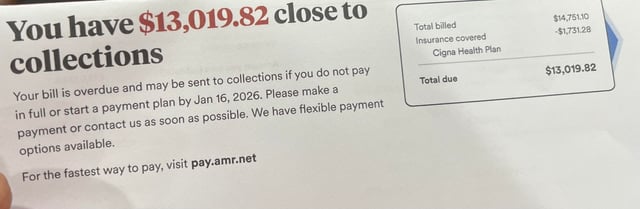
Ambulance bills usually include several parts. There is a base fee for the ride itself. Extra fees cover mileage, medical supplies used, and care during transport. Some bills charge for advanced life support if the patient needed urgent care. Each item adds up quickly, leading to large totals. Insurance may cover part, but patients often pay the rest.
Common Billing Issues
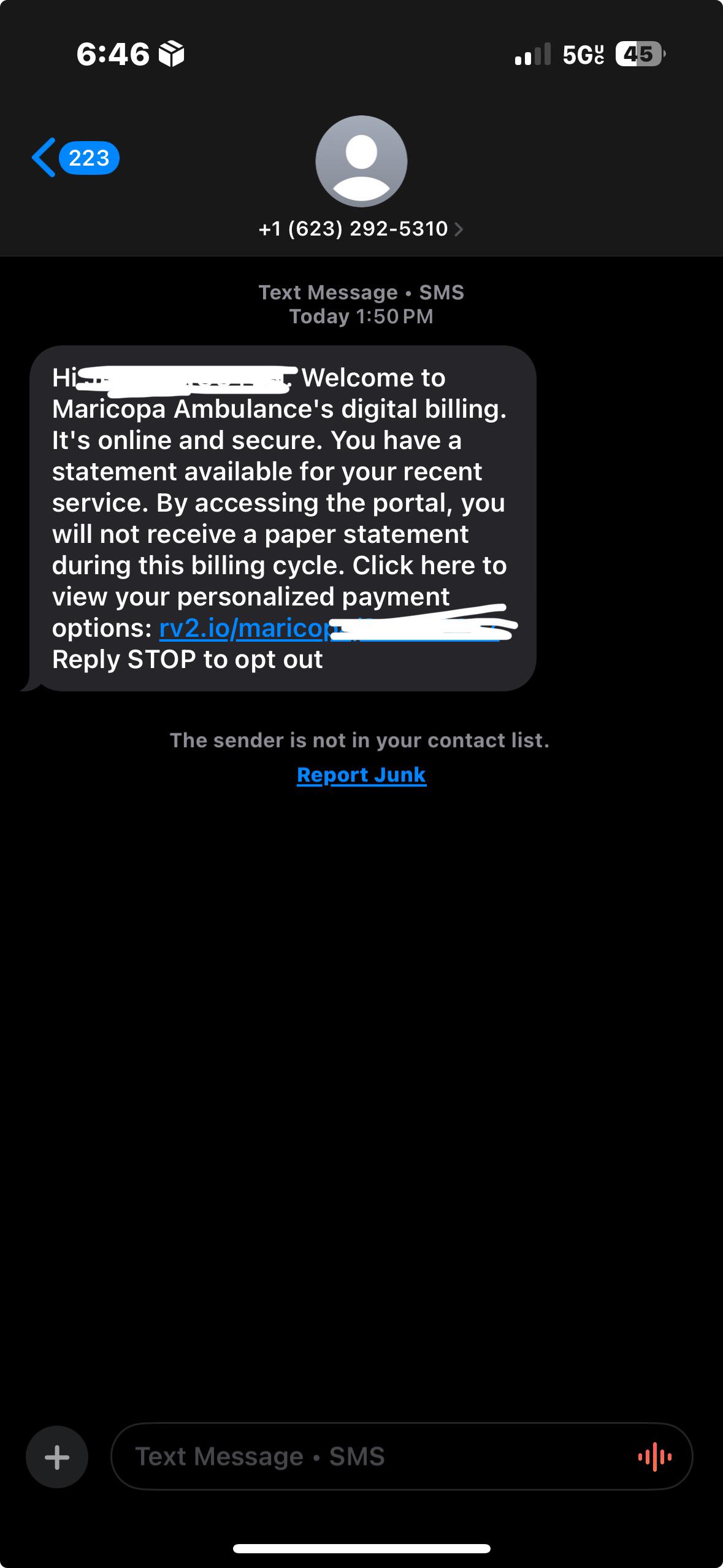
Many ambulance bills contain errors or unfair charges. Some providers bill patients for out-of-network services, even with insurance. Balance billing is common, where companies ask for money beyond insurance coverage. Confusing codes and unclear explanations make bills hard to understand. Delays in billing or duplicate charges also happen often. These issues cause bills to be much higher than expected.
Credit: www.reddit.com
Ab 716 And Ambulance Billing
California’s AB 716 targets surprise ambulance bills that many patients face. This law offers new rules for how ambulance services can charge patients. It aims to protect consumers from high and unexpected costs after emergency rides. Understanding AB 716 helps patients and providers handle ambulance billing fairly.
Key Provisions Of Ab 716
AB 716 bans balance billing for ground ambulance rides. It requires insurers to pay a fair rate to ambulance providers. Patients only pay their usual co-pay or deductible. Ambulance companies must provide clear billing information upfront. The law sets a dispute process for payment disagreements. This prevents ambulance bills from surprising patients with high costs.
Impact On Patients And Providers
Patients now have more protection against large ambulance bills. They avoid unexpected charges beyond their insurance coverage. Providers must follow new billing rules and transparency requirements. Insurers must process ambulance claims fairly and timely. This improves trust between patients, providers, and insurance companies. Overall, AB 716 brings fairness to ambulance billing in California.
No Surprises Act And Ambulance Fees
Ambulance fees often surprise many patients with high costs. The No Surprises Act aims to protect consumers from unexpected medical bills. This federal law limits balance billing for out-of-network emergency services, including ambulance rides. Understanding how this law works with California’s own rules helps patients avoid hefty charges.
Federal Protections Overview
The No Surprises Act stops surprise bills from out-of-network ambulance providers. It requires insurers to pay a fair amount for emergency services. Patients only pay their usual in-network cost share. Ambulance companies cannot bill patients the difference beyond this amount. This federal rule applies across all states, including California.
Interaction With California Laws
California passed AB 716 to strengthen protections against ambulance balance billing. It works alongside the No Surprises Act to shield patients. AB 716 sets clear limits on what ambulance companies can charge. The law ensures consumers are not hit with large bills after emergency transport. Together, these laws offer stronger defense for Californians facing ambulance fees.
Challenging A $3250 Ambulance Bill
Facing a $3,250 ambulance bill can be stressful. Many Californians have challenged such charges under AB 716. This new law offers protection against surprise ambulance bills. Understanding how to dispute these charges is key to protecting your finances. Here is a guide on challenging high ambulance fees effectively.
Steps To Dispute Charges
Start by reviewing the bill carefully. Check the services listed and the total amount charged. Gather your insurance documents and any payment records. Contact the ambulance company to ask for a detailed bill explanation. Request a written itemized statement to verify each charge.
Next, write a formal dispute letter. Clearly state why you believe the charges are incorrect or unfair. Mention AB 716 and your rights under this law. Keep copies of all correspondence for your records. Send your letter via certified mail to ensure it is received.
Track your dispute progress. Follow up regularly with the ambulance provider. If the company refuses to adjust the bill, escalate your complaint. Reach out to California’s Department of Insurance or a consumer protection agency for help.
Working With Insurance Companies
Inform your insurance provider about the ambulance bill dispute. Provide them with copies of the bill and your dispute letter. Ask if the ambulance service is in-network or out-of-network. Confirm how much your plan covers for ambulance rides.
Insurance companies can negotiate bills on your behalf. They may reduce the amount you owe or pay the provider directly. Stay in contact with your insurer throughout the process. Clarify any questions about coverage or payment responsibilities.
If the ambulance company tries to balance bill you, report it immediately. AB 716 protects against surprise billing by out-of-network providers. Your insurer and state agencies can assist in enforcing these protections. Knowing your rights helps you avoid unexpected medical debt.
Rights And Protections For Patients
California patients now have clearer rights and stronger protections against surprise ambulance bills. The recent challenge under AB 716 has set important rules to prevent unfair charges. Understanding these rights helps you avoid unexpected costs and stress during emergencies. You deserve fair treatment and transparent billing for ambulance services.
Avoiding Balance Billing
Balance billing happens when ambulance companies charge patients for the difference between their rates and what insurance pays. AB 716 stops this practice for many California patients. Ambulance providers must accept insurance payment as full payment. Patients should always check if the ambulance service is in their insurance network. Keep copies of all bills and insurance explanations. Contact your insurer if you receive a bill that seems wrong or too high.
Legal Support Resources
Several organizations offer help if you face unfair ambulance charges. The California Department of Insurance can assist with complaints. Consumer advocacy groups provide advice and legal support for billing disputes. Your health insurer also has customer service to explain your rights. Act quickly to protect yourself and avoid large bills. Knowing where to get help empowers you to stand up for your rights.
Preventing High Ambulance Costs
High ambulance costs can surprise many people after an emergency. These bills sometimes reach thousands of dollars. Understanding how to prevent such costs helps protect your finances. Being prepared and making smart choices can reduce or avoid expensive ambulance fees.
Choosing In-network Providers
Ambulance companies may be in-network or out-of-network for your insurance. In-network providers usually charge lower fees. Check your health plan to know which ambulance services are covered. Calling your insurance company before using services is best. This step ensures the ambulance you choose will not cost you more. Always ask if the ambulance service is part of your network.
Using Alternative Transport Options
Not every emergency needs an ambulance. Sometimes, other transport options are safer and cheaper. Consider rides from family or friends for non-urgent medical visits. Many areas offer non-emergency medical transportation services. These services often cost less than an ambulance ride. Use taxis or rideshare apps when possible. Choosing the right transport can save money and still get you to care.
Recent Case Examples
Recent case examples show how Californians successfully fought high ambulance bills. Many patients faced surprise charges over $3,000. These cases reveal how AB 716 protects consumers from unfair billing. Real stories offer valuable lessons on standing up to ambulance companies.
Successful Challenges In California
A family in Los Angeles received a $3,250 ambulance bill despite having insurance. They used AB 716 to dispute the charge. The bill was reduced to a reasonable amount, saving them thousands.
Another case involved a San Diego resident billed twice for the same ambulance ride. After filing a complaint, the second bill was removed completely. This showed how AB 716 prevents double billing.
In Sacramento, a patient challenged an out-of-network ambulance charge. The law required the provider to accept the insurance payment as full. The patient paid no extra fees, proving the law’s strength.
Lessons From Patient Stories
Always check if your ambulance ride is in-network before agreeing to payment. Keep all documents, including insurance cards and bills, for review. Patients who acted fast and knew their rights avoided large fees.
File complaints promptly with your insurer or the state if you receive a surprise bill. Many patients did not pay the full amount while disputes were ongoing. This simple step can protect your wallet.
Understanding AB 716 gives you power. It requires ambulance companies to follow clear billing rules. Patients can refuse unfair charges and report violations. These stories show knowledge is your best defense.
Credit: www.reddit.com
Future Changes In Ambulance Billing
The ambulance billing landscape in California is shifting rapidly. New laws and regulations aim to protect consumers from high, unexpected charges. The success of challenging the $3,250 ambulance bill under AB 716 marks a significant step forward. This case sets a precedent for future billing practices and consumer rights. Understanding upcoming changes helps you stay prepared and avoid surprise costs.
Pending Legislation
Several bills are under review in California’s legislature. These laws focus on limiting out-of-network ambulance charges. They also seek to increase transparency in billing procedures. Some proposals aim to cap fees and require clearer communication with patients. Lawmakers respond to public concerns about unfair billing. Keeping an eye on these changes can help you anticipate your rights and obligations.
Industry Trends
The ambulance industry is adjusting to new legal and market pressures. Companies are moving toward more standardized pricing models. Many insurers now negotiate rates directly with ambulance providers. Technology improvements support better billing accuracy and patient tracking. Public demand pushes for fairness and accountability in medical transport costs. These trends may reduce surprise bills and improve service quality.
Credit: www.reddit.com
Frequently Asked Questions
What Is Ab 716 And How Does It Protect Patients?
AB 716 is a California law that limits ambulance balance billing. It protects patients from surprise charges for emergency ambulance services. This law ensures insurers cover ambulance costs fairly, reducing financial burden on patients after emergencies.
How Was The $3250 Ambulance Bill Successfully Challenged?
The $3250 bill was challenged under AB 716 by proving it violated billing limits. Legal action and insurance negotiations helped reduce or eliminate the excessive charge. This sets a precedent for protecting patients against unfair ambulance bills.
Can Ambulance Companies Still Balance Bill In California?
Under AB 716, ambulance companies cannot balance bill insured patients for emergency rides. The law restricts surprise billing, ensuring patients are not charged more than their insurance covers. Non-emergency transport may have different rules.
How Can I Protect Myself From High Ambulance Bills?
Know your rights under AB 716 and verify ambulance billing practices. Always provide insurance information promptly and review bills carefully. Contact your insurer or legal aid if you receive an unexpected high ambulance charge.
Conclusion
The California ambulance bill of $3,250 faced a strong challenge under AB 716. This law now protects many patients from surprise ambulance charges. Knowing your rights helps avoid unexpected costs. Always check if your ambulance provider is in-network. Keep copies of all bills and insurance papers.
Stay informed about new rules to protect your finances. Taking these steps can save you from unfair charges. Understanding AB 716 empowers you to handle ambulance bills wisely. Don’t let surprise bills cause stress or debt. Be proactive, stay alert, and protect your wallet.