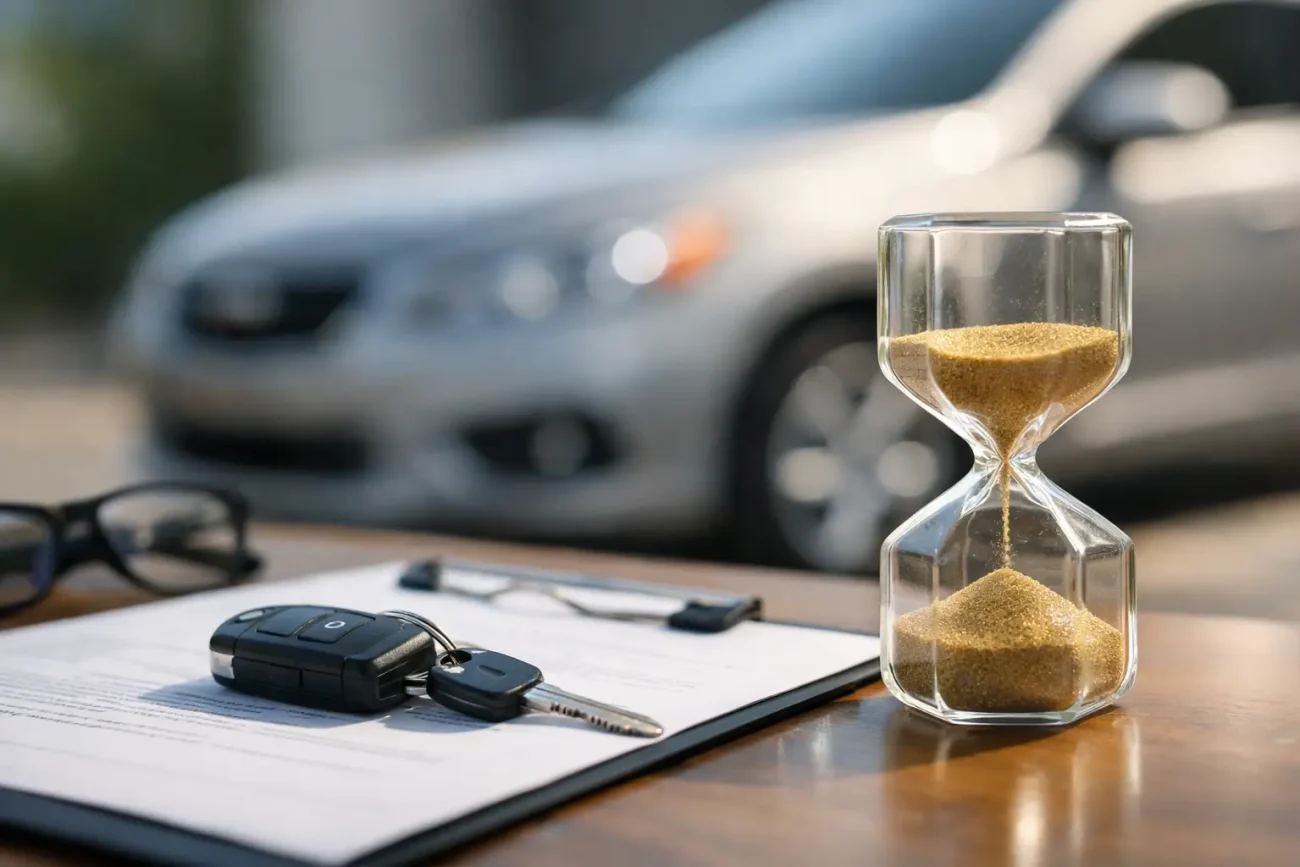
Your car is sitting in the driveway for weeks, maybe months. You are traveling, working from home, storing a seasonal vehicle, or fixing a car you are not driving. At that point, asking can i pause car insurance is completely reasonable. The short answer is usually no, at least not in the way most people mean it. But there are a few alternatives that can lower your cost without creating a risky coverage gap.
Many drivers assume insurance works like a streaming subscription that you can stop and restart whenever you want. Auto insurance does not usually work that way. Insurers price policies around continuous coverage, legal requirements, and the risk tied to ownership, not just whether you plan to drive this week.
Can I Pause Car Insurance on a Standard Policy?
In most cases, you cannot simply pause car insurance and turn it back on later with no consequences. Most standard auto insurers offer active coverage or cancellation, not a temporary freeze. If you stop paying, the policy may lapse. If you ask to cancel, the policy ends. Either way, you may face problems when you need coverage again.
That matters because a lapse in car insurance can follow you. Even if you were not driving, many insurers view a break in coverage as a higher-risk sign. When you shop for a new policy, you may pay more than someone who kept continuous insurance in place.
There is also the legal side. If your car is registered with the state, you may still be required to carry at least minimum liability insurance, even if the vehicle is parked. Rules vary by state, but many departments of motor vehicles connect registration and insurance status. Canceling a policy without handling registration first can lead to fines, penalties, or suspended registration.
When a Car Insurance Pause Might Be Possible
There are a few situations where something close to a pause may exist, but it depends on the insurer and the state.
Some insurers offer a suspension option for deployed military members or for customers putting a car into long-term storage. Others may allow you to reduce coverage to a more limited form rather than fully canceling. This is not universal, and it often comes with conditions. The vehicle may need to be stored off public roads, not driven at all, and sometimes officially listed as in storage.
If you have a financed or leased car, your options are usually narrower. The lender or leasing company typically requires collision and comprehensive coverage until the loan is paid off or the lease ends. Even if state law would let you drop certain protections, your contract may not.
This is where details matter. Asking your insurer whether they offer a storage option or a temporary policy change is much safer than assuming you can just stop coverage and restart later.
Better Alternatives Than Canceling Coverage
For most people, the real question is not whether they can pause car insurance, but how to lower the bill when the car is not being used much. In many cases, there is a better option than cancellation.
Switch to comprehensive-only or storage coverage
If the car will be parked and not driven, some insurers let you remove liability and collision while keeping comprehensive coverage. Comprehensive can still protect against theft, vandalism, fire, falling objects, and some weather damage. That can make sense for a car in storage, especially if it still has value.
The trade-off is simple. The moment you drive the car again, that reduced coverage may no longer be enough. If you cause an accident while the car is only carrying comprehensive or storage coverage, you could be personally responsible for injuries and property damage.
Raise your deductible or reduce optional coverage
If you are trying to save money but still need the car insured, adjusting your deductible or dropping optional add-ons may help. Roadside assistance, rental reimbursement, or lower-value physical damage coverage can sometimes be scaled back.
This does not create the same risk as a full cancellation, although it does mean you would pay more out of pocket after a covered claim.
Suspend registration if your state allows it
In some states, you may be able to turn in license plates or suspend registration for a non-driven vehicle. That can open the door to canceling required liability coverage without triggering state penalties. But the process has to be done correctly and in the right order.
Do not cancel first and assume you will sort out the paperwork later. State systems often receive insurance cancellation notices automatically.
What Happens If You Cancel and Restart Later?
Sometimes canceling is the right move, especially if you sold the car, moved abroad, or legally took the vehicle off the road for an extended period. But if you plan to insure the same car again later, there are a few possible downsides.
First, your rate may go up. Insurers often charge more after a lapse in coverage, even when the lapse seems harmless from your point of view.
Second, you may have fewer carrier options. Some insurance companies are stricter than others about gaps in prior coverage. A lapse can push you toward insurers that specialize in higher-risk drivers, and those policies can cost more.
Third, you could be exposed while the car is parked. A canceled policy means no protection if the vehicle is stolen, damaged by hail, hit by a falling tree branch, or vandalized.
Finally, if someone drives the car unexpectedly, even for a short errand, there may be no coverage at all. That is one of the biggest practical risks. Cars that are supposedly not being used sometimes get used anyway.
Situations Where Lowering Coverage May Make Sense
You are storing a seasonal or collector car
If a vehicle stays in the garage for part of the year and never hits the road during that period, storage coverage can be a reasonable option. It keeps some protection in place without paying for full driving-related coverage you are not using.
You are temporarily not driving due to travel or remote work
If you still own and register the car, fully canceling may be more trouble than it is worth. A low-mileage policy, usage-based insurance, or a reduced coverage adjustment may fit better.
Your car is inoperable for a while
If the car is being repaired long term and will not be driven, ask whether the insurer can adjust coverage until it is roadworthy again. Just confirm whether the vehicle must remain off public roads and whether your lender has any requirements.
Situations Where Canceling Is Usually a Bad Idea
If your car is financed or leased, canceling core coverage can violate your agreement. If the vehicle is still registered, canceling may create legal problems with the state. And if anyone in your household might drive the car, even occasionally, reduced or canceled coverage can become an expensive mistake very quickly.
This is also true if you are canceling only to save money for a short period. A one- or two-month break can look minor to you but still count as a lapse to future insurers.
How to Ask Your Insurer the Right Questions
If you are thinking about making a change, be direct. Ask whether they offer storage coverage, whether your state allows a registration suspension, and whether your lender requires full coverage. Also ask how the change would affect your premium and whether restarting full coverage later would require underwriting or a rate increase.
It helps to confirm exactly what would still be covered while the car is parked. Many people hear “reduced coverage” and assume they are protected more broadly than they really are.
Can I Pause Car Insurance Without Hurting My Rates?
Usually, the best way to protect your future rates is to avoid a full lapse. That often means keeping at least some level of coverage in place or using a formal insurer-approved storage option. A clean record and continuous insurance history tend to matter more over time than squeezing out the maximum short-term savings.
That does not mean you should overpay for coverage you do not need. It means the smartest move is usually a controlled reduction, not an informal pause.
For many drivers, the safest path is this: check your state rules, review any loan or lease terms, and ask your insurer what lower-cost options exist before you cancel anything. A parked car may seem low risk, but the wrong insurance move can still cost far more than the premium you were trying to save. If you are unsure, getting fresh quotes based on your current situation can help you compare whether keeping limited coverage makes more financial sense than starting over later.