
When it comes to protecting your car and saving money, understanding how Car Insurance AI can work for you is a game changer. Imagine getting personalized insurance quotes tailored exactly to your driving habits, or having claims processed in a fraction of the usual time.
This isn’t just a future possibility—it’s happening now. If you want to lower your premiums, avoid frustrating delays, and experience smarter service, you need to know how AI is transforming car insurance. Keep reading to discover how this technology puts you in control of your coverage, making car insurance simpler, faster, and more affordable.
Ai Impact On Car Insurance
Artificial Intelligence (AI) is reshaping the car insurance industry. It helps companies work faster and smarter. AI improves how insurers set prices, handle claims, detect fraud, and support customers. These changes benefit both insurers and drivers.
Personalized Premiums
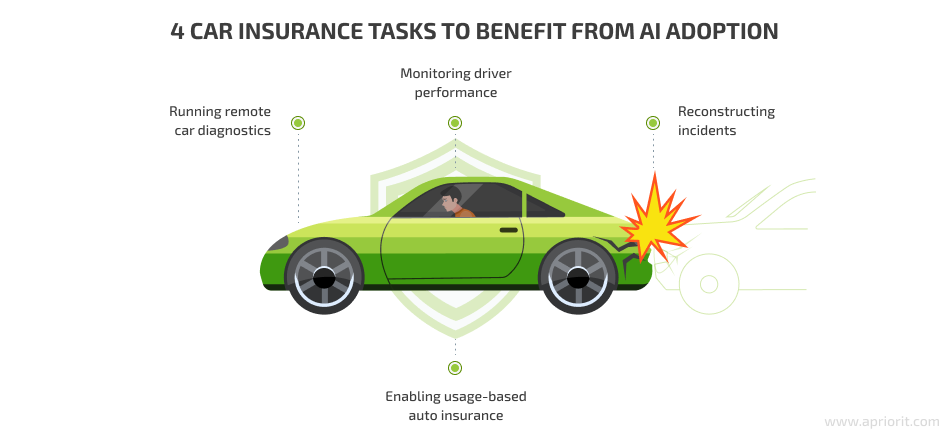
AI analyzes data from many sources. It looks at driving habits, location, and vehicle type. This helps create fairer insurance premiums. Safe drivers pay less. AI tailors prices to each person’s risk level. This moves away from one-size-fits-all pricing.
Faster Claims Processing
AI speeds up claim handling. It can review photos and documents automatically. This reduces waiting times for claim approval. Customers get paid quicker after accidents. AI also helps identify missing or incorrect information early.
Improved Fraud Detection
Fraud costs insurance companies billions each year. AI spots unusual patterns in claims data. It flags suspicious claims for further review. This reduces false payouts and keeps premiums lower. AI learns from new fraud methods to stay effective.
Enhanced Customer Support
AI-powered chatbots and virtual assistants answer questions fast. They provide 24/7 support without long waits. Customers can check policy details or file claims anytime. AI improves communication and keeps customers informed.
Ai In Underwriting And Pricing
AI is reshaping how insurers underwrite and price car insurance policies. It helps companies analyze risks faster and more accurately. This change benefits both insurers and drivers with fairer pricing and quicker decisions.
Data-driven Risk Assessment
AI uses large amounts of data to evaluate risk. It looks at driving history, vehicle type, location, and other factors. This detailed analysis leads to better predictions of accident likelihood. Insurers can then offer prices that match each driver’s true risk.
Accelerated Underwriting Process
Traditional underwriting can take days or weeks. AI speeds up this process by automating data review. It quickly checks information and identifies risks without manual work. This means faster policy approvals and less waiting for customers.
Dynamic Pricing Models
AI allows insurers to adjust prices in real time. It reacts to new data, such as driving behavior or market trends. This dynamic pricing ensures premiums stay fair and competitive. Drivers benefit from personalized rates based on current risk levels.
Automating Claims With Ai
Automating claims with AI transforms how insurance companies handle car accident reports. It speeds up the entire process, making it faster and more accurate. AI tools reduce human errors and help customers get their settlements without delays.
AI uses smart technology to analyze data from images, videos, and documents. This allows insurers to assess damages quickly. It also helps in deciding claim approvals with minimal manual work.
Image And Drone Analysis
AI systems examine photos and videos of damaged vehicles. Drones capture aerial views of crash sites, providing clear images. The AI scans these visuals to identify damage types and severity. This method saves time compared to manual inspections. It also improves accuracy by detecting small or hidden damages.
Damage Estimation Tools
AI-powered tools calculate repair costs based on damage analysis. They use data from past repairs and market prices. This helps create fair and precise estimates for claim settlements. The tools can update estimates quickly if new damage is found. This speeds up the claim process and reduces disputes.
Streamlined Approval Workflow
AI automates the review and approval of claims. It checks claim details against policy rules and legal requirements. The system flags any inconsistencies or possible fraud. Approved claims move faster through the payment process. This reduces wait times for customers and lowers administrative costs for insurers.
Ai And Fraud Prevention
AI plays a crucial role in preventing fraud in car insurance. Fraudulent claims cost insurers and honest customers a lot of money. AI systems analyze large sets of data quickly to spot fraud attempts. These technologies improve accuracy and reduce human error in fraud detection.
By using AI, insurers can protect themselves and policyholders from false claims. The technology learns from past fraud cases and adapts to new tactics. This makes fraud prevention smarter and more effective every day.
Pattern Recognition Techniques
AI uses pattern recognition to find common signs of fraud. It scans claim details and compares them with known fraud patterns. This helps catch repeated fraud methods and suspicious behaviors. The system flags claims that fit these patterns for further review.
Pattern recognition reduces the time needed to detect fraud. It also helps insurance companies act faster against fraudulent claims. This keeps the insurance process fair for everyone.
Anomaly Detection Systems
Anomaly detection looks for unusual activities in claims data. AI identifies claims that differ from normal patterns. These could be odd claim amounts, strange timing, or rare locations. Such anomalies may indicate fraud or errors.
Once detected, these claims get extra attention from human experts. Anomaly detection helps insurers focus on high-risk cases. It improves fraud prevention without slowing down honest claim processing.
Reducing False Claims
AI reduces false claims by verifying data automatically. It cross-checks information from multiple sources, such as vehicle records and medical reports. This makes it harder for fraudsters to submit fake claims.
AI also learns to distinguish true claims from false ones over time. This lowers the number of wrongful claim rejections. Customers benefit from faster, more accurate claim decisions.
Customer Experience Boosters
Customer experience is key in car insurance. AI tools improve how customers interact with insurers. These technologies make service faster and easier. They reduce wait times and provide quick answers. Customers feel supported throughout their insurance journey.
AI helps insurers understand customers better. It offers tailored advice and solutions. This personal touch builds trust and satisfaction. Here are some ways AI boosts customer experience in car insurance.
Chatbots And Virtual Assistants
Chatbots work 24/7 to answer common questions. They handle policy details, claims, and billing issues. Virtual assistants guide customers step-by-step through processes. They reduce the need to wait for human help. This speeds up problem solving and improves satisfaction.
Generative Ai For Communication
Generative AI crafts clear and friendly messages. It writes emails, texts, and notifications automatically. This keeps customers informed without delay. AI also adapts the tone to suit each customer. The result is better communication and fewer misunderstandings.
Personalized Policy Recommendations
AI analyzes customer data to find the best policies. It considers driving habits, location, and preferences. This helps customers get coverage that fits their needs. Personalized advice saves money and avoids unnecessary options. It makes buying insurance simpler and smarter.
Ai-driven Marketing Strategies
AI-driven marketing strategies transform how car insurance companies reach and serve customers. These strategies use data and machine learning to create personalized experiences. They help insurers focus their efforts where they matter most. This leads to better customer engagement and higher sales.
Targeted Advertising
AI analyzes customer data to identify the right audience for ads. It selects people most likely to need car insurance. This avoids wasting money on broad campaigns. Ads become more relevant and show at the best times. This increases the chances of getting a response.
Predictive Customer Needs
AI studies past behavior to predict future insurance needs. It can spot when a customer might want to upgrade or change coverage. This allows companies to offer solutions before customers ask. It builds trust and keeps customers satisfied. Predictive models also help adjust prices fairly.
Cross-selling Opportunities
AI finds chances to offer related insurance products. For example, home or life insurance alongside car policies. It understands customer preferences and buying patterns. This helps agents suggest useful add-ons. Customers get better deals, and insurers increase revenue.
Benefits For Insurance Providers
Car insurance AI offers clear benefits for insurance providers. It helps them work faster and smarter. Automation and data analysis improve many parts of the insurance process. These benefits save time, reduce costs, and increase accuracy. They also help keep customers happier with better service. The following sections explain key advantages for insurance companies.
Operational Efficiency
AI automates routine tasks like data entry and claims processing. This speeds up workflows and reduces errors. Staff can focus on complex cases and customer care. AI tools work 24/7 without breaks or fatigue. This continuous operation improves overall productivity. Faster processing means quicker responses to customers.
Cost Reduction
AI cuts costs by lowering the need for manual work. It reduces paperwork and phone calls. Automated fraud detection lowers losses from false claims. AI also minimizes errors that cause costly corrections. Insurance companies spend less on resources and save money. These savings can be passed to customers or reinvested.
Improved Risk Accuracy
AI analyzes large data sets to assess risk more precisely. It considers many factors that humans might miss. This leads to fairer pricing and better underwriting decisions. Accurate risk models reduce unexpected losses for insurers. It helps companies offer policies that match customer profiles closely.
Higher Customer Satisfaction
AI enhances customer experience by providing fast and clear responses. Chatbots and virtual assistants answer questions anytime. Claims get processed more quickly with less hassle. Personalized offers meet individual needs and preferences. Happy customers are more likely to stay loyal and recommend the company.
Credit: www.apriorit.com
Real-world Ai Applications
Artificial intelligence (AI) is changing car insurance in practical ways. It helps companies work faster and smarter. Customers get better service without extra hassle. Below are real-world AI uses in car insurance that improve daily operations and customer experience.
Robo-advisors For Policy Guidance
Robo-advisors use AI to guide customers through insurance choices. They analyze personal data and suggest the best policies. This saves time and reduces confusion. Customers get clear advice tailored to their needs. The process is simple and fast, making insurance easier to understand.
Legacy System Integration
Many insurance companies use old computer systems. AI helps connect these legacy systems with new technology. This integration allows smooth data flow and better communication. Companies can update their services without losing important information. It improves efficiency and keeps the system reliable.
Automated Document Summarization
AI can read and summarize lengthy insurance documents quickly. It extracts key points from policies and claims forms. Customers and agents save time by getting clear summaries. This reduces errors and speeds up decision-making. The process makes handling paperwork less stressful.
Future Trends In Car Insurance Ai
The future of car insurance is closely linked to advances in artificial intelligence. AI is set to transform how insurers assess risks, set prices, and serve customers. These trends promise faster, smarter, and fairer insurance services for drivers everywhere.
Advanced Predictive Analytics
Predictive analytics uses AI to study huge amounts of data. It finds patterns in driving habits, weather, and road conditions. This helps predict accidents and claims more accurately. Insurers can offer fairer premiums based on real risk. This reduces guesswork and improves customer trust.
Ai-powered Risk Forecasting
AI systems will forecast risks with greater precision. They combine data from sensors, traffic reports, and driver behavior. This allows insurers to identify high-risk situations early. Customers may receive warnings or personalized tips to drive safely. This proactive approach lowers accident rates and claims.
Expanding Automation Capabilities
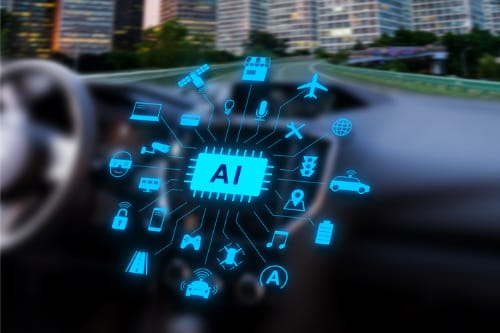
Automation in car insurance will go beyond claims processing. AI will handle underwriting, fraud detection, and customer service tasks. Chatbots will answer questions anytime, speeding up support. Automated fraud checks will protect customers and insurers. This reduces costs and makes the insurance process smoother.
Credit: www.insurancebusinessmag.com

Credit: www.freepik.com
Frequently Asked Questions
Can You Use Ai For Car Insurance?
Yes, AI improves car insurance by personalizing premiums, speeding claims, detecting fraud, and enhancing customer service efficiently.
Which Insurance Companies Use Ai?
Leading insurers like Progressive, Allstate, State Farm, Lemonade, and AXA use AI to enhance underwriting, claims, fraud detection, and customer service. AI automates risk assessment, speeds claims processing, and personalizes policies, improving efficiency and customer experience across the insurance industry.
What Is The Best Ai For Insurance?
The best AI for insurance uses advanced analytics to improve underwriting, claims processing, fraud detection, and customer service. Leading platforms include Salesforce Einstein, IBM Watson, and Gradient AI. These tools boost efficiency, accuracy, and personalization, helping insurers reduce costs and enhance customer satisfaction.
Is Ai Going To Replace Underwriters?
AI will assist underwriters by speeding risk assessment and improving accuracy, but it will not fully replace them. Human judgment remains essential.
Conclusion
AI in car insurance simplifies processes and cuts costs effectively. It helps insurers assess risks faster and more accurately. Customers enjoy quicker claims and personalized pricing. Fraud detection improves, protecting both companies and drivers. This technology steadily shapes the future of auto insurance.
Embracing AI can lead to smarter choices and better coverage. The road ahead looks clearer with AI’s support.