Are you planning to drive a car for just a few days or a week and wondering if you really need to commit to a long-term insurance policy? You’re not alone.
Finding car insurance for a week can feel confusing, especially when most major providers don’t advertise short-term plans clearly. But what if you could get the coverage you need without paying for months you won’t use? This guide will walk you through everything you need to know about weekly car insurance—how it works, where to find it, and what pitfalls to watch out for.
Keep reading to make sure you protect yourself and your wallet while driving temporarily.
Short-term Car Insurance Options
Short-term car insurance offers flexible protection for drivers needing coverage for just a few days or weeks. This type of insurance suits those who rent cars, borrow vehicles, or drive temporarily without a long-term plan. It provides legal protection without the commitment of a full policy.
Many drivers find short-term options useful during travel, test drives, or when their regular insurance lapses. Understanding the available plans and providers helps you choose the best coverage for a short period.
Daily And Weekly Coverage Plans
Daily and weekly car insurance plans cover your vehicle for short periods, such as one day or seven days. These plans give you the exact duration of coverage needed. They usually include liability, collision, and comprehensive protection.
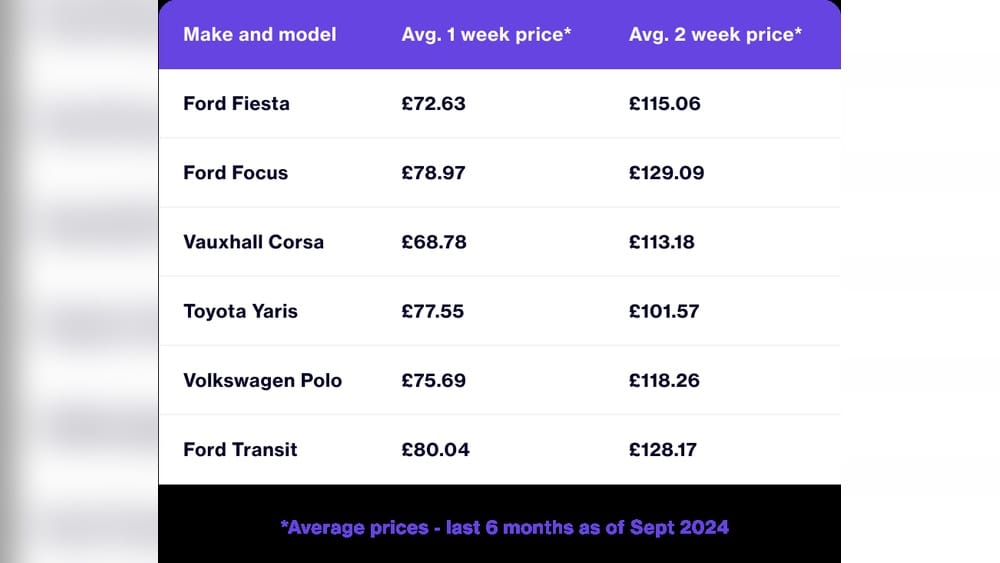
Prices vary based on car type, location, and driver history. Daily plans offer flexibility for very short trips. Weekly plans lower the cost per day for longer needs. Both allow easy online purchase and instant coverage.
Companies Offering Temporary Insurance
Some insurance companies and brokers specialize in short-term car insurance. These include specialized providers and traditional insurers with temporary options. Examples are Tempcover, Hugo Insurance, and certain branches of Allstate and Progressive.
Each company has different rules and prices. Always check the coverage details and limits before buying. Some providers let you extend coverage if needed. Compare quotes to find the best fit for your situation.
Risks Of Misleading Ads
Many ads promise cheap and fast short-term insurance but may hide important details. Some offers are scams or lack valid coverage. Misleading ads can cause drivers to buy invalid or insufficient insurance.
Always verify the insurer’s reputation and license. Read reviews and confirm policy terms. Avoid deals that seem too good to be true. Protect yourself by choosing trusted companies with clear policies.
How Weekly Car Insurance Works
Weekly car insurance offers short-term protection for drivers who need coverage for a limited time. It suits those borrowing a car, renting, or needing extra coverage for a week. Understanding how weekly car insurance works helps you make the right choice. This section explains its duration, coverage types, and cost structure.
Duration And Extensions
Weekly car insurance typically lasts seven days from the start date. You can begin coverage on any day you choose. Some providers allow you to extend the policy beyond the initial week. Extensions usually require an additional payment. This flexibility suits unexpected needs or trips lasting longer than planned.
Coverage Types Included
Weekly car insurance often includes essential coverage types. Liability coverage protects against damages you cause to others. Collision coverage pays for damage to your car after an accident. Comprehensive coverage handles non-collision damages like theft or weather. Some policies may offer personal injury protection and roadside assistance. Always check which coverages are included before buying.
Premium Cost Breakdown
Premiums for weekly car insurance depend on several factors. Your age, driving history, and the car model affect the price. Coverage types and limits also influence the premium. Weekly insurance costs more per day than monthly plans due to shorter terms. Some companies charge a flat weekly fee, while others prorate daily costs. Comparing quotes helps find the best deal for your needs.
Finding Affordable Weekly Insurance
Finding affordable weekly car insurance can save money and provide needed flexibility. Weekly insurance suits short-term needs like rentals or temporary use. The challenge lies in choosing a plan that fits your budget without sacrificing coverage.
Several factors affect weekly insurance costs. Providers, discounts, and tools all play a role. Understanding these can help you make a smart choice quickly.
Comparing Major Providers
Major insurance companies offer different weekly rates and coverage. Prices vary based on your location, vehicle, and driving history. Check providers like State Farm, Progressive, and Travelers for competitive offers. Comparing their plans reveals which one fits your needs best.
Review policy details closely. Some companies may charge hidden fees or limit coverage options. Seek clear terms and conditions before deciding.
Discounts And Deals
Discounts reduce the cost of weekly car insurance significantly. Look for deals such as safe driver discounts or multi-policy savings. Some insurers offer discounts for paying upfront or using certain payment methods.
Ask about seasonal promotions or loyalty rewards. Applying discounts can lower your premiums and improve affordability.
Online Quote Tools
Online quote tools provide quick price estimates from multiple insurers. Enter basic information to receive customized weekly insurance quotes. These tools help you compare prices side by side without calling each company.
Use online calculators to check coverage limits and premium costs. This saves time and helps you find the best deal fast.
Credit: www.jaunt.co.uk
Who Benefits From Weekly Coverage
Weekly car insurance coverage offers a flexible solution for many drivers. It suits those who need protection for a limited time without committing to a long-term policy. This type of coverage can save money and provide necessary legal protection. Several groups benefit especially from weekly insurance plans.
Short-term Drivers
People who drive for a brief period find weekly coverage useful. This includes those borrowing a car or using a vehicle only for a few days. Weekly insurance is cheaper than a full-year policy and gives enough protection. It is perfect for short trips or occasional driving needs.
Rental Car Users
Many rental car users choose weekly insurance to avoid high rental company fees. This coverage protects the driver and the rental car during the rental period. It often costs less than the insurance offered by rental companies. Weekly coverage gives peace of mind without a long-term contract.
Non-owner Drivers
Non-owner drivers do not own a car but still need insurance. They may borrow or rent vehicles sometimes. Weekly car insurance covers these drivers only for the days they need it. This option is affordable and flexible, providing legal protection without owning a car.
Limitations And Legal Requirements
Understanding the limitations and legal requirements is key before buying car insurance for a week. Short-term policies differ from regular insurance plans. These differences affect coverage, costs, and legal compliance.
Each state enforces its own rules. Knowing these rules helps avoid fines and ensures proper coverage. Drivers must follow liability insurance mandates set by the state. This protects both the driver and others on the road.
State Regulations
Car insurance laws vary by state. Some states allow short-term insurance easily. Others restrict or do not recognize it. States set minimum coverage levels and policy durations.
Check your state’s Department of Motor Vehicles for specific rules. State regulations impact the availability and legality of weekly car insurance. Ignoring these rules can lead to penalties or uninsured driving.
Liability Insurance Mandates
Most states require liability insurance to drive legally. This insurance covers injuries or damage you cause to others. Minimum liability coverage amounts vary by state.
Short-term insurance policies must meet or exceed these minimums. Liability mandates protect all drivers on the road. Without proper liability coverage, you risk legal trouble and financial loss.
Availability In Texas
Texas law requires all drivers to carry liability insurance. It sets specific minimum amounts for bodily injury and property damage. Temporary or weekly insurance is available but limited.
Many insurers in Texas do not offer one-week policies. Some specialized companies provide short-term coverage. Always verify the policy meets Texas legal minimums before purchase.
Driving without proper insurance in Texas results in fines and penalties. Understanding Texas rules helps you stay protected and legal.
Steps To Get One-week Car Insurance
Getting car insurance for just one week can be a smart choice for short trips or temporary vehicle use. The process is simple and quick. Understanding the steps helps you get covered without hassle. This section breaks down the key steps to secure one-week car insurance.
Application Process
Start by choosing a provider that offers short-term car insurance. Fill out the application form with your personal details. Include your driving history and vehicle information. Some companies allow online applications for faster service. Review your information carefully before submitting.
Payment Options
Most insurers accept credit or debit cards for payment. Some may offer bank transfers or online payment systems. Pay the full amount upfront to activate the insurance. Check if there are any discounts for early payment. Keep your payment receipt for future reference.
Activation And Cancellation
Insurance coverage usually activates immediately after payment confirmation. You will receive proof of insurance by email or text. Keep this document in your vehicle at all times. To cancel, contact the insurer as soon as possible. Confirm if there are any cancellation fees or refund policies.
Alternatives To Weekly Insurance
Weekly car insurance suits some drivers but not all. Alternatives offer different benefits. These options may save money or fit better with your needs. Understanding each alternative helps you pick the right coverage.
Standard Six-month Policies
Most drivers choose six-month car insurance policies. These plans provide coverage for half a year. They often come with lower monthly costs than short-term plans. Longer terms help spread out payments. Discounts may apply for safe driving or bundling policies. This option works well for regular drivers. It offers steady protection and predictable costs.
Pay-per-mile Insurance
Pay-per-mile insurance charges based on how far you drive. It suits drivers with low mileage. You pay a base rate plus a fee for each mile driven. This model can lower costs if you drive less. Some companies use a device to track mileage. It encourages safe and limited driving. This option fits part-time drivers or those who use public transport often.
Flexible Auto Insurance Plans
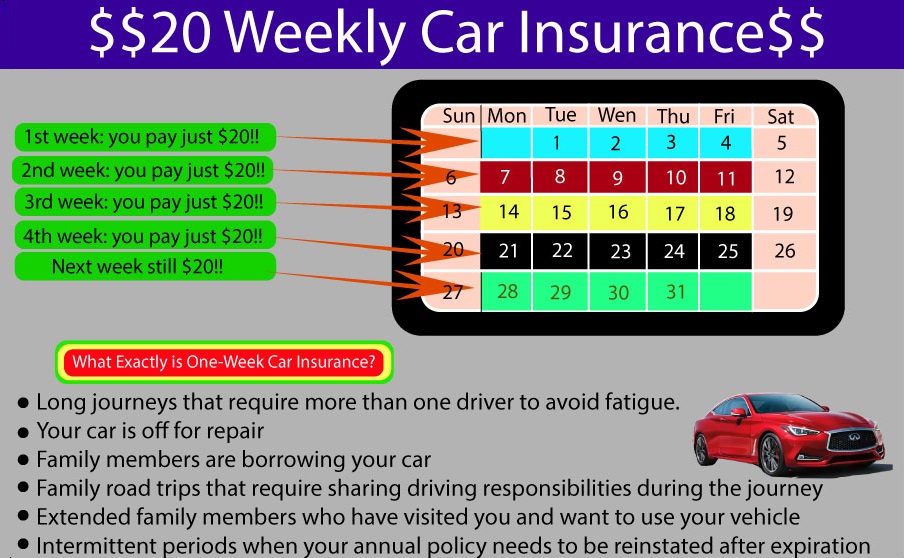
Flexible auto insurance lets you customize coverage length and features. You can choose days, weeks, or months of protection. These plans adjust to your changing needs. Some insurers offer instant quotes and easy sign-up online. Flexibility suits drivers with irregular schedules or temporary needs. It combines convenience with control over your insurance budget.
Credit: rodneydyoung.net

Credit: www.moneygeek.com
Frequently Asked Questions
Can I Buy Insurance For 1 Week?
Yes, you can buy car insurance for one week. Some companies offer temporary weekly coverage. Always verify the insurer’s legitimacy before purchasing.
Can I Get Temporary Insurance For A Week?
Yes, temporary car insurance for a week is available from some providers. It offers flexible, short-term coverage. Always verify the policy details and legitimacy before purchasing.
How Much Does 7 Day Car Insurance Cost?
7-day car insurance typically costs between $11 and $16, depending on the provider and coverage level. Prices vary by location and driver profile. Temporary policies offer flexibility but may carry higher rates than standard insurance. Always compare quotes to find the best weekly car insurance deal.
What Is Car Insurance For A Week?
Car insurance for a week is temporary coverage that lasts seven days. It suits short-term needs like rentals or borrowing a car. Many insurers offer flexible policies to cover brief driving periods without long-term commitment.
Conclusion
Choosing car insurance for a week can save money and offer flexibility. Temporary coverage suits short trips or borrowing a car. Always check policy details before buying to avoid surprises. Watch out for scams when searching for short-term insurance. Compare prices from trusted providers to find the best deal.
Make sure the coverage meets your state’s legal requirements. Short-term insurance can be a smart option for occasional drivers. Stay informed and drive safely during your coverage period.