Commercial property damage claim process
As a Los Angeles business owner, you’re trying to manage repairs, lost revenue, and insurance information.
Here’s a simple guide to streamline your claim process so you get the compensation you deserve.
Navigating Your Commercial Property Damage Claim

Protect the location immediately to prevent additional damage. Begin damage mitigation and initiate your property damage claim. This gets your insurance claim started. Get the claim opened with your provider quickly. Define check and payout timelines.
Collect materials, such as photos and estimates, into a single folder. Work hard to negotiate full pay on building, contents, and lost business time. As with personal claims, quick action with specifics greases the wheels.
Immediate Response
Safety first. Get people out. Turn off electricity, gas, and water in case of fire or flood. Contact the fire department or emergency assistance if necessary.
Prevent further damage. Cover roofs with tarps or board up windows. Save your receipts since those are reimbursed under the policy.
Detect hazards such as live wires or standing water. Post signs to caution. This reduces your legal exposure.
Take time-stamped photos and videos. File an incident report immediately. Photograph or videotape everything to support your claim robustly.
Policy Review
Grab your policy document. Review the limits, deductible, named insured, and what you must do.
Minimum covered losses include fire, storms, and vandalism. Understand the water damage guidelines and what they exclude.
Check out add-ons. Business interruption pays for lost income. Ordinance or law covers code upgrades. Equipment breakdown assists with machines.
Highlight deadlines for notice and proof of loss. You must cut damage as well. Miss this, and coverage glides.
Insurer Notification
Notify your insurer immediately. Provide loss information, location information, and contact for access.
Request the claim number and adjuster name. Receive time frames for the procedure.
Post early damage details and your initial actions. Arrange notifications as you prefer.
See if they require forms or sworn proof. Submit an injury report to accelerate matters.
Damage Documentation
Take wide and close photos of all damage. Secure serial numbers on equipment such as computers or refrigerators.
Take an inventory on a room-by-room basis. Use a table: spot, item, damage kind, count, rough cost. Yearly inventory updates make this simple.
Keep invoices, old photos, and maintenance logs. These establish what was there prior and the actual loss.
Log every insurer chat, including the date, who was involved, and what was said. This protects your claims record.
Adjuster Meeting
Take the adjuster through every inch. Identify roof leaks, wall rot, and destroyed inventory. Reveal unseen loss.
Provide pro bids, vendor notes, and moisture tests. Support your claims with evidence.
Obtain their scope list. Just make sure it covers the right fixes and code work.
Pre-handle coverage on-site for building, contents, and business interruption. Get it done before they close the file. Facing the adjuster is essential in claims.
Claim Negotiation
Match their estimate to your bids. Fight for new cost value, not old used-up price if policy states so.
Do not accept low offers without a push back with the proof, code rules, and extra for missed work.
Add overhead, profit, tax, permits, upgrades to total.
Fast pay on agreed portions. Stand for all victory. A second opinion aids in this.
Common Commercial Damage Scenarios
Standard commercial damage scenarios include natural disasters, fires, water intrusion, and vandalism or theft. These incidents activate certain policy coverages, but exclusions, deductibles, and sublimits can restrict payments.
Commercial damage situations are outlined below in a numbered list of key scenarios:
Natural disasters: Storms, floods, or earthquakes hit roofs, walls, and contents. Wind damage itself accounts for $2.5 billion annually.
Fires: Flames, smoke, and heat ruin structures and gear. Rebuilding takes months and costs tens of thousands.
Water intrusion: Leaks or floods soak inventory and walls. This leads to mold and lost income.
Vandalism/theft: Break-ins steal stock and smash doors. One small store lost $10,000 in a single burglary.
Natural Disasters
Report storm, hurricane or tornado damage immediately. Photograph from the air and on the ground. Whether it was by wind or flooding, this splits coverage.
Wind is a part of standard property insurance. Floods require the NFIP if you have it. Monitor debris removal and roof tears. Record windows broken and electricity lines down.
Stock delays that close your business. One in two restaurant owners experience closings from weather hits. Calculate the loss of income because of closings or civil authority orders.
Supply chain breaks add up as well. This connects to business income coverage.
Fire Incidents
Obtain the fire department report quickly. It indicates the cause, such as electrical malfunction, defective equipment, or arson. This establishes the basis of your claim.
Outbreak of fire, smoke, and accumulated soot spreading. Be sure to examine HVAC, insulation, and concealed locations. Smoke creeps into walls and irritates air systems.
Try electronics and machines. Dust what you may. Exchange if heat or corrosion voids warranties. Deodorizing and biohazard cleanup in estimates.
Restore under policy conditions. Fire claims pay for repairs but watch deductibles.
Water Intrusion
Locate the origin first. Burst pipes or roof failures typically are covered. Sewer backups or floods might not see exclusions. Water damage punches hard with repair costs and downtime.
Employ moisture maps and dry logs. They back up wrecking demolition, dehumidifiers, and mold battles. Ruin stock, floors, and tools.
Put aside soiled merchandise for inspection. File plumber reports, roof photos, and mitigation invoices. This strengthens your property damage claim.
Vandalism and Theft
File a police report pronto. Catch scenes. Demonstrate that it was a break-in, with broken doors, destroyed objects, and stolen equipment.
Burglary and theft count high as claims, with significant stock and tool losses. Provide serial numbers and tags on typical business damage situations.
Divide employee blunders from theft. Negligence could void coverage. Claim repairs for doors, locks, glass, and misplaced equipment. Show ownership and value.
(Word count: 398)
The Adjuster’s Evaluation
The adjuster’s evaluation determines the claim value in commercial property damage. It verifies damages and coverage and causes to determine reasonable compensation. [1][2][3]
Anticipate a deep plunge into structural hazards, mechanical mishaps, and code regulations. The Adjuster’s Check covers visible and underlying damages, along with hazards if you overlook repairs. Request a coverage opinion in writing if it is not obvious.
Check your policy first for deductibles and exclusions. Provide pictures, receipts, and bills to support your claim.
The Site Inspection
Take the adjuster. Track controls, levels, and loss locations across the property. Flag roof tears, base cracks, broken windows, and water trails like in a storm-hit warehouse in LA. [1][3][6]
Allow them into mechanical rooms, IT nooks, equipment spaces and storage. This assists in detecting outright damage, for example, from a ruptured pipe flooding servers. [2][4]
Adjuster’s Review Wear hard hats, barricade soft floors, and observe slip-trips to reduce accidents. [6]
Damage Assessment
The Adjuster’s Test Push for line-by-line cost lists. Have them mine work, stuff, and repair ways right. [4][9]
See if they provide replacement cost or real cash value. Combat old value reductions. For instance, a 10 year roof perhaps receives full new price if policy specifies.
Include code upgrades and manufacturer standards. This prevents poor solutions such as rewiring to fire codes. [1][5]
Match counts, prices per square foot, and additional for waste. This blocks low scopes and short pays like missing 20 percent overhead on big jobs. [4][9]
The Initial Offer
Review the initial proposed close. Catch missed work, abandoned rooms, or discounted rates. Request a revised estimate if it is off. [3][5]
Add deductibles, limits and sub-caps on the pay, like a $50,000 cap slashing a $75,000 loss. Forget partial pays that harm rights.
Clear funds, but will you observe in your note taking back on rest? Prepare a counter with photos, professional observations, and contractor estimates.
Record any fast appraisals you made to prevent further damage, such as tarps on a leaking roof.
Building Your Claim File
BUILD YOUR CLAIM FILE Review your policy first to understand coverage, deductibles, and exclusions. This establishes a solid foundation for your claim file. Build your claim file with folders for visual evidence, inventory, financials, expert reports, and correspondence.
As always, safety comes first. Skip unsafe spots to prevent injury. Record all conversations with the insurer in a claim journal. Here is a simple list to maintain that log:
- Calls: Note the date, time, who you spoke to, and key points discussed.
- Emails: save full threads with timestamps and attachments.
- Site visits: record date, attendees, observations made.
- Insurance forms: log submission dates, versions sent, responses received.
Back up the entire file to cloud storage such as Google Drive and local drives. This protects the paper for court if necessary.
Visual Evidence
Take before and after pictures, panoramas, and video walk-throughs. Don’t forget the date/time stamps and geotags. They show when and where damage struck. For instance, after a storm rips your roof, tape the entire site from the door opening to the back lot.
Shoot close-ups of problems such as spalling concrete, smoke-stained walls, water lines on drywall, rips in roof membranes, or rusted HVAC equipment. Organize the photos by room or by item, for example, ‘living room water damage’ or ‘fireplace mantle.’
File originals securely to maintain metadata for any litigation search. Connect photos to estimates in a table or slide deck. Mark them to connect, as in “this water line corresponds to the $5,000 drywall repair line.” Specific docs like this keep your claim flowing.
Inventory Lists
Log items in a clear table to track damage.
Item | Model/Serial | Quantity | Condition | Location |
|---|---|---|---|---|
Office Chairs | IKEA Markaryd #12345 | 10 | Burned frames | Break room |
Server Rack | Dell PowerEdge R740 | 1 | Water damaged | IT closet |
Filing Cabinets | HON 4-drawer #AB678 | 5 | Dented | Storage |
Include receipts, warranties, or asset logs to demonstrate that you own them and their value. Note how you appraise them: replacement cost, actual cash value, or fair market, matching your policy.
Flag major losses like laptops or phones. because -> since Insist on speedy swabs and safe data since these accelerate recovery.
Financial Records
Collect profit-loss sheets, tax returns, payroll runs, and bank statements. These support business interruption claims and demonstrate lost revenue.
Year | Revenue (Past Trends) | Revenue (Now) |
|---|---|---|
2019 | $500,000 | $450,000 |
2020 | $600,000 | $500,000 |
2021 | $550,000 | $480,000 |
2022 | $700,000 | $520,000 |
2023 | $750,000 | $490,000 |
Month | Pre-Loss Revenue | Post-Loss Revenue | Loss Amount |
|---|---|---|---|
Jan | $50,000 | $20,000 | $30,000 |
Feb | $55,000 | $15,000 | $40,000 |
Follow additional expenses such as rent, utilities, payroll, temp site fees or emergency vendor invoices. Balance out any payouts and identify gaps for negotiations or appeals. If the adjuster lowballs, get a second look or hire your own.
Expert Reports
Bring on engineers, hygienists, or contractors for pro estimates. Their causation links, like storm wind to roof failure, connect the event to the covered loss.
Add complete scopes, schedules, and code or standard-compliant costs. Consider an engineer stamping a report on structural fixes at $100,000, for example.
Submit sealed reports with certs. They boost arguments for coverage and liability pay. Keep assessor fees under 10 percent contingency.
The Hidden Layers of Your Policy

There are layers of fine print in your policy. These sections frequently conceal the specifics on coverages, exclusions, limits, deductibles, endorsements like flood or equipment breakdown, waiting periods, valuation (RCV, ACV) and coinsurance. They mold claim payments.
State laws impose requirements for timely notice and reasonable practices. Dig in and see what applies.
Building Coverage
Review your policy for coverage on structures, permanent fixtures, and essential systems such as HVAC. That includes the roof, walls, structure, and utilities. Use replacement cost value with appropriate standards to price repairs.
As an illustration, a storm slams your LA warehouse roof, dripping paper and sinking support beams. Mark foundation cracks or damaged MEP components. Obtain photos and contractor reports.
Add permit, code upgrade, and inspection fees. Hail shatters walls and the policy covers repair unless a wear exclusion applies. Adjusters check maintenance history and they deny claims.
Contents Coverage
Your policy covers business property such as furniture, equipment, inventory, and even customer goods. Check coverage for off-site, in-transit, or temporary storage. A fire at your store? Compare lost inventory to your sales records.
Valuation is important. RCV pays full new cost. ACV discounts for age and wear. ACV devalues claims on vintage equipment. Support assertions with bills, serial numbers, pictures, and inventories.
Maintain asset logs to demonstrate value.
Interruption Coverage
This covers lost profits and additional expenses from downtime. Monitor repair delays, supplier snags, or blocking orders. For a pipe burst closing your shop, record daily revenue declines.
Account payroll for wages. Build a timeline: event date, close-down, reopen. Tie it to sales. Additional costs include temporary sites.
Ordinance or Law
Older buildings undergo code upgrades when they’re damaged, such as fire codes or ADA ramps. Broken fixes, tear down and rebuild hikes.
Cost Type | Example |
|---|---|
Undamaged Portion | $20,000 seismic retrofits |
Demolition | $15,000 tear-down fees |
Code Compliance | $50,000 new sprinklers |
Partner with local leaders on fire or access policies. Here is what to account for:
- Roof upgrades to meet wind standards.
- Demolition of unsafe sections.
- Extra costs for energy-efficient wiring.
When Your Claim Hits a Snag
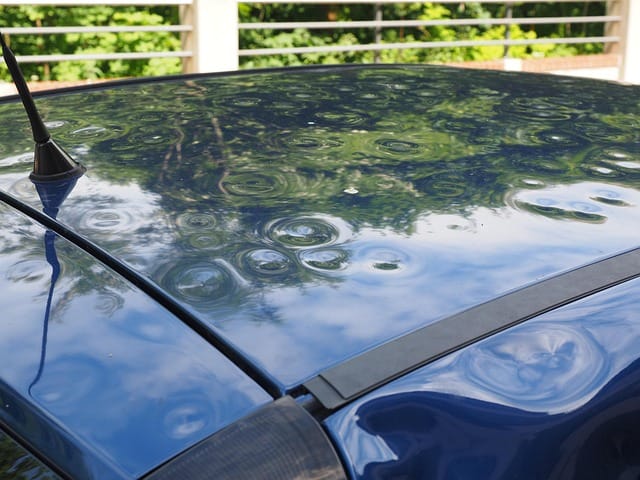
When your claim hits a snag, it can be incredibly frustrating and stressful, particularly if you’re still dealing with the effects of a disaster or loss. Denial, delay, and underpayment are frequently caused by documentation issues, incomplete evidence, or disagreements regarding the extent of damage.
When your claim hits a snag, identify the problem immediately—denial, delay, underpayment—and record every insurer interaction and decision. Check your policy to understand coverage, deductibles, and exclusions. Reference policy language to combat incorrect decisions or unjust actions.
Ask for an escalation or appraisal if available and complain to your state insurance regulator if necessary. Be proactive to reduce stress.
Understanding Denials
When your claim hits a snag, read the denial letter closely. Map each reason, such as exclusion, late notice, and wear and tear, to the policy language describing it. Collect evidence to refute it. Obtain professional causation reports, damage photographs, maintenance records and notes from immediately after the incident.
For instance, if they cite wear and tear on a roof after a storm, present recent inspections and storm pictures. Catch and correct simple mistakes quickly, such as missing documents or proof-of-loss forms. They have due dates, so you better do them fast if you want to keep your claim alive.
File that proof of loss. It is critical but laborious. Reply in writing, point by point. This establishes a paper trail for appeals or the courts. Say, “Your exclusion isn’t applicable according to page 12 of the policy due to…
Contesting Underpayments
Make your own decision. Include the absent items, correct quantities, and updated prices. Compare it side by side with theirs. Push back on depreciation, skipped overhead and profit or wrong sales tax. These slash your actual payout.
For example, if they lowball roof repair at $50,000 and market rate is $80,000 with 20 percent profit, spell it out. Attach supplements with building code cites and manufacturer specs for additional work. For example, support complete HVAC replacement with specs showing it cannot be patched.
When negotiations get stuck on price or scope, demand appraisal as your policy states. It’s binding on sum, not coverage.
The Appeals Process
Follow the insurer’s appeal procedure. Mail them a packet of proof, expert reports, and a cover letter summarizing it. Track deadlines. Make sure they received it and request a written decision along with the claim file notes.
Pursue alternate options such as appraisal, mediation, or arbitration if your policy provides for them. These options accelerate resolution out of court. Report delays or bad habits to your state regulator. Do this with your lawsuit options still intact.
Here in KY or OH, you have 2 years to file suit. Appeals can drag if you miss steps. The structure helps. Start with that packet including photos from day one, adjuster visit notes, your counter-estimate showing $100,000 underpayment on fire damage to warehouse inventory, expert engineer report proving sudden pipe burst not wear, policy pages highlighting “all-risk” coverage minus clear exclusions, and cover letter demanding reversal within 30 days per state rules.
Track through certified mail, follow up weekly, pivot to mediation if no reply on time since it settles 70% of disputes faster than court, and notify the regulator early if patterns like ignoring proof-of-loss emerge. Note deadlines to avoid waiver.
Seeking Counsel
Bring in a commercial property damage lawyer for difficult coverage battles and negotiations. Let them construct a bad faith or underpayment claim. Be ready to sue if necessary.
They round up specialists, investigate the claim, and submit motions. They shoot for the maximum settlement. For example, a lawyer spots a policy breach on a flood sublimit and pushes for an additional $500,000.
Match fees to claim magnitude. Set budgets to protect your business cash flow. Contingency usually works best; put up if you win.
(Word count: 398)
Conclusion
A clear plan reduces stress and saves money. Maintain clean records. Monitor every conversation with the adjuster. Following a burst pipe at a cafe, photograph wet walls and floors. Save two plumber bids. Record lost sales by day. When wind rips off a roof on your little shop, cover the hole and record the dates. Get a roofer in there quickly. These steps expedite talks and keep settlement on schedule. Rules differ by state and by carrier. Read your policy line by line, of course. Inquire about code work, debris haul, and tax on labor. If a snag comes up, keep cool and stick to the facts. Have questions? Contact me for a quick chat. We can assist with what to do next.
Frequently Asked Questions
What’s the first thing I should do after commercial property damage?
Make sure everyone is secure, stabilize the site if you can, and capture damage with photos and videos before you call your insurer or broker. [2][6]
How do I start a commercial property damage claim?
Immediately notify your insurer or broker of the loss and send them photos and an inventory as soon as possible. Ask for a claim number and the adjuster who has been assigned. [2][6]
What does the claims adjuster do?
The adjuster visits the property, inventories the loss, identifies the cause and extent, and delivers a coverage and payment estimate.
How should I document losses to get a fair payout?
Maintain current photos and videos, receipts, invoices, serial number inventories, repair estimates, and any police or investigative reports.
Can I make emergency repairs before the adjuster arrives?
Yes — do what you can to make temporary repairs to avoid additional loss, keep receipts, and advise your claim rep in advance.
What if the insurer’s settlement offer is too low?
You can fight it with supplementary documentation, independent estimates, a public adjuster or a lawyer. [3][4]
How long does a commercial property claim usually take?
Timing depends on complexity and market conditions. Most claims settle in weeks, but complicated or disaster-area claims may require significantly more time. [5][3]