
If you drive a vehicle for both daily life and work tasks, knowing where your coverage begins and ends is essential. Many drivers assume their standard car policy protects them anytime they are behind the wheel—until an accident occurs during a business errand and the insurer denies the claim. Understanding commercial vs. personal auto insurance safeguards your vehicle, personal savings, and business assets from costly legal liability.
Table of Contents
Core Differences: Commercial vs. Personal Auto Insurance
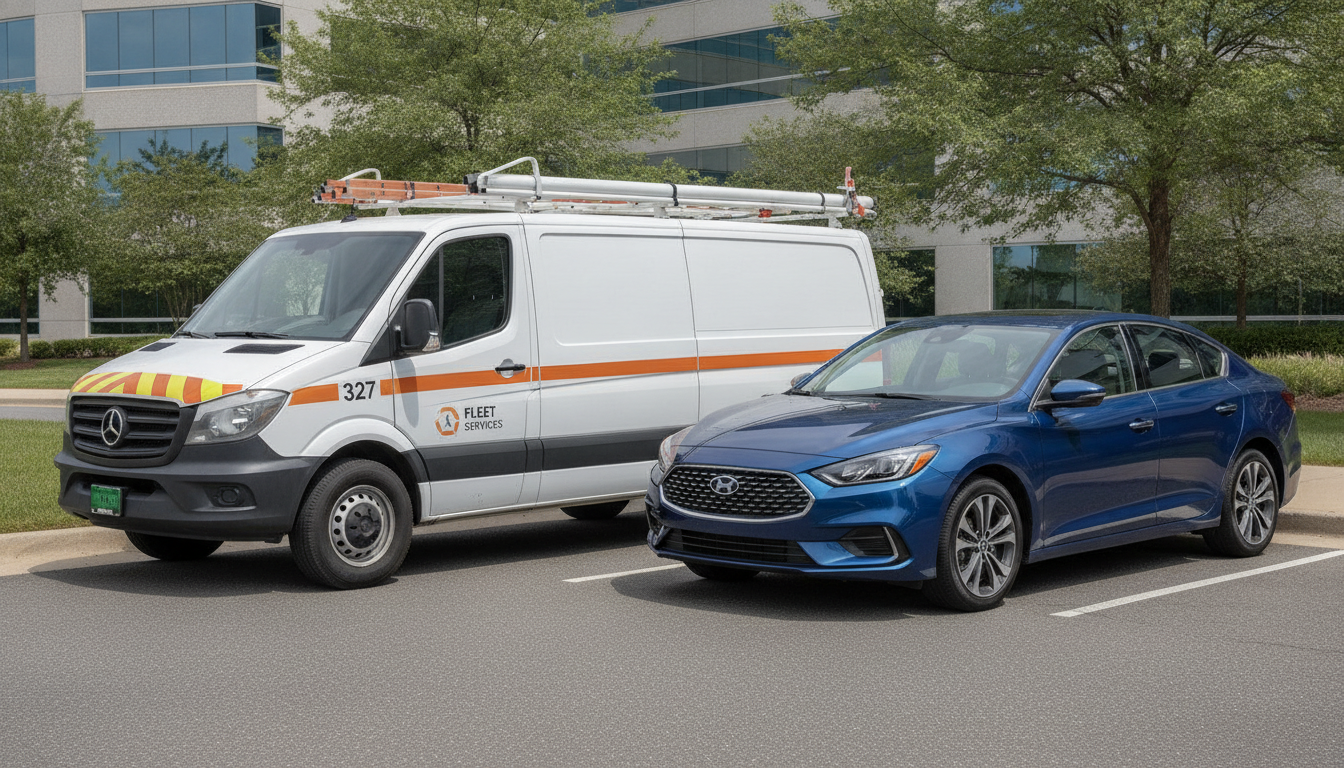
Both policy types provide bodily injury liability, property damage liability, medical payments, and collision and comprehensive coverages. The main difference centers on vehicle ownership, primary purpose, and risk exposure.
Personal auto insurance covers everyday transportation: commuting to an office, school drop-offs, grocery shopping, and weekend trips. Personal contracts carry a standard “business use exclusion” that rejects claims if a crash happens while transporting cargo or passengers for revenue.
Commercial auto insurance is designed for vehicles titled to businesses, fleet operations, and vehicles driven by employees to generate income. Because work vehicles accumulate higher mileage and haul heavier loads, commercial policies feature higher liability maximums to protect companies from lawsuits.
Side-by-Side Comparison
| Feature | Personal Auto | Commercial Auto |
|---|---|---|
| Named Insured | Individual or family members | Business entity (LLC, Inc., Partnership) |
| Permitted Drivers | Household residents | Authorized employees and team drivers |
| Standard Limits | Split limits ($50k/$100k/$50k) | Combined Single Limit ($500k to $1M+) |
| Personal Errands | Fully covered | Permitted under most policies |
| Tools in Transit | Excluded | Requires Inland Marine endorsement |
| Average Monthly Rate | $90 – $180 | $140 – $250+ |
When Is Personal Auto Coverage Enough?
For freelancers, remote staff, and sole proprietors, the boundary is often confusing. Standard commuting—driving between home and your workplace—is covered by personal auto insurance. Incidental errands, like mailing an invoice on your lunch break, rarely void coverage.
However, personal insurance fails once your vehicle functions as a business tool. Activities requiring commercial coverage include:
- Transporting client materials, inventory, or heavy work supplies between job sites.
- Charging fares to transport passengers or delivery orders. For app delivery, consult our guide to delivery driver insurance for DoorDash and Uber Eats.
- Permitting employees to operate the vehicle for company duties.
- Equipping vehicles with commercial additions like ladder racks, cranes, or custom tool compartments.
4 Critical Coverage Gaps Most Guides Miss
While most competitor guides stick to basic definitions, practical claims reveal four major blind spots that catch small business owners off guard:
1. Combined Single Limits (CSL) vs. Split Limits
Personal auto policies use split limits (for example, $100,000 bodily injury per person, $300,000 per accident, and $50,000 property damage). If you cause an accident involving modern luxury vehicles or multiple cars, $50,000 in property damage coverage can be exhausted immediately, exposing your personal assets to lawsuits.
Commercial auto policies use Combined Single Limits (CSL), providing a single $1,000,000 pool per incident applicable to bodily injury and property damage combined. This flexible cap eliminates split-limit shortfalls during severe claims.
2. The Cargo and Equipment Trap (Inland Marine)
Many contractors and creative professionals believe a full-coverage commercial auto policy protects tools, laptops, or client goods inside the truck bed or cabin. It does not. Commercial auto only repairs damage to the vehicle itself.
To insure $15,000 worth of electrical tools, medical equipment, or retail merchandise while on the road, you must add an Inland Marine (Equipment Floater) or Motor Truck Cargo rider.
3. Hired and Non-Owned Auto (HNOA) Liability
If an employee drives their personal car to pick up client documents or office supplies and causes a serious wreck, their personal insurer will likely deny the claim once business use is discovered. The injured driver will then sue your company directly.
A standard commercial policy only covers scheduled company-owned cars. To protect your business against lawsuits stemming from staff-owned vehicles, purchase Hired and Non-Owned Auto Insurance (HNOA). Solopreneurs can review the best insurance for side hustles to see how HNOA pairs with general liability.
4. Tax Deductibility: Mileage vs. Actual Premiums
Personal auto insurance premiums are not tax-deductible. In contrast, commercial auto insurance premiums are 100% deductible as ordinary business expenses. If you use a personal vehicle for work, the IRS offers two deduction paths:
- Actual Expense Method: Deduct the verified business percentage of auto insurance premiums, fuel, and depreciation.
- Standard Mileage Rate: Deduct the annual federal mileage rate, which already factors in built-in insurance and upkeep costs.
Retailers should verify these write-offs alongside broader business insurance for online store owners.
Commercial Auto Insurance Costs in 2026

In 2026, small businesses pay an average of $140 to $250 per month ($1,680 to $3,000 annually) per vehicle for a standard $1,000,000 CSL policy. Rates fluctuate based on four core criteria:
- Vehicle Class and Weight: Passenger cars cost less to insure than three-quarter-ton pickups, heavy vans, or dump trucks.
- Travel Radius: Operations within a 50-mile radius receive lower rates than regional or interstate travel.
- Driver MVR Records: Clean driving records across all listed employees maintain preferred tier pricing.
- Business Type: Courier and parcel services face higher risk ratings than consulting or photography.
Frequently Asked Questions (People Also Ask)
Do I need both personal and commercial auto insurance?
No, not on the same vehicle. A commercial auto policy covers both business tasks and personal trips, including weekend family travel. However, if you have a separate work van and personal car, each requires its own policy type.
Does commercial auto insurance cover personal driving?
Yes. Most commercial auto policies allow personal driving of company vehicles, provided the driver is an authorized policyholder or vetted employee.
Can I put an LLC-owned vehicle on a personal policy?
No. If a vehicle is titled to a business entity like an LLC or corporation, personal carriers will deny the application. The vehicle title and policy holder names must match, requiring a commercial auto policy.
What happens if I crash my personal vehicle during a work errand?
If your personal insurance carrier determines you were driving for commercial tasks, they can invoke the business exclusion, deny third-party liability claims, and decline repairs for your vehicle.
Does commercial auto insurance cover employees?
Yes. Commercial policies cover employees licensed and approved by your insurance carrier. Drivers with serious violations should be verified beforehand to prevent claims disputes.
Decision Checklist: Which Policy Do You Need?
- Get Personal Insurance (with Business Endorsement) if: The car is titled in your personal name, you only use it for commuting and client visits, and you do not haul equipment or cargo.
- Get Commercial Auto Insurance if: The vehicle is registered under an LLC or company name, employees operate the vehicle, or you carry tools and commercial merchandise.
- Add Hired & Non-Owned Auto (HNOA) if: You or your staff occasionally drive personal cars to run company errands or travel off-site.