Full coverage accident liability, as in how “full coverage” auto insurance in the U.S. Deals with fault, payouts, and limits after a crash. California full coverage is usually liability, collision, and comprehensive, along with the legally required minimums such as $15,000/$30,000 B.I. $5,000 P.D.
Liability pays others when you are at fault, and collision and comprehensive cover your car. To fill gaps, include uninsured and higher limits. The parts below clarify what qualifies and what does not.
Decoding Full Coverage Accident Liability
Full coverage is not one policy. It’s a package that typically comprises liability, collision, and comprehensive coverage with extras as add-ons. Liability pays other people when you cause a crash. Collision and full coverage assistance repair or substitute your individual car.
In fault states, the at-fault driver’s insurer pays. In no-fault states, you go to your own coverage first. Grasping exactly what you do and don’t have eliminates gaps post-accident.
1. Protecting Others
Liability coverage is essential as it covers other people’s losses when you’re at fault. It separates out bodily injury liability, which includes medical bills, lost wages, and legal defense, and property damage liability, which involves fixing or replacing other vehicles, fences, structures, or public fixtures. Understanding the full coverage auto insurance options available can help in determining the right protection for you.
Most states have required minimum liability coverage limits to drive legally. A typical case would be twenty-five thousand dollars per person for bodily injury and fifty thousand dollars per accident for two or more people, with a separate property damage limit. However, keep in mind that liability doesn’t cover your injuries or your car.
For instance, if you rear-end someone on the 405 in LA, your liability insurance covers their expenses. Your bumper and emergency room costs are your responsibility unless you have opted for additional coverages like collision insurance or comprehensive protection.
Review your auto insurance policy’s declarations page annually. Choose limits that reflect actual expenses in your area, as expensive medical treatment and high-end vehicles can easily exceed state minimums. Securing full car insurance coverage can provide peace of mind in such situations.
2. Protecting Yourself
Full coverage includes collision to cover your car when you hit another vehicle or object and comprehensive to cover non-crash damages like theft, vandalism, fire, hail, flood, or a tree falling. A hit-and-run in a parking garage or a stolen catalytic converter would fall here.
Uninsured and underinsured motorist (UM/UIM) help when the other driver has no insurance or not enough. In states with lower liability requirements or weak enforcement, UM/UIM can be essential for injury costs.
Typically offered alongside these are personal injury protection (PIP) and medical payments (MedPay), which can help with your medical bills regardless of fault. PIP is commonly mandated in no-fault states and can address lost wages and necessary services.
These coverages cap large out-of-pocket hits from theft, a natural disaster, or a single-car wreck. They won’t replace income or cover every injury unless you pick the proper options.
3. The Legal Mandate
Nearly every state requires minimum auto liability by law. Driving without it can result in fines, license or registration suspension, SR-22 filings, or impoundment.
Minimums rarely equal actual crash costs once you’ve had a bad wreck. High-speed collisions or multi-car pileups can max limits quickly.
Know your state’s regulations and necessary amounts, particularly if you transition between fault and no-fault systems.
4. The Optional Shield
Full coverage is optional. Lenders usually require collision and comprehensive on financed or leased vehicles.
Think about higher liability limits or add-ons if you commute in rush-hour traffic, park on the street, or live in an area where storms, wildfires, or theft rates are high.
Optional coverage can include rental reimbursement, road assistance, and gap coverage, which pays the loan balance owing if your car is totaled and the value is less.
Review your declarations page annually, align coverages with your risks, and calibrate deductibles so premiums and out of pocket expenses remain manageable. Full coverage won’t pay for your injuries except you add PIP, MedPay, or strong UM/UIM.
What Liability Insurance Covers

Liability insurance pays costs when you’re at fault in a crash, protecting your savings and future earnings potential. There are two main components to what liability insurance covers: bodily injury and property damage. It doesn’t cover your injuries or your vehicle. Most states mandate minimum limits, but low limits can come up short in severe Los Angeles accidents with soaring medical and repair costs.
Covered scenarios vs. Exclusions:
- Covered: Injuries to others, damage to others’ cars or property, legal defense if you’re sued, and settlements or judgments up to your limits.
- except
Bodily Injury
Bodily injury liability pays for other people’s medical care, rehab, lost income, pain and suffering where allowed, and legal fees when you cause a crash. This coverage can protect a driver, passengers, pedestrians, or cyclists. Consider ER visits on the 405, follow-up care at Cedars-Sinai, or months of physical therapy after a rear-end collision at a red light when evaluating your full coverage car insurance options.
Policies list two limits: a per-person cap and a per-accident cap. For instance, one hundred thousand dollars per person and three hundred thousand dollars per accident indicates that no individual can receive more than one hundred thousand dollars, and total payments for a single accident cannot be greater than three hundred thousand dollars. Understanding these limits is crucial when selecting your auto insurance coverage.
Where that liability insurance kicks in is for claims that exceed those amounts. You cover the remainder. This portion covers your defense against injury lawsuits from crash victims, which is typical in high-injury incidents. Bigger limits minimize the risk that a judgment or settlement pierces your coverage.
Higher limits protect wages, savings, and home equity. Medical costs are high in Southern California, so many drivers choose limits above the state minimums to maintain personal risk at a manageable level, ensuring they have adequate insurance coverage for unexpected events.
Property Damage
Property damage liability covers the cost of repair or replacement of other folks’ things you smash—vehicles, fences, retail windows, traffic lights or municipal signs. If you back into a parked Tesla in West Hollywood, clip a gate at your apartment lot, or knock down a light pole on Sunset, this coverage handles those bills.
It has its own limit, separate from bodily injury. For example, a typical arrangement is one hundred thousand dollars for property damage. Luxury cars and multi-car pileups reach low caps quickly.
Increasing the property damage limit helps you avoid writing a check after a big crash. It’s an easy step to eliminate direct financial hazard.
Legal Defense
In other words, if you’re sued after a wreck, liability insurance provides a lawyer and pays for court expenses, experts, and settlements up to your limits. That’s true even when you’re clearly culpable, and that begins at the claim stage through trial if necessary.
Your insurer handles the defense, but your exposure resets when limits are spent. Sufficient limits keep you out of pocket in a lawsuit.
Note: Add-ons like uninsured/underinsured motorist and medical payments can fill gaps, but liability still does not cover your injuries or your car.
What Is Full Coverage

Full coverage is a packaged auto insurance protection. It’s a mix of liability, collision, and comprehensive coverage, with optional add-ons stacked on. It seeks to cover damage you cause to others and damage to your own car, either from a crash or what you can’t control.
Yet, “full coverage” doesn’t mean every loss is paid. Limits, deductibles, and exclusions apply.
- Main parts: Liability (bodily injury and property damage), collision, comprehensive.
- Common add-ons include uninsured or underinsured motorist coverage, medical payments or personal injury protection, roadside assistance, and rental car coverage.
- Compare policies to find the perfect blend of coverages, deductibles, and price.
- Full coverage is usually compared with liability-only plans that meet minimum state requirements, like in Ohio.
The Liability Base
Liability is the legal foundation of all full coverage. It pays when you’re at fault and someone else is injured or their property gets damaged. Bodily injury pays medical bills, lost wages, or legal fees for the other side.
Property damage covers their car, a fence, or a storefront. States mandate minimums. Some require both BI and PD, whereas a handful require only one. Full coverage will always include at least the state minimums, but those minimums are too low for real claims.
Review your limits as you upgrade. For instance, jumping from state minimums to higher split limits can better shield assets if a crash in a crowded L.A. Corridor results in multi-car injuries. Umbrella coverage can sit on top if you need more headroom.
The Collision Component
Collision coverage protects your car when it collides with another vehicle, a guardrail, or even a tree, regardless of fault. Whether you back into a pole in a parking garage or get sideswiped in stop-and-go traffic, collision insurance is what ensures repairs are covered. You choose a deductible, typically $500 or $1,000, and a higher deductible can lower your monthly premium but increases your out-of-pocket expenses at the time of an insurance claim.
When considering car insurance coverage, weigh your car’s worth against potential repair costs. For a late-model EV or a luxury SUV with expensive parts, maintaining full coverage car insurance is often essential. Conversely, for an older sedan valued at three thousand dollars, dropping collision coverage might be a financially sound decision, reflecting your different insurance needs.
In evaluating your auto insurance plan, consider how collision coverage fits into your overall insurance coverage strategy. The key is to balance the cost of premiums with the benefits provided, ensuring you have adequate financial protection in the event of a car accident.
The Comprehensive Component
Comprehensive pays for non-crash events such as theft, catalytic converter loss, vandalism, fire, hail, flood, falling objects, or animal strikes. It protects you against items outside your control, like wildfire ash damage or a city street break-in.
A separate comprehensive deductible is usually like collision but can be set differently. The same cost trade-off applies: a higher deductible leads to a lower premium and results in more out-of-pocket expenses at claim time.
Purchase comprehensive if your car retains value or your region is riskier. In crowded city areas with smash-and-grab trends or areas vulnerable to storms or wildfires, full coverage helps seal holes that liability-only cannot reach.
Knowing the distinction between full coverage and liability-only aids in aligning coverage with budget and risk.
The Financial Bottom Line

Full coverage costs more than minimum liability since it packages liability with collision and comprehensive, frequently rental, roadside, and UM. The exchange is reduced out-of-pocket shock following a wreck, theft, or hail. In the U.S., full coverage frequently costs in excess of three times the minimum.
The national average is around $2,300 annually, or about $192 a month, for a 35-year-old good driver with good credit. Your expenses fluctuate with your vehicle, your album, and your parking spot. Tickets, at-fault accidents, and DUIs drive rates up quickly, even on the first.
Drivers in dense cities like Los Angeles pay more for coverage due to repair costs and theft risk. Discounts help: bundling home and auto, safe-driver programs, anti-theft devices, and defensive driving courses. Shop around at least three companies; pricing structures are different.
Premium Disparity
Average annual costs (illustrative national figures):
- Minimum liability premium: $700
- Full coverage premium: $2,300
- Average liability claim payout: $5,700
- Average collision/comprehensive claim payout: $4,400
Full coverage goes all over the map by age, model and history. A 22-year-old in a new EV with two speeding tickets frequently shells out thousands more than a 35-year-old in a mid-priced sedan with a clean record.
High-theft models and luxury parts increase premiums. A table similar to the one above assists in illustrating why full coverage is more expensive than liability and how different types of claims vary in expense. Minimum coverage might reduce your bill right now, but it can leave you vulnerable to medical, property, and legal expenses far in excess of state minimums.
Aim for $100,000 per person and $300,000 per accident or more if you have assets.
Deductible Impact
It’s a deductible, which is what you pay out of pocket before insurance pays a collision or comprehensive claim. Higher deductibles pare monthly premiums but increase the amount you owe immediately following a loss.
It’s one of the most pristine methods to reduce insurance premiums, but it only functions if you can really afford to pay that amount when required. Instead, set the deductible equal to your emergency fund and your risk comfort level.
If cash is tight, a lower deductible might be safer although the premium is higher.
- Common collision/comprehensive deductibles:
- $250
- $500
- $1,000
- $1,500
Your Vehicle’s Value
New or costly cars gain the most from full coverage. Parts are pricier, and the depreciation after a wreck can be drastic. Lenders and lessors demand full coverage until the loan or lease term is over.
If your car is older and worth little, consider dropping collision or comprehensive. If your car is only worth $1,500 and you purchase collision and comprehensive for $600 a year with a $1,000 deductible, a total loss may yield $500.
That is $100 less than your annual premium, rent or fees notwithstanding. See how much it’s worth with U.S. Guides and local sale prices. Review limits and deductibles at each renewal. Compare quotes from a minimum of three insurers to get a reasonable price.
Choosing Your Coverage Mindset
Begin with a transparent perspective on your finances, vulnerabilities, and driving. Full coverage isn’t a policy; it’s a combination of liability, collision, and comprehensive. Liability encompasses bodily injury and property damage and is mandatory in the majority of states.
Full coverage packages are pricier but protect more of a loss. The average cost gap is large: about $4,211 per year for full coverage versus $1,407 for liability-only, and liability is about 67% cheaper. Select limits and add-ons that align with your assets, debts, car value, commute, and budget so a crunch doesn’t become a money crunch.
Your Financial Cushion
If you can’t write a check to cover the cost of repairs, a rental, a replacement car, or a lawsuit defense, it skews toward higher liability limits, collision, and comprehensive. Savings weigh heaviest here. A low emergency fund leads to a low room to risk.
High liability limits, think 100/300, reduce the risk that you pay out-of-pocket after a catastrophic injury claim. About: Selecting Your Coverage Mentality. COLLISION covers your car after a crash you cause. Think about your monthly budget and debt load before you set deductibles.
A $1,000 deductible that you can’t pay is a problem. Rule of thumb: consider dropping comprehensive if it costs over 10% of your car’s value.
Your Risk Tolerance
Be honest about your tolerance for loss and unexpected bills. If you despise uncertainty, choose greater coverage and limits.
Risk averse drivers tend to go with 100/300 liability, uninsured motorist, med pay or PIP, and strong collision/comprehensive. Heavy-duty drivers, those who put on a lot of miles in stop-and-go traffic, encounter greater crash risk.
If you take on more risk, increase deductibles and trim the fluff; at least understand the trade-offs. Match types and limits to your actual tolerance, not wishful thinking.
Your Daily Commute
Long or peak-hour commutes contribute weighted exposure per mile and per minute. More minutes on I‑405 or I‑10 add up to more opportunities for fender-benders and repair bills.
High-mileage or city-route drivers save with full-coverage bundles as accident claims are more probable. Record your miles and routes for one month, including rush hour, night driving, and parking on-street.
If you’re low mileage, inquire about usage-based or pay-per-mile discounts that can help make full coverage more budget-friendly.
Your Car’s Age
Newer cars and higher-value models require collision and comprehensive coverage since replacement costs are high.
For older cars, premium versus value. If comprehensive by itself is more than 10% of the car’s value, then it may not make sense. Ditching full coverage on a 12-year-old sedan can save premiums, but verify your savings first.
Re-evaluate each year as your car gets older, values fluctuate and premiums fluctuate.
Navigating Claims and Complications
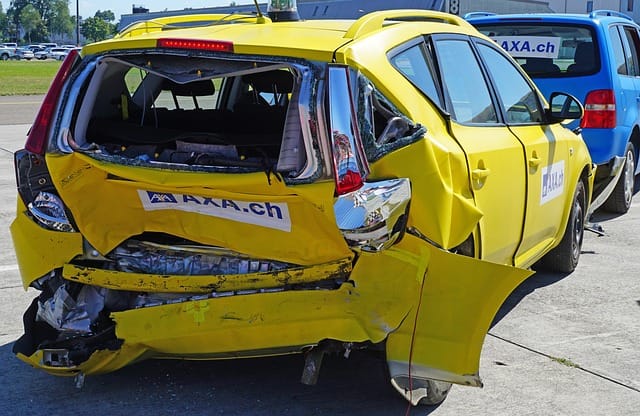
Filing a car insurance claim in the U.S. follows a tight sequence: ensure safety, call 911, and seek medical care immediately, even if injuries seem minor. Quick care establishes a trail that connects symptoms to the accident. Share details and capture photos of the scene, cars, plates, road signs, and wounds. Gathering witness names can be crucial for your full coverage auto insurance claim.
Notify your insurer of the loss within the specified timeframe, typically 24 to 72 hours, though some policies provide a longer window. Consult your declarations page to confirm your car insurance coverage details. When filing a claim, provide a straightforward, factual account and include the police report number. Keep a record of all bills, mileage to appointments, repair estimates, rental invoices, and lost wage documentation to support your claim.
Maintain a claim diary with dates of calls and summaries. Check your coverages—liability, collision, comprehensive, uninsured or underinsured motorist, medical payments, or PIP in no-fault states—to determine what kicks in. These adjusters will determine liability and damages, so knowing your policy, along with your state’s regulations and even local legal precedents, will help you establish reasonable negotiation goals.
Routine complications include fault battles, coverage exclusions, actual cash value versus loan balance gaps, and policy limits that cap payouts. In no-fault states, PIP pays medical costs up to its limit. Since rules differ by state, verify its thresholds and coordination with health insurance. Bullet how the injury is limiting life to back up pain, time off work, or rehab needs, as these factors can influence your full coverage insurance negotiations.
At-Fault Accidents
Liability insurance covers other people’s bodily injuries and property damage if you’re discovered to be liable according to state negligence guidelines. It doesn’t pay to repair your vehicle.
Uncovering claims and complications. Full coverage helps your side. Collision covers your vehicle repairs following an at-fault accident, up to your deductible. Comprehensive refers to non-collision events, such as theft or hail, and is independent of fault.
Anticipate increased rates after an at-fault loss, and certain insurers might choose to non-renew. Telematics, safe-driver courses, and longer clean periods can mitigate or cancel out surcharges. A squeaky clean record matters. Steer clear of tickets, minimize claims, and reassess limits and deductibles annually to maintain affordable rates.
Policy Exclusions
- Intentional damage or fraud
- Racing, timed events, or stunt driving
- Commercial use without an endorsement (e.g., deliveries)
- Where excluded or not endorsed, using the car for hire.
- Normal wear and tear, mechanical malfunction, or custom parts that are not listed.
- Driving by unlisted or excluded operators
- Off‑road use outside covered areas
Review your declarations page to understand your car insurance coverage, including what’s not covered and where liability coverage limits exist. Inform your insurer about changes like adding a teen driver or starting rideshare to avoid potential denials.
Overlapping Coverages
There can be a host of protections that apply simultaneously, such as collision and rental reimbursement or PIP with health insurance. If they overlap, coordinate benefits so one is primary and others are not. Duplicate payments cause chargebacks or delays.
Review all your policies—auto, credit-card rental benefits, rideshare endorsements, even umbrella liability—for stacking rules, deductibles, and sublimits. Consolidating with one insurer can streamline claims handling, align deductibles, and may unlock multi-policy discounts.
Compare total limits and service quality before moving everything, especially if you rely on specialized coverages or higher UM/UIM limits that not all carriers match.
Conclusion
Full coverage and liability do separate work. Liability covers damage you cause. Full coverage is crash plus comprehensive. That assists with theft, hit and run, fire, or a cracked windshield on the 405. In L.A., auto body work is expensive. One bad wreck can wipe cash quick. A just-right blend of limits and deductibles protects your budget and your wheels.
To choose clever, get real figures. Your car’s worth, your drive to work, your liquidity. Then layer quotes from a couple of the top carriers in CA. Request loss runs, repair shop alternatives and claim cycle time. Little things save big time and stress.
Need a reality check? Share your limits and deductibles. I’m glad to point out holes and recommend adjustments.
Frequently Asked Questions
Does “full coverage” make me liable for an accident in California?
No. Liability coverage is based on fault, not ‘full coverage auto insurance’ accident. Full coverage car insurance typically includes liability, collision, and comprehensive insurance. Your liability coverage pays all. Collision and full coverage insurance accident liability are for your vehicle. California is an at-fault state.
What does liability insurance cover after a crash in Los Angeles?
It covers the other drivers’ injuries and property damage if you’re at fault, including legal defense under liability coverage. However, it doesn’t repair your vehicle or pay your healthcare expenses, which is why many drivers opt for full coverage car insurance.
Is full coverage required in California?
In California, state law mandates minimum liability coverage and proof of financial responsibility. However, lenders often require full coverage auto insurance, which encompasses collision and comprehensive insurance, especially if you finance or lease a vehicle. Consider additional coverage options based on your budget and risk profile.
Will full coverage pay my medical bills after an accident?
Not necessarily. Collision insurance repairs your car, while comprehensive insurance covers non-crash losses. For medical bills, consider MedPay or PIP, which are not standard in California, though your health insurance might assist.
How do I decide my liability limits?
Match limits to your assets and income risk, as many Angelenos opt for full coverage auto insurance with at least 100/300/100. Higher liability coverage limits minimize out-of-pocket exposure after serious injuries or LA freeway multi-car pile-ups, ensuring comprehensive protection for your car insurance needs.
What happens if I’m hit by an uninsured driver in LA?
UM/UIM coverage, while optional, is essential in California due to the high number of uninsured motorists. This full coverage auto insurance helps pay for your injuries and sometimes property damage when the at-fault driver lacks adequate insurance coverage.
How do I handle a claim after an accident in California?
Your first priority should be to get to safety, call 911 if necessary, exchange information, take pictures, and collect witnesses. File the claim promptly, as it’s crucial for your full coverage car insurance. It is no fault of your own. Don’t admit fault; remember that California utilizes comparative negligence, so evidence is important.