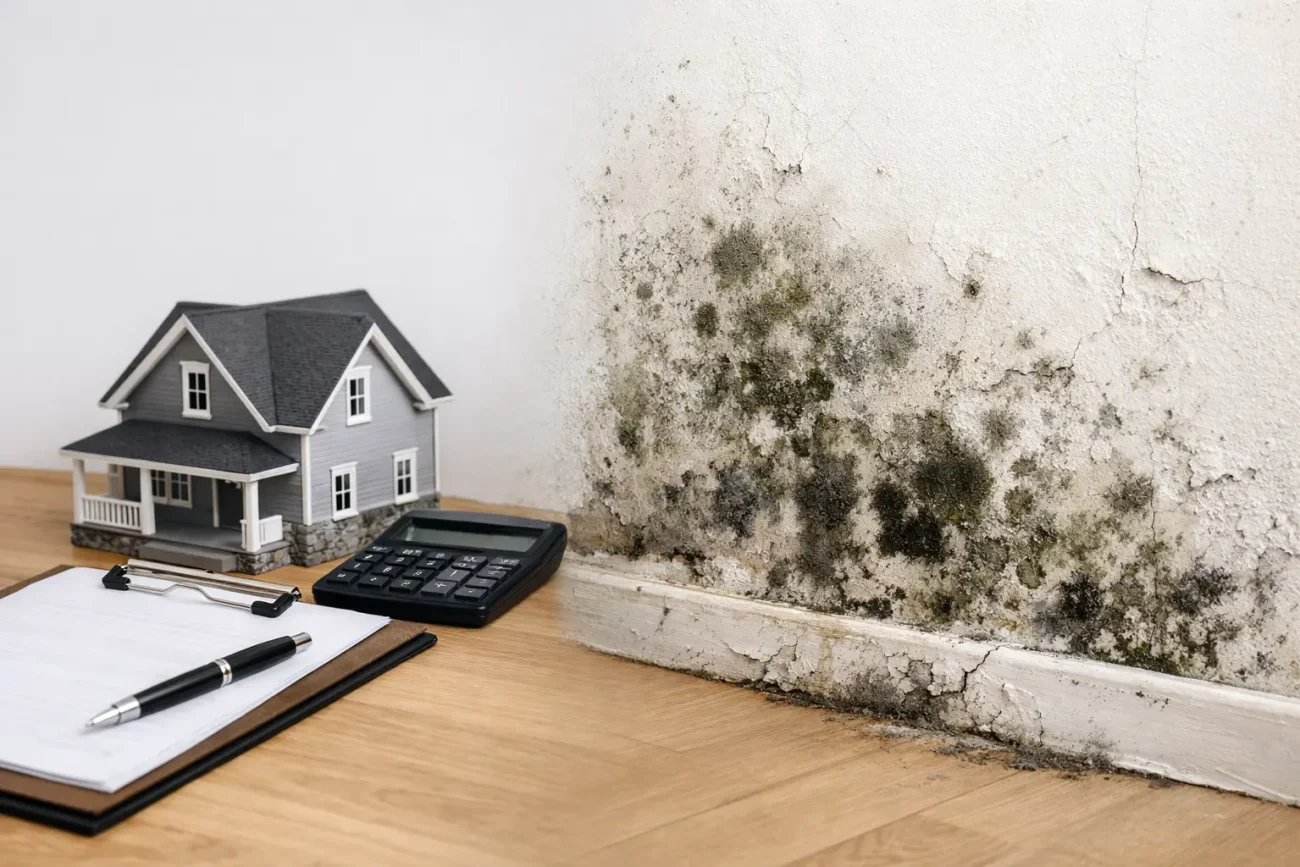
You spot a dark patch behind the bathroom vanity, peel back the trim, and realize it is not a small cleaning job. At that point, the question gets very expensive very quickly: does home insurance cover mold? The answer is sometimes, but only when the mold is tied to a covered cause of loss. If the insurer sees the problem as preventable, gradual, or caused by neglect, coverage is much less likely.
That distinction matters because mold claims often sit in the gray area between sudden damage and long-term maintenance. Homeowners insurance is built to cover unexpected events, not wear and tear. So if a burst pipe soaked a wall last week and mold followed, you may have a valid claim. If a slow leak under the sink has been dripping for months, many policies will treat that as an uncovered maintenance issue.
Does home insurance cover mold in typical policies?
In most standard homeowners policies, mold is not covered as a standalone problem. Instead, mold may be covered when it results from a peril the policy already covers. Think of mold as a consequence, not the original event.
For example, if your washing machine hose suddenly bursts and water damages the floor and drywall, your policy may pay for the resulting repairs, including mold remediation if mold develops as part of that covered loss. The same can be true after an accidental overflow, a pipe break, or water damage from putting out a house fire.
But there is a major catch. Even when the original water damage is covered, mold cleanup may be limited. Some insurers cap mold remediation at a specific dollar amount, such as $5,000 or $10,000, unless you purchased an endorsement for higher limits. That means the claim may be covered, but not fully.
When mold damage is usually covered
Coverage is most likely when mold is caused by a sudden and accidental event. Insurance companies use that phrase often, and it matters here.
A few examples where mold may be covered include a burst pipe in winter, an appliance line that fails unexpectedly, or water damage created while firefighters extinguish a covered fire. In those cases, the mold came from a clear event that was not expected and was not allowed to continue unchecked.
Coverage can also depend on how quickly you acted. If a pipe bursts and you immediately shut off the water, dry the area, and report the damage, that supports your claim. If you wait weeks before addressing visible water damage, the insurer may argue that part of the mold growth happened because the damage was not mitigated.
This is one of the most misunderstood parts of homeowners insurance. Even when the original cause is covered, you still have a duty to protect the property from further damage. That usually means stopping the source of water, documenting the loss, and arranging emergency drying or cleanup.
When mold is usually not covered
The most common denied mold claims involve ongoing moisture problems. Home insurance generally does not cover mold caused by long-term leaks, poor ventilation, humidity buildup, or deferred maintenance.
If mold forms because your bathroom exhaust fan was not working and moisture built up over time, that is typically a maintenance issue. The same goes for mold from a roof leak that was left unrepaired, old caulking around a tub, groundwater seepage into the basement, or condensation in an attic.
Flood-related mold is another common problem. Standard homeowners insurance does not cover flood damage, so mold caused by floodwater is usually excluded too unless you have flood insurance and the loss falls within that policy’s terms.
Sewer backups can be similar. If you do not carry a water backup endorsement, mold caused by a drain or sewer backup may not be covered.
In plain terms, insurers are asking two questions: what caused the moisture, and should the homeowner reasonably have prevented it? If the answer points to a long-term issue, coverage gets harder to win.
Mold exclusions and limits to watch for
Even policies that allow some mold coverage often narrow it with exclusions, sublimits, and wording that is easy to miss. This is where reading the declarations page and endorsement list becomes more useful than relying on general assumptions about homeowners insurance.
Some policies exclude fungi, wet rot, dry rot, and bacteria except when they result from a covered peril. Others provide limited mold remediation coverage but only for testing, removal, and repairs directly tied to the affected area. In practice, that can mean partial payment rather than a full restoration.
You may also see separate deductibles or lower caps for mold-related losses. If remediation costs $12,000 and your policy has a $5,000 mold limit plus a $1,500 deductible, your out-of-pocket cost could still be substantial.
If you live in a humid region or own an older home, it may be worth asking whether your insurer offers mold endorsements. These add-ons can increase available coverage, though availability and cost vary by company and state.
What to do if you find mold in your home
Start by finding and stopping the moisture source. If a pipe is leaking, turn off the water if you can. If the cause is roof damage after a storm, use reasonable temporary measures to prevent more water intrusion.
Then document everything. Take photos of the mold, the damaged area, and the source of the water if it is visible. Save receipts for emergency services, drying equipment, temporary repairs, and any professional inspection.
Next, contact your insurance company promptly and explain what happened in plain terms. Focus on the cause and timeline. Saying there is mold in the wall is not enough. The insurer will want to know whether it followed a sudden incident, when that incident happened, and what steps you took to limit further damage.
Be careful about throwing away damaged materials too soon unless your insurer tells you to do so or emergency removal is necessary. The adjuster may need to inspect the damage before the claim is resolved.
If the mold appears extensive, consider professional remediation. Small surface mold may sometimes be cleaned safely, but widespread or hidden mold often requires specialized containment and removal.
Does home insurance cover mold from a hidden leak?
This is where many claims turn on policy wording. Some policies may cover water damage from a hidden plumbing leak if the leak was concealed inside a wall, floor, or ceiling and was not reasonably detectable. In that case, the resulting mold might also be covered, at least in part.
But even here, coverage is not automatic. If the insurer determines the leak had been going on long enough that signs should have been noticed, such as staining, odor, warped flooring, or rising water bills, the claim may still be denied. Hidden does not always mean sudden.
That is why two homeowners with similar damage can get different claim outcomes. Timing, evidence, and policy language all matter.
How to lower the risk of an uncovered mold claim
The best way to protect yourself is to treat moisture as urgent, even when the damage looks minor. Fix leaks quickly, keep bathrooms and kitchens ventilated, inspect under sinks and around appliances, and address roof or siding issues before water gets inside.
It also helps to review your policy before there is a problem. Check whether mold, fungi, rot, or bacteria are specifically mentioned. Look for coverage limits and ask whether endorsements are available. If you are already shopping for homeowners insurance, this is a good question to raise before choosing a policy, not after a claim starts.
For homeowners comparing options, Covera’s approach is the right one here: focus less on broad promises and more on what the policy actually does in a real-life loss scenario.
The bottom line on mold and homeowners insurance
Mold coverage usually depends on what caused the moisture and how fast you responded. If mold follows a sudden, covered event, homeowners insurance may help pay for cleanup and repairs. If it grows because of neglect, humidity, seepage, or a long-term leak, the claim is much more likely to be denied.
If you are unsure about your own policy, this is a good time to review the exclusions, ask about mold limits, and see whether added protection makes sense for your home. A short policy check today can be much cheaper than finding out the hard way after mold spreads behind the walls.