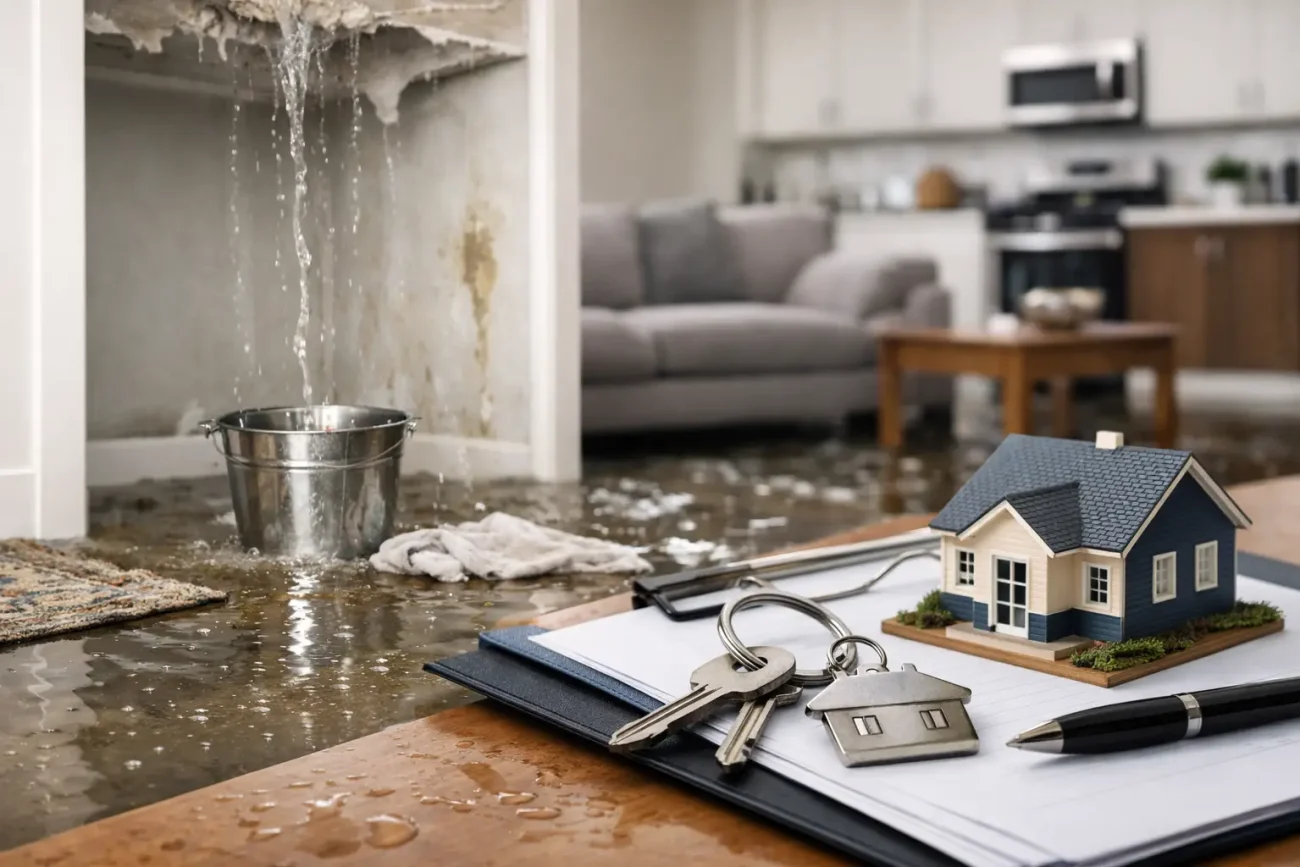
A burst pipe at 2 a.m. can turn a normal week into a costly mess fast. If you’re asking does homeowners insurance cover water damage, the short answer is yes in some cases, but not all. Coverage usually depends on where the water came from, whether the damage was sudden or gradual, and what your policy specifically excludes.
That distinction matters more than most homeowners realize. Many claims are approved when water damage is sudden and accidental, but denied when the insurer decides the problem came from neglect, wear and tear, or flooding. Knowing the difference can help you avoid bad surprises when you need your policy most.
Does homeowners insurance cover water damage from leaks and bursts?
In many cases, standard homeowners insurance does cover water damage caused by sudden and accidental events inside the home. A pipe that bursts during a freeze, an appliance hose that suddenly fails, or an overflowing washing machine may be covered if the damage was unexpected.
That usually means the policy may help pay to repair damaged walls, flooring, cabinets, and personal belongings, up to your coverage limits and minus your deductible. If the leak makes part of the home unlivable, your policy may also help with temporary living expenses under loss of use coverage.
What catches people off guard is that the policy often covers the damage caused by the water, but not always the item that failed. For example, if a washing machine hose bursts, the insurer may pay for the soaked flooring and drywall, but not for a brand-new hose or washer unless the policy includes extra protection. The same logic can apply to plumbing systems.
When water damage is usually covered
Homeowners insurance generally works best when the event is sudden, accidental, and not tied to a long-term maintenance issue. A pipe freezing and bursting during a cold snap is a classic example. So is water escaping from a plumbing, heating, air conditioning, or fire protective sprinkler system.
Roof leaks can also be covered, but only in certain situations. If a windstorm or hail event damages the roof and rain enters through the new opening, the resulting interior water damage may be covered. If the roof had been deteriorating for years and eventually let water in, that is much less likely to be paid.
An accidental overflow from a sink or tub may also be covered, especially if it is a one-time event. But if the overflow happened because of a recurring issue you did not fix, the insurer may push back.
What homeowners insurance usually does not cover
This is where many denied claims happen. Standard homeowners insurance typically does not cover flood damage. If water enters your home from rising water outside, storm surge, overflowing rivers, or surface water moving across the ground, that usually falls under flood insurance, not homeowners insurance.
Sewer and drain backups are another common gap. Many standard policies exclude water that backs up through sewers, drains, or sump pumps unless you added a backup endorsement. Without that add-on, cleanup and repair costs may come out of your pocket.
Gradual damage is also a major exclusion. If a slow leak under a sink causes mold, warped wood, or rot over time, the insurer may call it a maintenance issue rather than a covered loss. The same goes for seepage around old caulking, neglected plumbing, or long-term roof deterioration.
Homeowners insurance also does not pay for general wear and tear. If a water heater fails because it simply reached the end of its life, the resulting claim may be scrutinized closely. The water damage itself might be covered if the failure was sudden, but the worn-out unit usually is not.
The biggest factor: where the water came from
One of the simplest ways insurers evaluate these claims is by looking at the source of the water. Water that starts inside the home from a sudden plumbing or appliance problem is more likely to be covered. Water that comes from outside the home and enters at ground level usually is not.
That is why two homes with very similar damage can have very different claim outcomes. A broken pipe in the wall may be a covered event. Heavy rain entering a basement because groundwater built up outside the foundation may not be.
This is also why policy language matters. Terms like overflow, discharge, backup, seepage, and flood may sound similar, but they can trigger very different coverage decisions.
Does homeowners insurance cover water damage from rain?
Sometimes, but it depends on how the rain got in. If wind damages the roof or siding and rain enters through that storm-created opening, the interior damage may be covered. If rain seeps through an old roof, cracked foundation, or poorly maintained window, the claim may be denied.
Rain-related claims often come down to whether the home was properly maintained and whether a covered peril caused the opening. Insurers want to know if the weather created a sudden problem or if the house had a known weak spot.
Does homeowners insurance cover water damage from a slab leak?
A slab leak can be one of the more complicated situations. If a pipe under the slab suddenly breaks and causes water damage, the resulting damage may be covered. But the policy may only pay to access and repair the damaged part of the structure, not necessarily to replace the entire plumbing system.
Coverage also varies on tear-out costs. Some policies help pay to break through concrete or walls to reach the broken pipe. Others are more limited. If you own an older home or have concerns about hidden plumbing issues, this is one area worth reviewing carefully before a problem starts.
Mold and water damage claims
Mold is where small leaks become expensive fast. Many homeowners assume mold remediation is included automatically, but standard policies often limit mold coverage heavily or exclude it unless it resulted from a covered water event.
If mold develops after a sudden burst pipe and you act quickly, there is a better chance of coverage. If mold grows because of a leak that lasted for months, the insurer may deny it. Delays in drying out the property can also hurt a claim.
What to do after water damage happens
If you have water damage, your first job is to stop the source if you can do so safely. Shut off the main water supply, turn off electricity in affected areas if needed, and take steps to protect the property from further damage. Insurers expect homeowners to prevent additional loss when possible.
Next, document everything. Take clear photos and video of the source, the damaged areas, and affected belongings before cleanup begins. Save receipts for emergency repairs, hotel stays, fans, and cleanup supplies.
Then contact your insurance company promptly. Waiting too long can create problems, especially if the damage worsens or the insurer believes the condition existed for a while. Be factual and specific when describing what happened and when you first noticed it.
It also helps to review your declarations page and any endorsements while the claim is being processed. A water backup endorsement, higher personal property limits, or loss of use coverage can make a meaningful difference.
How to read your policy before a claim
Most people do not read their homeowners policy until water is already on the floor. A better approach is to check a few sections now: exclusions, water damage wording, mold limits, and endorsements for sewer backup or sump overflow.
Pay attention to whether your insurer distinguishes between sudden discharge and continuous seepage. Also look at your deductible. A smaller claim may not be worth filing if repair costs are only slightly above the deductible, especially if filing could affect your future premiums.
If you are shopping for coverage, this is a good time to compare more than price. Two policies with similar premiums can treat water claims very differently. Covera often emphasizes this point because water losses are common, expensive, and full of gray areas that only become obvious when you read the fine print.
When flood insurance makes sense
If you live in a flood-prone area, flood insurance is not optional in practical terms, even if your mortgage lender does not require it. But flood risk is broader than many people think. Homes outside high-risk zones can still flood from heavy rain, drainage issues, or changing weather patterns.
For some homeowners, adding water backup coverage and buying a separate flood policy creates a much stronger safety net. It costs more, of course, but it also closes two of the most common water-related coverage gaps.
The most useful rule of thumb is this: homeowners insurance often covers sudden and accidental water damage from inside the house, but it usually does not cover flooding, backups without an endorsement, or slow leaks tied to maintenance. If you are not sure how your policy handles those scenarios, now is the right time to ask – before the next leak turns into a claim.