Almost every default US homeowners policy covers replacing a roof if wind, hail, or fire destructs it, less your fixed deductible.
Coverage limits correspond to the damaged slab’s actual cash or replacement value, and codes in wildfire or snow-load zones may adjust that.
Claims require photos, a brief roofer estimate, and a prompt call to your agent.
The next lines detail how each tier operates and how to avoid the typical out-of-pocket jolts.
How Roof Coverage Works
Your roof is considered “dwelling” coverage in the policy. Review the form; if it reads “Coverage A,” that’s the roof. Verify the limit is sufficient to tear off and replace the old shingles in your zip code.
Next, note whether the page indicates ‘RCV’ or ‘ACV.’ RCV mails you enough to purchase a new like-kind roof. ACV mails only the value of a 20-year-old roof, which is less wear and tear. Circle the deductible line.
Wind and hail deductibles in Texas can run as high as 2 percent of the home’s insured value, so a $400,000 house means you pony up $8,000 before the check rolls in. Finally, look for any “roof surfacing loss settlement” endorsement. Some insurers tack it on after year ten and convert full RCV to a sliding scale that pays less every birthday.
Covered Perils
Fire, lightning, wind, hail, tornado, falling trees, and vandalism are on just about every standard HO-3. The magic words are “sudden and direct.” Slow leaks through aged shingles don’t count.
unless -> unless (no change) FEMA flood costs $500 to $1,000 a year on the Gulf Coast. Named-storm wind is excluded from some insurers in Louisiana and Florida or has a higher deductible.
See the “hurricane deductible” box. If you live in Colorado, check for hail exclusions post-2015. Some carriers now exclude cosmetic dings except if the shingle is breached.
Policy Type
Basic HO-3 covers most people. Extended replacement cost tacks on an additional 25 percent if lumber and labor jump after a storm. It is around $40 more per year on a $350,000 house.
Fortified roof standards—metal straps and sealed seams—receive up to 35 percent premium credit in Alabama and Mississippi, but you pay for the upgrade upfront. ACV provides you $7,000 for a 25-year-old composite roof.
RCV delivers $15,000 less deductible. Call and request an “RCV upgrade” even though the roof is fifteen years old. A few carriers permit it for a $70 annual increase. Flip to the declarations page and if line 1 says “ACV – roof surfacing” you are getting dollar depreciated.
Valuation Method
RCV pays invoice price new for shingles, felt, drip edge, and labor. ACV deducts 3 to 5 percent per year, after year five. A 20-year shingle at year fifteen has lost about 60 percent.
Request claims for the depreciation schedule or board. Almost all carriers use ‘actual age or useful life’ but round up. Snap dated pictures every spring, close-ups of ridge caps and valleys, so you can fight if they allege more wear than there is.
Save receipts for patch jobs. A $900 fix can reduce depreciation by demonstrating care.
Your Deductible
My policy has a flat dollar deductible, usually $1,000, and a separate wind or hail number that can be 1 to 5 percent of dwelling coverage. On a $300,000 house, a 2 percent wind deductible is $6,000 out of your pocket.
Florida lets hurricane deductibles be as high as 10 percent, so put that money aside in a high-yield savings account so work can begin immediately after the adjuster signs off.
Some carriers allow you to choose a larger all-peril deductible to reduce the premium, but don’t exceed what you can scrape together from emergency funds in a day.
What Damage Gets Covered?
Here’s an example: Homeowner’s insurance pays for roof damage only when a listed peril causes it suddenly. Fire, lightning, hail, wind, heavy rain, snow, sleet, ice, falling trees and vandalism are included. Normal wear, rot and old age are excluded.
Snap photos on the same day the event strikes; time stamps prove the loss was not pre-existing. Make a claim only if the roofer’s estimate exceeds your deductible; otherwise, you pay and still have a claim on your record. Keep a storm log: date, NOAA report, and a three-line note of what you saw. That sheet turns opinions into truths.
Sudden Damage
Lightning can punch a hole in a ridge and a 60-foot oak can drop like a fly swatter. Snap a phone pic as the tree’s still on the roof. It validates the point of impact and kills the ‘wear and tear’ convo before it begins.
Call a local roofer for emergency tarping. Most L.A. Crews charge $300 to $500 to nail 6-mil plastic over open decking. Require a one-page inspection report that lists ‘sudden impact’ and ‘water entry risk.’ Upload that pdf with your claim. Adjusters move faster when a pro tags the loss.
Don’t let anyone rip off shingles until the adjuster walks the site since if you do, the carrier will cut the payout for “alteration of evidence.
Storm Damage
Following a Santa Ana wind event or a July monsoon burst, dust off your binoculars and search for missing tabs, lifted ridge caps, or dime-sized dents in vents. It is really important to shoot a 10 second video of hail rattling the patio table.
Hail bigger than a quarter usually gets approved. Compare your video time stamp to NOAA’s storm map. Los Angeles County logs are free online and record wind gusts over 50 mph or hail size in inches. If three neighbors on the block already got new roofs, name their claim numbers. Carriers hate looking like they play favorites.
Partial Loss
A 22 year asphalt roof only has to have 25 percent damage to be deemed a full replacement under most HO-3 open-peril forms. Gauge each impacted slope. If the cumulative tops they designate advocate full replacement, then proceed.
City coat R908.1 says if matching shingles are missing, the roof must be even. Print that page and give it to them.
Have the contractor jot one sentence on letterhead: “Repairs will create visible color banding and lower curb appeal.” Mail that letter along with the code printout to the adjuster, and nine times out of ten that partial payment turns into full-on roof OK.
Common Coverage Exclusions
Most denied roof claims can often be traced back to a brief inventory of fine-print features in homeowners insurance policies that reveal themselves post-storm. Understanding these details can help homeowners intervene before the next adjuster says, ‘no.’
Age
After three-tab asphalt shingles hit age 15, a lot of carriers quietly change the policy from replacement cost to actual cash value. That shift means they will cover just the ‘used’ value of the roof, less depreciation that can reach 60 percent for a 20-year-old shingle.
In coastal states like Florida, the switch can strike at ten years; inland plains carriers frequently hold off until year twenty. Request a licensed roof inspection six months prior to renewal, retain the written report and fax it to underwriting.
A clean bill can purchase another RCV cycle or at least stall the depreciation clock. If the roof is close to the cutoff, consider having it replaced before the policy renews. A fresh layer resets the age clock and typically qualifies for a wind-rated discount of 5–10 percent off the premium.
Wear & Tear
Granule loss, slight curling, and hairline cracks are ‘maintenance’, not sudden damage. Carriers deny thousands of hail claims every spring by referring to photos of aged shingles snapped the previous fall.
Get a roofer to walk it over each April, pay for a one-page condition report and file it. Clean gutters bi-annually so backed up water doesn’t speed shingle rot.
That rot is called ‘gradual deterioration’ and is excluded albeit if a named storm puts the cherry on top. Fix the three missing shingles left by last winter’s windstorm within 30 days. Quick action prevents the adjuster from scribbling ‘pre-existing wear’ on the file.
Save every receipt and image in a cloud folder “roof maintenance.” Print it out on demand to demonstrate the structure was solid pre-loss.
Neglect
A brown ceiling stain that blossomed for two seasons is a neon sign reading ‘homeowner ignored leak.’ Almost every policy excludes mold, rotted decking, and any interior damage that cascades from untreated water intrusion.
CALL A ROOFER THE DAY YOU NOTICE DRIP MARKS! DRYING AND DRYWALL IS CHEAPER THAN LOSING A $12,000 CLAIM. Trim back oak limbs scratching composite shingles in Santa Ana winds.
Punctures attributed to ‘overhanging vegetation’ aren’t considered preventable neglect. Install ridge and soffit vents to keep attic air moving, as heat build-up that warps the plywood is considered preventable wear.
Save before and after photos of every repair on your phone — visual proof turns a denial letter into an approval more than any appeal paragraph.
Filing Your Roof Claim
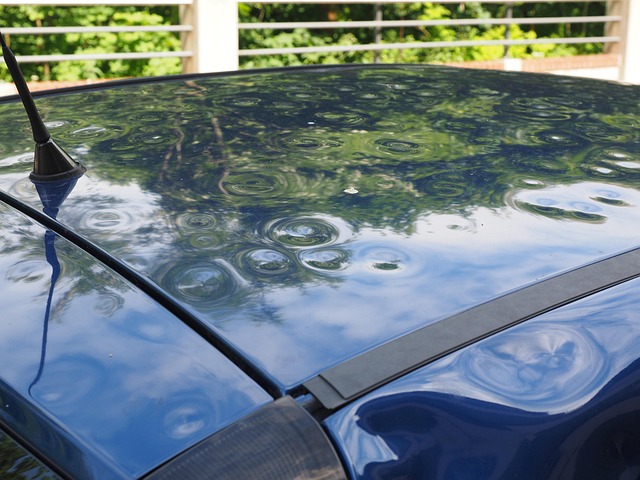
A roof claim is one of the most expensive calls you’ll make. One photo too few or a late email can reduce the payout by thousands. Most companies allow you just a year from the date of loss, and even that reduces if the roof is older than fifteen years.
Older roofs usually convert to actual cash value, so your 15 or 20 year rated shingles may only get you half of that new price. Before you call, run the math: if the fix is $1,500 and your deductible is $2,000, the file will still sit on your record for five years and raise next year’s premium. Here’s a field checklist that keeps the money in your pocket and the headaches out.
Document Everything
Begin outside as the rain is still new. Take a slow 360° video of the ridgeline, gutters, and any torn flashing, speaking the date and time as you film. Walk inside and sweep your eyes across each water spot on the drywall.
Then pry open the attic hatch and find the beams soaked black. Snap stills of the couch, the pooled carpet, and the busted ceiling fan so the adjuster sees the entire chain of loss. Tape the receipt from that $80 emergency tarp you purchased at Home Depot in Burbank and the $150 wet-vac rental; both are reimbursable.
Spread the equipment out on the dinner table and snap one flat-lay picture. It accelerates processing.
Item | Qty | Price | Note |
|---|---|---|---|
20×30 ft tarp | 2 | $40 ea | wind tear patch |
5 gal roof cement | 1 | $25 | stop-gap seal |
Wet-vac rental | 1 day | $50 | attic water removal |
Box fan | 2 | $30 ea | dry drywall cavity |
Contact Insurer
Call the 24-hour line before the plywood swells! Request your claim number at least twice and spell it back to them. One wrong digit kills tracking. Insist on the adjuster’s cell and the company’s authorized inspection schedule.
LA adjusters are scheduled two weeks in advance in El Niño years. Have them email you the “roof loss settlement” page that details recoverable depreciation. Read it that night so you know which dollars you can claw back. Make sure you can choose your own crew. Some insurers sneakily promote a small list that squeezes bids by 15%.
Meet Adjuster
Walk every slope first so you can identify the soft deck the adjuster’s boot will discover regardless. Turn over the contractor’s line-item bid and your photo sheet. The combo frequently floats the initial offer two thousand to four thousand dollars.
Ask how they prorate age: a 12-year tile roof rated at 30 years still keeps sixty percent value under most HO-3 forms. Record the chat on your phone—California law permits you if you announce it—so you can re-listen to the depreciation math later.
Hire Contractor
Choose a licensed, insured OC roofer with GAF Master Elite or Mule-Hide certification. Those badges trigger superior material warranties. Get three bids, discard the lowest, which may include corner-cutting glue cans, and the highest, which may include padding for steak dinners, and forward the middle.
Have the contract state that payment is only required if the insurance pays, so you are not responsible for $12,000 on a denied line item. Request a 10-year workmanship warranty and attach it to the closing statement so the next owner knows his roof is golden.
Your Roof’s Impact
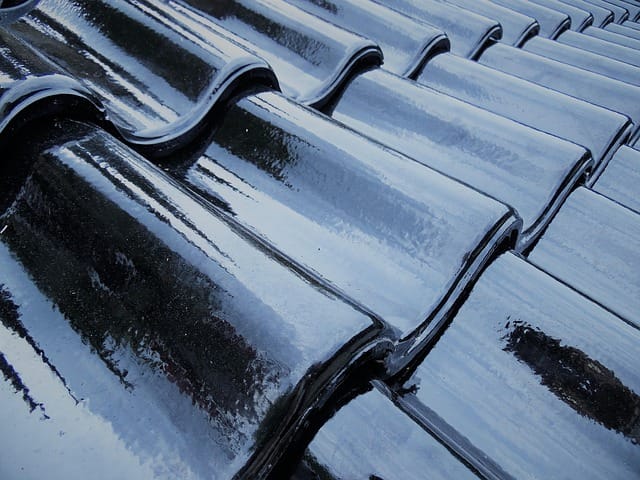
Your roof isn’t just keeping the rain out, it’s determining your insurance premium or whether a carrier will accept you at all. In many states, a new roof can knock 5 to 20 percent off the annual premium, whereas a 20-year-old roof can switch you from replacement cost to actual cash value payouts or compel a non-renewal notice.
Impact-rated shingles provide additional savings and every loose shingle you neglect further erodes resale and future insurability.
Roof Age
Carriers begin the depreciation clock the day the last nail is hammered, so mark down the install date on your home file’s cover page. After year one, most companies dock 2 to 4 percent per birthday. At year 15 to 20, the paperwork switches, impacting your homeowners insurance policy significantly.
Lots of large name insurers run a soft credit check on the roof, and if the algorithm determines “old,” you’ll only be offered actual cash value or asked to replace within 30 days. If your shingles are under 10, call the insurance agent and ask for the “roof age discount.” This can be crucial for roof damage claims during storms or other natural disasters.
It’s not always on the website, but it shaves about 8 percent off in California and up to 15 percent in Florida. Staple the original invoice to the policy binder. When hail strikes and the adjuster wonders about age, that receipt is the quickest way to hold your claim at replacement cost.
Material Type
Material | Typical Discount | Notes |
|---|---|---|
Class 4 asphalt | 10–25 % | Needs UL 2218 rating |
Metal seam | 5–15 % | Must have ring-shank screws |
Concrete tile | 0–5 % | Weight may need framing proof |
Standard 3-tab | 0 % | No savings after year 7 |
Inquire if Class 4 impact shingles reduce the price tag in hail belts such as Colorado. Most insurers discount 10% simply for the rating.
High-end slate look-alikes can run $60,000 on a 2,200 square foot house, so double-check that the policy limit still covers a full swap before you blow the extra buck. Drop the product spec PDF into your cloud drive. Adjusters enjoy seeing “FM 4473 Class 4” in black and white when they OK the hail claim.
Regular Upkeep
Walk the roof each Easter and again after Thanksgiving, snapping phone photos of every vent pipe and ridge cap. Those shots time-stamp the shape the roof was in before the next storm.
Clogged gutters back water under the drip edge and simulate roof failure, so scoop them twice a year. Ten minutes with a plastic scoop trumps a denial letter. Replace cracked caulk around the chimney flashing.
A $6 tube of poly can prevent a $12,000 leak claim from becoming a “long-term wear” denial. Staple every maintenance receipt inside the same folder. When the adjuster opens it and sees annual gutter and nail-pop fixes, “neglect” doesn’t often make it into the report.
Navigating Insurer Pushback
They’ll stall, lowball, or deny roof damage claims, hoping you’ll quit.
Lowball Offers
Counter with three signed local bids that exceed the insurer’s estimate.
- Photograph each lifted shingle and matching ridge cap.
- Get the full RCV, not just ACV, after the job’s complete.
- Send the adjuster a color printout of big-box store rates for the same shingles.
Xactimate may have $3.10 per square foot for 30 year architectural shingles in LA County, but every single roofer you call wants $4.75. Print both numbers next to each other and circle the discrepancy. Adjusters loath paper trails that resemble math homework they can’t dispute.
Once the crew nails on the last ridge cap, email before and after shots and the invoice. Require they release recoverable depreciation that week, not ‘after review.’
Unjust Denials
Carefully read the denial letter and locate the precise exclusion they cite. If it reads “wear and tear,” take out last year’s paid gutter cleaning invoice and the five-year inspection that deemed the roof “serviceable.
Mail both in one packet with a short cover note: “Neglect not found—storm damage documented.” Miss the 30-day appeal window and you’re toast, so mark it down the day the letter arrives.
Still struggling? A licensed engineer can hike up, core a shingle, and write a one-page hail bruising report. That $350 fee frequently turns a $15,000 denial into an approval.
Your Rights
Request the comprehensive adjuster report, which details the specific depreciation tables applied and if deductions were made for “cosmetic” damages. If their figure seems off, call in appraisal—each side chooses a neutral umpire and shares the expense.
Most claims settle quickly once that timer begins. Submit a complaint to the California Department of Insurance online. Carriers have to respond in 21 days, and all of a sudden they seem to answer your phone calls.
When all else fails, a one-hour consult with an insurance lawyer runs around $250 in L.A. Bring your policy, photos, and denial letter so they can spot bad-faith angles you missed.
Conclusion
Review your policy annually before leaks appear. Snap phone pics of your roof after big wind or hail. Save every roofer quote in a single folder so you can turn it over quickly if an adjuster calls. Comment your deductible on the fridge so you know if filing even makes sense. Exchange old flashing right away so the next blow does not become a total deck tear-off. Call three local roofers for price checks if your carrier low-balls you. Stay calm, ask questions, and document every conversation. Shoot us an email if you still feel stuck and we will walk you through it step by step.
Frequently Asked Questions
Does my LA homeowners policy pay for a full roof replacement?
Almost every California homeowners insurance policy covers straight roof replacement if wind, fire, or a fallen tree causes roof damage. However, age and general wear are excluded, so verify your dwelling coverage limit, which is the maximum claim payout.
Will my rates jump after I file a roof claim in California?
Most probably, yes. One wind damage or fire claim can increase premiums by 10 to 25 percent statewide. Two roof damage claims in three years can lead to many insurance companies not renewing. Consider the repair price versus your deductible first.
How old can my roof be and still get replacement cost in Los Angeles?
Big-name CA insurers drop replacement cost value after 15 to 20 years on asphalt shingle roofs. Tile or metal may be up to 25 years. Once it switches to ‘actual cash value,’ homeowners cover the depreciation.
Do I need a licensed roofer for the insurance inspection?
While not mandated by California law, homeowners insurance claims often benefit from photos and reports provided by a licensed roofing contractor, expediting the approval process and ensuring quality repairs.
What if the adjuster’s estimate is lower than my roofer’s bid?
Mail them your roofer’s line-item bid and photos of hidden decking damage related to roof damage. Request a re-inspection, as homeowners insurance policies often cover such scenarios. In Los Angeles, eight out of ten updated estimates increase by two thousand to six thousand dollars—quick bucks if you ask nicely.
Are earthquake cracks in my roof covered?
Basic homeowners insurance policies exclude quake damage throughout CA. You’ll need an earthquake policy or a policy rider from the California Earthquake Authority for financial protection.