Typical US homeowners policies categorize termite damage as maintenance, so they pay nothing toward treatment or repair.
The average annual repair bill is three thousand dollars across warmer states such as Florida, Texas, and California.
You can purchase a standalone termite bond or rely on limited endorsements with some carriers.
The following sections detail what each option covers, what it misses, and how to claim if any coverage suits your policy.
Why Your Policy Excludes Termites
Consequently, the majority of standard homeowners insurance policies cover insects in the excluded-peril section. Turn to the “wood-damaging insect” page, and you’ll find termite infestations squeezed in between carpenter ants and powder-post beetles. That one line eliminates coverage for any beam, stud, or sill plate they excavate, leading to potential termite damage.
1. Preventable Damage
With an annual inspection costing between $90 and $150 and a soil treatment costing between $4 and $6 per linear foot to halt colonies before they gnaw, missing those means the carrier labels the loss elective, like if you declined to repair a leaking roof.
One Phoenix homeowner who dodged the $125 inspection fee filed a $28,000 claim for a warped kitchen wing two years later. The adjuster opened the crawl space, found ancient mud tubes, and denied the claim for neglect. There was no rot, no storm, just hush bugs, so no check.
2. Gradual Onset
Insurance covers if a pipe bursts tonight and floods the den tomorrow. Termites work on college-sweater time: slow, steady, unseen. They construct pencil-thin tunnels up the foundation as you binge shows.
By the time a door sticks, the studs are like honeycomb. Policies demand ‘sudden and accidental’ so adjusters time the damage to the initial infestation and label it ‘prolonged’ on the rejection letter.
3. Maintenance Issue
Maintain dry wood, clear gutters, and mulch six inches below siding. That’s maintenance, not hazard. In Tampa, an insurer asked for five years of receipts: gutter invoices, leak patches, and pest contracts.
The owner provided none, and the claim was denied. Carriers regard maintenance like teeth brushing. Neglect it and the cavities are yours.
4. High Predictability
The NPMA colors most of the Southeast a deep red on its hazard map, with Louisiana boasting 12 to 20 colonies per acre. If an event is that common, insurers call it ‘foreseeable’ and take it out of the premium pool.
They sell mysterious blazes, not promised insects. Red zone buyers ought to price a termite bond costing between $400 and $700 a year instead of gambling on coverage that was never priced into the policy.
5. Widespread Risk
Subterranean termites inhabit 49 states, with Alaska being the only exception. Covering every attic in the country would add about $180 to each annual premium, according to Milliman figures, to break even.
Instead, they keep the risk off the ledger and leave owners to self-fund bait stations or annual contracts.
The Hidden Coverage Clause
Most standard homeowners forms include termites under “birds, vermin, insects,” a straightforward exclusion. A few lines down, that same form could provide limited coverage again if the insects trigger a ‘sudden collapse’ or if a covered peril initially rips open your house. That’s the secret clause.
They sit beyond the exclusion page, in fine print, and don’t appear in the fast-quote summary you view online. Print out the entire policy pdf, do a search for ‘collapse,’ ‘hidden decay’ or ‘weight of contents’ and have the agent circle any hit that references insects. The time is cheaper than replacing a beam.
Sudden Collapse
Sudden collapse occurs when a floor or wall drops since termites munched the guts out of the lumber and nobody knew. Take a panoramic shot of the sagging room, a close-up of the powdered wood, and obtain a contractor’s letter that pronounces the area ‘immediately unsafe.’
Basically, the insurer pays only if you can’t stay there that night; a wobbly banister isn’t sufficient. One owner in Athens, GA had his laundry cave in mid-rinse. The adjuster approved $18,400 since the washer’s weight and hidden bug damage resulted in a ‘collapse.’ Hold on to the washer load sheet; it turned into proof of weight.
Covered Peril
Lightning smashes the attic, fire crews axe through the ceiling and all of a sudden, everyone is staring at hollowed out studs. The fire is a covered peril, so the insurer has to patch up the new holes the axe gouged notwithstanding those termite tunnels inside those studs remain excluded.
Break the burnt timber before the sledge-men dump it. E-mail the pix that day. A Jacksonville nonprofit lost its claim when it waited three weeks. The carrier said the delay mired the distinction between old bug damage and new fire damage. Write as long as the coals are still hot.
Specific Endorsements
A couple of carriers offer a termite endorsement in states such as Alabama and Mississippi. See if yours does.
Price the endorsement premium versus a standalone termite bond.
Look at the payout cap. Most endorsements max out at $5,000 to $25,000.
Notice if the sign on the endorsement insists on a neat termite inspection initially. Bonds frequently don’t.
Note who treats the bugs. Endorsement may require the insurer’s vendor. Bonds let you pick.
Endorsements patch a leak, not flood damage.
Your Proactive Defense Plan

Most typical U.S. homeowner insurance policies leave termite damage bills on you. A three-step loop: cut damp, block entry, and schedule regular termite inspections to keep repair costs low and coverage gaps closed.
Checklist
Homeowners should consider regular termite inspections and take precautions like trimming shrubs and storing wood 20 ft away to prevent termite infestations. Caulking all slab cracks and pipe gaps, along with adding downspout tails that end 12 inches past the wall, are essential steps in termite prevention. Spending $200 to $400 every spring for a soil top-up or a renewable warranty can provide proof of care when insurance companies inquire about any potential termite damage.
Professional Inspections
For about $400 to $600, choose a state-licensed operator with $1 million or more liability. Ask for two deliverables: a mud-tube sketch that shows where tunnels climb the stem wall and a moisture log from the crawl space. Staple both to your home binder. Underwriters love them, like a clean car fax.
If you sell, it contributes about 1% more to appraised value in Gulf states where lenders dread Formosans.
Home Maintenance
- Keep gutters clear; water spill equals termite thrill.
- Slide termite sleeves over all hose bibs and cable lines.
- Run a dehumidifier in the crawl and shoot for less than 20 percent wood moisture.
- Replace garden mulch with pea gravel within 6 inches of siding.
- Shine a flashlight on the sill plate every time you put away those holiday boxes.
To prevent serious termite damage, seal hairline cracks in the foundation and around porch posts with polyurethane caulk — a $6 tube beats a $6,000 rebuild. Additionally, get four-foot vinyl downspout extensions to ensure that roof water lands past the drip line, keeping wood siding dry enough to discourage termite infestations.
Regional Awareness
Winged reproductives fly from March to May in Texas and in October in South Florida. Turn off porch lights those evenings or switch bulbs to yellow “bug” LEDs to reduce draw by fifty percent.
Local Facebook groups such as ‘Dallas Termite Tracker’ post street-level sightings. Join, mute alerts, and scan once a week so you know when to slide the patio table out from against the house.
Termites Versus Other Pests
Termites chow down exclusively on wood. Mice gnaw on wires, insulation, and even plastic pipes. That’s the one difference that determines who foots the bill. A policy that locks out “damage from insects” leaves the owner on the hook for both, yet the same clause hides a twist: chewed wiring can start a fire, and fire is a “sudden and accidental” peril that most plans do cover.
Carpenter ants and powder-post beetles sit in the denied bucket, despite ants don’t consume wood—they burrow it. The lesson is to treat every wood-destroying bug or beast the same way since the paperwork does.
Carpenter Ants
Ant frass resembles pencil shavings and contains deceased ant components. Termite pellets are hard, seed-like, and consistent. Spray borate on the nest zone and replace any wet studs. Ants adore soft pulp.
Take pictures and hang on to receipts since insurers need to see evidence that you didn’t let the rot fester for years.
Rodents
A mouse can strip a 12-foot Romex run in a single weekend. Once the copper glows, a spark can jump through dry attic dust. Fire crews blame the blaze on ‘electrical’ and the adjuster writes a check for the whole rebuild.
Seal each and every dime-size opening with steel mesh. Caulk shrinks, but mesh remains. Leave stumps and woodpiles 6 feet from the sill plate. Rats map the yard before they scurry indoors.
Wildlife
Termites versus other pests Eco-Systems answer to raccoons prying up soffit vents like opening a soda can. Squirrels chew through ridge caps and nest around the cozy chimney chase.
The hole they leave is sudden, so the repair is billed, but the live creature in the rafters is your tab. Put a $30 chimney cap on and walk the attic every quarter or one heap of tubular droppings, your rent is due.
The Financial Aftermath
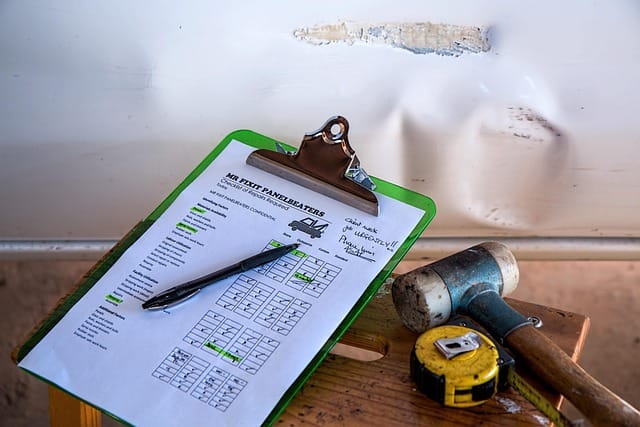
One termite colony can devour a foot of 2 by 4 in five months. In the majority of U.S. Homes, that occurs inside a wall you never open, so by the time the frass shows, the bill starts at four figures and climbs quickly. Basic HO-3 policies call this “preventable maintenance” and pay nothing.
Here’s what you’ll be punching checks for after the pest crew vacates.
Typical Job | Low ($) | High ($) |
|---|---|---|
Spot dry-rot repair, 8 ft studs | 600 | 1,100 |
Sill plate swap, 20 LF | 1,500 | 3,200 |
Joist sistering, 200 sq ft floor | 2,800 | 5,400 |
Drywall, tape, paint, 12×12 room | 900 | 1,700 |
Soil chemical or Sentricon bait | 1,200 | 2,500 |
Total out-of-pocket | 7,000 | 13,900 |
None of the above figures activate a claim check. They come directly from your bank.
Repair Costs
Tear out the baseboard and you’ll discover sill plates converted to oatmeal. A good bid list breaks each stick of lumber into its own line: plates, joists, sub-floor, then drywall. Have three local builders walk the crawl space individually and give them a flashlight and a notepad.
Request two totals: one for old damage and one for anything that appears after they open the wall. Cash – almost all crews will shave 5 to 7 percent when no insurer drags out the draw. Hold onto those receipts since the new buyer is going to want assurance that the rot is gone, not just painted over.
Termite Bonds
Consider a bond like a gym membership for your slab. You pay between $300 and $800 a year, and the firm sends an inspector who taps baseboards and logs moisture levels. If mud tubes reappear, they retreat at no additional cost.
When you put the house on the market, a transferable bond raises eyebrows; eastern NC realtors claim it can add 1% to the bid. Shore up the fine print first—some cap payout at $250,000, while others require you to pay the first $500 in damage before they write a check.
Treatment Options
Clay soil in Tidewater VA retains moisture, therefore wet barriers such as Termidor linger. Sandy lots by the Outer Banks drain quickly. Bait stations work better there.
Have the tech jot the chemical, rate, and date on the invoice. Save their health and your wallet. Walk through 30 days later. If they detect new pellets, eat up a second time, not you. Request the SDS sheet as they are at it. It is nice to know what the dog is sniffing.
The Insurer’s Risk Calculation
Carriers feed your ZIP code into a termite claim map before they give you a quote. If the block has ten payouts in five years, the rate goes up. Wood-frame houses get a bigger bump than block or steel since a colony can chew through a 2×4 sill plate in a matter of months.
A previous termite loss on your CLUE report, paid or not, red flags you for five years. Some underwriters slap an 8 to 12 percent premium increase right on the spot.
Geographic Hotspots
Gulf Coast parishes, South Florida and the coastal strip from Savannah to Jacksonville occupy the highest-risk tier. In these ZIP codes, carriers will frequently require a clean termite letter within 30 days before they will bind coverage.
If you are house-hunting, purchase a repair bond first, then shop insurance. The bond demonstrates to the underwriter that you have already repaired old tubes, so your quote returns clean, not “declined—active infestation.
Construction Type
Slab-on-grade homes in Baton Rouge get nailed at the expansion joint where concrete kisses stucco. A $12 tube of sealant today can prevent a $4,000 sill swap tomorrow.
Crawl-space houses in Mobile require stainless vent screens and a 6-mil vapor barrier. Otherwise, the humidity remains over 70% and swarmers buzz all year long.
If you’re new construction in Baldwin County, request that the framer use steel studs or at minimum pressure-treated southern pine. The premium is roughly a buck a square foot, and insurers discount $50 to $75 annually for the reduced risk.
Claim History
Even a refused termite claim lurks on your CLUE for five years. If the damage-fixing bid is under $5,000, for example, most agents discreetly suggest paying the cash and skipping the filing.
The savings on future premiums can exceed the repair bill. Buyers should pull a CLUE report in escrow. One client in Naples got two previous “termite—no payout” notes and walked after realizing the renewal would spike $600 a year.
Conclusion
Termites eat slow, but invoice quick. Review your policy, fill the holes with a rider, and schedule a professional inspection every spring. Stack up those moves and you keep the upper hand on both bugs and bucks.
Frequently Asked Questions
Does a standard California homeowners policy ever pay for termite damage?
No. Termites are a significant problem as they cause serious termite damage, so all homeowners insurance policies in the state exclude them. You’ll require a separate termite treatment bond or repair rider.
Will my lender force me to buy termite coverage in Los Angeles County?
No. Banks just need fire and hazard coverage. However, homeowners should consider termite treatment as part of their home insurance policies, since termite damage is optional but can lead to significant property damage.
Can I add termite coverage to my existing home policy?
You purchase a separate termite insurance policy from a state-licensed exterminating company to cover potential termite damage. Anticipate three hundred to six hundred dollars annually for L.A.-sized homes.
Does home insurance cover collapse if termites eat the beams?
Yes, if the collapse is sudden and hidden, and you can demonstrate that you had no prior knowledge of termite damage, a $500 engineer’s report typically finishes off the claim.
Will filing a termite-related claim raise my premium?
A claim related to termite damage would be denied outright, which could negatively impact your homeowner’s insurance renewal. Insurers may view this denial as a strike against you.