Food product recalls can hit small-batch producers hard. When every batch is handmade and resources are limited, one misstep can threaten your business and reputation. Boutique and artisanal food makers face unique risks that larger brands often sidestep, from stricter regulatory pressures to the challenge of tracing ingredients.
Food safety recall insurance gives small producers protection when the unexpected strikes. It covers the costs of recalls, helps repair consumer trust, and keeps your business afloat after a crisis. Understanding this coverage lets you make confident choices so you can focus on what you do best: creating quality foods without fear of a single setback undoing years of work.
Understanding Recall Risks for Boutique and Artisanal Food Businesses
Running a boutique or artisanal food business means pouring your heart, time, and reputation into every product. But even the most careful producers can face food recalls. These setbacks are especially tough for small brands where the margin for error is thin. By understanding the most common sources of recalls, you can make better choices to protect your products, your reputation, and your livelihood.
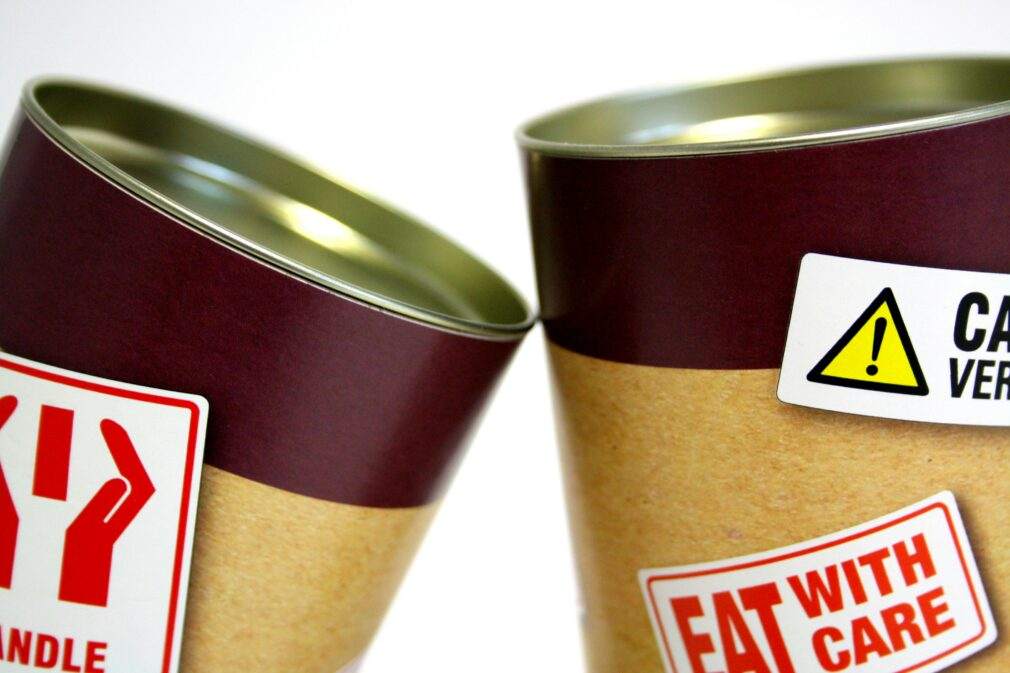 Photo by Mat Brown
Major Recall Triggers for Small-Scale Producers
Many recalls start with small mistakes that quickly snowball. Here are some of the most common causes:
- Labeling Errors: Incorrect ingredient lists, missing allergens, or undeclared additives are leading sources of recalls. For example, if a jar of jam contains traces of nuts but the label doesn’t mention it, it puts customers with allergies at serious risk.
- Ingredient Contamination: Bad things happen when harmful bacteria, like Listeria or Salmonella, sneak into your products. Sometimes the source is raw ingredients or even the processing environment itself.
- Supply Chain Issues: Boutique producers often rely on local or specialty suppliers. If a supplier sends a tainted batch of ingredients, your product—and your brand—bear the brunt of the consequences.
- Improper Storage or Handling: Even a small slip-up during storage or distribution can lead to spoilage or cross-contamination, setting off a recall.
For more on typical triggers for food recalls, the FDA provides clear information on what sparks a recall.
Real-World Impact on Niche Food Brands
Recalls hit small producers much harder than large companies. One mistake can feel like an earthquake for a business built on trust and unique products. Real-world consequences include:
- Financial Losses: The average direct cost of a recall for any food company can run into millions. For small brands, these costs—often including disposal, sanitization, and replacing stock—can threaten the entire operation. As outlined by Food Safety Magazine, indirect loss from damaged reputation or lost customers can be even greater.
- Brand Reputation: Consumers often return to large brands after a recall, but boutique brands may see lasting damage after a single incident. Hard-won consumer trust can disappear overnight.
- Regulatory and Legal Scrutiny: Injuries, illnesses, or unresolved labeling mistakes can bring stricter oversight, hefty fines, or litigation from consumers and regulators.
- Operational Disruptions: Recalls force small teams to quickly pause production, trace ingredients, contact distributors, and manage customer concerns—all while navigating the emotional toll.
As recent reports show, recall incidents are on the rise, stretching the crisis response resources of many small businesses. To learn more about managing food safety risks, see our guide to business insurance basics.
Being prepared for these recall risks isn’t just smart business, it’s the only way to protect what you’ve built—batch by batch.
Key Features of Food Safety Recall Insurance Policies
Food safety recall insurance can rescue boutique and artisanal producers from the crushing aftermath of a contaminated or mislabeled batch. These policies are designed to help your business recover quickly, protect your finances, and restore customer trust when product issues threaten your operations. Here’s a clear breakdown of the core features included and what makes recall insurance different from standard business coverage.
Recall Cost Reimbursement
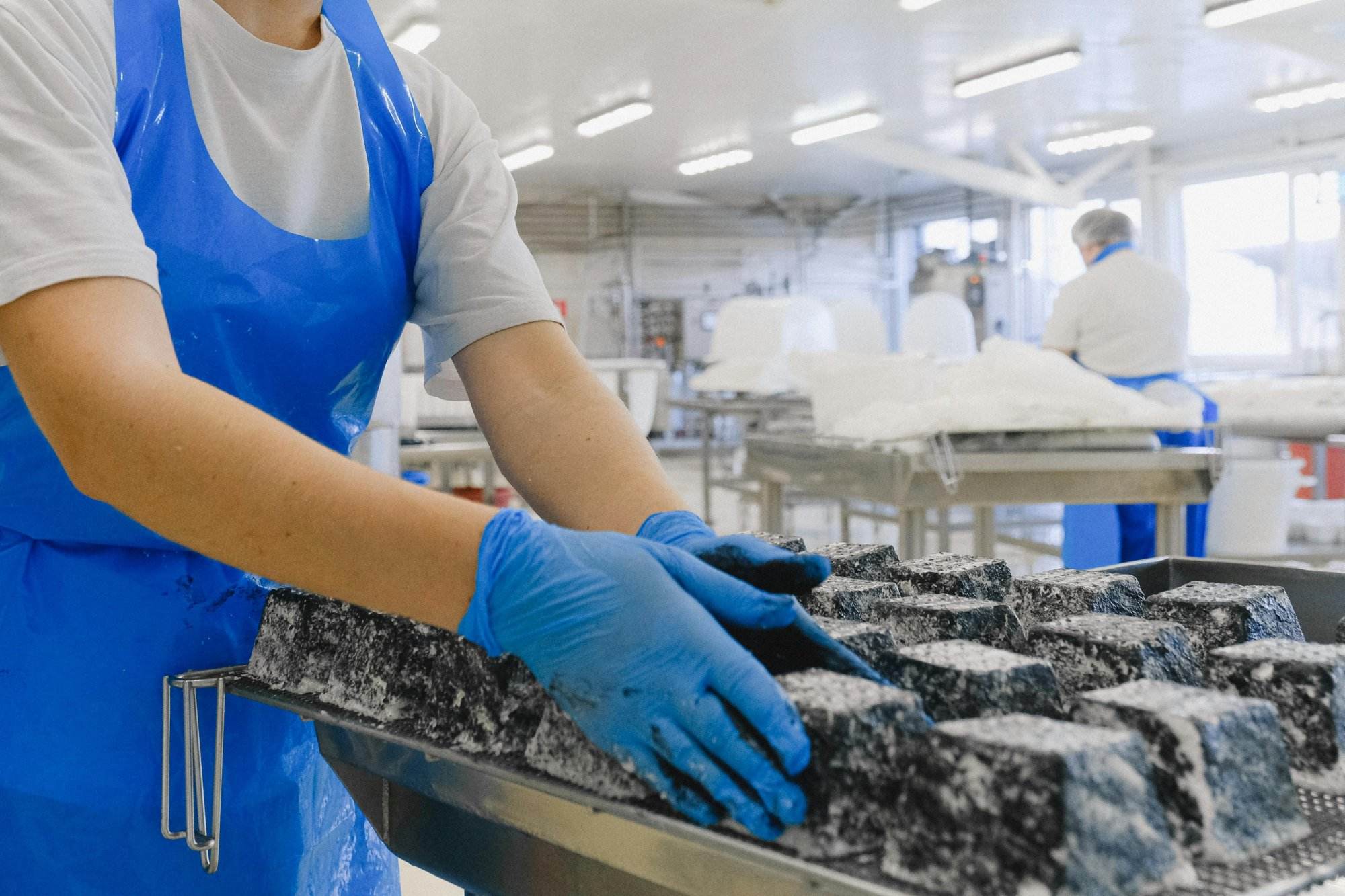 Photo by Anna Shvets
When a recall happens, direct costs can add up fast. Food safety recall insurance steps in to handle these expenses, sparing small producers from dipping into emergency funds. Here’s what’s typically covered:
- Product Retrieval: The process of contacting customers and distributors, organizing product returns, and physically gathering affected items.
- Shipping Costs: All the costs to get tainted goods back from stores or customers, including expedited shipping or courier fees.
- Disposal and Destruction: Professional and compliant disposal or destruction of unsafe products—essential to meet local and national safety regulations.
This targeted reimbursement takes care of the most pressing financial pressures you face during a recall. Policies often provide guidance to make sure disposal methods keep you compliant and worry-free. For a closer look at typical coverage, check out this guide on product recall insurance coverage.
Crisis Management and Brand Protection
Your reputation is everything. Food safety recall insurance doesn’t just deal with direct costs—it helps you protect your brand’s future too. The policy can include:
- Public Relations Support: Access to crisis communication experts, PR firms, and reputation management advisors. Their job is to control the narrative, communicate openly with your customers, and limit the fallout.
- Customer Outreach: Guidance and support for customer notifications, Q&A hotlines, or setting up a website landing page to answer questions.
- Professional Advice: Many insurers offer 24/7 support lines and crisis counselors to help you manage the stress and confusion a recall creates.
This level of support gives boutique food makers a lifeline when bad news risks years of hard work and positive word-of-mouth. If you want to compare this with other types of business protection, Shielded Future explains the broader value of restaurant business protection and the layers of support it can offer.
Income Loss and Stock Replacement Coverage
A food recall isn’t just about cleaning up—it’s about surviving weeks or months of lost business. Food safety recall insurance can help by offering:
- Loss of Income Coverage: Compensation for revenue lost while you halt production, pull goods, or wait for regulatory “all clear.” This can be the difference between making payroll and facing layoffs.
- Stock Replacement: Reimbursement for the cost of replacing recalled inventory with safe, compliant goods. Some policies limit this to finished products, while others may include affected raw materials.
- Business Interruption Support: Help covering fixed costs, like rent and utilities, so the lights stay on even if sales pause.
These protections focus on giving you a runway to recover instead of being forced to close your doors. For insight on the difference between recall insurance and more general business insurance, see this useful summary on product recall insurance coverage.
Food safety recall insurance targets real threats faced by boutique and artisanal makers. Unlike broader business or liability insurance, recall-specific coverage responds to the unique financial and reputational shocks brought by unsafe goods—helping you protect your craft and your future.
How to Choose Food Safety Recall Insurance for Your Small Food Business
Selecting the right food safety recall insurance can make the difference between a quick recovery and a devastating loss for boutique and artisanal producers. The right policy matches your specific business needs—protecting against recall costs, regulatory headaches, and brand damage. With recalls becoming more common, taking a methodical approach is the best way to avoid gaps and surprises.
What to Ask Insurers Before Buying
Talking with insurance providers helps you clarify exactly what is covered. Consider these essential questions to ask before committing:
- What are the policy limits and deductibles? Make sure the coverage matches your potential recall costs, including retrieval, disposal, and lost sales.
- Which types of recalls are covered? Not every policy covers both voluntary and mandatory recalls.
- How is “triggering event” defined? Understand events that start coverage—like failed tests, illnesses, or government warnings.
- Are there exclusions for specific ingredients, products, or suppliers? Watch for restrictions that might leave your key items or processes unprotected.
- What supply chain coverage exists? Check if issues with your suppliers’ ingredients or packaging are also covered, not just your end product.
- Does the policy offer crisis management support? Ask about PR guidance, legal support, and customer outreach.
- Is stock replacement covered for both finished and in-process goods? Many policies only cover finished goods; clarify if your batch process requires broader support.
For more guidance and examples of what you should ask, visit this overview on questions to discuss with insurers regarding recall insurance.
Evaluating Policy Limits, Triggers, and Exclusions
Take time to review the fine print of any recall insurance policy. Here’s a smart checklist to keep you on track:
- Compare policy limits with your production scale and potential recall expenses.
- Identify coverage triggers such as government mandates, product contamination, or labeling errors.
- Look for hidden exclusions, especially if you source unique ingredients or operate across multiple states.
- Read how the policy treats batch recalls—some only pay for proven contaminated units, not entire suspected batches.
Some policies let you customize these limits or add endorsements for extra risks. If your production is seasonal or fluctuates, ask about flexible options that match your real exposure. For a deeper breakdown of recall insurance features, refer to this complete guide to product recall policies.
Tailoring Coverage for Batch Size, Supply Chain, and Direct-to-Consumer Models
Boutique makers, especially those selling online or at local markets, face risks that generic policies can miss. Look for insurance tailored to:
- Small or irregular batch sizes: Coverage that scales with your unique production runs, not just annual volume.
- Short supply chains: Policies that cover losses from up- or downstream suppliers, including local farmers or specialty ingredient sources.
- Direct-to-consumer models: Support for rapid customer notifications, online returns, and issuing refunds through ecommerce platforms.
A tailored recall plan reflects how, where, and to whom you sell. Providers such as Chubb offer recall policies designed for small business owners.
Working with Specialized Insurance Brokers
General insurance brokers may not understand the quirks of the food business. Specialized brokers or agents know which carriers work best with small-batch brands and can flag gaps in standard policies.
Here’s why working with a specialty broker pays off:
- They keep up with changing food safety rules.
- They understand batch processes, fast scaling, and unique selling channels.
- They help you adjust policies as your business grows.
For expert support tailored to food and beverage ventures, the team at Specialty Food & Beverage provides in-depth advice and access to custom policies.
 Photo by wattana k
If you want to compare this specialized coverage with broader business insurance plans, review Shielded Future’s article on business insurance basics. Being proactive about coverage details reduces stress when a recall hits, giving you confidence in any emergency.
Compliance, Prevention, and Reducing Recall Risk
Keeping your business in business means more than having the right recall insurance. To protect what you build, combine insurance with strong compliance, food safety prevention, and regular risk review. By layering these protections, boutique and artisanal food makers can keep customers safe—and keep recalls from threatening the future.
Staying Aligned with Food Safety Regulations
Regulatory rules aren’t only paperwork—they’re the blueprint for running a safe and trusted food business, no matter your size. Agencies like the FDA and USDA set standards that help prevent recalls before they can start.
- The Food Safety Modernization Act (FSMA) focuses on stopping foodborne hazards instead of only reacting to them. Even small-batch producers benefit from understanding and applying FSMA basics. For a comprehensive look at these rules, the FDA offers a detailed FSMA resource page.
- Labeling and allergen disclosures matter just as much for niche brands as for national chains. One mistaken label can cause a recall and hurt your reputation. Access compliance guidance from the Food Safety and Inspection Service for tips on staying current with labeling best practices.
Food safety recall insurance won’t work as a shield if you’re found to be skipping key compliance steps. Many insurers even require proof of basic safety practices and regular compliance checks before they write a policy.
Prevention: Best Practices in Hazard Analysis, Supplier Controls, and Training
Prevention is your frontline. The most effective way to lower recall risk is to build safety into every step of your process.
- Hazard Analysis and Critical Control Points (HACCP): This approach means looking at your business, spotting hazards, and finding “control points” where things could go wrong. By controlling these points, you stop problems before they hit the shelf. Brush up on the core HACCP principles and application guidelines to start or improve your system.
- Supplier Controls: What comes into your kitchen goes out in your finished goods. Working with trusted suppliers and documenting every batch can stop contamination at the source. Ask suppliers about their certifications, track every delivery, and use tools in the supplier controls food safety resource packet for step-by-step guidance.
- Employee Training: Everyone who touches your product needs ongoing, simple, clear food safety training. Hold frequent refreshers and document who attended. Make sure new hires—and seasonal workers—get hands-on instruction before they start.
Running your food business like each batch is a final exam keeps everyone alert. Prevention can save you money, worry, and even your brand.
 Photo by Laura James
For extra tips on supplier controls and facility hygiene, check out practical advice in this rundown of best practices for ensuring food safety compliance.
Regular Policy and Risk Reviews
Food safety isn’t a “set it and forget it” task. Review your recall insurance, HACCP plans, and training logs every year—or any time you change your suppliers, recipes, or facility setup.
- Edit your HACCP and supplier checks whenever you update production or add a new product.
- Keep insurance details up to date with your batch size and sales channels.
- Hold regular “recall drills” so your team knows what to do.
A regular review keeps you one step ahead of both regulators and potential hazards. Consult a trusted advisor if you’re expanding or scaling up quickly. If you want a local perspective or more ideas for annual checkups, Shielded Future’s article on business insurance in Buffalo NY gives small business owners actionable tips on assessing risk and coverage.
Prevention, compliance, and proactive reviews work hand-in-hand with recall insurance. When you treat food safety as a living part of your business, you reduce recall risk at every turn—and set your business up for long-term success.
Conclusion
Food safety recall insurance stands out as a practical shield for boutique and artisanal food makers. When combined with strong prevention and compliance efforts, this coverage gives small producers the best chance to bounce back from unexpected issues without losing their hard-earned reputation.
Taking action now to protect your business means less worry about setbacks and more energy for quality and growth. As specialty insurance evolves, resources like Shielded Future offer ongoing updates, practical advice, and clear guidance to help you choose the right specialty insurance for niche businesses.
Explore additional types of specialty insurance and tailor protection that fits your operation’s unique needs. Thank you for reading—your commitment to food safety and business security keeps local flavors and creativity thriving. Share your experience or questions below to connect with others building safer, stronger food businesses.