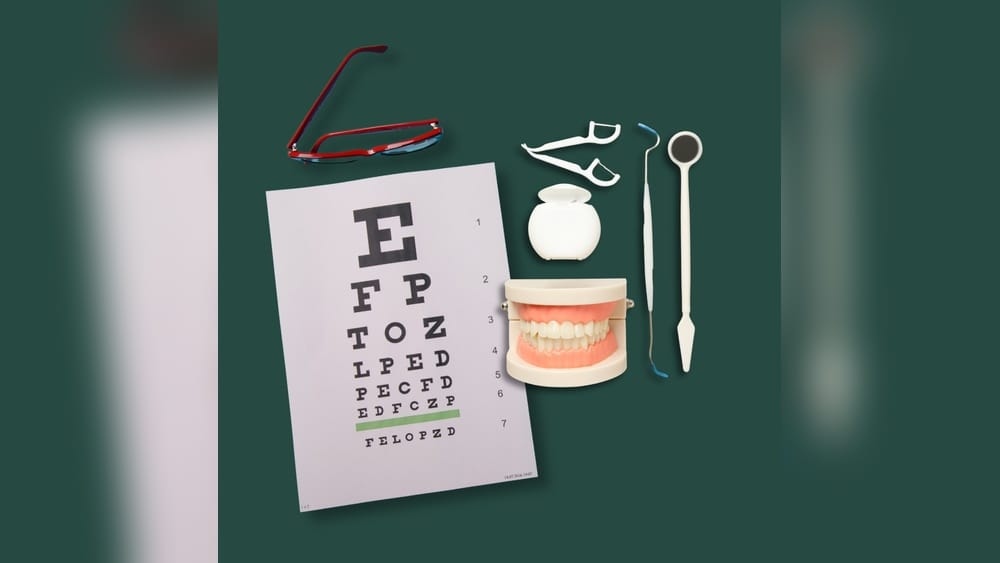
Getting insurance again after a long break can feel overwhelming, especially when it comes to health, vision, and dental coverage. You might be wondering where to start, what options are available, and how soon you can actually use your benefits.
Don’t worry—this guide will walk you through everything you need to know to make smart choices and get the coverage you need without unnecessary delays. Whether you’re looking to protect your smile, keep your eyes healthy, or cover medical expenses, understanding how insurance works the first time in a while is key.
Keep reading to discover simple steps you can take right now to secure the best plans and start using your benefits sooner than you think.
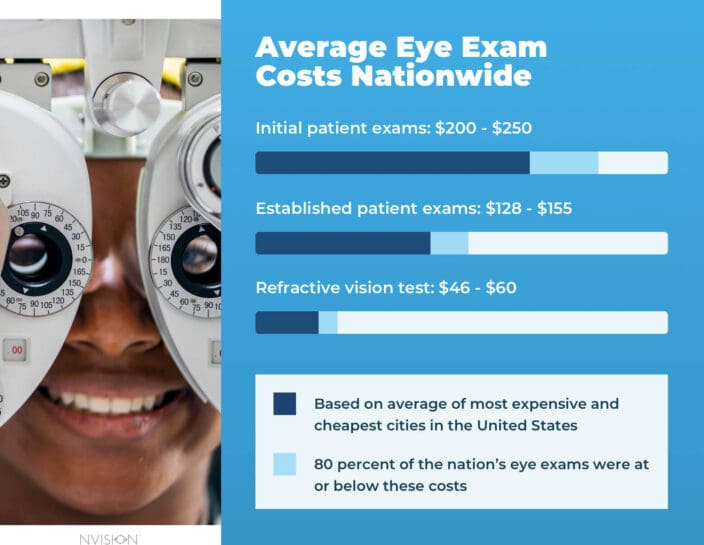
Credit: www.nvisioncenters.com
Starting Health Insurance After A Gap
Starting health insurance after a gap can feel confusing. Many people worry about missing deadlines or not understanding their options. Taking the first step is simple with the right information. Knowing how to check eligibility, compare plans, and understand costs helps you make smart choices. This guide breaks down the key points to get you started with health insurance again.
Checking Eligibility And Enrollment Periods
First, find out if you qualify for a health plan. Some plans need you to enroll during set times called enrollment periods. These can be yearly or triggered by life events like moving or marriage. Outside these periods, options may be limited. Check government sites or your employer’s benefits page to see when you can sign up.
Comparing Plan Types And Coverage
Health insurance plans come in many types. Some focus on low monthly costs but have higher fees when you get care. Others have higher monthly costs but lower fees later. Look at what each plan covers, such as doctor visits, hospital stays, or prescriptions. Choose a plan that fits your health needs and budget.
Understanding Premiums And Deductibles
Premiums are what you pay every month for insurance. Deductibles are the amount you pay before insurance helps. Plans with lower premiums often have higher deductibles, and vice versa. Know how much you can afford monthly and how much you could pay if you get sick. This helps avoid surprise bills.
Getting Dental Insurance Quickly
Getting dental insurance quickly can ease the stress of sudden dental needs. Many plans offer immediate benefits, especially for preventive care. Understanding your options helps you start using coverage without delay.
Immediate Coverage For Preventive Care
Most dental insurance plans cover preventive services right away. This includes cleanings, exams, and X-rays. These services help keep teeth healthy and catch problems early. Immediate coverage means no waiting before you visit the dentist for these checks.
Plans Without Waiting Periods
Some dental insurance plans offer full coverage with no waiting periods. These plans cover more than just preventive care. They include fillings, extractions, and sometimes even crowns from day one. Examples include Delta Dental Clear Plan and UnitedHealthcare. Choosing such plans means faster access to important treatments.
Dental Savings Plans As Alternatives
Dental savings plans are not insurance but offer discounts on dental care. They work immediately with no waiting time. Members pay a yearly fee and get lower prices on services. These plans help reduce costs for cleanings, fillings, and other treatments. They are good alternatives if insurance waiting periods are a concern.
Vision Insurance Basics
Vision insurance helps cover eye care costs. It makes eye exams and glasses more affordable. Understanding the basics helps you choose the right plan. Here are key points about vision insurance.
Knowing what is covered and how to use your benefits saves money and stress. Plans differ, so learning the options is important. This guide explains common coverage, when to use benefits, and plan types.
Common Coverage Options
Most vision plans cover eye exams, lenses, and frames. Eye exams check vision and detect eye problems early. Lenses include standard glasses and contact lenses. Frames help you get stylish or basic glasses.
Some plans offer discounts on extras like lens coatings or designer frames. Coverage may vary, so read your policy carefully. Many plans also cover medical eye care in some cases.
When To Use Vision Benefits
Use your vision benefits at least once a year for an eye exam. Exams help find vision changes or eye diseases early. Replace glasses or contacts when your prescription changes. Benefits often include allowances for new frames or lenses every year or two.
Take advantage of discounts on eye care products. Regular use of benefits keeps your eyes healthy and vision clear. Don’t wait until you have problems to use your plan.
Choosing Between Standalone And Bundled Plans
Standalone vision plans cover only eye care services. Bundled plans combine vision with health or dental insurance. Standalone plans often offer more vision-specific benefits. Bundled plans may be more convenient and sometimes cheaper overall.
Compare costs and coverage carefully. Think about how often you need eye care. Choose the plan that fits your health needs and budget best.
Navigating Waiting Periods
Navigating waiting periods is a key step when getting insurance after a long break. These periods can delay your access to some health, vision, and dental services. Knowing what to expect helps you plan your care and avoid surprises. Understanding waiting periods also guides you in choosing the right insurance plan for your needs.
Services Usually Affected
Waiting periods often apply to major dental work like crowns and bridges. Some vision services, such as new glasses or contacts, may also have delays. Health insurance might delay coverage for certain treatments or surgeries. Preventive care like cleanings and check-ups usually starts right away. Knowing which services are delayed helps set realistic expectations.
How To Find Plans With No Waiting
Search for dental or vision plans that offer immediate coverage. Some insurers provide plans with no waiting periods for basic services. Look for keywords like “no waiting period” or “immediate coverage” in plan details. Ask insurance agents directly about plans that cover urgent needs fast. This saves time and lets you use benefits sooner.
Tips For Managing Care During Waiting
Use preventive care services allowed during waiting periods. Keep up with regular check-ups and cleanings to stay healthy. For urgent needs, check if dental savings plans can help reduce costs. Plan non-urgent treatments for after the waiting period ends. Communicate clearly with your healthcare providers about your coverage limits.
Using Your Insurance Effectively
Using your new health, vision, and dental insurance wisely saves money and stress. Learning how to navigate your plan helps you get the best care. Start by understanding your benefits clearly. Then, keep good communication with your healthcare providers. Plan your visits early to catch any health issues before they grow. These steps make your insurance work for you.
Reading Your Summary Of Benefits
Your Summary of Benefits shows what your insurance covers. It lists covered services, costs, and any limits. Read it carefully to know which treatments need pre-approval. Check for waiting periods on major procedures. Understand your copayments, deductibles, and out-of-pocket maximums. This knowledge helps avoid surprise bills. Keep a copy handy for quick reference.
Communicating With Providers
Talk openly with your doctors and dentists about your insurance. Confirm they accept your plan before scheduling visits. Ask about covered services and any costs you must pay. Share your insurance details during appointments. This prevents denied claims and extra charges. If you don’t understand a bill, contact your provider or insurer. Clear communication saves time and money.
Scheduling Preventive Visits Early
Book your annual check-ups and cleanings as soon as you get coverage. Preventive care is often covered fully with no extra cost. Early visits catch problems before they become serious. For vision, schedule eye exams to update your prescription. For dental, get cleanings and X-rays done regularly. Staying ahead with preventive care keeps you healthier and lowers future expenses.
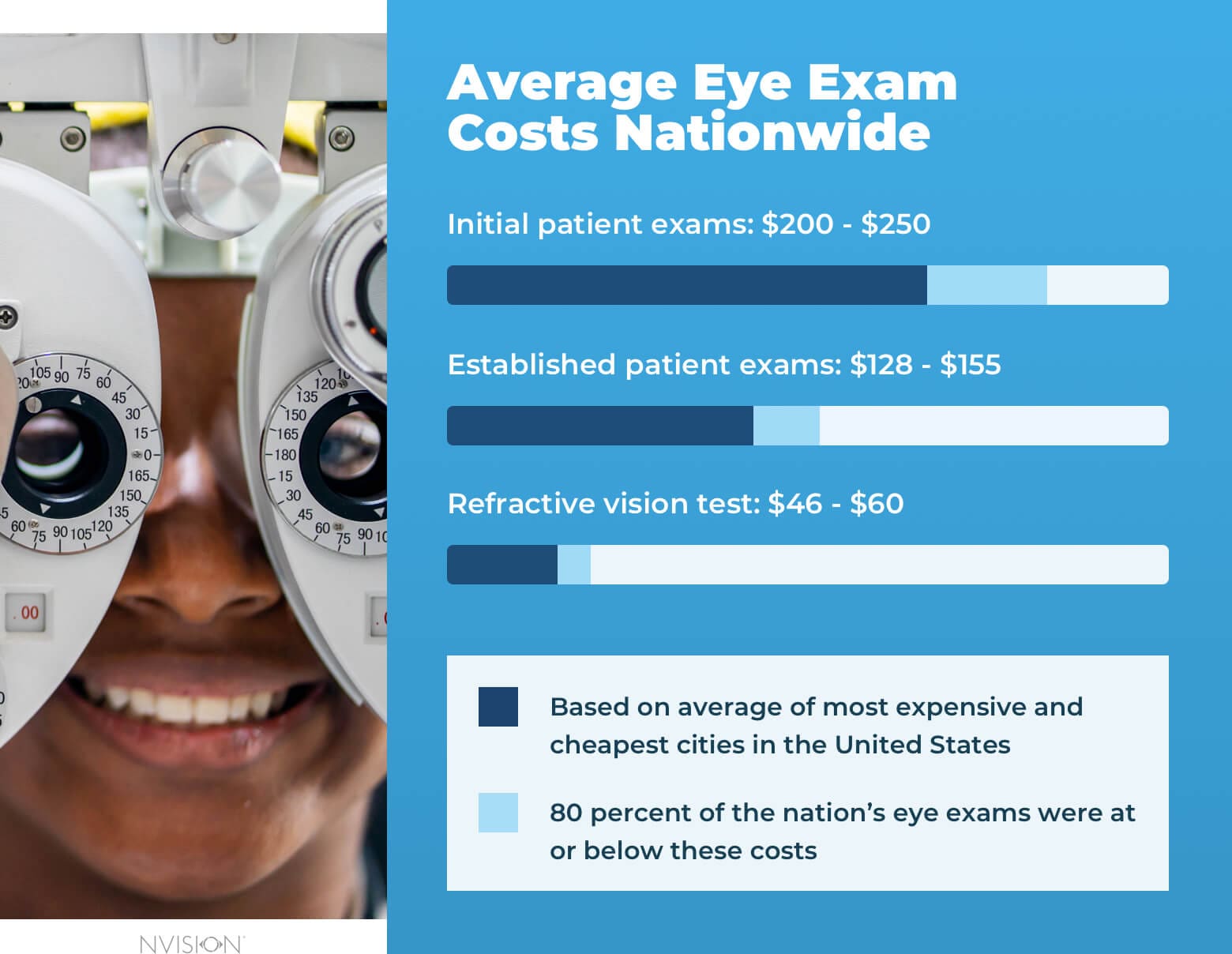
Credit: www.nvisioncenters.com
Financial Aspects To Consider
When getting health, vision, and dental insurance after a long break, financial factors are key. Understanding how your money is used can help you pick the right plan. This section covers important financial aspects to consider for first-timers or those returning to insurance.
Medical Loss Ratio And Its Impact
The Medical Loss Ratio (MLR) shows how much of your premium pays for care. Insurers must spend a set percentage on patient care and improvements. If they spend less, they owe you a rebate. A higher MLR means more of your money goes to health services, not profits. Check the MLR to see if your plan offers good value for its cost.
Understanding Rebates And Premium Use
Rebates happen if insurers spend less than required on medical care. This money returns to policyholders or reduces premiums. Not all plans offer rebates, so ask about this before buying. Knowing how premiums are used helps you avoid paying too much for overhead or marketing. Look for plans that focus on patient care and offer clear rebate policies.
Balancing Costs With Coverage Needs
Cost matters, but coverage is just as important. Cheaper plans may have higher deductibles or fewer covered services. Think about your health needs, including vision and dental care. Find a plan with a balance between affordable premiums and useful coverage. Avoid plans that save money by limiting essential benefits.
Local Resources In Austin, Texas
Finding health, vision, and dental insurance in Austin, Texas, can feel overwhelming. Local resources help simplify the process. They connect you with programs, brokers, and care providers nearby. Austin offers many options for first-time or returning insurance buyers. These resources support your health needs and budget.
State And Community Programs
Austin benefits from Texas state programs that provide affordable health coverage. Medicaid and CHIP offer options for children and low-income families. The Texas Health Insurance Marketplace helps residents compare plans. Community centers often host enrollment events and provide assistance.
Local nonprofits also guide you through insurance applications. They explain eligibility and coverage details in simple terms. These programs reduce confusion and help you find the best fit. Many programs include vision and dental benefits as well.
Finding Local Insurance Brokers
Insurance brokers in Austin specialize in health, vision, and dental plans. They answer questions and help you select the right coverage. Brokers understand local options and can explain plan benefits clearly. They often work at no extra cost to you.
Visiting a local broker can save time and stress. They help with paperwork and compare multiple insurance companies. Brokers also keep you informed about plan changes or new benefits. Choose brokers who are licensed and have good reviews.
Accessing Care Providers Near You
Austin has many health clinics, eye doctors, and dental offices accepting insurance. Use provider directories to find nearby professionals in your plan’s network. Choosing in-network providers lowers your out-of-pocket costs. Some clinics offer sliding scale fees for uninsured or low-income patients.
Community health centers provide comprehensive care, including vision and dental services. They often have flexible hours and multilingual staff. Scheduling regular visits keeps your health on track once insured. Local providers help you maximize your benefits and maintain good health.
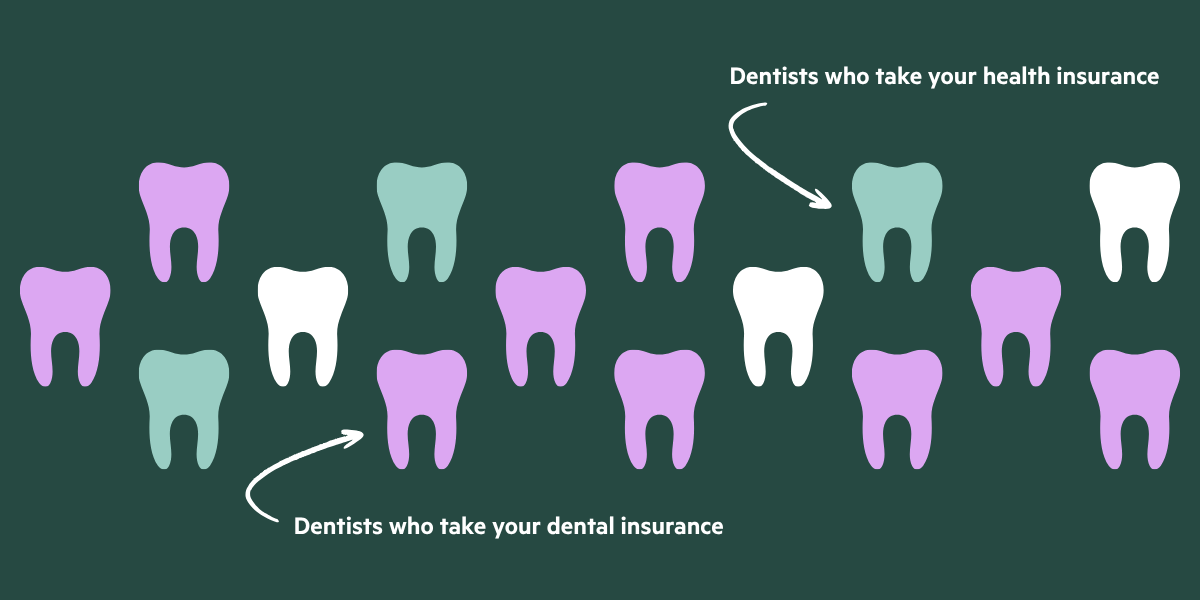
Credit: www.stretchdollar.com
Frequently Asked Questions
Can I Get Dental Insurance And Use It Immediately?
Yes, many dental insurance plans cover preventive care like cleanings and exams immediately. Some plans offer full coverage with no waiting period. Waiting periods often apply to major treatments. Check your plan details or ask providers about no-waiting-period options for faster coverage.
What Is The 80/20 Rule In Insurance?
The 80/20 rule in insurance means the insurer pays 80% of covered costs, and the insured pays 20%. This encourages cost-sharing.
How Much Does Health, Dental, And Vision Insurance Cost Per Month?
Health insurance costs range from $300 to $600 monthly. Dental plans typically cost $20 to $50 per month. Vision insurance averages $15 to $30 monthly. Exact prices depend on coverage, location, and provider. Check plan details for precise monthly premiums.
How Do I Enroll In Health Insurance For The First Time?
To enroll in health insurance for the first time, visit the official marketplace website. Create an account, fill out your personal details, compare plans, and select one. Submit your application and pay the first premium to activate coverage. Seek assistance from a navigator if needed.
Conclusion
Getting insurance after a long break can feel confusing but manageable. Start by reviewing plan details carefully, especially waiting periods. Choose plans that cover basic care immediately if you need quick access. Ask questions to your provider to find the best fit for your health, vision, and dental needs.
Taking small, clear steps helps you protect yourself and your family. Stay informed and take action with confidence.