Owning a classic or antique car is about more than just having a vehicle—it’s about preserving history, style, and personal passion. These cars hold significant financial and emotional value that standard auto insurance often can’t fully protect. Most basic policies overlook the fact that rare vehicles require different coverage, leaving enthusiasts exposed to gaps if an accident or theft occurs.
Specialty insurance bridges this gap, offering solutions designed to protect classic cars from risks that standard plans simply don’t address. Understanding how this protection works will help collectors safeguard their investment and enjoy their prized possessions with peace of mind. For a deeper look at why traditional insurance rarely fits unique situations, explore this guide to specialty insurance in 2025.
What Makes Classic and Antique Cars Different?
Classic and antique cars hold value far beyond their age. Their beauty, history, and unique stories give them a place in many collectors’ hearts. But what exactly separates a classic car from an antique, and why do these details matter for specialty insurance? Let’s explore the defining traits and why collectors should treat these vehicles differently when protecting their investments.
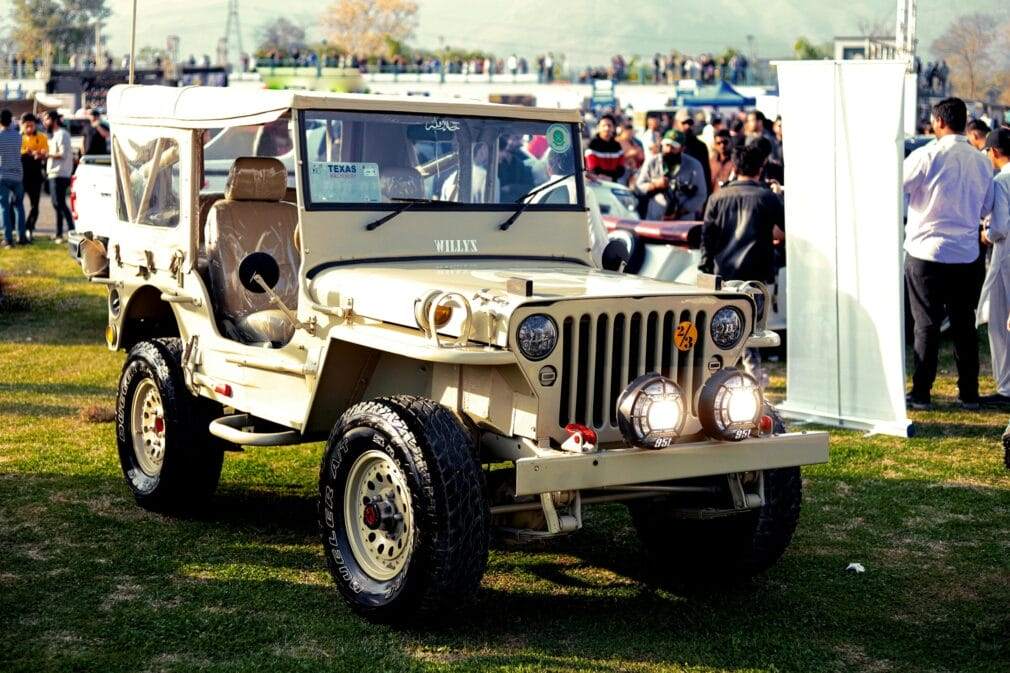
Photo by High Rollick studio
Age and Definition: Classic vs. Antique
Not all cherished cars are equal under the hood—or in the eyes of collectors or insurers. The industry sets specific age milestones:
- Antique cars are typically at least 45 years old, sometimes even older.* They represent early automotive history.
- Classic cars are usually between 20 and 45 years old.* They capture culture and trends from their era.
- Vintage cars can overlap these definitions, with many sources marking them as built between 1919 and 1930.
These categories matter because a car’s age gives it a different place in the market and affects how it’s used and maintained. If you want more detailed definitions and examples, the guide on the differences among vintage, classic, and antique cars breaks down the distinctions clearly.
Sentimental and Market Value
Classic and antique cars are more than their years—they are milestones in design, culture, and nostalgia. For many owners, these cars:
- Connect generations through family history
- Mark historical events or movements
- Showcase iconic design and craftsmanship
Market value is often impacted by:
- Rarity or limited production runs
- Pristine or restored condition
- Documented history or provenance
- Desirability within car clubs or among collectors
Unlike most everyday cars, values can actually appreciate rather than fall over time. Protecting that value means recognizing the difference from standard vehicles.
Unique Needs for Insurance
Because of these factors, classic and antique car owners face challenges that drivers of modern vehicles do not. Here’s why:
- Repair and replacement costs: Finding original parts or skilled specialists can be expensive.
- Usage: Most collectors don’t drive these cars daily, which changes risks and policy requirements.
- Full value protection: Owners want insurance that covers the true agreed value, not blue book estimates.
- Documentation: Insurers often need appraisals and photos to verify a car’s value and condition.
Standard auto policies often fall short here. For a deeper understanding of why these vehicles need custom protection, see this explanation of how classic car insurance works.
These differences highlight why collectors should never rely on standard coverage for classic or antique vehicles. Specialized insurance meets the true needs of these cherished pieces of history, offering security for both their market and sentimental value.
*Sources vary slightly on exact age definitions; always check with your chosen insurer for their criteria.
Why Standard Auto Insurance Isn’t Enough for Collectors
Anyone who’s put time, money, and love into a classic car knows: not all insurance is created equal. While standard policies work fine for daily drivers, collectible vehicles deserve much more careful attention. Coverage that seems adequate for a Honda Accord often leaves huge blind spots when applied to a 1967 Mustang or a restored Packard. Let’s see why relying on standard auto insurance is risky business for serious car collectors.

Photo by Artyom Kulakov
Coverage Gaps for Collectors
Basic auto insurance policies were built for new and used cars that see lots of daily road time—not for rare, cherished vehicles with appreciating value. Here are the most common ways these policies fall short for collectors:
- Actual cash value settlements: After a loss, standard insurers pay what the market says your car is worth today—not what it would cost to buy or restore a similar classic. This means you’ll likely get less than what your vehicle is truly worth.
- No protection for appreciating value: Collectible cars often gain value over time. Standard coverage has no mechanism for recognizing market trends or investments you’ve made in restoration.
- Lack of coverage for non-standard parts: Many policies cover only factory-original components. Special parts, rare trim, and period-correct upgrades are often excluded or undervalued.
- Limited options for repair: Most policies are designed for speed, not authenticity. Payouts may force you to use cheaper body shops, not restoration experts.
If you want to better understand these gaps, When Standard Policies Fall Short (2025 Guide) offers real-world examples and solutions.
Mileage and Usage Restrictions
Standard insurance assumes frequent driving—think commute, errands, and road trips. Classic cars, though, usually spend most of their life in garages or at shows. This mismatch creates problems:
- Annual mileage requirements: You might pay higher premiums or struggle to qualify for claims if you keep your car off the road most of the year.
- Policy violations: Driving outside the insurer’s assumptions can void your coverage.
- No option for agreed mileage plans: Collectible car insurers offer better custom options that match how these cars are used, explained in-depth by the Insurance Information Institute.
Repair Flexibility and Authentic Restoration
Imagine trying to repair a vintage beauty with “any available parts” after an accident. Standard insurers think replacement means “function,” not “authenticity.” For classic car owners, getting the right restoration matters:
- Quality shops vs. generic garages: Standard coverage may not cover restoration done by marque specialists.
- Antique parts scarcity: You may not be reimbursed for hard-to-find or period-correct components.
- Slow claims service: Standard adjusters may not have the expertise to value or handle your classic car claims efficiently, risking lost value and authenticity. For more information about why careful, flexible coverage matters, see our article on Comprehensive Coverage for Unique and Uncommon Risks.
Cash Value vs. Agreed Value
Most auto insurance policies rely on “actual cash value,” which drops each year as modern cars age. But collectibles buck that trend—values can go up with every auction or rare find.
Here’s why this matters:
- Actual cash value: Pays what your car is worth at the time of the claim, factoring in depreciation.
- Agreed value: You and the insurer agree on a set value based on appraisals and documentation. If disaster strikes, you get that agreed amount—no surprises.
If you want a deep dive into differences between classic and regular policies, the article on classic vs. regular auto insurance provides a helpful comparison.
Risks That Go Uncovered
Your investment, your labor, and your memories deserve protection. Standard car insurance isn’t designed to protect against:
- Losses from rare part theft or vandalism
- Damage during transport to shows or auctions
- Fire, floods, or other uncommon risks not covered in a typical policy
Specialty insurance steps in where traditional coverage leaves off. For those ready to protect more than just a set of wheels, selecting coverage tailored to collector cars is the only option that adds up.
Key Features of Specialty Insurance for Classic and Antique Cars
Specialty insurance is built for the way you use—and treasure—your classic and antique cars. Unlike everyday auto policies, these products combine financial protection with flexibility, making sure your one-of-a-kind car always gets the care and value it deserves. Let’s look at the defining features collectors depend on to protect their investment.
Agreed Value Coverage: Lock in Your Car’s True Worth

Photo by Nate Biddle
One of the standout options in specialty car insurance is agreed value coverage. Instead of settling for “actual cash value” that drops with age, you and your insurer decide upfront what your car is worth. If total loss strikes, you get that exact agreed amount—no drawn-out arguments, no guessing games at claim time.
Key advantages include:
- Predictable payouts: No last-minute surprises. You’re paid the full agreed sum if disaster strikes.
- Reflects true collector value: Agreed value protects rare models, historic upgrades, and restorations.
- Peace of mind: You know your prized ride is valued the way you see it.
For a detailed explanation, check out the insights on agreed value insurance and how it protects classic cars.
Original Parts and Restoration Protection: Keeping History Intact
For collectors, original details matter. Specialty policies go beyond basic repairs, covering the cost of sourcing real, period-correct parts and paying for skilled restoration work. This means your car stays as authentic—and valuable—as possible after a claim.
Coverage highlights include:
- Replacement of rare or discontinued parts: Insurers foot the bill when original components are expensive or hard to find.
- Restoration expertise: Work is often done by restoration experts, not just any mechanic.
- Historic value protection: Your car’s unique history is maintained, with the right badge, upholstery, or trim.
If you’re putting time into a restoration, using the right protection can make all the difference. Learn more from systems made for collectors, such as the DINITROL classic car restoration products and restoration-focused solutions by NOVOL.
Limited Use and Storage Coverage: Tailored for Garage Queens
Most classic cars don’t hit the road every day. Specialty policies understand this, offering flexible coverage that matches your car’s occasional use and the unique risks of long-term storage.
Expect features like:
- Lower rates for limited mileage: Drive to shows or meetups without paying daily-driver prices.
- Storage risk coverage: Protection from fire, theft, vandalism, or weather while your car is tucked away.
- Customizable policies: Some insurers allow you to set usage and storage limits that fit your lifestyle.
Keeping your classic safe, even when parked, is just as important as protecting it on the road. For more details, see these storage and use requirements for collector car policies.
Custom Policy Options for Unique Needs
No two collections are the same. Specialty insurers offer policies that adapt to your needs—whether you own a single rare Jaguar or a whole showroom of exotics.
Custom options may include:
- Coverage for multiple vehicles under one plan
- Special event coverage for shows, parades, or transport
- Flexible deductibles to balance cost and risk
- Additional protections for memorabilia or specialized tools
These tailored solutions ensure that your investment—no matter how large or unique—gets the right protection. Leading providers like American Collectors Insurance and others emphasize the value of personalized policies for collectors.
From locking in your car’s value to covering those irreplaceable details, specialty insurance delivers the protection true enthusiasts need. With options to suit every kind of collector, your classic or antique car can get the policy it truly deserves. For even more insights on what comprehensive specialty insurance can include, see the expert advice at Shielded Future’s guide to comprehensive specialty coverage.
Common Claims and Real-World Benefits for Enthusiasts
Classic and antique car owners know that risks come in many forms, from unexpected weather to mishaps at a car show. Specialty insurance isn’t just about ticking boxes; it exists because enthusiasts face unique threats that standard auto coverage misses. Knowing which claims get filed most often—and how specialty insurance responds—helps collectors enjoy their passion with fewer worries.
Types of Claims Classic Car Owners Face
Owners of collector cars file claims for situations that don’t always fit the mold of daily drivers. These are some of the most common claim scenarios:
- Collision and road accidents: Even the safest drivers can’t control every road hazard, especially when bringing a rare car to an event.
- Theft and vandalism: Classic cars stand out, putting them at higher risk for targeted theft or malicious damage.
- Weather damage: Hail, flooding, or fallen trees can leave a stored vehicle with serious, costly repairs.
- Transport and storage incidents: Moving a classic to shows, auctions, or between garages opens the door to damage from haulers, loaders, or storms.
- Fire loss: From garage wiring faults to wildfires, classic collections are vulnerable to fires that can start suddenly and spread fast.
- Parts and memorabilia theft: Spare rare parts or vintage memorabilia stored with vehicles are often targeted by thieves.
These claims reflect the real-world risks unique to the classic and antique enthusiast.
How Specialty Insurance Transforms the Claims Experience
Specialty insurance steps up where mainstream insurance stops short. Each policy is designed with the collector’s lifestyle in mind. Here’s how specialty coverage makes a difference:
- Agreed value settlements: Owners get paid the full, pre-agreed value if the car is a total loss—no fight over “market value” or depreciation.
- Restoration-focused repairs: After an accident, coverage extends to skilled restoration shops and authentic, period-correct parts.
- Flexible usage: Policies often include limited mileage plans, making it easier to file claims when driving only to events or shows.
- Coverage for storage and transport risks: Many policies pay for losses if something goes wrong while the car is stored, or in transit—not just on the road.
- Theft and memorabilia protection: Some plans let you add coverage for rare accessories, spare parts, and collectible items stored with your vehicle.
- Fast, expert claims help: Experienced adjusters understand classic values and restoration processes, which speeds up repair approvals and payouts.
For an in-depth look at how these features benefit real collectors, see this resource on Understanding Specialty Insurance Coverage: Essential Insights.
Beyond Standard Coverage: Practical Benefits
Specialty insurance doesn’t just add extra paperwork—it delivers practical peace of mind that lets collectors focus on enjoying their vehicles:
- No surprise drops in value after a claim payout
- Freedom to repair with trusted restoration experts
- Confidence that rare parts are covered and replaced
- Event and parade coverage so owners can safely show off their vehicles
Understanding the details of these benefits keeps classic car collectors from unexpected out-of-pocket costs, especially after storms, accidents, or theft. For collectors looking to compare more specialty policy options and what they mean in practice, the Beginners Guide to Specialty Insurance breaks down essential terms and real-world considerations.
Collectors need insurance that does more than protect a car—it protects years of work, memories, and history bound up in every vehicle. Specialty insurers recognize these needs and design claims processes to support them, making the experience as painless and supportive as possible.
Choosing the Right Specialty Insurance Policy
Selecting the right specialty insurance for your classic or antique car can feel like picking out the perfect restoration part—details matter and shortcuts create risks. The right coverage safeguards your investment, covers unique exposures, and gives you the freedom to enjoy your collection without worry. Here’s a practical path to follow as you search for a policy that meets your needs.
 Photo by Stephan Streuders
Step 1: Identify What You Need to Protect
Start with a close look at your car—or collection—and decide what you want covered. Different owners have priorities that go beyond dollar value.
- Does the policy support agreed value instead of depreciated cash payout?
- Will it pay for authentic restoration after a claim, not just patchwork repairs?
- Does it protect your car at shows, during transport, or in special storage?
- Would rare accessories or extra parts be covered if stolen?
Knowing your needs makes the rest of the process clearer. For a broader overview of coverage options and unique risks, review the 2025 Guide to Specialty Insurance.
Step 2: Compare Coverage Details and Limits
Not all specialty policies work the same way. Take time to compare details, especially:
- Type of value settlement: Most collectors prefer agreed value, where payouts match your appraisal.
- Parts and restoration coverage: Does the policy fund period-correct repairs or only “best available” parts?
- Mileage restrictions: Limited-use cars qualify for lower rates, but be sure the policy fits how you enjoy your car.
- Storage and transport add-ons: Covered when trailering to shows or while stored at a club garage?
- Event and memorabilia coverage: Are special uses and valuable accessories included?
This thoughtful comparison helps avoid surprises if you ever need to file a claim. External guides like the Essential Guide to Classic Car Insurance or this step-by-step guide for classic sports car insurance offer useful checklists you can use as you research.
Step 3: Research Company Reputation and Expertise
The right insurer matters as much as the right coverage. Choose a provider with strong experience in specialty or collector car insurance. Look for:
- A history of serving classic and antique car enthusiasts
- Expert adjusters who understand collector value and restoration
- Clear, positive reviews from other collectors
- Quick, knowledgeable claims support
For a breakdown of leading providers, the review of the best classic and collector car insurance companies in 2025 highlights established names with good reputations.
If you want to see how other collectors rate their service, take a look at details from the Best Classic Car Insurance Companies of 2025.
Step 4: Get a Detailed Quote
Once you have a shortlist, it’s time to request a quote. Gather all relevant information to streamline the process:
- Photos of your car (interior and exterior)
- Maintenance or restoration records
- Appraisals or documentation of value
- Details about storage arrangements
- Planned use (annual mileage, events, etc.)
Be ready for follow-up questions—solid documentation can speed up approvals and provide a smoother experience. For a focused guide, see how to get a quote from Markel Specialty Insurance for step-by-step instructions.
For even more tips on getting the most accurate quotes from specialty carriers, consider reading about tips for fast insurance quotes.
Step 5: Review Customer Service and Claims Support
Coverage is only as good as the help you get when you need it. Before making a final decision, ask about:
- Claims process and average turnaround time
- Access to classic car repair specialists
- Support during emergencies, accidents, or long-term restorations
- Transparency around coverage limits and exclusions
Good customer service gives you peace of mind—for both small questions and major events. The strength of claims support can make a big difference if the unexpected happens.
Step 6: Check Policy Flexibility and Customization
Collector car needs change, especially as collections grow or usage shifts. Make sure the insurer offers:
- Easy options to add or change vehicles
- Flexible policies for special shows or cross-country moves
- Ability to update agreed value as your car appreciates
For an inside look at policy flexibility and special risk coverages, check out this overview of comprehensive specialty coverage.
Choosing specialty insurance isn’t just ticking a box—it protects years of work, love, and history. A careful, step-by-step approach paired with trusted sources makes all the difference when picking a policy as unique as your car.
Conclusion
Specialty insurance stands out as the smart choice for classic and antique car enthusiasts. It fills the gaps left by standard policies, aligns with the true value of each vehicle, and supports authentic restoration efforts. Collectors gain real peace of mind knowing their investment, history, and passion are protected on the road, at shows, and in storage.
Now is the perfect time to review your current coverage. Make sure your car has the policy it deserves. For more tailored advice and practical tips, Shielded Future’s Specialty Insurance Solutions page breaks down custom coverage options suited to rare vehicles.
Continue building your expertise. Get a broader view of what specialty insurance covers in the Comprehensive Guide to Specialty Insurance. Shielded Future is here to help you protect what matters most—today and for years to come. If you have insights or questions about your own collector coverage, join the conversation and share your experience with the community.