Are you looking for affordable health coverage in California? The Medi-Cal Access Program might be just what you need.
Whether you’re pregnant, managing a health condition, or simply need help paying medical bills, this program offers support tailored to your situation. Understanding how to qualify, apply, and even get help with past medical expenses can feel overwhelming—but it doesn’t have to be.
You’ll discover clear steps to access the benefits you deserve, learn about important deadlines, and find out how to avoid coverage gaps. Keep reading to unlock the full potential of the Medi-Cal Access Program and take control of your healthcare today.

Credit: www.longbeach.gov
Medi-cal Access Program Basics
The Medi-Cal Access Program helps pregnant women get health coverage. It offers care for mothers and their babies during pregnancy. This program supports families with low to moderate income. It ensures access to important medical services without high costs.
Understanding the basics of the Medi-Cal Access Program is important. It helps you know what services are covered and the benefits you can receive. This section explains the key points of the program simply and clearly.
What Medi-cal Covers
Medi-Cal covers many health services for pregnant women. This includes prenatal checkups, hospital care, and delivery. It also covers lab tests and ultrasounds. After the baby is born, Medi-Cal helps with postpartum care. The program also covers doctor visits and health education. It aims to keep both mother and baby healthy.
Benefits Of The Program
The program lowers health costs for families. It makes quality care affordable and easy to get. Early prenatal care helps avoid health problems for mother and baby. The program also offers support for nutrition and mental health. It improves health outcomes by providing timely services. Families can feel secure knowing care is available.
Eligibility Criteria
The Medi-Cal Access Program offers vital healthcare to many Californians. Understanding the eligibility criteria helps determine who can benefit from this program. These criteria focus on income, residency, and special health conditions. Clear guidelines ensure the right people receive support. Below are the main eligibility factors you should know.
Income Limits And Family Size
Income limits depend on your household size. Larger families have higher income limits. The program compares your income to the Federal Poverty Level (FPL). Only families with income below a set percentage of the FPL qualify. Income includes wages, benefits, and other sources. Accurate reporting is crucial for correct eligibility determination.
Residency And Immigration Status
Applicants must live in California to qualify. Proof of residency is required during application. Immigration status also matters. U.S. citizens and some legal immigrants can apply. Undocumented immigrants may not be eligible for all Medi-Cal benefits. Specific rules apply for different immigration categories.
Special Groups: Pregnant Women And Specific Conditions
The program gives special consideration to pregnant women. They often have higher income limits. This ensures prenatal care is accessible. Certain medical conditions also qualify for Medi-Cal Access. Examples include breast or cervical cancer. These groups receive focused support to improve health outcomes.
Applying For Medi-cal
Applying for Medi-Cal is a straightforward process designed to help eligible individuals receive essential health coverage. The program offers several ways to submit your application. Choose the method that fits your needs best. Understanding these options can speed up your enrollment and access to benefits.
Online Application Options
You can apply for Medi-Cal online through the official state website. The online system guides you step-by-step. It is available 24/7 and easy to use. Upload necessary documents directly to your account to avoid delays. Save your progress and return later if needed.
County Office Enrollment
Visit your local county office to apply in person. Staff members help you complete the application. They can answer questions and explain eligibility rules. Bring your identification and income proof to the appointment. Some counties allow you to schedule visits by phone or online.
Using Benefitscal.com
BenefitsCal.com is the official portal for applying to Medi-Cal. It lets you apply, report changes, and renew benefits online. The website provides clear instructions and helpful tools. You can track your application status anytime. Using this platform ensures your information stays secure and up to date.
Retroactive Coverage
Retroactive coverage under the Medi-Cal Access Program helps cover medical costs from past months. This coverage applies to services received before you applied for Medi-Cal. It can protect you from paying large medical bills from the recent past.
Understanding how to request retroactive coverage and knowing if you qualify can save money. Also, you may get reimbursed for some services you already paid for. Below are key details about retroactive coverage.
Requesting Past Coverage
Tell your county Medi-Cal office you want coverage for the three months before your application. This request must be made during your application process. The county will check your eligibility for those past months.
Eligibility For Retroactive Months
You must have qualified for Medi-Cal during the retroactive period. Even if you did not apply then, your income and situation had to meet Medi-Cal rules. The county verifies this before granting retroactive coverage.
Reimbursement For Paid Services
If you paid for medical care in the retroactive months, Medi-Cal may repay you. Submit receipts and proof of payment to your county office. They will review your documents and process your reimbursement.
Re-enrollment And Grace Period
The Medi-Cal Access Program includes a re-enrollment process and a grace period to help maintain your health coverage. This allows beneficiaries to resume benefits if coverage ends unexpectedly. Understanding these steps helps avoid any gaps in your Medi-Cal services. Act quickly to secure your health benefits without delays.
Contacting Your County Office
Reach out to your county Medi-Cal office promptly after your coverage ends. Calling early can restart your benefits faster. The county staff will guide you through the re-enrollment process. It is important to keep their contact information handy for quick access.
Providing Required Information
Submit all requested documents and answers to your county office without delay. Providing complete and accurate information speeds up your re-enrollment. Missing details can cause pauses or denials in your coverage. Stay organized and respond to any county requests immediately.
Avoiding Coverage Interruptions
Act within the grace period to prevent breaks in your Medi-Cal benefits. The grace period gives you extra time to re-enroll after coverage ends. Use this time wisely by contacting your county office and submitting paperwork. Avoiding interruptions ensures continuous access to your health care services.
Credit: www.csusm.edu
Income Calculation And Limits
Understanding income calculation and limits is essential for applying to the Medi-Cal Access Program. The program uses specific rules to determine who qualifies based on income. These rules help ensure that people with low or moderate income get the support they need. Knowing how income is counted can make the application process easier. It also helps to know special details about programs for working disabled individuals.
How Income Is Counted
Medi-Cal counts income differently than regular taxes. They look at gross income before taxes. Some types of income are excluded. For example, disability income is often not counted. They use rules similar to the Supplemental Security Income (SSI) program. Household size also affects income limits. Everyone living in the home and their income is included. This method helps to fairly assess financial need. It ensures assistance goes to those who truly need it.
Working Disabled Program Details
The Working Disabled Program helps people with disabilities who work. It allows them to earn income without losing Medi-Cal benefits. Income limits are higher for this program. Disability income is not counted as part of the income. This makes it easier for disabled workers to stay covered. The program supports independence and employment. Participants can keep health coverage while working. It balances work and health needs effectively.
Additional Resources
Access to the right resources can simplify your Medi-Cal experience. These resources offer guidance, quick eligibility checks, and answers to common questions. Use them to stay informed and get the help you need.
Medi-cal Help Centers
Medi-Cal Help Centers provide personal support for your application and coverage questions. Staff can explain eligibility rules and help you gather necessary documents. You can visit in person or call for assistance. This resource makes the process less confusing and faster.
Hospital Presumptive Eligibility
Hospital Presumptive Eligibility allows immediate temporary Medi-Cal coverage at hospitals. It helps people needing urgent care but who have not completed full Medi-Cal approval. This program covers emergency treatment while your full application is processed. It offers peace of mind during health emergencies.
Managed Care Faqs
Managed Care FAQs answer common questions about Medi-Cal plans and providers. They explain how to choose a plan, find doctors, and use services. The FAQs also cover benefits, costs, and how to file complaints. Reading these can clear doubts and help you use your coverage well.
Credit: www.centralhealth.net
Frequently Asked Questions
What Is The 3 Month Rule For Medi-cal?
The 3 month rule for Medi-Cal allows retroactive coverage for medical bills from three months before your application. You must have been eligible during those months. Request this coverage through your county office when applying to get reimbursed for past expenses.
What Is The Monthly Income Limit For Medi-cal?
The monthly income limit for Medi-Cal varies by household size and is based on the Federal Poverty Level (FPL). For most adults, it is about 138% of the FPL. Higher limits apply for pregnant women and certain medical conditions. Check local county guidelines for exact limits.
Who Qualifies For Free Medi-cal In California?
Free Medi-Cal in California covers low-income residents, pregnant women, children, seniors, disabled, and certain health conditions. Applicants must live in California and meet income and residency criteria. Some undocumented individuals qualify for limited benefits. Apply via Covered California, county offices, or BenefitsCal.
com.
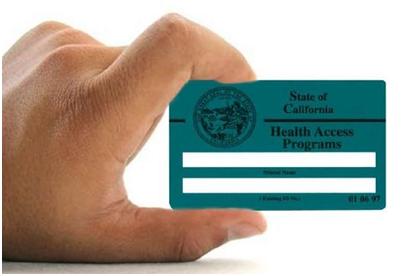
What Does The State Of California Health Access Program Cover?
The State of California Health Access Program covers prenatal care, labor and delivery, postpartum services, and newborn care for eligible pregnant women. It ensures access to essential medical services during pregnancy and after childbirth, supporting healthy outcomes for mothers and babies.
Conclusion
The Medi-Cal Access Program supports many Californians with health coverage. It helps cover past medical bills through retroactive coverage. Staying in touch with your county office ensures smooth re-enrollment. Eligibility depends on income, family size, and residency. Pregnant women and those with certain health conditions have special rules.
Applying is simple online or in person at county offices. Understanding these steps helps you get the care you need. Keep your information updated to avoid coverage gaps. Medi-Cal offers vital assistance for health and peace of mind.