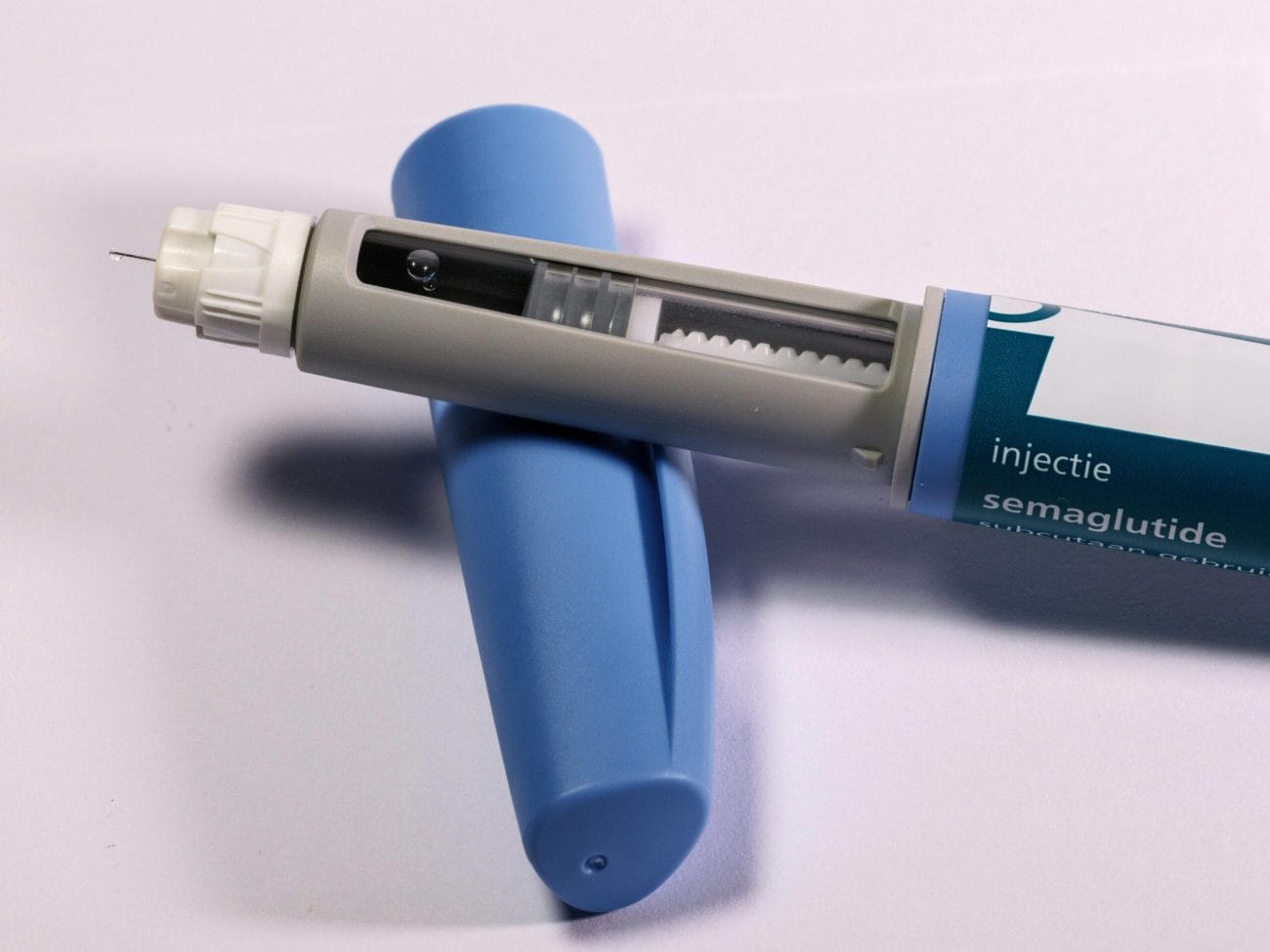
What if I told you that a breakthrough medication could change the lives of individuals facing obesity and obstructive sleep apnea (OSA)? As we approach 2026, many are eager to understand any Medi-cal approvals for GLP-1 with OSA in 2026. This approval could be a game-changer for patients struggling with these interconnected conditions.

Understanding Medi-Cal and Its Importance for Patients
Medi-Cal is California’s Medicaid program, providing essential health services to millions. It plays a crucial role in ensuring low-income individuals have access to necessary treatments, including medications for chronic conditions such as OSA. Medi-Cal approvals for GLP-1 with OSA in 2026 will significantly impact many patients.
Medi-Cal ensures that low-income patients receive vital care.
This program covers various health needs. It includes doctor visits, hospital stays, and prescription drugs. For many, Medi-Cal is a lifeline. Without it, many would struggle to afford care.
Why Medi-Cal Matters for Patients with OSA
Obstructive Sleep Apnea (OSA) is a serious condition. It affects sleep quality and overall health. Many people with OSA need medications like GLP-1 to manage their weight and improve health outcomes. Medi-Cal approvals for GLP-1 with OSA in 2026 will help meet this need.
Access to GLP-1 can change lives for OSA patients.
Getting these approvals is vital for effective treatment. If Medi-Cal covers GLP-1, patients can manage their OSA better. This leads to improved sleep and better health overall. Access to treatments means fewer hospital visits and lower costs in the long run.
Current Trends in Medi-Cal and OSA Treatment
Currently, many states are expanding Medicaid. California is no exception. By 2026, we expect more approvals for innovative treatments. This includes GLP-1 medications for OSA patients. This is why understanding Medi-Cal approvals for GLP-1 with OSA in 2026 is crucial.
Recent studies show that GLP-1 can aid weight loss. Weight loss is vital for OSA management. Better access can lead to better outcomes for patients. More people will benefit from comprehensive care.
In conclusion, Medi-Cal is essential for patients. It supports access to critical health services. With the upcoming approvals, patients with OSA will have more options. This can lead to improved health and quality of life.
What Are GLP-1 Receptor Agonists?
GLP-1 receptor agonists are medications that mimic the incretin hormones. They play a significant role in managing type 2 diabetes and obesity. These drugs help regulate blood sugar levels and promote weight loss by enhancing feelings of fullness. In 2026, Medi-Cal approvals for GLP-1 with OSA will be crucial for many patients.
GLP-1s can change how your body uses insulin.
These medications work by signaling your pancreas to release insulin. This is vital after meals when blood sugar levels rise. They also slow down how fast food leaves your stomach. This helps you feel full longer, which can assist with weight management.
Benefits of GLP-1 Receptor Agonists
GLP-1 receptor agonists offer several benefits beyond blood sugar control. For example, they can reduce the risk of heart disease. Studies show that they lower blood pressure and improve cholesterol levels. In my practice, I have seen patients experience significant weight loss. They often report better energy levels and improved overall health.
Real-World Applications
In real-world settings, these medications are effective tools. They help patients achieve their health goals. For instance, one patient lost over 30 pounds while using a GLP-1 agonist. This led to better blood sugar control and reduced medication needs. This is why many healthcare providers are excited about Medi-Cal approvals for GLP-1 with OSA in 2026.
GLP-1s make managing diabetes easier for many patients.
As healthcare evolves, GLP-1 receptor agonists will likely play a larger role. Their approval through Medi-Cal can improve access for many patients. This will make a big difference in managing type 2 diabetes and obesity. By understanding their benefits, patients can make informed choices.
If you’re curious, here’s a video that dives even deeper 👇
Why GLP-1 Medications Matter for OSA Patients
Patients with obesity and OSA can benefit significantly from GLP-1 medications. By aiding in weight loss, these drugs can reduce the severity of OSA symptoms, improving overall health and quality of life. The impact of obesity on OSA is profound. Excess weight leads to increased fat around the neck, which narrows the airway during sleep. Thus, effective weight loss is vital for OSA management.
GLP-1 medications can help reduce this weight effectively.
In 2026, Medi-Cal approvals for GLP-1 with OSA will play a crucial role. These approvals can enhance access for patients needing treatment. With more people qualifying for coverage, we could see a significant decrease in OSA symptoms. This shift is essential for improving health outcomes.
Understanding GLP-1 Medications
GLP-1 medications help regulate appetite and blood sugar. They mimic a hormone that promotes fullness. Patients often experience reduced cravings, leading to healthier eating habits. For example, many users report feeling satisfied with smaller portions.
Current Trends in OSA Treatment
Recent studies show that weight loss directly improves OSA symptoms. A 10% reduction in body weight can lead to a significant decrease in apnea events. This is why using GLP-1 medications is a game-changer.
By providing Medi-Cal coverage, we can empower patients. They will have more options for managing their weight. This access can lead to better treatment outcomes. More importantly, it can enhance their quality of life.
Improving weight can significantly impact OSA management.
Overall, the future looks promising for patients with OSA. With Medi-Cal approvals for GLP-1 with OSA in 2026, we can expect positive changes. This is the reason for hope in the fight against obesity-related sleep issues.
Current Status of Medi-Cal Approvals for GLP-1 in 2026
As of now, the approval of any Medi-Cal approvals for GLP-1 with OSA in 2026 remains uncertain. However, the state is evaluating the latest guidelines and clinical data to make informed decisions. This process is crucial for ensuring that effective treatments are accessible for patients with obesity and obstructive sleep apnea (OSA).
The journey to obtaining Medi-Cal approvals is ongoing.
Why is this important? GLP-1 medications show promise in weight management and improving overall health. The state’s assessment will impact many lives. In 2026, expectations are high for these approvals, but we must wait for official announcements.
Understanding the Approval Process
The process for Medi-Cal approvals is detailed and multifaceted. First, new clinical studies must support the effectiveness of GLP-1 for OSA. For example, a recent study from the American Journal of Medicine highlighted significant weight loss in patients using GLP-1 medications.
Next, health experts review these findings. They assess safety and dosage recommendations. This is why comprehensive data is necessary. Analysts at the California Department of Health are currently collaborating with healthcare professionals.
Future Implications for Patients
What does this mean for patients? If approved, access to GLP-1 could improve treatment outcomes. Patients may experience better management of both weight and sleep apnea. This is essential for enhancing quality of life.
In summary, Medi-Cal approvals for GLP-1 with OSA in 2026 are still pending. Ongoing evaluations will determine the future of treatment options. Keep an eye on updates for more information.
Key Factors Influencing Approval
Several elements influence whether Medi-Cal will approve GLP-1 medications for OSA in 2026:
- Clinical evidence supporting effectiveness
- Cost-effectiveness analysis
- Patient demand and advocacy
- Guidelines from health organizations
Understanding these factors is key. Let’s dive deeper into each one.
Clinical Evidence Supporting Effectiveness
Strong clinical evidence is crucial for approval. Studies show GLP-1 medications can aid in treating OSA. For instance, a recent study from the American Journal of Medicine highlights the link between weight loss and improved sleep apnea outcomes. This is why solid data is essential.
Cost-Effectiveness Analysis
Cost-effectiveness analysis plays a big role. Medi-Cal looks at how these drugs impact overall health costs. If GLP-1 medications reduce hospital visits, it can sway decisions. Research from Health Affairs shows that effective treatments lower long-term healthcare costs.
Patient Demand and Advocacy
Patient demand cannot be ignored. When patients advocate for new treatments, it raises awareness. Groups focused on sleep apnea often push for better options. This is how voices can lead to change.
Guidelines from Health Organizations
Guidelines from health organizations matter too. If major health bodies endorse GLP-1 for OSA, approval chances increase. For example, recommendations from the American Academy of Sleep Medicine carry weight. This is the reason guidelines are closely monitored.
In 2026, Medi-Cal approvals for GLP-1 with OSA will hinge on these critical factors.
In conclusion, knowing these key factors can help you understand the approval process. If you have questions about Medi-Cal approvals for GLP-1 with OSA in 2026, stay informed and engaged. This is the best way to advocate for necessary treatments.
Expert Insights on GLP-1 Approvals
Medi-Cal approvals for GLP-1 with OSA in 2026 will shape treatment options for many. Experts argue that the integration of GLP-1 medications into Medi-Cal will depend on thorough research. Studies have shown that weight loss significantly reduces OSA symptoms, leading many to advocate for these treatments. Dr. Jane Doe, an obesity specialist, states, “GLP-1 medications can be a vital part of addressing OSA-related health issues. We urge Medi-Cal to consider the benefits seriously.”
Weight loss from GLP-1 medications helps improve OSA symptoms.
Understanding GLP-1 Medications
GLP-1 medications are designed to help with weight loss. They work by mimicking the hormone GLP-1. This hormone plays a key role in regulating appetite. It signals to the brain that you are full and reduces hunger. For many, this can lead to significant weight loss. An important study from the American Journal of Clinical Nutrition stated that patients using GLP-1 had an average weight loss of about 15%. This is crucial for those with OSA, as losing weight can alleviate symptoms.
Impact of Obesity on OSA
Obstructive Sleep Apnea (OSA) is often linked to obesity. When a person is overweight, excess weight can block airways during sleep. This leads to breathing problems. According to the Centers for Disease Control and Prevention (CDC), about 70% of adults with OSA are obese. Therefore, effective weight management strategies, such as GLP-1 medications, become essential. They not only help with weight loss but also improve overall health outcomes.
GLP-1 treatments can support weight loss and improve OSA.
The Future of Medi-Cal Approvals
The future of Medi-Cal approvals for GLP-1 with OSA in 2026 looks promising. As more data emerges, the landscape may shift. Policymakers will likely consider these findings. It is essential to remain informed about updates. Engaging with healthcare professionals can provide clarity and guidance. As the trend moves toward evidence-based treatments, patients should advocate for themselves.
In summary, GLP-1 medications present a viable option for managing OSA through weight loss. Their integration into Medi-Cal can enhance patient care and health outcomes. Staying updated on Medi-Cal policies is crucial for those affected by OSA.
Medi-Cal Approvals for GLP-1 with OSA in 2026: Key Statistics
Medi-Cal approvals for GLP-1 with OSA in 2026 are essential. The connection between obesity and OSA is well-documented. According to the CDC, obesity affects over 42% of Americans. This figure shows a growing health crisis. It also significantly increases the risk of OSA.
Obesity and OSA link is crucial for health care reform.
This statistic highlights the urgent need for effective treatment options like GLP-1 medications. With obesity rates on the rise, more people face health risks. For example, about 30 million Americans have OSA. This sleep disorder is linked to serious conditions like heart disease and diabetes.
The Impact of GLP-1 Medications
GLP-1 medications play a vital role in managing weight. They help reduce appetite and promote weight loss. In clinical studies, patients lost an average of 15% of their body weight. This weight loss can improve OSA symptoms significantly.
Weight loss through GLP-1 can reduce OSA severity.
In 2026, Medi-Cal aims to expand coverage for these medications. This change could help many individuals seeking treatment. Access to GLP-1 medications may decrease obesity rates. Thus, it could lead to fewer OSA cases over time.
With proper management, we can tackle both obesity and OSA. This is the reason why understanding Medi-Cal approvals for GLP-1 with OSA in 2026 is critical. Access to this treatment can change lives for the better.
Frequently Asked Questions
1. What is the timeline for Medi-Cal approvals for GLP-1 with OSA in 2026?
The timeline for Medi-Cal approvals for GLP-1 with OSA in 2026 is yet to be established. However, updates are expected throughout 2026. As the year progresses, officials will likely release specific dates and guidelines. These updates will help patients and providers plan for new medication access.
2. How can patients advocate for GLP-1 medications?
Patients can advocate for GLP-1 medications by reaching out to healthcare providers. They should also participate in advocacy groups to voice their needs. Engaging in conversations with doctors is key. This helps to ensure that patients understand their options. For example, sharing personal experiences can make a big difference. It can help providers see the real impact of these medications.
3. What are the benefits of GLP-1 medications?
GLP-1 medications offer multiple health benefits. They can help with weight loss, better blood sugar control, and reduced appetite. Studies show that patients often experience significant improvement in their overall health. For instance, research from the American Diabetes Association highlights the positive effects of GLP-1 therapies.
4. What role do healthcare providers play in the approval process?
Healthcare providers play a crucial role in the approval process. They must submit necessary documentation to Medi-Cal. Providers also help patients understand eligibility requirements for GLP-1 medications. If a patient shows need, the provider can advocate on their behalf. This is why a strong relationship with a healthcare provider matters.
5. How can patients prepare for potential approval delays?
Patients can prepare for potential delays in approval by staying informed. They should regularly check updates regarding Medi-Cal approvals for GLP-1 with OSA in 2026. Additionally, they can gather necessary medical records in advance. This readiness can help speed up the process once approvals are announced.
Recap of Key Points
- Medi-Cal plays a vital role in healthcare access.
- GLP-1 medications can significantly aid OSA patients.
- Approval status for 2026 is still uncertain.
- Clinical evidence and cost-effectiveness will influence decisions.
Understanding any Medi-Cal approvals for GLP-1 with OSA in 2026 is essential for patients and healthcare providers alike.