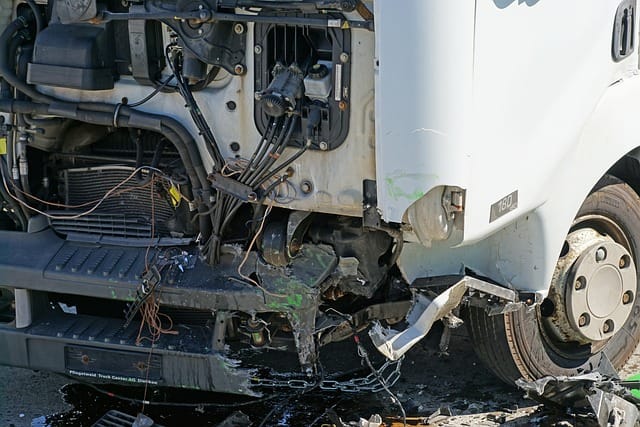
Minimum commercial auto liability limits are state-required insurance thresholds a business is obligated to have on hand for an at-fault accident. These mandatory sums vary by state.
Others have a split limit, such as 25/50/25, which establishes separate limits for bodily injury and property damage. Some utilize a combined single limit.
Federal rules may apply for commercial vehicles crossing state lines. Comprehending your state’s laws is important for compliance and adequate coverage.
State Minimum Liability Limits

State minimum liability limits Each state establishes its own minimum liability requirements for commercial auto insurance, resulting in a complicated environment for businesses that operate across state lines. These minimums are usually split limits, for example, 25/50/15, where the numbers are coverage caps for bodily injury per person, per accident, and property damage per accident.
These minimums must be met, but they do not always protect you from the severe financial consequences of a serious accident.
Basic Protection States
States with lower minimums, like Washington (25/50/10) and Arizona (25/50/15), set the minimum financial responsibility. This bare-minimum coverage leaves businesses open to substantial financial risk. One accident can blow right through them.
For example, a moderate damage accident involving a new vehicle and the injury of its driver can easily exceed the $10,000 or $15,000 property damage limit, leaving your company to cover the balance out of pocket. In these states, the risk of other underinsured drivers is greater.
This makes it more relevant than ever to not just meet the minimum and to get coverage that actually safeguards your own business assets from other people’s actions. Selecting higher limits is a smart way to protect your business from potentially ruinous liability claims.
Standard Coverage States
A bunch of states are somewhere in the neighborhood of this standard coverage amount giving you a more middle of the road, though not necessarily adequate, layer of protection. For instance, Illinois demands a 25/50/20 limit, whereas Georgia requires 25/50/25.
These amounts are closer to the national average and provide a somewhat stronger umbrella than basic protection states. Even those standard limits can be tapped pretty quickly in a multi-car pile up or a crash with extensive property damage or very serious injuries.
A business’s actual needs should determine its coverage — not simply the state minimum floor. The number of vehicles in the fleet, total miles driven annually, value of cargo, and the company’s net worth all need to be taken into account.
A business with substantial assets has more to lose in a trial and should, consequently, carry liability limits well beyond the state minimum so as to be fully protected.
Enhanced Requirement States
A handful of states require higher liability limits to more adequately protect the public. Both Alaska and Michigan, for example, require minimums of 50,000 for bodily injury per person, 100,000 for bodily injury per accident, and 25,000 for property damage.
This captures things like higher regional medical costs or a more litigious environment, where the costs of an accident tend to be higher. These higher minimums offer a more robust baseline of coverage, minimizing the short-term danger of a claim going over policy limits.
A catastrophic multi-injury or fatal accident can still lead to damages that exceed even these higher minimums. For companies in these states, using the minimum as a starting point and then layering on higher limits or an umbrella policy continues to be their best risk management strategy.
Combined Single Limit States
A CSL policy structures limits differently than typical split limits. Rather than dividing coverage between bodily injury and property damage, a CSL policy offers one overall limit that can be used for any combination of damages from one accident.
This provides you more versatility. If an accident causes widespread property damage but only a few injuries, the full policy limit can be used for the property claim unlike a split limit policy that would limit property damage to the lower property damage limit.
CSL policies are available in a number of states. They’re especially useful for commercial vehicles that could potentially cause major property damage, such as a truck causing a 20-car pile-up.
Its main benefit is this flexibility. A potential drawback is that CSL policies can occasionally carry higher premiums than similar split limit policies.
Why Minimums Are Deceptive
State minimum car insurance requirements represent the legal base rate for driving a commercial vehicle, but they seldom provide adequate insurance coverage. Following an accident, medical expenses and property damage can quickly exceed these bare minimums. This situation exposes your enterprise to significant financial vulnerability, as minimums are just a starting point for comprehensive coverage.
The Real Costs
Even a seemingly small fender-bender can easily lead to expenses that dwarf the minimum liability limits. Think impact injury. These first costs include an ambulance ride and emergency room visit, which can easily run into the thousands of dollars. If the injury necessitates physical therapy or specialist visits, medical bills will keep piling up.
On top of that, think about the property destruction. A typical state minimum for property damage is $25,000, which is usually insufficient to replace a newer car. Possible lost wages for the injured can make the total claim quickly hit six figures, which is way beyond the protection afforded by a minimum policy.
Healthcare cost inflation and overall inflation only exacerbate this issue, turning yesterday’s sufficient minimums into today’s too little, too late.
Your Business Assets
If a claim is above your policy limits, your business assets are at risk. A court judgment against your company can compel the seizure of business bank accounts, vehicles, and even property to satisfy the balance due.
This jeopardizes everything you’ve strived to create. Safeguarding your business demands liability limits that are sufficient to protect your assets from that situation.
It pays to check with your financial advisor to properly calculate your company’s net worth and choose an appropriate coverage level.
Legal Defense
Your commercial auto policy will probably pay for your legal defense if you are sued. This is a crucial value, as legal fees can be significant notwithstanding your business is eventually exonerated.
The expenses of hiring lawyers, collecting evidence, and litigating can accumulate quickly. A minimum-limit policy may not be sufficient to cover both the ultimate judgment and the attorneys’ bills.
Having enough reinsurance in place means your insurer can absorb these costs without eroding the reserves necessary to pay a claim.
Reputational Damage
A serious accident can damage your business’s good name, losing you trust and customers. Bad PR travels fast and being perceived as a business that doesn’t cover its liabilities is just bad business.
Enough liability insurance gives you the means to get to fair settlements quickly, which can help control the public story. It demonstrates that you’re a responsible business owner determined to do the right thing, shielding your company’s reputation in the community.
At-Fault vs. No-Fault Laws
State laws governing commercial auto insurance typically fall into two categories: at-fault and no-fault. These laws decide who pays for damages if there’s an accident. Knowing which system your state employs is vital to making sure your business is appropriately covered.
In an at-fault state, the individual responsible for the accident covers the costs. In a no-fault state, your own policy covers your injuries up to a specific level, regardless of who was responsible.
At-Fault System
In an at-fault system, the driver who caused an accident has to pay for the other person’s medical bills and property damage. Most states, including Georgia, use this model.
When an accident occurs, the not-at-fault party files a claim against the at-fault driver’s liability insurance. The insurance company then has to investigate who is at fault and how much the damages are before they pay out.
If the insurance company refuses the claim or provides a low settlement, the injured party can sue the at-fault driver. This makes having ample liability coverage imperative for any business, as a suit could otherwise be ruinous.
No-Fault System
In a no-fault system, your own policy covers your medical bill after an accident, regardless of who is to blame. This is addressed through PIP, mandatory coverage in no-fault states such as Florida, Michigan, and New York.
PIP offers rapid payment of medical bills and lost wages, preventing lengthy delays and fault determinations. This setup aims to minimize auto accident lawsuits.
No-fault laws don’t make lawsuits vanish entirely. An injured person can still sue the at-fault driver if their injuries are severe, reaching a “threshold” defined by the state.
This threshold can be monetary, meaning medical expenses are over a certain amount, or verbal, meaning the injury is defined as significant scarring or permanent disability. Since every no-fault state has its own unique rules and minimum thresholds, it’s essential for businesses to know the laws where they do business.
Interstate Operations
For businesses with vehicles that cross state lines, insurance laws get more complicated. You have to meet the insurance requirements of every state your vehicles pass through, not just your own state.
Your commercial auto policy has to satisfy the minimum liability limits of each state on your routes. Certain states might mandate higher limits or particular coverages on commercial vehicles driving through their borders, which is a patchwork of rules to abide by.
These very different systems can cause real headaches. An accident in an at-fault state is treated quite differently than it is in a no-fault state.
To prevent coverage gaps and be fully compliant, it’s smart to speak with a commercial transportation insurance expert. They can assist you in establishing a policy that safeguards your business regardless of where you conduct operations.
Federal Mandates
Though the states establish their own minimum car insurance requirements, federal motor carrier insurance regulations typically come into play for commercial vehicles that operate across state boundaries. The FMCSA establishes these national standards, particularly for companies operating across state lines. These federal minimums are often significantly higher than what states require, and businesses must adhere to adequate insurance coverage to operate legally.
Vehicle Type
Your federally mandated insurance needs are directly influenced by the size and purpose of your commercial vehicle. Since larger, heavier vehicles are more dangerous on the road, they must carry higher liability limits.
For example, interstate semi-trucks and other vehicles over 10,000 pounds with a USDOT or MC number are required to have a minimum of $750,000 in CSL coverage. Passenger-carrying vehicles, such as tour buses or shuttles, have even stricter mandates owing to the number of people they carry.
These operators frequently require policies from $1.5 million to $5 million CSL, based on seating capacity. Getting it right with the classification of each vehicle in your fleet is the key to securing the right coverage and avoiding compliance nightmares.
Cargo Hauled
What kind of products you haul is another significant factor in determining your insurance needs, especially insofar as it pertains to hazardous goods. Federal mandates are serious to safeguard the public from an environmental or health catastrophe.
If your business hauls hazardous materials, your commercial auto policy must have a minimum of either $1 million or $5 million combined single limit. It all depends on the type and quantity of the material, such as flammable liquids, explosives, or other hazardous materials.
It’s important to keep up with all federal and state cargo transportation mandates so you’re 100% compliant.
Travel Radius
How far your vehicles travel plays a role. Long haul vehicles, particularly those crossing state lines, tend to have increased premiums and may require increased liability limits.
That’s since long-haul travel has heightened risks, including the likelihood of accidents caused by driver drowsiness and possibly increased repair expenses away from home base.
When choosing your coverage limits, be sure to take into account the average travel radius of your fleet to guarantee your policy provides you with adequate coverage.
Determining Your Ideal Coverage

State minimums are merely the baseline. What it really comes down to when choosing commercial auto coverage is taking a closer examination of your business’s risks, your industry, and the coverage options available. This careful consideration makes certain your coverage delivers actual financial protection, not mere legal peace of mind.
Working with an insurance professional can assist you in getting through these decisions for added comfort.
Risk Assessment
The key is to determine your ideal coverage. It gets you thinking about where you are most vulnerable.
Take into account everything that impacts your risk profile. This covers your employees’ driving records, the vehicles you use and their frequency. A plumbing company with a fleet of vans that are never idle confronts a different risk than a realtor who drives clients to properties only from time to time.
Your location has a big impact. Working in a high-traffic, dense city like Los Angeles increases your likelihood of an accident compared to the countryside. It’s essential to contemplate both the potential probability of an accident and how severe the financial damage could be.
Finally, a risk assessment isn’t a one-time task. You should review it regularly, especially when your business expands, when you hire new drivers, or when you change your operations.
Industry Benchmarks
For reference, seeing what other companies in your space do can provide a useful starting point for your coverage. Each business is different, and industry standards offer a helpful pointer as to what constitutes sufficient coverage.
For instance, a long-haul trucking company is going to have very different standards than a local flower delivery service. These standards typically correspond to either typical contractual demands or the average economic cost of a mishap in that industry.
A lot of businesses find it useful to have bodily injury limits of $100,000 per person and $300,000 per accident, along with $100,000 in property damage. Certain industries necessitate far greater limits.
- Contractors often need limits of $1,000,000 or more to meet client contract requirements.
- Trucking and Logistics: Federal regulations may mandate limits from $750,000 to $5,000,000 depending on the cargo.
- Passenger Transport: Services like taxis or shuttle buses typically require higher liability limits owing to the risk of injuring multiple people.
- Professional Services: Consultants or sales teams using vehicles for business may align with general recommendations but should consider higher limits if they have significant business assets to protect.
Trade associations are a fantastic resource for this type of information. They frequently post recommendations for coverage levels for members. Keep these targets in mind, but start here and adjust the actual coverage to your operation.
Policy Endorsements
Policy endorsements (aka riders) are additions to your standard commercial auto policy that tailor your coverage for specific needs. Consider them add-ons that fill possible holes in your coverage.
Typical endorsements include raising your liability limits above the standard amount, which is important for asset-heavy businesses. You may incorporate uninsured/underinsured motorist coverage, which covers you if you get into an accident with a driver who is inadequately or not insured at all.
For companies that move products, cargo insurance is an important add-on that protects the worth of the contents in your auto. Although you can always add endorsements yourself, carefully reviewing available options with your insurance agent guarantees your policy completely matches your business’s unique risks, from protecting costly equipment stored in a van to covering employees who drive their own cars for work.
Consequences of Non-Compliance
There are severe legal, financial, and operational consequences for not being able to meet state-mandated minimum commercial auto liability limits. These are more than just small administrative annoyances. They can put a company’s assets, reputation, and existence at risk.
Taking steps to guarantee compliance is a good risk management strategy for any business operating commercial vehicles.
Legal Penalties
Driving a business vehicle without insurance can result in swift and harsh legal consequences. State authorities can levy larger fines, typically in the range of $1,000 to $10,000, depending on the jurisdiction and violation.
In addition to fines, state agencies may suspend your vehicle’s registration or even impound the vehicle. This basically removes a crucial piece of equipment from commission and interrupts its revenue producing ability.
In certain states, it is a crime to drive without the mandatory commercial insurance. This might result in charges filed against the driver or even the business owners, etching a serious legal record.
Keeping on top of your coverage as much as possible is the only way to avoid these legal headaches.
Financial Exposure
If a business has limited or no commercial auto insurance, it risks devastating financial consequences. With an at-fault accident, your company itself is responsible for paying these costs, which include property damage, medical bills for injured parties, and potential lost wages.
Without a policy to cover these costs, they lie squarely on the shoulders of the business. This can quickly result in expensive lawsuits and court-ordered judgments that deplete company resources.
For sole proprietorships or partnerships, this liability can include personal assets, putting homes, savings, and other personal property at risk. Even underinsured businesses have issues as they have to pay out-of-pocket for any damage that goes beyond their policy’s limits.
That kind of financial hit can be disastrous, even outright bankrupting.
Operational Shutdown
Failure to comply with insurance requirements can halt business operations. Regulators, for instance, the DOT or state authorities, can suspend or even revoke a company’s operating license, effectively making it illegal to conduct business.
An accident in an uninsured company car could wreck your business reputation beyond repair. Word of non-compliance travels fast, breaking trust with clients, partners, and the general public, which typically leads to lost customers.
This disruption isn’t solely about court orders. It affects the entire supply chain. Shipments can be delayed or canceled, breaking contracts and causing additional financial loss.
In the end, a lack of proper insurance can doom a business to closure.
Conclusion
Choosing the right commercial auto insurance is a big deal. The state minimums are only a baseline. They rarely cover the actual cost of a bad accident. One bad day on the road can take down your entire business if you’ve only got basic coverage.
You’re trying to protect what you’ve built. That means tailoring a policy to your unique business, not just ticking a legal box. Consider your fleet size, your daily routes, and what you transport. These specifics help customize just the right coverage for you.
To find your best fit, consult an insurance professional. They can help you examine your risks and construct a plan that provides genuine peace of mind.
Frequently Asked Questions
What are the minimum liability limits for commercial auto insurance?
Minimum commercial auto liability limits can vary significantly by state, making it crucial to verify the specific car insurance requirements for each state where your business vehicles operate to ensure adequate insurance coverage.
Are state minimums enough coverage for my business?
Typically, no. The state minimum car insurance requirements are too low to cover the costs of a serious accident. Most businesses require higher limits of commercial auto coverage to adequately protect their assets from costly claims and lawsuits.
Do federal laws ever override state minimums?
Yes, for some commercial vehicles, particularly those involved in interstate trucking. These businesses must adhere to FMCSA minimum liability coverage limits, which often exceed state minimum car insurance requirements.
How do I find my state’s commercial auto insurance requirements?
You can locate the car insurance requirements on your state’s DMV or Department of Insurance page. Your insurance agent will know the most up-to-date insurance coverage requirements for your area.
What happens if I drive without enough commercial auto insurance?
Driving without meeting your state’s minimum car insurance requirements can lead to severe penalties, including fines, vehicle impoundment, suspension of your business license, and personal liability for all damages incurred.