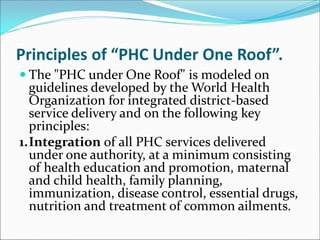
Primary health care is essential for a healthy society. It covers a range of services.
Primary health care under one roof means comprehensive care in one place. Imagine having all your health needs met without moving from one clinic to another. This approach not only saves time but also ensures better coordination of care. From preventive services to treatment, everything is accessible in one location.
This can include general check-ups, vaccinations, mental health support, and chronic disease management. Having all these services together improves patient outcomes. It makes health care more efficient and user-friendly. Understanding the key elements of this model can help you make better health decisions. Let’s explore what makes primary health care under one roof so effective.
Introduction To Primary Health Care
Primary health care is essential. It is the first point of contact for individuals seeking medical help. It covers a wide range of services. These services include prevention, treatment, and management of illnesses.
Definition And Importance
Primary health care is a comprehensive, accessible, community-based form of care. It is the cornerstone of health systems worldwide. It focuses on overall health needs rather than specific diseases.
This type of care is vital. It ensures that everyone can receive health services. It aims to achieve universal health coverage by addressing the majority of a person’s health needs. This includes physical, mental, and social well-being.
Here are some key elements of primary health care:
- Access to health services
- Health promotion and disease prevention
- Community participation
- Intersectoral collaboration
- Use of appropriate technology
Historical Background
Primary health care has evolved over time. It gained recognition in 1978 during the Alma-Ata Declaration. This declaration emphasized the need for urgent action by all governments, health workers, and communities.
Since then, primary health care principles have been integrated into health systems globally. It focuses on equity, social justice, and the right to better health care for all.
Here is a brief timeline of primary health care milestones:
| Year | Event |
|---|---|
| 1978 | Alma-Ata Declaration |
| 1981 | Global Strategy for Health for All |
| 2008 | World Health Report on Primary Health Care |
| 2018 | Astana Declaration |
Core Components
Primary health care under one roof is a revolutionary concept. It focuses on integrating essential health services in a single location. The core components of this model ensure that everyone receives the care they need. These core components are crucial for providing quality healthcare to all.
Accessibility
Accessibility is a critical element. It ensures that everyone can reach health services easily. This includes physical access to the facilities. It also encompasses financial access to affordable care. Services should be available without any discrimination.
To improve accessibility, facilities often operate extended hours. This helps people with different schedules to receive care. Transportation options are also essential. They ensure that even those in remote areas can reach the health center.
Community Participation
Community participation involves engaging local residents in health care planning. It ensures that the services meet the actual needs of the community. This approach makes health care more effective and efficient.
There are various ways to ensure community participation:
- Organizing regular community meetings
- Conducting surveys and feedback sessions
- Involving community leaders in decision-making
By involving the community, health care providers can address specific local issues. This leads to better health outcomes and greater satisfaction.
Integrated Services
Integrated services in primary health care refer to a holistic approach. It ensures that all essential health services are available under one roof. This approach simplifies access to care and improves patient outcomes. Let’s explore some key components of integrated services.
Preventive Care
Preventive care is crucial in primary health care. It helps to stop diseases before they start. This includes regular screenings, vaccinations, and health education. Patients benefit from early detection and intervention.
| Service | Description |
|---|---|
| Screenings | Regular health checks to detect diseases early |
| Vaccinations | Immunizations to prevent infectious diseases |
| Health Education | Information on healthy lifestyles and disease prevention |
Curative Services
Curative services focus on treating illnesses and injuries. These services ensure patients receive the right treatment at the right time. This includes primary medical care, specialist referrals, and emergency services.
- Primary Medical Care: Basic medical treatment for common illnesses.
- Specialist Referrals: Access to experts for advanced care.
- Emergency Services: Immediate care for urgent health issues.
By offering preventive and curative services under one roof, primary health care becomes more effective. Patients receive comprehensive care. This improves overall health and well-being.
Health Education
Health education is a vital part of primary health care. It empowers people to make informed decisions about their health. Under one roof, health education can cover various topics. These include nutrition, disease prevention, and mental health.
Awareness Programs
Awareness programs play a crucial role in health education. They spread important information to the community. These programs can be workshops, seminars, or public campaigns. They aim to educate people about common health issues.
| Type of Program | Focus Area |
|---|---|
| Workshops | Hands-on learning about nutrition and exercise |
| Seminars | Expert talks on disease prevention |
| Public Campaigns | Promoting mental health awareness |
Each program aims to provide clear and actionable information. This helps individuals take proactive steps for better health.
Behavioral Change
Behavioral change is another key element of health education. It focuses on altering unhealthy habits. This can include smoking cessation and increased physical activity. Encouraging small, consistent changes can lead to better health outcomes.
- Smoking cessation programs
- Physical activity initiatives
- Healthy eating campaigns
These programs often use motivational strategies. They may include goal-setting and self-monitoring. Support from healthcare providers is also crucial. They offer guidance and encouragement.
Essential Resources
Primary health care under one roof requires a range of essential resources. These resources ensure effective and efficient health services. Let’s explore the key elements that make this possible.
Human Resources
Qualified health professionals are crucial. They include doctors, nurses, and support staff. Doctors diagnose and treat illnesses. Nurses provide care and support. Support staff handle administrative tasks.
Training and continuous education are vital. This ensures that all staff stay updated with the latest medical practices. It also helps in improving patient care and outcomes.
Medical Supplies
Proper medical supplies are essential. These include medications, diagnostic tools, and treatment equipment.
- Medications: Essential drugs for treating common illnesses.
- Diagnostic Tools: Equipment like X-ray machines and blood pressure monitors.
- Treatment Equipment: Tools for surgeries and other medical procedures.
Maintaining a well-stocked inventory is crucial. It ensures that patients receive timely and effective treatment. Regular checks and updates of medical supplies prevent shortages.
These essential resources, human and material, are the backbone of primary health care under one roof. They ensure that patients receive comprehensive and quality health services.

Credit: twitter.com
Health Information Systems
Primary Health Care under one roof ensures that health services are accessible, comprehensive, and efficient. A crucial component of this system is the Health Information Systems. These systems collect, store, and manage health data, enabling healthcare providers to make informed decisions. Let’s explore the key elements of Health Information Systems.
Data Collection
Data collection is the first step in managing health information. It involves gathering patient data through various means. This can include:
- Electronic Health Records (EHRs)
- Patient surveys
- Medical imaging reports
- Lab results
Accurate data collection is essential. It helps in diagnosing and treating patients effectively. Moreover, it aids in tracking public health trends.
Performance Monitoring
Performance monitoring involves using collected data to evaluate health services. This helps identify areas for improvement and ensure high-quality care. Key aspects include:
- Tracking patient outcomes
- Monitoring service delivery
- Evaluating resource utilization
- Analyzing patient satisfaction
Regular performance monitoring helps in maintaining the standards of care. It also ensures that resources are used efficiently.
In summary, Health Information Systems are vital for effective Primary Health Care. They ensure data is collected accurately and performance is monitored consistently. This leads to better patient outcomes and improved health services.
Financing Primary Health Care
Financing primary health care is essential for ensuring that quality health services are accessible to everyone. Effective financing models can improve health outcomes and sustain health care systems. Understanding the different approaches to financing primary health care helps in planning and implementing efficient strategies.
Funding Models
Funding models for primary health care vary widely. They can include government funding, private insurance, and out-of-pocket payments. Each model has its benefits and challenges.
- Government Funding: Public funds allocated by the government to support health care services. This model ensures equitable access but may face budget constraints.
- Private Insurance: Health care services funded through private insurance companies. This can offer high-quality care but may not be affordable for everyone.
- Out-of-Pocket Payments: Direct payments made by patients for health services. This model allows immediate access but can be a financial burden for low-income individuals.
Cost-effectiveness
Assessing the cost-effectiveness of primary health care is crucial. It ensures that resources are used efficiently to achieve the best health outcomes.
| Aspect | Description |
|---|---|
| Preventive Measures | Investing in preventive care reduces long-term health costs and improves population health. |
| Efficient Resource Allocation | Allocating resources based on need ensures that funds are used where they are most effective. |
| Technology Integration | Using technology in health care can streamline processes and reduce costs. |
Effective financing of primary health care involves a combination of models and strategies. Ensuring cost-effectiveness maximizes the impact of available resources, leading to better health outcomes for the entire population.

Credit: m.facebook.com
Challenges And Solutions
Establishing primary health care under one roof offers many benefits. It ensures seamless services and better patient care. But there are challenges. Let’s explore these challenges and their solutions.
Barriers To Access
Many people face barriers to accessing primary health care. These barriers can include:
- Geographic Location: People in rural areas may not have nearby clinics.
- Financial Constraints: High costs can deter people from seeking care.
- Lack of Awareness: Some may not know about available services.
- Cultural Differences: Language and cultural norms can be obstacles.
These barriers can prevent people from getting the care they need. This leads to worse health outcomes and higher overall costs.
Innovative Approaches
Innovative solutions can help overcome these barriers. Here are some effective approaches:
- Telehealth Services: Remote consultations can reach those in distant areas.
- Subsidized Care: Financial aid programs can make services more affordable.
- Community Outreach: Educating communities about available health services.
- Multilingual Support: Providing services in multiple languages to cater to diverse populations.
These approaches can help improve access to primary health care. They ensure that everyone gets the care they need.
Future Directions
The future of primary health care under one roof holds immense potential. Innovations in technology and policy can shape this future. They aim to provide comprehensive, efficient, and accessible care for everyone. Let’s explore these key elements.
Technological Advancements
Technological advancements play a crucial role in the future of primary health care. Integrating technology can streamline processes and enhance patient experience.
- Telemedicine: Patients can consult doctors remotely. This saves time and reduces travel costs.
- Electronic Health Records (EHRs): Digital records ensure quick access to patient data. They improve coordination among healthcare providers.
- AI and Machine Learning: Predictive analytics can help in early diagnosis. AI can assist in personalized treatment plans.
- Mobile Health Apps: These apps provide health monitoring and reminders. They empower patients to manage their health effectively.
Policy Recommendations
Effective policies are essential for the success of primary health care. They ensure that healthcare services are accessible, affordable, and of high quality.
- Universal Health Coverage: Policies should aim for universal coverage. Everyone should have access to essential health services.
- Funding and Resources: Adequate funding is crucial. Investment in primary health care infrastructure and workforce is necessary.
- Integrated Care Models: Policies should promote integrated care models. These models provide holistic care, addressing physical, mental, and social health.
- Community Involvement: Encourage community participation. Policies should involve communities in planning and decision-making processes.
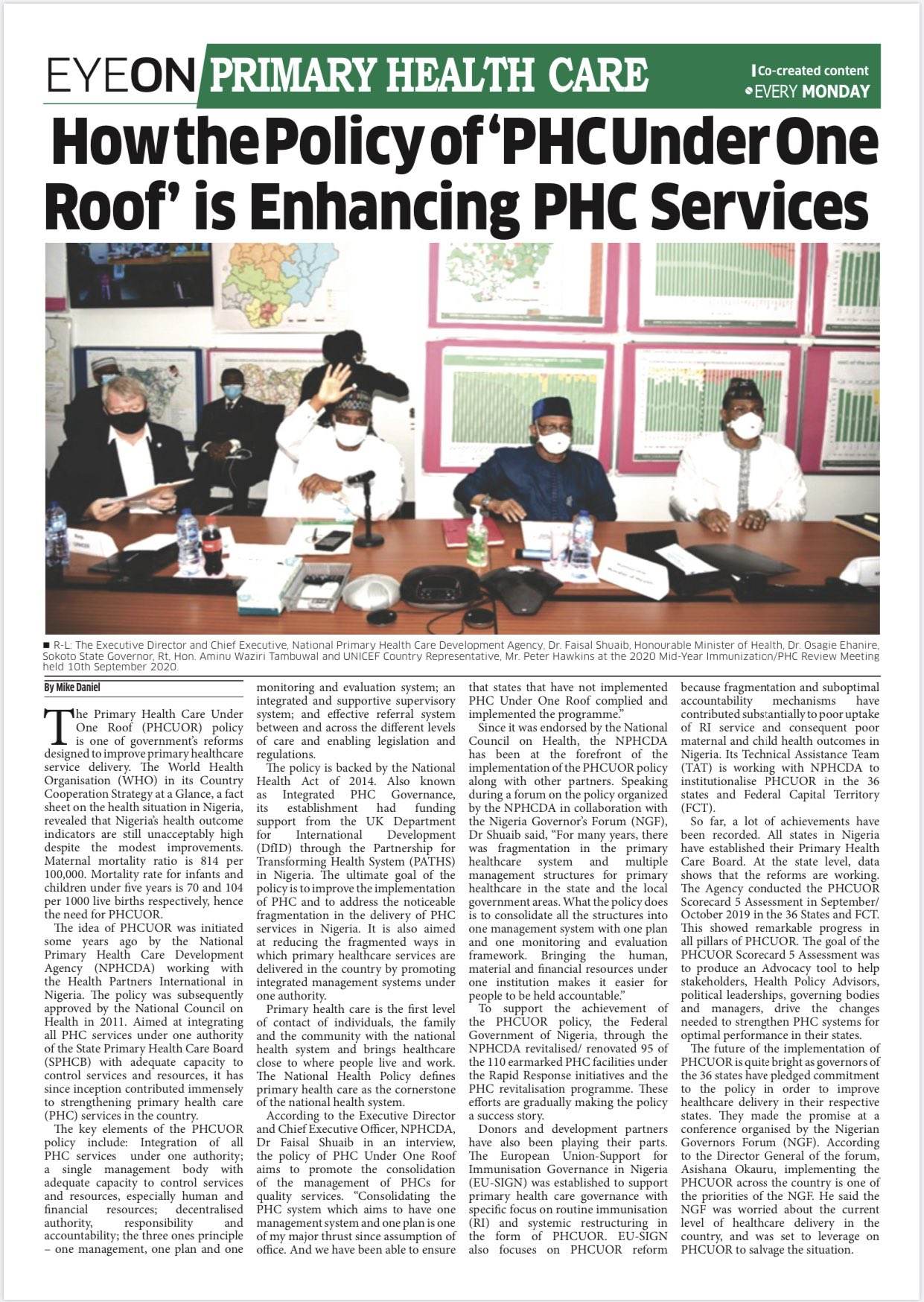
The future of primary health care under one roof looks promising. With the right technological advancements and policy recommendations, we can achieve a comprehensive and efficient healthcare system.
Credit: twitter.com
Frequently Asked Questions
What Is Primary Health Care?
Primary health care is the first point of contact in the healthcare system. It provides comprehensive, accessible, community-based care.
Why Is Primary Health Care Important?
Primary health care ensures essential health services are accessible to all. It focuses on prevention, wellness, and treatment.
What Services Are Included In Primary Health Care?
Primary health care includes preventive, promotive, curative, and rehabilitative services. It covers immunizations, screenings, and chronic disease management.
How Does Primary Health Care Improve Health Outcomes?
Primary health care improves health outcomes by providing early diagnosis, continuous care, and managing health conditions effectively.
Conclusion
Primary health care under one roof offers many benefits. It ensures comprehensive and accessible services. Patients receive timely care without visiting multiple locations. This approach improves convenience and continuity of care. It fosters better patient-provider relationships. Integrated services lead to more effective treatments.
Communities experience overall better health outcomes. Primary health care under one roof simplifies the healthcare journey. It’s a practical and efficient solution for everyone.
You might be interested in expanding your knowledge about the various components of primary health care. Speaking of comprehensive health services, you might find it insightful to explore what Primary Care truly entails. Additionally, understanding the role of Health Information Technology can provide deeper insights into how data management enhances patient care. Lastly, if you want to learn more about the significance of preventive measures, check out this article on Preventive Health Care. These resources will help you grasp the essential elements of effective health care systems!