If you have self-harm scars, you might be wondering if insurance can help cover the cost of their removal. You’re not alone in searching for answers about self-harm scar removal insurance coverage.
It’s important to know that insurance companies often see scar revision as a cosmetic procedure, which means coverage isn’t guaranteed. However, if your scars cause physical problems or affect your daily life, there may be a chance your insurance will help.
You’ll learn what it takes to get insurance coverage for self-harm scar removal, how to prove medical necessity, and the key steps to increase your chances of approval. Keep reading to find out how you can take control of your healing journey with the right support.
Insurance Coverage Basics
Understanding insurance coverage basics for self-harm scar removal helps set clear expectations. Insurance plans differ widely in what they cover. Knowing these differences can guide your choices and improve approval chances.
Many people believe all scar removal treatments are covered. This is not always true. Coverage depends on the nature of the procedure and the reason behind it.
Cosmetic Vs Medical Procedures
Insurance usually excludes cosmetic scar removal. Cosmetic means the procedure is for appearance only. Medical procedures treat functional problems or health risks. If a scar causes pain or limits movement, coverage is more likely. This distinction is crucial when submitting claims.
When Scar Removal May Be Covered
Insurance may cover scar removal if the scar affects daily life. Examples include scars that block vision or cause discomfort. Documentation from a doctor is essential to prove medical need. Evidence must show the scar is not just a cosmetic concern.
Policy Variations By Provider
Each insurance provider has its own rules. Some cover more procedures than others. Reading your policy carefully reveals specific terms. Calling your insurance company can clarify coverage details. Always check before scheduling treatments to avoid surprises.
Self-harm Scar Removal Options
Self-harm scars can affect confidence and emotional well-being. Many seek ways to reduce their appearance safely and effectively. Various removal options exist, each suited to different scar types and skin conditions. Understanding these choices helps in selecting the right treatment.
Surgical Scar Revision
Surgical scar revision reshapes or removes scar tissue through a minor operation. It can improve scar texture and color, making scars less visible. This option suits deep or wide scars that do not respond to other treatments. A skilled surgeon ensures minimal new scarring after the procedure.
Laser Scar Treatments
Laser treatments use focused light to break down scar tissue and stimulate skin healing. They reduce redness and smooth raised scars effectively. Multiple sessions often yield the best results. This method suits both old and new scars and works well on sensitive skin areas.
Non-surgical Alternatives
Non-surgical options include silicone sheets, gels, and steroid injections. Silicone helps keep scars hydrated and soft, improving their appearance over time. Steroid injections reduce inflammation and flatten raised scars. These methods are less invasive and often used alongside other treatments.
Proving Medical Necessity
Proving medical necessity is crucial to getting insurance coverage for self-harm scar removal. Insurance companies often see scar removal as cosmetic. You must show that the procedure is needed for health reasons. Clear evidence helps to convince insurers that coverage is justified.
Documenting Functional Impairments
Insurance requires proof that scars limit daily activities. Functional impairments can include difficulty moving or using affected body parts. For example, scars on joints may restrict bending or stretching. Detailed descriptions from doctors help demonstrate these limitations. Photographs and patient reports strengthen the case.
Chronic Skin Issues And Infections
Scars can cause ongoing skin problems like rashes or infections. Persistent irritation may lead to repeated medical visits. These chronic issues support the need for scar removal. Medical records documenting treatments and symptoms are essential. Such evidence shows the scars affect health, not just appearance.
Failed Conservative Treatments
Insurance wants proof that less invasive treatments were tried first. This includes topical creams, physical therapy, or other non-surgical methods. Documenting these attempts shows surgery is a last resort. Doctors should provide notes on the duration and results of these treatments. This step confirms medical necessity for scar removal surgery.

Credit: www.biorxiv.org
Gathering Required Documentation
Gathering the right documents is essential for self-harm scar removal insurance coverage. Insurance companies need clear proof to consider your claim. This process can be easier with organized and detailed paperwork.
Prepare all necessary documents before submitting your application. This helps speed up the review and approval process. Below are key types of documents you must gather.
Medical Records And History
Collect all medical records related to your scars and treatments. Include hospital visits, doctor notes, and any surgeries. These records show the history and impact of your scars. They prove medical necessity, not just cosmetic reasons.
Photographic Evidence
Take clear photos of your scars from different angles. Use good lighting and a plain background. Photos should show scar size, location, and severity. Date-stamped pictures provide strong visual proof for insurance.
Letters From Healthcare Providers
Ask your doctor or therapist for detailed letters. These letters must explain the medical need for scar removal. Providers should describe physical or psychological effects caused by scars. Strong letters increase your chance of insurance approval.
Navigating Insurance Policies
Navigating insurance policies for self-harm scar removal can feel complex. Understanding coverage rules helps you avoid surprises. Insurance companies often treat scar removal as cosmetic. Exceptions exist if scars cause physical problems or pain. Knowing your policy details is key. This section breaks down how to review plans, get pre-authorization, and understand costs.
Reviewing Your Plan Details
Start by reading your insurance policy carefully. Look for sections on scar removal or reconstructive surgery. Check if coverage depends on scar cause or severity. Some plans cover scars only from accidents or surgeries. Cosmetic treatments usually need to be paid out-of-pocket. Note any specific language about self-harm scars. Keep a copy of your plan handy for discussions with your doctor and insurer.
Pre-authorization Process
Many insurance companies require pre-authorization before treatment. This means you must get approval to ensure coverage. Your healthcare provider submits medical records and photos. The insurer reviews if the procedure is medically necessary. Approval can take days or weeks. Do not start treatment without it. Pre-authorization reduces the risk of denied claims and unexpected bills.
Understanding Deductibles And Co-payments
Deductibles are amounts you pay before insurance helps. Co-payments are fixed fees per visit or service. Both affect your total out-of-pocket cost. Check how much your plan requires for scar removal. Some plans have higher costs for cosmetic procedures. Knowing these fees helps you plan your budget. Ask your insurer for a clear cost estimate before treatment.
Working With Healthcare Providers
Working with healthcare providers is essential for securing insurance coverage for self-harm scar removal. Providers play a critical role in navigating the complex insurance process. Their support can make the difference between approval and denial. Understanding their responsibilities helps patients prepare and communicate effectively.
Surgeon’s Role In Insurance Approval
Surgeons evaluate the scar’s impact on physical and mental health. They determine if the procedure is medically necessary rather than cosmetic. This assessment is vital for insurance claims. Surgeons provide detailed medical opinions explaining the need for scar removal. Their expertise influences insurance companies’ decisions significantly.
Coordinating Documentation Submission
Healthcare providers gather all required documents for insurance review. This includes medical records, photos, and test results. Precise and complete documentation supports the claim’s validity. Providers often coordinate directly with insurance companies. They ensure paperwork meets all guidelines and deadlines.
Advocating For Coverage
Providers act as advocates for their patients during the insurance process. They may write appeal letters if initial claims are denied. Clear communication with insurers can clarify the necessity of treatment. Providers help patients understand insurance policies and coverage limits. Their advocacy increases the chances of obtaining approval.
Costs And Financial Considerations
Understanding the costs and financial aspects of self-harm scar removal helps you plan better. Many factors influence the total price, including the treatment type and insurance coverage. Knowing these details guides you in managing expenses effectively.
Average Prices For Scar Removal
Scar removal costs vary widely depending on the procedure. Laser treatments typically range from $200 to $500 per session. Surgical scar revision may cost between $1,000 and $3,000. Multiple sessions might be necessary to achieve desired results.
Out-of-pocket Expenses
Insurance often does not cover scar removal if it is cosmetic. You may need to pay for treatments fully by yourself. Deductibles and co-pays can add to the total cost if insurance covers part of the procedure. It is important to check your insurance policy carefully.
Financial Assistance And Payment Plans
Many clinics offer payment plans to ease financial burden. Some providers allow monthly installments without high interest. Nonprofit organizations or local health programs may provide financial help. Ask your clinic about available assistance options before starting treatment.
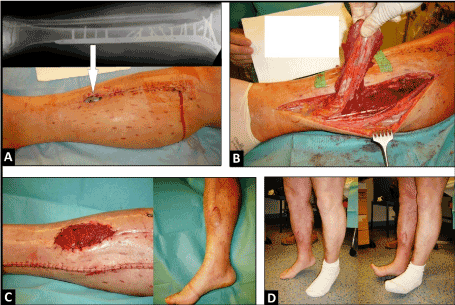
Credit: www.oatext.com
State And Regional Factors
Insurance coverage for self-harm scar removal varies significantly by state and region. Local laws, healthcare policies, and insurer practices shape what treatments qualify for coverage. Understanding these factors helps patients navigate their options more effectively. This section highlights important state and regional details, focusing on Austin, Texas.
Coverage Trends In Austin, Texas
In Austin, insurers often follow Texas state guidelines for scar removal coverage. Many consider scar revision cosmetic unless scars impair daily function. Scars from self-harm sometimes qualify if medical necessity is proven. Patients must provide thorough documentation showing physical or psychological impact. Policies differ between providers, so reviewing specific terms is essential. Coverage is more likely if scars cause limited mobility or chronic pain.
Local Resources And Support
Austin offers several local clinics and support groups specializing in mental health and scar treatment. Nonprofits often provide financial aid or sliding-scale fees for scar revision. Some community health centers assist with insurance navigation and appeals. Support groups help patients share experiences and find emotional relief. Access to these resources improves chances of successful treatment and coverage approval.
Legal Protections And Rights
Texas laws protect patients seeking medically necessary treatments, including scar removal. Insurance companies must follow state mandates on coverage fairness and claim handling. Patients can file complaints with the Texas Department of Insurance if denied coverage unfairly. Understanding rights helps patients advocate for proper benefits. Consulting a healthcare lawyer may assist in complex cases involving insurance disputes.

Credit: freemanhealthpartners.com
Frequently Asked Questions
Is A Scar Revision Covered By Insurance?
Scar revision usually isn’t covered by insurance as it’s cosmetic. Coverage may apply if the scar impairs function or results from injury. Review your insurance policy and consult your doctor for medical necessity documentation.
How Much Does Laser Self Harm Scar Removal Cost?
Laser self-harm scar removal typically costs between $200 and $1,500 per session. Prices vary by scar size, location, and clinic. Insurance rarely covers this cosmetic procedure unless medical necessity is proven. Multiple sessions may be needed for optimal results. Consult providers for exact quotes and coverage details.
Can Laser Scar Removal Be Covered By Insurance?
Insurance rarely covers laser scar removal as it is usually cosmetic. Coverage may apply if scars cause medical issues or functional impairment. Always verify your insurance policy and provide medical documentation to support necessity. Consult your provider for personalized information on coverage options.
How Can I Get Skin Removal Covered By Insurance?
To get skin removal covered by insurance, prove medical necessity with documented chronic rashes, infections, or functional issues. Provide medical records, photos, and a detailed doctor’s letter. Show failed conservative treatments and stable weight after weight loss. Work closely with your surgeon for pre-authorization and policy compliance.
Conclusion
Insurance coverage for self-harm scar removal depends on your policy. Most insurers see scar revision as cosmetic and don’t cover it. Coverage may apply if scars limit function or cause health issues. Always check your insurance terms carefully before treatment.
Documenting medical necessity helps support your claim. Talk to your doctor about detailed records and photos. Knowing your options can ease the financial burden. Stay informed and advocate for your health needs.