A little something about automobile public liability insurance in Los Angeles.
This coverage shields you from financial loss if your car damages or injures others.
What is Automobile Public Liability Insurance?
Automobile public liability insurance is a crucial part of an auto insurance policy that covers liability for harm you cause to others. This type of car insurance coverage provides third-party personal injury and property damage liability after an accident. However, it doesn’t pay to fix your own car; collision and comprehensive coverages do. Most states mandate some amount of liability coverage, and limits are typically expressed as three numbers such as 25/50/10.
1. Bodily Injury
Bodily injury liability covers medical expenses, rehab, prescriptions, lost income, pain and suffering, and funeral expenses for those you harm. Coverage might be split limits, such as 25/50 (which means $25,000 per person and $50,000 per accident) or a combined single limit (CSL) that pools the funds, like a $300,000 CSL.
Passengers, pedestrians, and drivers and their passengers are third parties. Certain states restrict who is eligible to sue your policy, so verify state regulations. Your own medical bills are not covered by bodily injury liability. Medical payments coverage, personal health insurance, or PIP where applicable does cover those.
Practical example: Rear-ending a driver on the 405 who needs surgery could trigger bodily injury payments for hospital stays, follow-up care, lost pay, and a settlement for pain and suffering under your bodily injury limits.
2. Property Damage
Property damage liability pays to repair or replace things you damage, such as other cars, fences, storefronts, mailboxes, guardrails, and public fixtures. Common claims include hitting a Mercedes in traffic, flattening a utility pole, or destroying a parking lot sign.
Limits are set per accident and cap the insurer’s payout. Typical coverages include 25/50/10, 100/300/50, or a 300k CSL that covers BI and PD under one umbrella. There is no coverage for your own car repairs; use collision or comprehensive.
This coverage takes care of the repair bill for wrecked high-value items such as a crumpled SUV or shattered store window.
3. Legal Defense
Insurers, for example, typically provide and cover the cost of your legal defense against third-party claims arising from a covered accident. Others pay them in addition to limits. The insurer defends you until limits are used.
Take policy papers and any letters from the insurer to record defense spend and settlement offers. For example, if sued for two hundred thousand dollars, the insurer assigns an attorney and may negotiate a settlement before trial, subject to your policy terms.
4. The Core Difference
Automobile public liability insurance covers only third-party injury, not repairs to your vehicle. Physical damage coverages, such as collision and comprehensive, are first-party protections for your vehicle.
General liability policies typically do not cover auto use on public roads, so business vehicles require commercial auto coverage. Split limits for bodily injury per person, bodily injury per accident, and property damage limit each component separately.
A combined single limit provides flexibility by utilizing one pot of money for bodily injury and property damage. Personal auto policies have different scopes, limits, and underwriting than commercial policies.
Why You Absolutely Need It
Car third party insurance conforms with the road traffic laws for usage on public roads. It protects your assets from big accident lawsuits. This coverage protects your savings by paying claims up to your limits. [1][2][4]
Here are key benefits of automobile public liability insurance:
- Covers other people’s medical bills and car repairs if you’re the one who causes an accident.
- Covers legal fees and court costs from lawsuits.
- Meets state minimum requirements to keep your license active.
- Protects your home, savings, and assets from personal payouts.
- Gives proof of insurance for police stops or rentals.
State Mandates
Every state except New Hampshire has minimum auto liability limits. These include bodily injury per person, per accident and property damage. For instance, some states establish 25/50/25 as the minimum, which means $25,000 per person for injuries, $50,000 per accident, and $25,000 for property. [1][4]
Drive without it, and you risk thousand-dollar tickets, months-long license suspensions, or having your car impounded. Courts can order SR-22 proof, which identifies you as high risk and raises rates.
Blame game is different. In at-fault states such as California, your liability covers you if culpability results in injury. No-fault states still require liability for large claims.
Read your policy ID card. It needs to expressly state your state’s limits, such as 100/300/50 for enhanced coverage in metropolitan areas.
Financial Shield
Liability covers medical expenses, repair bills, and lost wages for other people. Let’s say you rear-end a car on the freeway. Coverage handles $30,000 in fixes and hospital stays, not your checkbook. [4][7]
Choose higher limits, like 100/300/100, to protect home equity and retirement savings. A bad crash lawsuit can exceed $500,000. Minimums leave you exposed.
Throw in an umbrella for an extra $1 million over auto limits. It’s just $150 to $300 a year, but it blocks personal payouts.
Combine it with home insurance for savings. This net takes care of excess claims, like if you accidentally slam into a parked SUV and total it during a delivery. [2]
This setup soaks up third-party claims that land on bodily injury or property. Without it, one suit could wipe out years of savings!
Peace of Mind
Your policy covers the most expensive risks, like multi-car pileups with life-long injuries. Own it before you go. [9]
Bring your insurance card. It tests coverage quickly at stops or for car shares and bypasses annoyances.
Just be sure to limit your assets to $300,000 or more if you have a house. This far exceeds the bare minimum that leaves gaps. [4]
Insurers assume the defense, negotiations, and payments within limits. You avoid the hassle of court scuffles or bill hunts.
In lively US cities, assertions float around fast. With Coverage, you can drive worry-free and get on with life, not the what-ifs.
(Word count: 398)
How Much Coverage is Enough?
State minimums determine the floor for auto liability coverage, but they’re often inadequate for actual expenses. To ensure valuable protection, increase limits to match your assets and risks. Opt for higher options like combined single limit (CSL) policies that pool together bodily injury and property damage liability in a single flexible bucket. Consider an umbrella policy if you require more than standard auto insurance coverage limits.
State Minimums
Minimum limits differ based on the state, sometimes as low as $25,000 bodily injury per person, $50,000 per accident, and $25,000 property damage. They don’t cover contemporary medical bills or fixes, such as a $100,000 hospital stay following a crash.
Experts push for 100/300/100 as a real-world start: $100,000 per person for injuries, $300,000 per accident, and $100,000 for property.[1][2][4][6]
Go 2 to 5 times higher for bad wrecks. For example, bump from 25/50/25 to 100/300/100 or more.
To check yours, use this list:
Current bodily injury per person: Say $25,000. Target is $100,000 or more, which is a four times increase.
Current per accident: $50,000. Target is $300,000, which is six times for safety.
Current property damage: $25,000. Target is $100,000, which covers new car fixes.
Review annually: Note state changes or your needs.
Before: 25/50/25. After: 100/300/100. Higher limits cost more per month and protect you more.
Asset Valuation
Include home equity, savings, and investments for net worth. Match liability to this to block lawsuits from grabbing your stuff.
Net Worth | Recommended Limits |
|---|---|
Under $100K | 100/300/100 |
$100K-$500K | 250/500/100 or $500K CSL |
Over $500K | $1M CSL + umbrella[1][3] |
This prevents asset seizure. Consider future wages as well. Large claims take a toll on them. A $200,000 earner could select 300/500/100 to protect earnings.
Risk Profile
Look at your drives: long commutes, city streets, past tickets. High-mileage people or new drivers require more coverage.
Benefit for sports cars in congested LA zip codes, where claims are stratospheric. Teens or multi-car homes? Increase the limits.
Dangers such as icy streets lead to more coverage. List yours: teen driver adds $100K, urban drive doubles PD, sports car increases limits by 20%. Set coverage to cover like 250/500/100 for city commuters.
Pick based on habits for peace.
Umbrella Policies
Stack a personal umbrella policy for $1M or more extra on top of auto liability. First, bump auto to its base, for example, 250/500/100 or 300/300/300.
Pair with homeowners for full guard against all claims. Flow: Accident exhausts auto limit. Umbrella kicks in. It pays excess up to $1 million, for example, a $400,000 claim after a $300,000 auto.
Step | What Happens |
|---|---|
1. Crash | Auto pays up to limit, say $300K. |
| 2. | Shortfall | Umbrella covers the rest, up to $1 million. |
| 3. Finished | You don’t pay a cent extra. [3]
This layers protection smartly.
(Word count: 398)
The Hidden Costs of Underinsurance
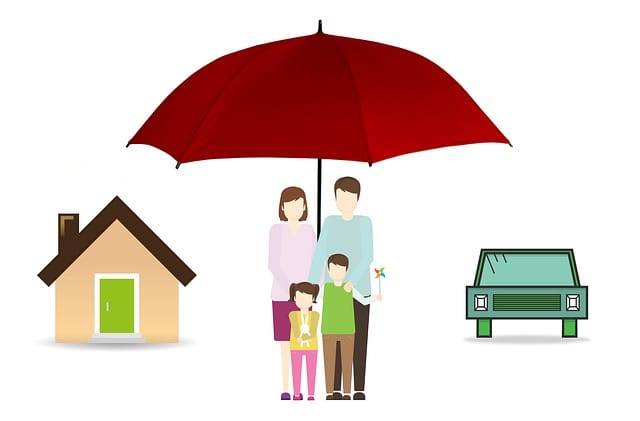
Underinsurance in auto liability coverage can leave drivers facing significant personal out-of-pocket costs when judgments exceed their car insurance coverage limits. These expenses, including medical bills, car repairs, and attorney fees, can accumulate rapidly. With 38.3% of drivers underinsured in states like Florida and over 20% uninsured, one auto accident can have severe financial consequences.
Asset Seizure
If your liability limits are inadequate, courts will put liens on homes, bank accounts, and cars to collect on the judgment. This strikes even when the accidents appear minor yet negligence is established.
Your house and savings are at stake from collection activity related to minimal coverage. For instance, a rear-ender causing $200,000 in damages is well beyond basic $50,000 limits, leaving personal assets at risk.
Key at-risk items are your main residence, retirement savings, and additional cars. Match higher limits, such as 100/300/50, or supplement with umbrella coverage to protect them. [1][4][6]
Wage Garnishment
Judges order wage garnishment when judgments exceed your policy cap, yanking money directly from paychecks. This begins immediately after the ruling.
Interest and fees pile on, extending payments into years. A $150,000 judgment could accumulate 10 percent interest per year, adding thousands.
Take-home pay drops, squeezing budgets for rent, food, and bills. Families experience this the most in high-cost regions.
Choose robust liability protection and umbrella policies to halt garnishment in its tracks. [4][6]
Future Earnings
Courts pursue future earnings if present assets are insufficient. This wrecks career income over decades.
Higher liability limits and excess insurance protect long-term earnings. A bad wreck can result in a $500,000 verdict, and low coverage puts you paying out of your paycheck for life.
Large verdicts put projects such as house purchases or college savings on hold. Project your earnings over a lifetime, say 2 million dollars over the next 30 years, and select coverage to shield it all.
Underinsurance jeopardizes financial ruin, so review requirements and increase coverage. [4][6]
Factors That Shape Your Premium
Your car insurance premium is a combination of individual, vehicle, and area risk factors, including auto liability coverage, which helps set realistic expectations and indicates where savings are possible.
Driving Record
A clean driving record is the most straightforward lever for lower rates in your auto insurance policy. Insurers review approximately three to five years of driving history and increase rates for DUIs, at-fault collisions, and frequent moving violations. Those surcharges diminish over time with continued safe driving, which is vital for maintaining low auto liability coverage costs.
Other variables that influence your premium include completing approved driver education or defensive driving courses, which can earn you discounts and importantly curb the reckless behaviors that fuel liability claims. Employers in high-risk industries, such as construction, often face higher liability coverage limits due to increased exposure.
Businesses with a large number of employees or high annual revenue pay more since exposure increases, necessitating comprehensive commercial auto insurance to protect against potential damages and ensure adequate coverage needs are met.
- Maintain speed limits and obey traffic laws.
- Avoid phone use and other distractions during driving.
- On employer policies that restrict business driving and route planning.
- Enroll in defensive-driving or safety refresher courses.
- Report claims promptly and cooperate to limit loss severity.
Vehicle Type
Your premium differs significantly by make, model and usage. A high-performance and luxury car is more expensive to insure since it has higher repair bills and gets stolen more often, whereas modest sedans with great safety ratings tend to garner the lowest rates.
Repair complexity and the use of advanced materials or ADAS (advanced driver-assist systems) escalate parts and labor costs, which has driven premiums higher across the market in recent years. Commercial-use vehicles, work trucks and vans made for deliveries or jobsite work have higher rates because of more miles and exposure.
Installing theft deterrents, dash cams, and safety devices can make you eligible for insurer discounts and lower your premium.
Coverage Limits
Increasing BI and PD limits drives up premium but lowers your personal exposure in a severe claim. CSL policies provide payout flexibility and can be economical if priced not far above split-limit alternatives.
Pick CSL when you want easier allocation between BI and PD. Plan an umbrella policy and meet the insurer’s underlying BI/PD minimums to keep umbrella premiums reasonable.
Coverage Tier | Typical Effect on Premium | Use case |
|---|---|---|
State minimums | Lowest cost, highest exposure | Urban drivers on tight budgets |
Mid-level (e.g., 250/500/100) | Moderate cost, better protection | Small-business drivers |
High/CSL (e.g., 1M CSL) | Maximum price, maximum coverage | High-net-worth or commercial fleets |
Your Location
Zip-code risk matters: areas with high claim frequency, crime, or severe weather face higher premiums owing to more frequent and costly payouts. Heavy urban traffic, high legal and medical costs, and lawsuit-happy tort states push rates upward, and states differ in terms of insurance law and minimums as well.
Natural disaster zones and areas with ballooning repair markets will drive premiums higher. Try to align your coverage and deductible selections to local risk. Higher deductibles may reduce premiums if you can foot the out-of-pocket expenses post-loss.
Beyond the Basics: Navigating Gray Areas
Normal personal auto insurance policies exclude business use, which can lead to gaps in liability coverage for liability claims. California’s history reveals that these problems hit hard since the 1929 financial responsibility law mandated car insurance coverage. Communities of color were routinely denied and suspended, receiving more than 1,300 citations a month, as in Escobedo v. State DMV, where a Latino driver lost his license without a hearing.
Business Use
Switch to a commercial auto policy if you use your car for work such as sales calls or client trips. Your personal policies do not cover here. Get endorsements or full commercial insurance to cover bigger risks.
Distinguish general business liability from auto liability. They both have your back. Auto is for road incidents and general covers on-site claims. [7]
Raised thresholds for business vehicles. Exposure increases with customer deliveries or job site runs, where losses may exceed typical $15,000 or $30,000 state minimums. Typical examples are sales reps on the road to appointments or contractors transporting equipment.
List vehicles deliberately to prevent gaps and see if you have owned auto symbols on your policy.
Rideshare Gaps
Personal coverage falls when you open the app, and platforms kick in later, creating no-coverage gaps. [4] Include a rideshare plug to occupy app-on, empty-seater moments. It bleeds over to the firm’s rule of thumb, which is pivotal in California when Latinos took on rate discrimination in East LA suits.
Check platform caps—usually $1 million once matched, but less leading up to. Upgrade your plan to compete or exceed for full coverage.
Period | Coverage Source |
|---|---|
App off | Personal auto policy |
App on, no match | Rideshare endorsement needed |
En route | Platform primary |
Passenger on board | Platform full liability[4] |
Delivery Services
My policies include no deliveries, not even food gigs. Your cookie-cutter policy won’t cover you if you damage packages. [1][6] Pick up commercial auto or a delivery endorsement. This includes gig work with increased mileage on dense routes. [2]
Increase caps for rush hour and taking chances on LA freeways. More turns lead to more crash chances. [4] Include rentals through bets. If you trade cars for deliveries, state them to avoid exclusions. Disclosure avoids claim denials.
Coverage Checklist
- Business? Sales trips, check out. Turn to commercial if yes.
- Rideshare? Confirm app-on endorsement; map periods.
- Delivery? Add endorsement for packages; verify rental coverage.
- History note: Test use against CA’s 1929 law. Communities faced bias, so validate now. [8]
Conclusion
Drive stress-free with strong public liability limits. Accidents occur. A quick ‘fender bender’ during rush hour can bring large bills for medical care, lost wages, and public property. In Los Angeles, in particular, they are just plain high. There is a low floor established by state law. Robust limits provide you with a greater margin. Many motorists select 100/300/100 to protect cash and home. To price it right, note miles, claim history, and car type. Check with a local agent about gray spots such as ride share, car pool, or work use. To keep cash stable, select a deductible you can pay that very day.
To act now, review your policy, bookmark your limits, and get a new quote from a licensed agent in your state today.
Frequently Asked Questions
What is automobile public liability insurance?
Car public liability insurance, a crucial part of your auto insurance policy, pays for bodily injury and property damage liability you cause to others in an at-fault accident.
Why do I need automobile public liability insurance?
Liability car insurance shields your assets from lawsuits, medical bills, and repairs if you’re to blame. Without this auto liability coverage, you risk personal bankruptcy from high claims.
What does automobile public liability insurance cover?
It covers others’ medical costs, vehicle repairs, and property damage liability, but does not include your car or injuries.
How much liability coverage is enough?
Aim for at least 100/300/50 limits: $100K per person bodily injury, $300K per accident, and $50K property damage liability coverage. Consider umbrella policies for additional coverage.
What happens if I’m underinsured?
You’ll pay them on your own for anything beyond the liability coverage limits, like medical bills, repairs, and lawsuits. This is where car insurance coverage can cost you a fortune.
What factors affect my liability insurance premiums?
Rates are influenced by your driving record, location, vehicle type, liability coverage limits, and credit score.
Does liability insurance cover legal fees?
Yes, it covers legal costs and compensation if you are sued for an auto accident where someone sustained injuries or property damage.