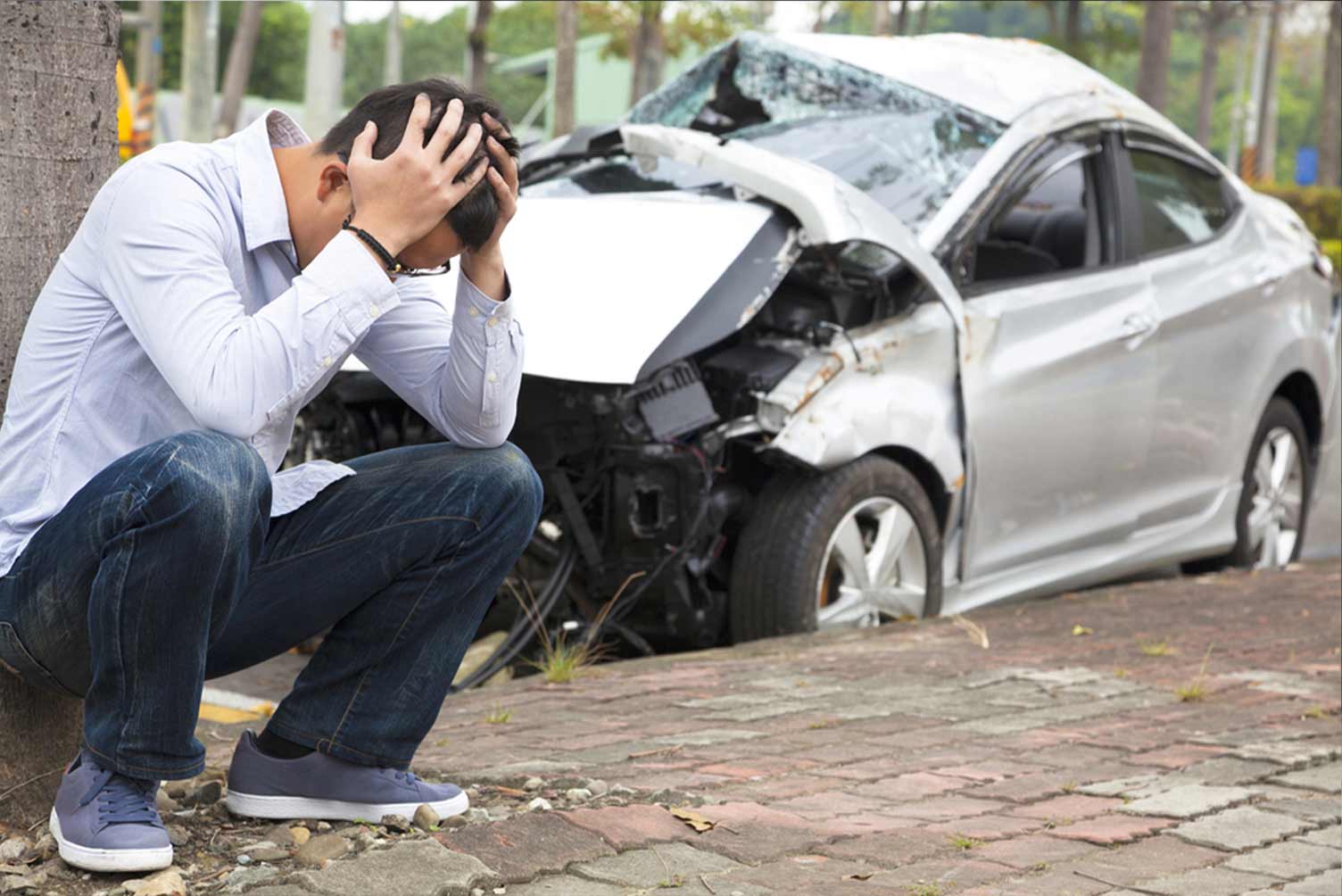
Getting into a car accident is stressful enough, but what if the other driver doesn’t have insurance? You might feel overwhelmed, worried about who will cover the damages, medical bills, or even your car repairs.
The good news is that there are clear steps you can take to protect yourself and your rights. You’ll discover exactly what to do if you get into a car accident with someone without insurance. By knowing what actions to take right away, you can avoid common mistakes and make sure you’re not left paying out of pocket.
Keep reading to learn how to stay calm, handle the situation, and get the support you need.
Check For Injuries
Checking for injuries is the first and most important step after a car accident. Your safety and the safety of others must come first. Injuries can sometimes be hidden or not obvious right away. Quick action can prevent further harm and save lives.
Even minor pain should be taken seriously. Some injuries may worsen without prompt treatment. Stay calm and look carefully at everyone involved. Help those who need immediate aid.
Assess Your Own Condition
Take a moment to check yourself for any pain or wounds. Move slowly and avoid sudden actions. Look for cuts, bruises, or broken bones. Notice if you feel dizzy or confused. These could be signs of serious injury.
Check On Other Passengers
Look around and see if others in your car are hurt. Ask simple questions like, “Are you okay?” Help anyone who cannot move or is bleeding. Do not move injured passengers unless there is danger.
Examine The Other Driver And Passengers
Carefully check the other car’s occupants. Ask if they feel pain or need help. Watch for signs of shock or unconsciousness. Call emergency services immediately if anyone is seriously injured.
Call Emergency Services
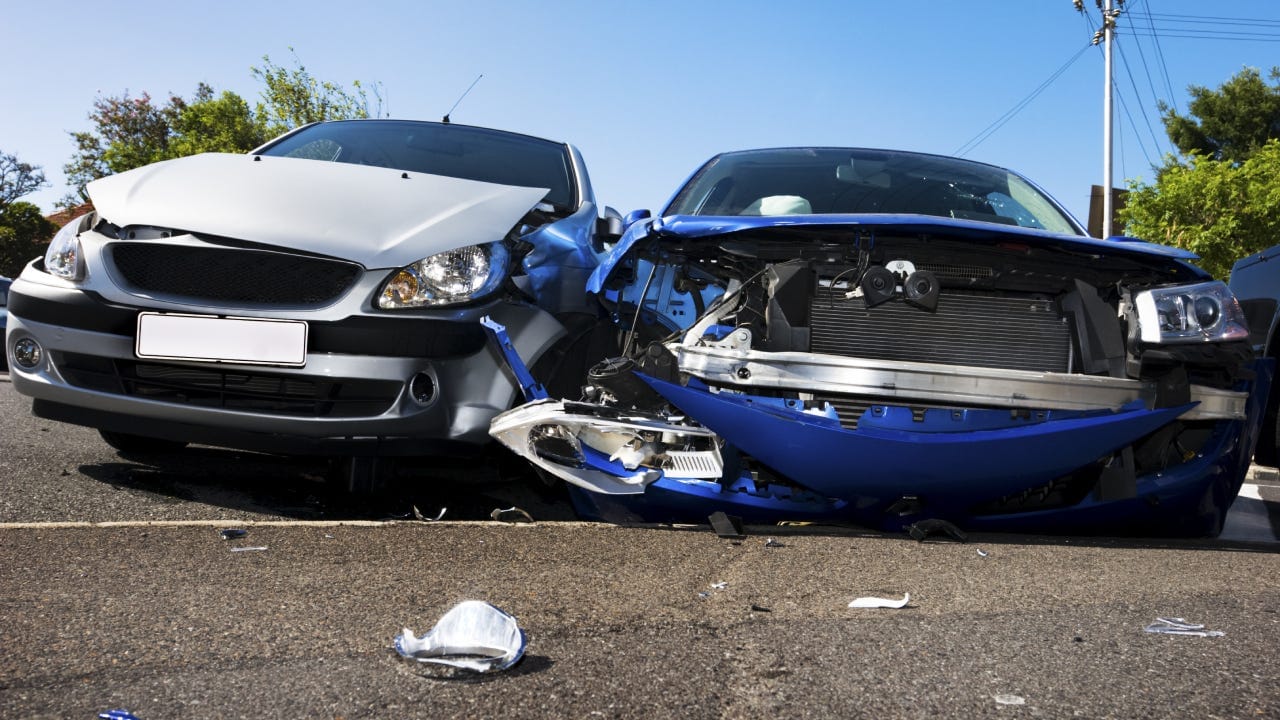
Dial 911 to report the accident and any injuries. Give clear details about the location and condition of those hurt. Follow the operator’s instructions until help arrives. Prompt medical help can save lives and protect your health.
Credit: www.bankrate.com
Call The Police
Calling the police after a car accident with an uninsured driver is crucial. The police report becomes an official record of the incident. It helps protect your rights and supports any future legal or insurance claims.
The police officer documents the scene, collects information, and files a report. This report serves as proof of what happened and who was involved. Without it, resolving disputes or filing claims becomes harder.
Call The Police Immediately
Dial emergency services right after the accident. Even if no one is injured, the police need to arrive. They ensure the scene is safe and gather important details.
Provide Accurate Information
Give the police your full name, contact details, and insurance information. Also, share details about the uninsured driver and their vehicle. Stay calm and answer all questions truthfully.
Wait For The Police To Arrive
Do not leave the accident scene before the police come. Leaving early can cause legal problems. Stay at the spot and wait for officers to take your statement.
Obtain A Copy Of The Police Report
Ask how to get a copy of the police report. This document is important for your insurance and any legal steps. Keep it safe and share it with your insurance company.
Exchange Information
Exchanging information after a car accident is crucial, especially when the other driver has no insurance. This step helps document the incident and supports any future claims or legal actions. Stay calm and focus on gathering clear, accurate details.
Driver Details
Get the full name of the other driver. Ask for their phone number and home address. Note their date of birth if possible. Confirm their driver’s license number. This information helps identify the person involved. Write down everything carefully. Avoid arguing or admitting fault.
Vehicle Information
Record the make, model, and color of the other vehicle. Note the license plate number. Check for any visible damage on their car. Take photos from different angles. This evidence supports your accident report. If the car is stolen or fake, report it to the police immediately.
Witness Contacts
Look for any witnesses nearby. Ask for their names and phone numbers. Witnesses can confirm the accident details. Their statements strengthen your case. Write their contact info down promptly. If possible, record short notes about what they saw.
Document The Scene
Documenting the scene is crucial after a car accident with an uninsured driver. This step helps protect your rights and supports any claims you may file. Gathering clear and detailed information can make a big difference in resolving the situation.
Take Photos
Use your phone or camera to take multiple photos of the accident scene. Capture wide shots to show the entire area and close-ups of specific details. Focus on vehicle positions, skid marks, road signs, and any visible injuries. Clear photos provide strong evidence for insurance or legal cases.
Write Notes
Write down everything you remember about the accident. Include the date, time, weather, and road conditions. Note the other driver’s behavior and any conversations you had. Record the names and contact information of witnesses. Notes help keep facts accurate and fresh in your memory.
Record Vehicle Damage
Check your car and the other vehicle for damage. Describe the type and location of all dents, scratches, and broken parts. Take photos of the damage from different angles. Detailed damage records support repair estimates and insurance claims.
Notify Your Insurance
Notifying your insurance company after a car accident is essential, especially if the other driver lacks insurance. Your insurer needs the facts to help manage your claim properly. Prompt notification can protect your rights and speed up the claims process.
Informing your insurance company also helps document the accident officially. This record can be useful if disputes arise later. It ensures your insurer can guide you on the next steps and coverage options.
Report The Accident
Contact your insurance company as soon as possible. Provide clear details about the accident, including time, place, and the other driver’s information. Share any photos or police reports you have. Honest and complete information helps your claim move smoothly.
Review Your Policy
Check your insurance policy carefully. Understand what coverage you have for accidents involving uninsured drivers. Knowing your policy limits and exclusions prepares you for what to expect. It helps avoid surprises during the claim process.
Uninsured Motorist Coverage
This coverage protects you if the other driver has no insurance. It can pay for damages to your car and medical bills. Confirm with your insurer whether you have this coverage. It can make a big difference after an accident with an uninsured driver.
File A Police Report
Filing a police report is an important step after a car accident, especially when the other driver has no insurance. The report creates an official record of the accident. This record can protect your rights and help with insurance claims or legal actions.
Police officers will document the details of the accident. They gather information from both drivers and any witnesses. This report includes facts like the accident location, time, and the damage caused.
Without a police report, proving the accident and the uninsured driver’s fault becomes difficult. Insurance companies often require this report to process claims. It also helps law enforcement track uninsured drivers.
Call The Police Immediately
Contact the police right after the accident. Even if the crash seems minor, wait for officers to arrive. They will assess the situation and start the report.
Provide Clear And Honest Information
Share accurate details with the police. Describe what happened without guessing or blaming. Give your contact and insurance information clearly.
Ask For A Copy Of The Report
Request a copy of the police report for your records. This document is useful for insurance claims and possible legal cases. Keep it in a safe place.
Seek Medical Attention
Seeking medical attention after a car accident is vital, especially if the other driver lacks insurance. Injuries may not be obvious right away. Prompt care protects your health and supports any future claims. Always prioritize your well-being above all else.
Immediate Care
Check yourself for injuries right after the crash. Call emergency services if needed. Go to the nearest hospital or urgent care center. Doctors can spot hidden injuries you might miss. Getting a medical report now helps document your condition clearly.
Follow-up Visits
Attend all scheduled medical appointments after the accident. Some injuries appear days later, like whiplash or concussions. Keep detailed records of treatments and symptoms. These documents strengthen your case when dealing with insurance or legal matters. Your health must come first throughout the recovery.
Consider Legal Help
Dealing with a car accident involving an uninsured driver can feel overwhelming. Legal issues often arise, making the situation more complex. Considering legal help can protect your rights and guide you through the process. A professional can explain your options clearly and help you avoid costly mistakes. Legal support may increase your chances of fair compensation and a smoother resolution.
Consult A Lawyer
Start by consulting a lawyer who specializes in car accidents. They understand local laws and insurance rules. A lawyer can review your case and advise on the best steps. They help gather evidence and communicate with insurance companies. This guidance can save time and reduce stress. Early legal advice helps protect your interests and avoid problems later.
Evaluate Lawsuit Options
After consulting a lawyer, evaluate if filing a lawsuit is practical. Lawsuits may recover damages from the uninsured driver. The lawyer will assess the driver’s assets and ability to pay. Sometimes legal action is necessary to get compensation for medical bills and damages. Your lawyer can explain risks, costs, and benefits of suing. This helps you make an informed decision about your next steps.
Explore Financial Recovery
Exploring financial recovery after a car accident with an uninsured driver is crucial. Without insurance, recovering costs can become complex. Knowing your options helps protect your finances and peace of mind.
This section covers key ways to seek compensation. Learn about insurance claims, uninsured motorist claims, and small claims court. Each path offers different chances to recover your losses.
Insurance Claims
Your own insurance policy may cover damages. Check if you have collision or comprehensive coverage. These policies can pay for repairs or medical bills.
Contact your insurer promptly to report the accident. Provide clear details and any evidence you have. This speeds up the claim process and helps avoid delays.
Uninsured Motorist Claims
Many insurance policies include uninsured motorist coverage. It protects you if the other driver lacks insurance. This coverage can pay for injuries and property damage.
Review your policy to understand the limits and requirements. Filing an uninsured motorist claim usually involves submitting proof of the accident and damages.
Small Claims Court
Small claims court offers a way to recover money without high legal fees. You can sue the uninsured driver for damages up to a certain limit.
Prepare all evidence, such as photos, repair bills, and medical records. Present your case clearly and calmly before the judge. This method can be effective if the driver has assets to pay.

Credit: careyandleisure.com
Prevent Future Risks
Preventing future risks after a car accident with an uninsured driver is crucial. Taking steps now can protect you from bigger problems later. Focus on understanding your coverage, knowing the law, and driving safely. These actions help reduce risks and keep you secure on the road.
Check Coverage Regularly
Review your car insurance policy often. Ensure it meets your needs and state requirements. Keep your coverage up to date. This protects you in case of accidents with uninsured drivers. Consider adding uninsured motorist coverage for extra safety.
Understand State Laws
Learn your state’s rules about uninsured drivers. Laws vary and affect your options after an accident. Knowing these laws helps you act quickly and correctly. It also guides you on reporting accidents and filing claims.
Use Safe Driving Practices
Drive carefully to lower accident chances. Follow traffic rules and stay alert. Avoid distractions and adjust to weather conditions. Safe driving protects you and others on the road. It reduces the risk of costly accidents with uninsured drivers.
Credit: www.crossenlawfirm.com
Frequently Asked Questions
What Happens When You Get In A Car Crash With No Insurance?
Getting in a car crash without insurance can lead to fines, license suspension, and vehicle impoundment. You must cover damages personally. Authorities may get involved, and legal consequences vary by state. Lawsuits against uninsured drivers are possible but recovery depends on their financial status.
What Happens If Someone Hits Me And They Are Not Insured?
If an uninsured driver hits you, contact your insurer immediately. They may advise reporting the incident to the police. You might need to use uninsured motorist coverage for damages. Legal action is possible but depends on the other driver’s ability to pay.
Is It Worth Suing Someone Without Car Insurance?
Suing an uninsured driver can be costly and may not guarantee compensation. Assess their assets before suing. Consider insurance claims or settlements first.
What Is The Penalty For No Insurance In Alabama?
In Alabama, driving without insurance can lead to fines, vehicle impoundment, higher insurance rates, and license suspension. Repeat offenses carry harsher penalties. The state uses an Online Insurance Verification System to enforce coverage requirements. Providing proof of insurance may dismiss the ticket.
Conclusion
Dealing with an accident involving an uninsured driver can feel overwhelming. Stay calm and gather all important information at the scene. Report the accident to the police and your insurance company quickly. Knowing your rights and options helps protect your interests.
Consider consulting a legal expert to understand your next steps. Taking action early increases your chances of a fair resolution. Remember, safety and clear communication matter most after a crash. Stay informed and handle the situation carefully to reduce stress and losses.