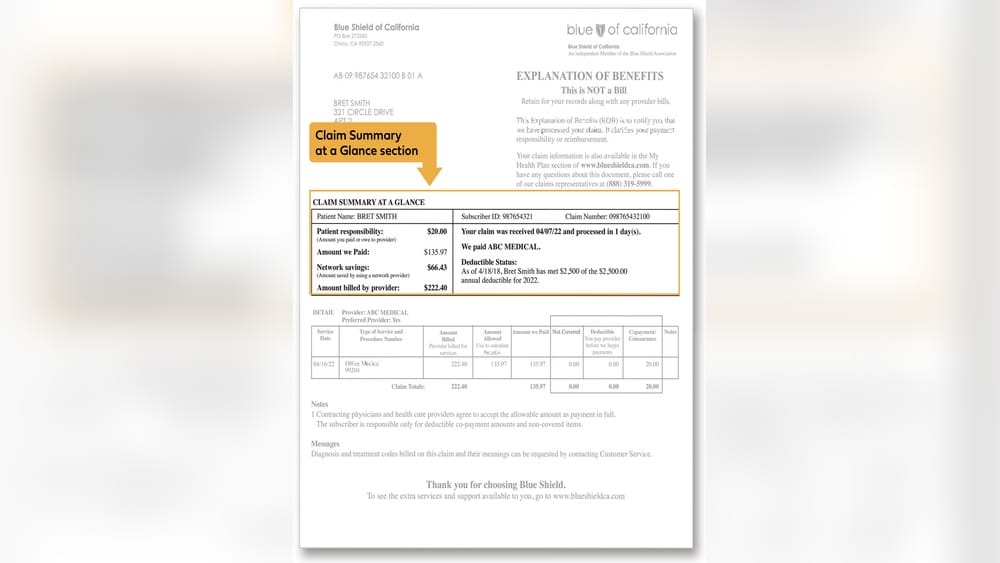
When you search for health care providers in California, you might expect to see clear information about whether they accept your Blue Cross Blue Shield insurance. Yet, it’s common to find their websites rarely mention it.
This can leave you confused and frustrated, wondering if your coverage will be accepted or if you’ll face unexpected bills. Why is this important? Because knowing upfront if your insurance is accepted can save you time, stress, and money. You’ll discover the reasons behind this puzzling silence on provider websites and what it means for you when choosing your next health care provider in California.
Keep reading to make smarter decisions for your health and wallet.

Credit: providernews.anthem.com
Bcbs Presence In California
Blue Cross Blue Shield (BCBS) has a strong presence in California. It operates through two main companies. These companies provide health insurance to millions of Californians. Yet, many healthcare provider websites rarely mention BCBS acceptance. This can confuse patients seeking in-network doctors and clinics.
Understanding the roles of BCBS companies helps explain this issue. Each company covers different regions and plans. Their networks and agreements vary, affecting provider listings and website mentions.
Anthem Blue Cross Role
Anthem Blue Cross serves much of California’s population. It offers a wide range of insurance plans. Anthem works with many doctors and hospitals statewide. However, its network is distinct from Blue Shield of California’s. Providers may list Anthem separately or omit BCBS as a group. This can lead to unclear information on provider websites.
Blue Shield Of California Role
Blue Shield of California operates independently from Anthem. It focuses on specific regions within the state. Blue Shield partners with many local providers and hospitals. Its network is different from Anthem’s. Many healthcare providers mention Blue Shield but not BCBS broadly. This limits patient awareness of BCBS coverage options.
Plan Types And Coverage
BCBS offers various plan types in California. These include PPO, HMO, and EPO plans. Each plan type has different coverage rules. Provider participation varies by plan and region. Many providers accept some BCBS plans but not all. This inconsistency may cause websites to avoid listing BCBS generally. Patients must check individual plans to confirm coverage.
Health Care Websites And Bcbs
Many health care provider websites in California rarely state they accept Blue Cross Blue Shield (BCBS). This can confuse patients trying to find coverage details. Understanding why BCBS is seldom mentioned helps patients navigate their options better.
Providers often have complex agreements with insurance companies. These agreements affect what information appears on their websites. The way BCBS works with providers and markets itself also plays a role.
Reasons For Limited Mentions
Health care providers want to keep their websites simple. Listing every insurance company can clutter the site. BCBS is one of many insurers, so it might not be highlighted.
Some providers accept BCBS only for certain plans or services. They avoid listing it broadly to prevent confusion. Patients may need to call or check directly for details.
Impact Of Provider Networks
BCBS operates through different networks in California. Not all providers belong to every BCBS network. Websites avoid false claims by not naming BCBS if they are not fully in-network.
Insurance plans often change networks yearly. Websites may lag behind in updates. This reduces mentions of BCBS to avoid misinformation.
Marketing And Branding Differences
BCBS companies vary by region and brand name. Some use local names instead of “Blue Cross Blue Shield.” Providers might mention those local names instead.
Marketing focuses on direct patient benefits rather than insurer names. Providers promote their services more than insurance partnerships. This approach keeps the message clear and focused.
Antitrust Lawsuits And Controversies
Antitrust lawsuits and controversies have significantly shaped the landscape of Blue Cross Blue Shield (BCBS) in California. These legal battles focus on claims that BCBS companies engaged in unfair business practices. Such issues affect how providers display their insurance affiliations online. The controversies reveal deeper conflicts between insurers, providers, and consumers.
Market Allocation Allegations
BCBS companies faced accusations of dividing markets illegally. They supposedly agreed not to compete in certain areas. This practice limits competition and controls which providers accept BCBS. The BlueCard program was a key example. It allegedly helped BCBS restrict provider options across states. These agreements hurt smaller providers and reduce choices for patients.
Price Fixing Claims
Lawsuits claimed BCBS companies fixed prices for services. They allegedly set reimbursement rates to underpay providers. This practice inflates costs for patients indirectly. When providers receive less, they may avoid listing BCBS on their websites. Price fixing restricts fair market pricing. It also limits transparency about accepted insurance plans.
Effects On Providers And Consumers
Providers face financial pressure from low reimbursement rates. Some avoid showing BCBS acceptance publicly to reduce patient confusion. Consumers suffer from fewer provider options and higher premiums. The lack of clear information makes it harder to find suitable care. Antitrust issues disrupt trust between patients, providers, and insurers.
Coverage Denials And Policy Issues
Coverage denials and policy issues play a major role in why many health care providers rarely mention they accept Blue Cross Blue Shield (BCBS). These denials affect both patients and providers. Understanding the reasons behind these denials helps explain the lack of clear information on provider websites. Policies set by insurers often limit what treatments are covered. This creates confusion for patients searching for care under BCBS plans.
Blue Cross Blue Shield uses strict rules to decide which treatments get approved. These rules sometimes clash with doctors’ recommendations. As a result, providers may hesitate to advertise their BCBS acceptance, fearing denied claims or payment delays.
Use Of External Guidelines
BCBS often relies on external medical guidelines to approve or deny coverage. These guidelines come from third-party groups like AIM Specialty Health. They review medical necessity and treatment standards. While helpful for consistency, these outside rules can be stricter than a doctor’s advice. This leads to many denials for treatments that doctors consider important. Providers worry about the extra paperwork and disputes caused by these guidelines. This discourages them from promoting BCBS acceptance openly.
Treatment Denials Examples
Common denials include advanced treatments like proton therapy for cancer. Many BCBS plans reject coverage for these newer methods. They argue that the treatments are experimental or lack enough proof. Another example involves mental health care, where insurers limit the number of therapy sessions. These denials cause frustration for patients and providers alike. Providers may avoid listing BCBS to prevent confusion and complaints.
Anesthesia Coverage Controversy
One notable BCBS issue involved anesthesia coverage. A plan proposed not paying for anesthesia if surgery lasted beyond set time limits. This sparked strong backlash from doctors and patients. Medical groups said the policy put patients at risk. Public pressure forced BCBS to reverse this rule. This controversy made providers cautious about advertising BCBS acceptance. They fear future policy changes could harm patients and their practice finances.
Consumer Impact
Many California health care provider sites omit mentioning Blue Cross Blue Shield acceptance. This lack of clarity can confuse patients trying to find in-network doctors. It often forces consumers to call or check separately, adding hassle to their search for care.
Consumers face real problems when health provider sites hide Blue Cross Blue Shield acceptance. It makes choosing a doctor harder and slows down care. Many people rely on BCBS insurance. Not seeing this info causes confusion and stress. This lack of clarity affects costs, provider relations, and public trust.
Premium Costs And Choices
Hidden BCBS acceptance can raise insurance costs. When providers limit BCBS patients, insurers pay more to fewer doctors. This drives up premiums for everyone. Consumers get fewer options for care. They might pay more or delay treatment. Clear info helps people pick better plans and doctors. Without it, costs rise and choices shrink.
Provider Payment Challenges
Doctors and hospitals face payment issues from BCBS contracts. Some sites avoid saying they accept BCBS due to low reimbursement rates. Providers struggle to cover costs with these payments. They might limit BCBS patients or leave the network. This reduces access for insured patients. Transparency would help patients and providers find common ground.
Public Backlash And Policy Reversals
Consumers often react strongly when BCBS practices limit care or raise costs. Public complaints have led to policy changes and reversals. For example, BCBS dropped plans that cut anesthesia coverage after protests. When consumers speak up, companies adjust. Clear website info can prevent backlash by setting honest expectations early.
Credit: www.healthforcalifornia.com
Bluecard Program And Network Links
The BlueCard Program and Network Links play a key role in how Blue Cross Blue Shield (BCBS) operates across states. Many health care providers in California may not clearly state they accept BCBS because the program connects local plans to a national system. This setup allows members to use their insurance outside their home state without changing plans.
Understanding the BlueCard Program helps explain why some provider websites lack direct mentions of BCBS acceptance. The program works behind the scenes, linking different BCBS companies and networks. This connection creates a large, shared network rather than isolated local plans. Providers may rely on this network link instead of listing BCBS explicitly.
How Bluecard Works
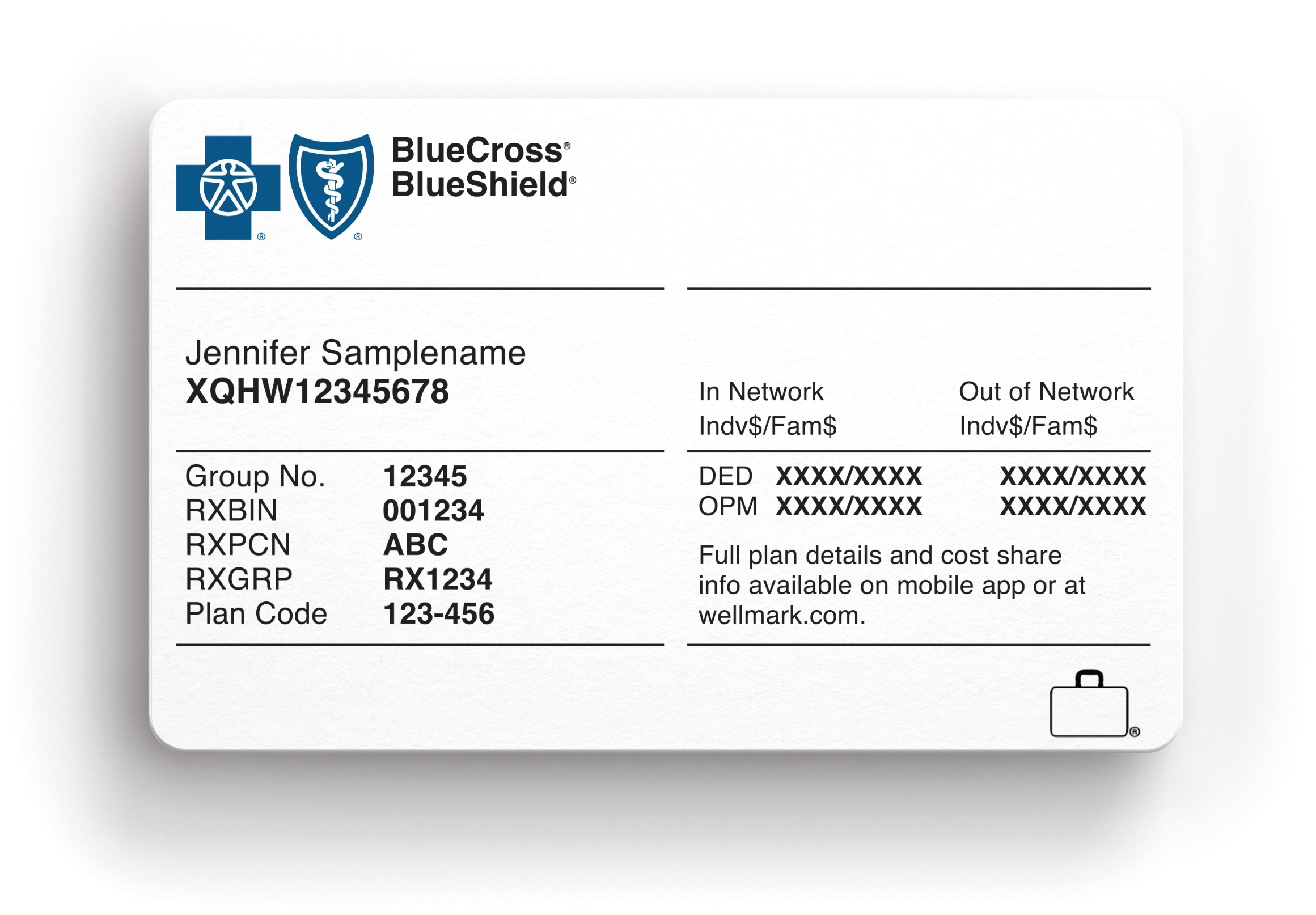
The BlueCard Program allows BCBS members to get care while traveling or living in other states. When a member visits a provider outside their home state, the local BCBS plan handles claims and payments. The member uses their regular ID card, and providers bill the local BCBS plan. This simplifies the process for both members and providers.
The program creates a seamless experience by connecting multiple BCBS plans. Providers do not need to join every BCBS plan separately. Instead, they connect to their local BCBS plan, which links to the national BlueCard network.
National And International Coverage
BlueCard extends beyond state lines within the US. It also offers international coverage through partnerships with global networks. Members can receive care when traveling abroad by using their BCBS membership card. The program coordinates with international providers and insurers to manage coverage.
This wide network reduces confusion for patients who move or travel often. Providers outside California may not list BCBS specifically because they serve many BCBS plans through the BlueCard network. The program’s broad reach supports access to care almost anywhere.
Reimbursement And Claims Processing
Providers bill the local BCBS plan for services given to BlueCard members. The local plan processes claims and pays the provider according to its rules. Then, the local plan settles costs with the member’s home plan. This system avoids complex billing between multiple BCBS companies.
Because claims are processed locally, providers see BCBS as a single network. This reduces paperwork and speeds payments. It also means providers may not highlight BCBS acceptance since it is assumed through their connection to the local BCBS plan.
Future Outlook
The future of health care provider websites and their transparency about accepting Blue Cross Blue Shield (BCBS) looks uncertain but promising. Changes in legal, regulatory, and industry practices may shape clearer communication for patients. The evolving landscape aims to reduce confusion and improve access to coverage information.
Several factors will influence how quickly and effectively these changes occur. Patients and providers both await improvements in the ease of finding accurate insurance acceptance details online.
Ongoing Litigation Effects
Current lawsuits against BCBS impact how providers share insurance details. Courts may require more openness about accepted plans. Providers might face stricter rules on website disclosures. These legal pressures encourage clearer and more honest communication.
Litigation outcomes could set new standards for transparency. This could force providers to list accepted insurers, including BCBS, more often. Patients would benefit from better information before making appointments.
Changes In Provider Transparency
Providers may soon adopt better transparency practices voluntarily or by law. Clear statements about insurance acceptance could become standard on websites. This change helps patients understand coverage options quickly. It reduces the need for phone calls or guesswork.
Technology tools may assist in updating insurance information regularly. Accuracy on websites will improve trust between patients and providers. Transparency fosters easier access to necessary health services.
Potential Reforms In Coverage
Policymakers consider reforms to make health insurance coverage more straightforward. These reforms might include rules for clear communication about accepted plans. Insurers like BCBS may face new mandates to collaborate with providers. This can create smoother patient experiences and reduce confusion.
Reforms could also address anti-competitive practices affecting coverage options. Better policies will support fair pricing and wider access. Patients will gain clearer choices about their health care providers and insurance use.
Credit: www.wellmark.com
Frequently Asked Questions
What Is The Blue Cross Blue Shield Controversy?
The Blue Cross Blue Shield controversy involves antitrust lawsuits alleging price-fixing and market division. These led to settlements over inflated premiums and underpaid providers. Other issues include denying necessary care, misleading marketing, and disputed coverage policies, some of which were reversed after public backlash.
Does Blue Cross Blue Shield Work In California?
Blue Cross Blue Shield operates in California through Blue Shield of California. It offers local and nationwide coverage with extensive provider networks. Members can use BlueCard for care outside California, ensuring seamless access to healthcare services within and beyond the state.
What Is Blue Cross Blue Shield Called In California?
In California, Blue Cross Blue Shield operates as Anthem Blue Cross and Blue Shield of California. These companies provide health insurance under the BCBS brand.
Is Blue Cross Blue Shield Accepted Everywhere?
Blue Cross Blue Shield is widely accepted across the U. S. , but not at every provider or location. Coverage varies by network and region. Always verify with your healthcare provider before appointments to ensure they accept your specific BCBS plan.
Conclusion
Many health providers avoid listing Blue Cross Blue Shield openly. They worry about confusing patients with complex insurance rules. Some prefer direct calls to confirm coverage details instead. Lawsuits and market issues make providers cautious to advertise BCBS acceptance. This can leave patients uncertain about their insurance options.
Checking with the provider or insurer directly often helps. Understanding these reasons can ease frustration during your search. Keep asking questions to find the best care for your plan.