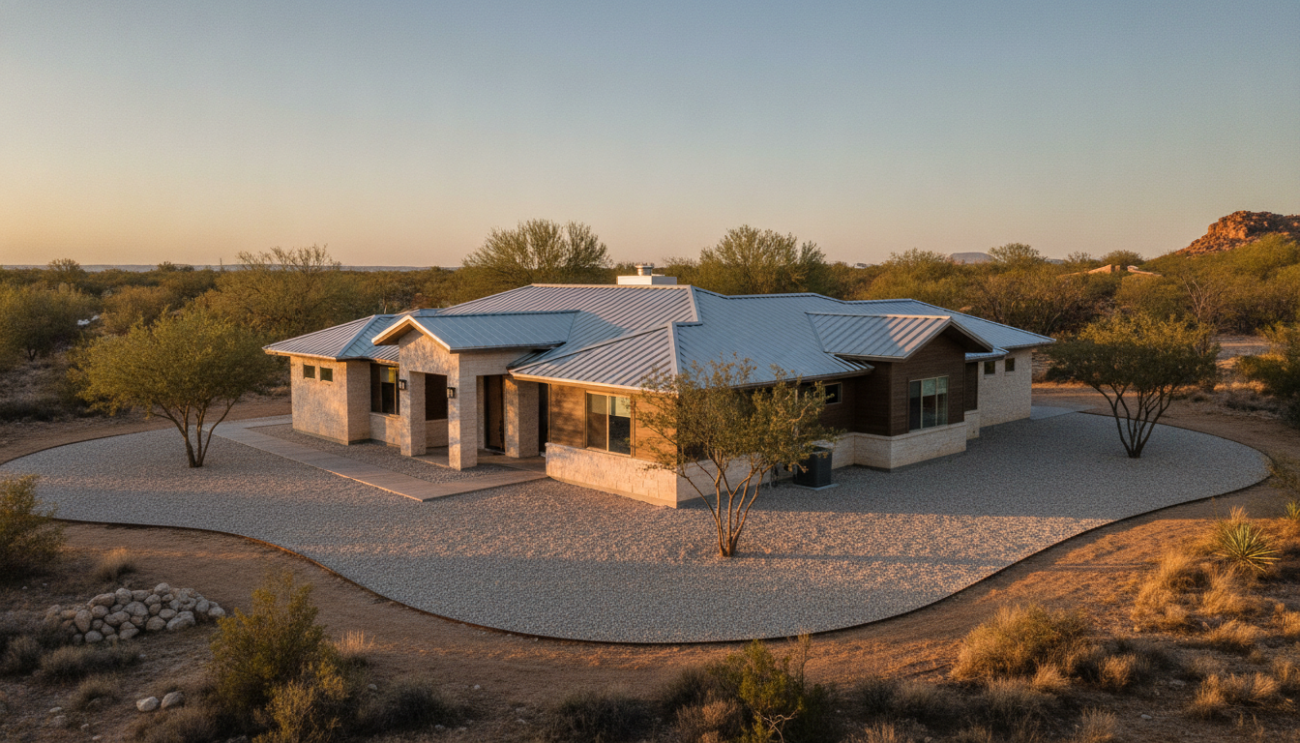
Making your house safer from wildfire may also lower your insurance bill, but a safer yard does not always mean a cheaper entire policy. Wildfire mitigation insurance discounts depend on where you live, what your insurer recognizes, and the proof you submit. Before spending thousands on upgrades, find out which improvements count and how the discount is calculated.
This guide walks through the common qualifying actions, California’s Safer from Wildfires framework, the documents to gather, and a simple way to compare your costs with potential savings. It is for homeowners weighing practical fire protection and insurance value, not a promise that any single upgrade will guarantee coverage.
What are wildfire mitigation insurance discounts?
Wildfire mitigation insurance discounts are reductions an insurer may apply when a home or community meets recognized fire-risk reduction standards. Qualifying steps may include a fire-rated roof, ember-resistant vents, a cleared five-foot perimeter, defensible space, or a recognized community program. The amount and eligibility vary by insurer, state, policy, and documented work.
That direct answer comes with an important distinction: a percentage discount may apply only to the wildfire portion of a premium, not to the full homeowners bill. An insurer may also price several risk factors at once. Ask for the dollar change on the full annual quote rather than relying on an advertised percentage.
Which home hardening improvements can qualify?
California’s Department of Insurance Safer from Wildfires guidance identifies ten actions spanning the structure, its surroundings, and the community. Its framework is a useful checklist, but qualification outside California follows different rules. Confirm the applicable standards with your own carrier before ordering work.
Protect the structure from embers
- Use a Class A fire-rated roof. A label or material specification is more useful to the insurer than the broad phrase “new roof.” California notes that wood shake is not a Class A material.
- Upgrade vents. Appropriate ember- and fire-resistant vents or noncombustible metal screening can limit a route for wind-driven embers. Ask a qualified installer which assembly meets local rules.
- Address eaves, wall bases, and windows. Enclosed eaves, noncombustible material near the bottom of exterior walls, and multipane windows or shutters may count under the California framework.
These changes can be expensive. If your roof is due for replacement anyway, ask about approved materials and required documentation before signing the roofing contract. A roof built for wildfire resistance is not the same thing as a wind-certified roof. Our FORTIFIED roof insurance discount guide explains the separate wind-focused designation process.
Create defensible space around the home
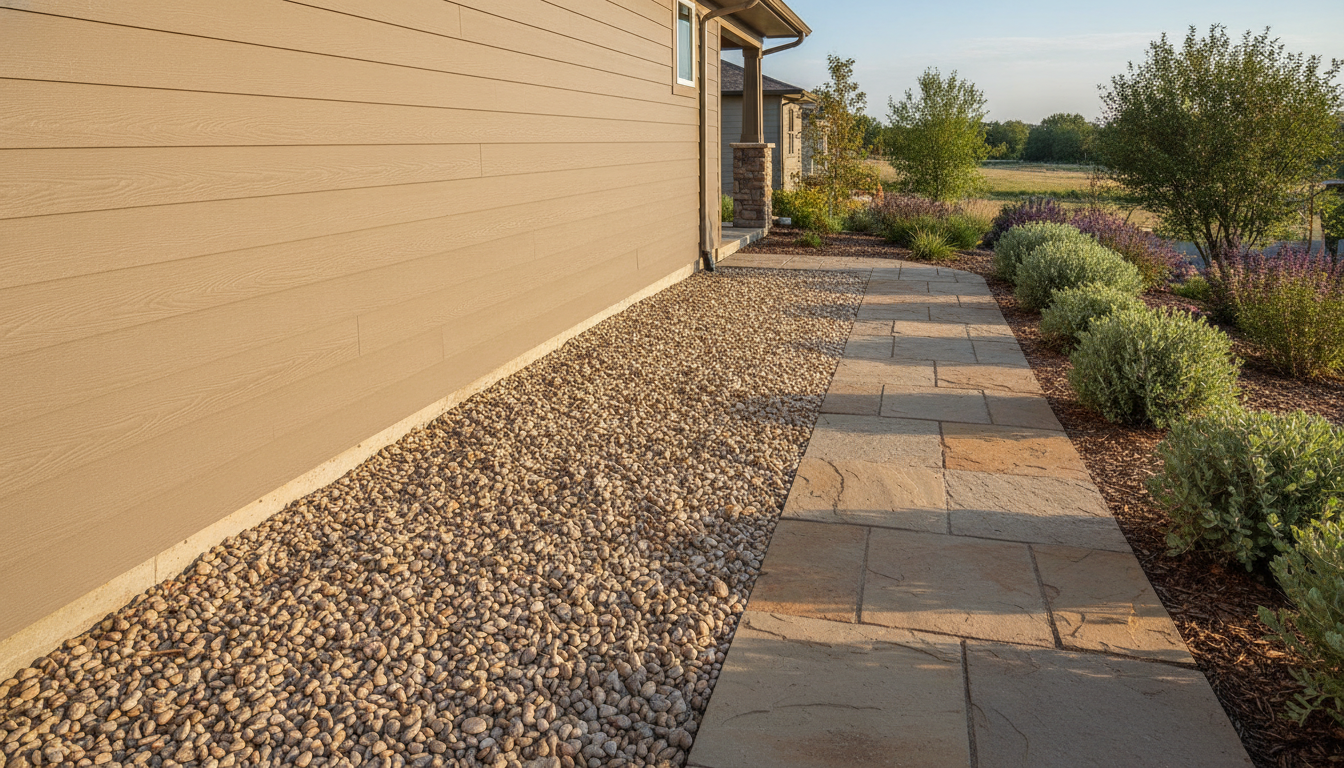
Keep the first five feet next to the house free of flammable plants, wood mulch, and other easy-to-ignite items when required by the program. California’s guidance also flags wood fencing connected to a home, combustible storage under decks, nearby sheds, and vegetation farther out. Rules for setbacks and defensible space can depend on your location and property.
The Insurance Institute for Business & Home Safety (IBHS) Wildfire Prepared Home program offers a separate science-based pathway to making a home more resistant to wildfire. A designation or inspection can make improvements easier to document, but do not assume that every insurer accepts the same certificate or offers the same credit for it.
For the practical construction side of this work, see our home hardening guide for wildfire risk. Here, the focus is on turning completed work into a verified insurance quote.
Ask whether your community qualifies
Some discount frameworks also recognize community-wide efforts. California’s Safer from Wildfires program includes recognized Firewise USA sites and Fire Risk Reduction Communities among its listed actions. A community designation does not replace improvements at your own house, and availability depends on your location and insurer.
Ask your agent whether your address falls inside a recognized area and what record proves it. If your neighborhood is working toward a designation, ask whether the credit begins only after formal recognition. Do not count projected savings before the carrier confirms eligibility.
How California’s Safer from Wildfires discounts work
California’s program says its listed actions can qualify homeowners for insurance discounts, with more actions offering more opportunities to save. The ten steps include structure upgrades, the five-foot ember-resistant zone, wider defensible-space compliance, and recognized community action. This is a California-specific regulatory framework, not a national rate card.
The headline percentage is not enough to judge value. Imagine an annual homeowners premium of $2,400, with a hypothetical $800 portion attributed to wildfire risk. A hypothetical 10% reduction on that portion would be $80 a year, not $240. This is an illustration only: the actual premium components and discount formula must come from your insurer’s written quote.
Even if improvements qualify, a renewal bill can still rise because rebuilding costs, broader claims trends, or other rating factors changed. Compare a quote with and without the documented credit at the same coverage limits and deductibles. If one quote changes the deductible, the numbers are not directly comparable. Our wind and hail deductible explainer shows why a lower annual premium can come with a larger claim cost.
How to claim a defensible space insurance discount
- Request the carrier’s checklist. Ask your agent which wildfire mitigation insurance discounts are offered for your ZIP code and policy form. Get the qualifying standard, required proof, effective date, and whether inspections are necessary in writing.
- Document conditions before and after work. Take date-stamped photos of the roof, vents, fence, decks, five-foot zone, and wider vegetation. Keep contractor invoices, product labels, permits, and inspection or designation records.
- Submit evidence through the insurer’s process. A contractor’s verbal assurance is not an insurance approval. Ask whether the carrier needs its own inspection, a completed form, or a specific certificate.
- Read the revised declarations and quote. Confirm the actual annual dollar savings, its start date, and whether the credit is applied to the wildfire component or another part of the rate.
- Maintain the work. Vegetation grows back, leaves collect under decks, and later renovations can change a home’s status. Ask whether reinspection or annual proof is required.
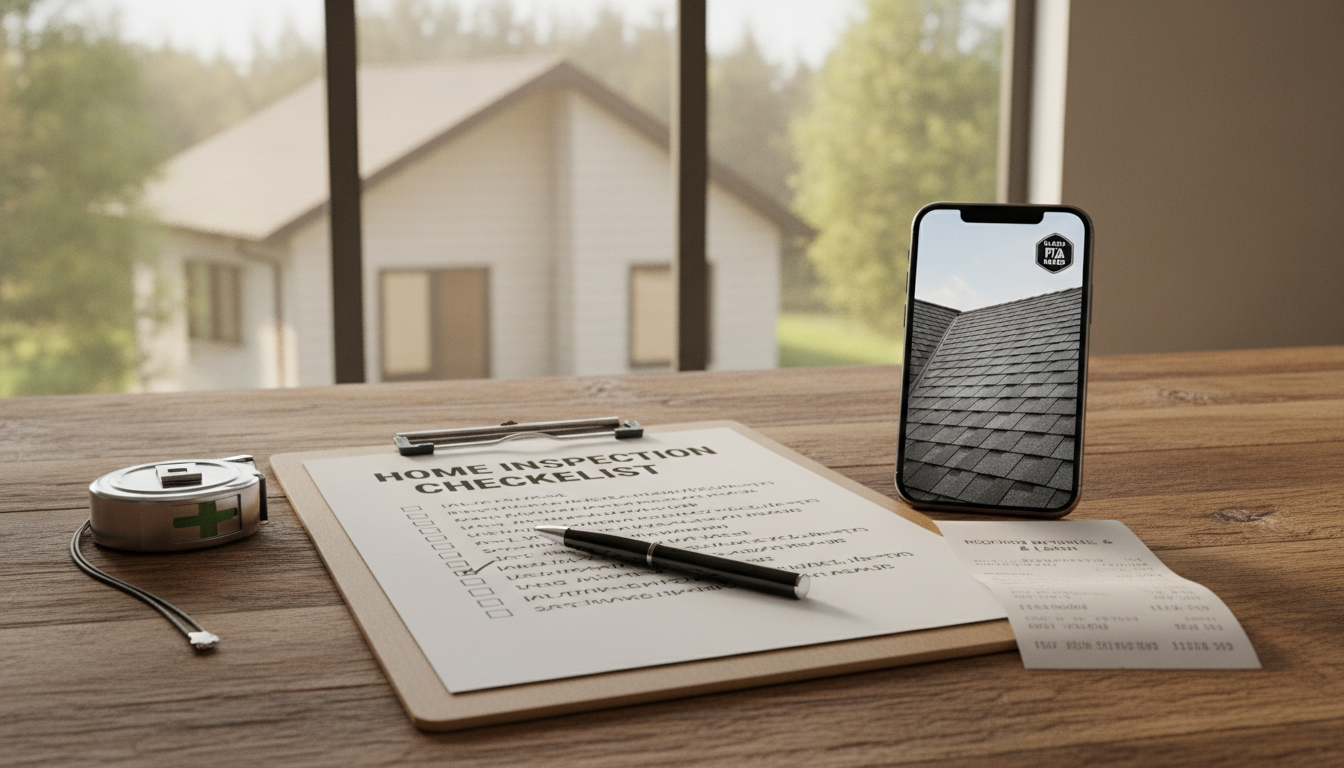
A simple email can prevent confusion: “Which completed mitigation items qualify on my policy, what documents do you need, and what will the total annual premium be after any credits?” Keep the reply with your policy records. For another example of how inspections turn physical improvements into proof for insurers, read our Florida wind mitigation inspection guide. Its rules are different from wildfire rules, but the documentation lesson is similar.
Is the home hardening insurance discount worth the cost?
Start with the net project cost, not the sticker price. Suppose a homeowner replaces combustible mulch with gravel for $900 and gets a confirmed $45 annual premium reduction. At a constant rate, the simple payback would be 20 years ($900 divided by $45). A $4,000 upgrade for the same credit would take much longer. These are hypothetical examples, not expected rates or savings.
Insurance savings are only one benefit. An upgrade might also reduce the chance of ignition or make the property easier to maintain. But a discount cannot guarantee that an insurer will renew your policy, and a qualifying action cannot repair every hazard. If coverage availability is your main concern, ask the carrier what specific risk caused a refusal or condition of coverage before paying for a different improvement.
Compare at least two insurers using the same dwelling limit, deductible, and coverage form. One may recognize a community program, while another may need a specific inspection. Do not replace a serviceable roof solely for a small projected discount unless the wider safety, maintenance, and insurance picture supports the expense. Keep separate estimates for required repairs, optional upgrades, and ongoing upkeep.
Questions to ask before paying for upgrades
- Which individual actions qualify on my exact policy, and can they be combined?
- Does the percentage apply to the whole premium or only a wildfire-related portion?
- Must work be inspected, certified, or completed by an approved contractor?
- When does the credit begin, and how long does approval remain valid?
- Will mitigation change eligibility, deductible, or coverage terms as well as price?
Answers can differ even between neighbors. Property details, policy forms, and carrier filings matter. Treat any online savings figure as a prompt to request a written quote, not a guarantee.
Frequently asked questions
Do all insurers offer wildfire mitigation insurance discounts?
No. Availability and qualifying standards vary by carrier and state. California has a specific Safer from Wildfires framework, but you still need your own insurer’s checklist and written estimate for your policy.
Does clearing brush automatically lower my home insurance?
Not automatically. Defensible-space work may qualify where an insurer recognizes it, but the carrier may require photos, an inspection, or proof of compliance. Maintenance matters because regrowth can change the condition of your property.
Is a Class A roof enough to get a wildfire discount?
It may qualify as one action in a particular program, but a roof alone does not guarantee a lower total premium or continued coverage. Ask whether the insurer needs proof of rating, installation records, or additional steps around the home.
Can an IBHS Wildfire Prepared Home designation reduce my premium?
It can help demonstrate verified mitigation, but whether it earns a credit depends on the insurer and jurisdiction. Confirm acceptance, any designation level required, and the resulting dollar savings before applying.
Next step: photograph your home’s current roof and first five feet, then ask your agent for a written mitigation checklist and a revised quote. Share a question in the comments about a requirement that surprised you, and compare the answer against your policy documents before starting work.