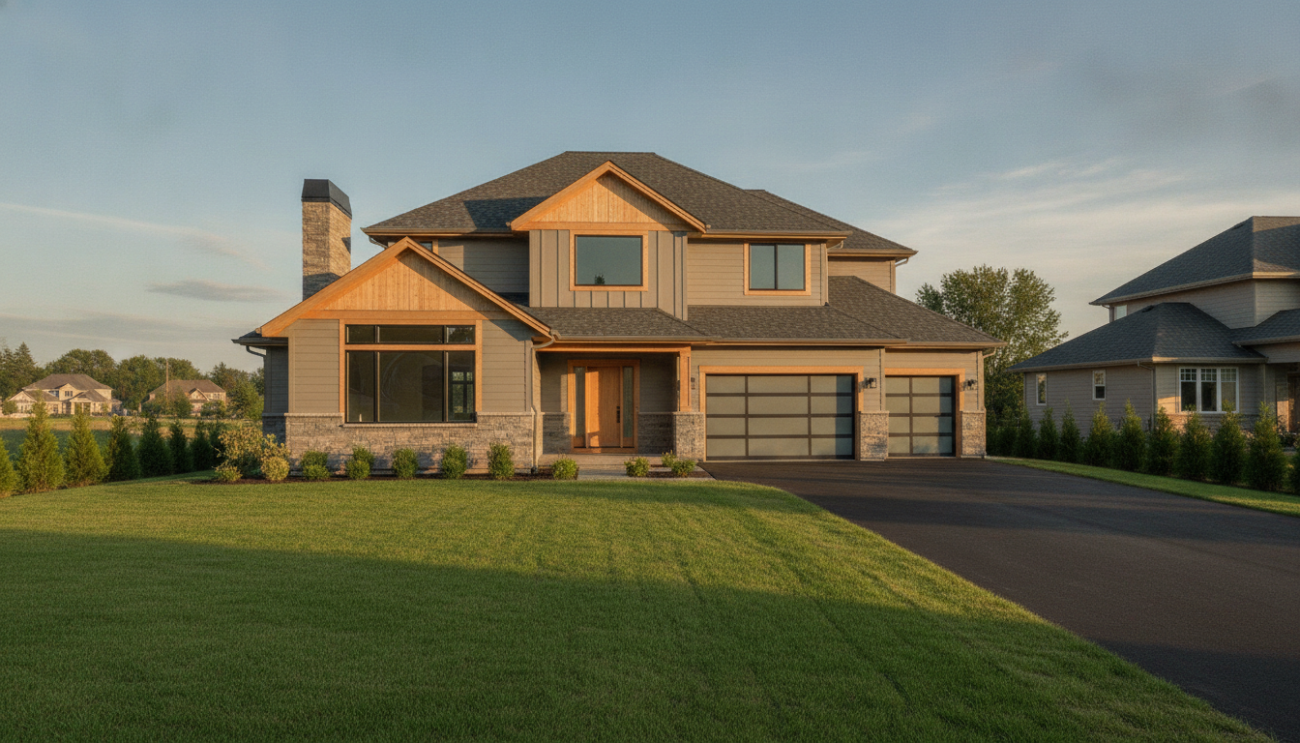
When a catastrophic fire, tornado, or severe windstorm destroys a home, most homeowners assume their policy limit pays whatever it takes to rebuild. Unfortunately, post-disaster inflation, local labor shortages, and rising material prices often push reconstruction bills tens of thousands of dollars above standard policy caps. In this comprehensive guide, you will learn how extended replacement cost coverage works, how much an endorsement costs in 2026, how 25% and 50% buffers protect your home, and how to verify your dwelling coverage limits before disaster strikes.
Quick Answer: What Is Extended Replacement Cost Coverage?
Extended replacement cost coverage is an optional homeowners insurance endorsement that pays beyond your policy dwelling limit (Coverage A) if rebuilding expenses exceed expectations after a total loss. Typically offering an extra 25% or 50% buffer, it protects against post-disaster labor shortages, material spikes, and localized rebuilding cost surges.
What Is Extended Replacement Cost Coverage and How Does It Work?
Every standard homeowners insurance policy (such as an HO-3 or HO-5 policy) includes Coverage A (Dwelling Coverage). This dollar figure represents the estimated cost to rebuild your home from the foundation up using similar materials and quality. Insurers calculate this figure using specialized replacement cost software when you first purchase your policy.
However, that estimated baseline remains static unless adjusted for regular inflation. When a regional catastrophe strikes (such as a wildfire sweeping through a subdivision or a hurricane devastating coastal counties), hundreds of homes require simultaneous reconstruction. This sudden spike in demand triggers a sharp increase in the price of lumber, drywall, roofing, electrical components, and licensed trade labor. In insurance terms, this phenomenon is called a rebuilding cost surge.
If your dwelling limit is $400,000 but the surge pushes your actual rebuilding costs to $480,000, a basic policy leaves you with an $80,000 deficit that you must pay out of pocket. Adding an extended replacement cost endorsement provides a safety cushion. If you carry a 25% extension, your insurer provides up to an extra $100,000 (25% of $400,000), expanding your total available rebuilding pool to $500,000.
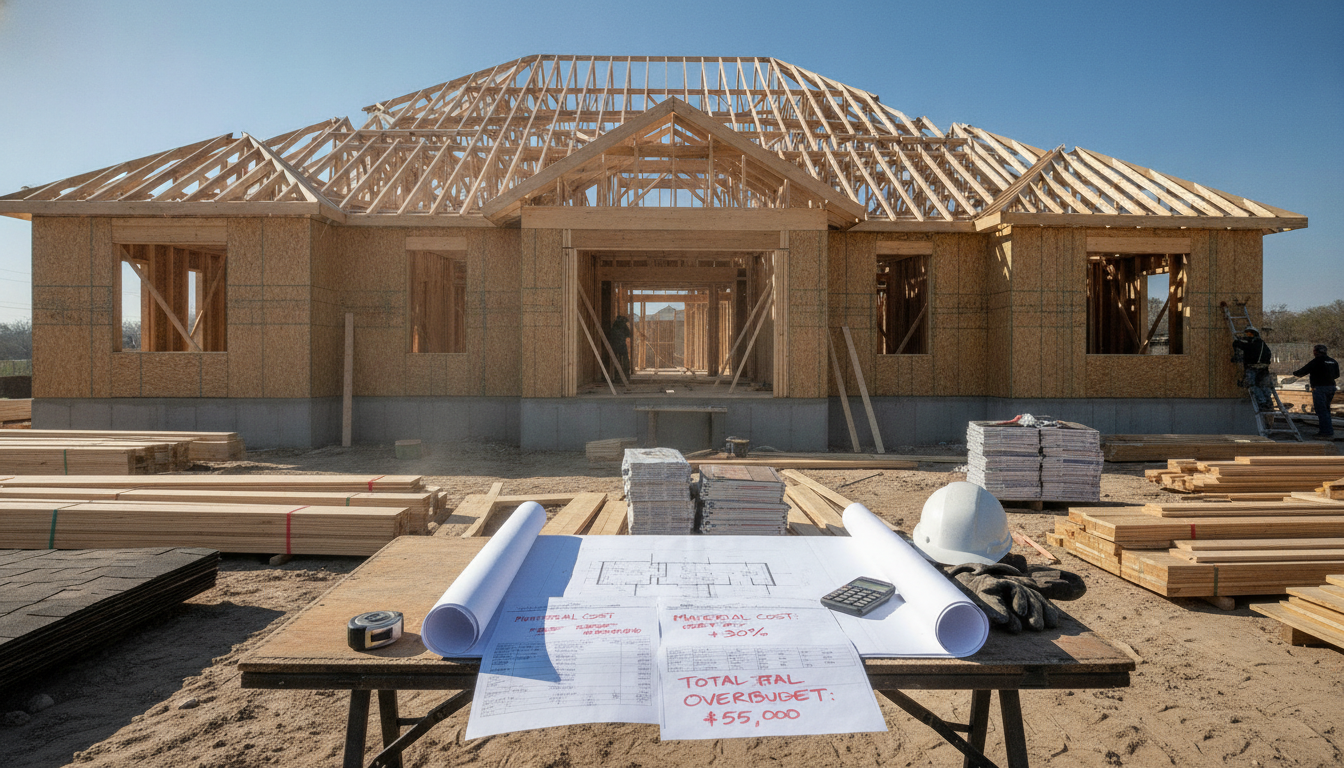
Material inflation and licensed contractor demand can rapidly exceed baseline dwelling coverage limits after major disasters.
Valuation Methods: Actual Cash Value vs. Replacement Cost vs. Extended Coverage
To appreciate the value of extended dwelling coverage, consider the primary property valuation methods used across the insurance industry:
- Actual Cash Value (ACV): Pays replacement cost minus depreciation for age, wear, and tear. ACV leaves homeowners with substantial out-of-pocket expenses when rebuilding.
- Standard Replacement Cost: Pays the cost to repair or replace the damaged structure with materials of like kind and quality at current market prices, without depreciation. Payouts are strictly capped at your policy dwelling limit.
- Extended Replacement Cost: Pays full replacement cost up to a defined percentage above your stated dwelling limit (most commonly 10%, 25%, or 50% extra). It offers a critical buffer when market pressures drive construction quotes beyond your standard cap.
- Guaranteed Replacement Cost: Pays the full cost to rebuild your home regardless of the final price tag, with no percentage ceiling. While ideal, fewer carriers offer this option today due to escalating climate risks.
How Much Extended Replacement Cost Coverage Do You Need? (25% vs. 50%)
Most major property carriers offer two primary endorsement tiers: a 25% extension or a 50% extension. Deciding between these two levels depends on several key risk factors:
When a 25% Cushion Is Sufficient
A 25% extended dwelling buffer is generally adequate for homeowners living in regions with stable labor markets, moderate property values, and low exposure to severe natural disasters. If your home has a dwelling limit of $350,000, a 25% endorsement adds $87,500 in emergency rebuilding funds, raising your total coverage to $437,500.
When You Need a 50% Cushion
A 50% buffer is strongly advised for homeowners facing higher risk profiles, including:
- Properties in wildfire zones, hurricane corridors, or severe tornado tracks where regional disasters trigger severe material shortages.
- Custom homes featuring architectural timber, imported masonry, high-end millwork, or specialized mechanical systems.
- Older homes with vintage craftmanship where skilled restoration trades command premium hourly rates.
- Remote or rural properties where transporting building crews and materials involves high logistical premiums.
According to data from the Insurance Information Institute, nearly two out of every three homes across the United States are underinsured for a total loss scenario. A 50% extension bridges that dangerous gap.

Reviewing detailed contractor estimates with an insurance adjuster ensures your dwelling buffer pays appropriate claims.
Real-World Rebuilding Scenario: Baseline vs. Extended vs. Guaranteed
Suppose a severe structure fire causes a total loss on a suburban home with a stated dwelling limit of $500,000. Due to a post-disaster surge in regional lumber and labor costs, the actual contractor estimate to rebuild totals $675,000.
| Coverage Type | Dwelling Limit | Buffer Added | Max Payout | Out-of-Pocket Deficit |
|---|---|---|---|---|
| Standard Policy (No Endorsement) | $500,000 | $0 | $500,000 | $175,000 Deficit |
| Extended 25% Buffer | $500,000 | $125,000 | $625,000 | $50,000 Deficit |
| Extended 50% Buffer | $500,000 | $250,000 | $750,000 | $0 (Fully Covered) |
| Guaranteed Replacement Cost | $500,000 | No Cap | $675,000 | $0 (Fully Covered) |
In this scenario, an unendorsed policy forces the family to borrow $175,000 or downsize their home. A 50% extended replacement endorsement covers the entire reconstruction project without depleting family savings.
What Does Extended Replacement Cost Coverage Cost in 2026?
Extended replacement cost coverage is one of the most affordable home insurance endorsements available today.
In 2026, adding an extended replacement cost endorsement typically costs between $25 and $60 per year for a 25% buffer, and between $50 and $120 per year for a 50% buffer. This translates to an accessible investment of roughly $3 to $10 per month.
The premium for extended dwelling protection depends on several primary rating elements:
- Baseline Dwelling Limit: A $700,000 dwelling limit requires a slightly higher endorsement premium than a $300,000 property.
- Geographic Disaster Exposure: Rates are slightly higher in hurricane-prone coastal regions or wildfire interfaces where post-disaster demand surges happen frequently.
- Insurer Guidelines: Some insurers automatically bundle a 10% or 20% extension into premier policies, while others offer 25% and 50% endorsements as standalone add-ons.
How Extended Dwelling Coverage Pairs with Other Key Endorsements
Extended replacement cost coverage protects the physical structure against unexpected price surges. However, comprehensive property security requires combining this endorsement with other essential policy riders:
- Building Code Upgrades: If local building ordinances mandate modern wiring, fire sprinklers, or hurricane straps during reconstruction, standard dwelling coverage will not pay for the code compliance difference. Pairing extended replacement coverage with ordinance or law coverage guarantees both material surges and modern code requirements are funded.
- Mechanical System Breakdown: While extended dwelling limits rebuild your walls and roof, interior mechanical failures need dedicated equipment breakdown coverage to repair smart heat pumps and electrical panels.
- Underground Utility Protection: If water or power supply pipes rupture outside your foundation wall, buried utility service line coverage covers excavation and pipe replacement costs.
- Plumbing and Sewer Backups: Severe storms that damage roofs often overwhelm municipal storm systems. Ensuring your policy includes a dedicated water backup coverage endorsement keeps finished basements and interior floors protected.
Common Limitations and Policy Exclusions to Watch For
While extended replacement cost coverage provides exceptional peace of mind, it is crucial to understand what the endorsement does not do. State regulators through the National Association of Insurance Commissioners encourage policyholders to review their declarations page for specific contract conditions:
- You Must Insure to 100% of Estimated Replacement Value: Most carriers include an insurance to value clause. If you deliberately reduce your dwelling baseline to save on premiums, your insurer may void the extended endorsement entirely.
- Unreported Renovations Are Excluded: If you add a room or finish a basement without notifying your insurer within 30 to 90 days, the extended percentage may apply only to the pre-renovation dwelling amount.
- Uncovered Perils Remain Excluded: Extended dwelling coverage only activates for perils covered by your base policy. Earthquakes and floods require separate standalone policies.
- Land Value Is Excluded: Homeowners insurance covers only the physical dwelling structure, never the market value of the underlying land.
Steps to Add Extended Replacement Cost to Your Policy
Adding this protection to your existing coverage takes minimal effort and can be completed at any point during your policy term:
- Step 1: Request an Updated Replacement Cost Calculation: Ask your insurance agent to run a fresh building valuation using recent local construction cost indexes.
- Step 2: Select Your Preferred Extension Tier: Compare the difference between 25% and 50% coverage. In most cases, the difference is under $40 annually.
- Step 3: Confirm the Inflation Guard Feature: Verify that your policy includes an automatic inflation guard rider, which bumps your dwelling limit annually based on construction price trends.
- Step 4: Update Your Home Inventory: Keep a digital record of major interior finishes, built-in cabinetry, and fixtures to streamline potential claims.
Frequently Asked Questions
Is extended replacement cost coverage worth the extra cost?
Yes. For an annual cost of roughly $35 to $90, extended replacement cost coverage provides $75,000 to $250,000 or more in additional dwelling rebuilding funds. Given the frequent occurrence of post-disaster supply chain inflation, this endorsement offers one of the highest value-to-cost ratios in property insurance.
What is the difference between extended replacement cost and guaranteed replacement cost?
Extended replacement cost caps the maximum payout at a specific percentage above your dwelling limit, usually 125% or 150% of Coverage A. Guaranteed replacement cost pays the full actual cost to rebuild the structure with no percentage ceiling, regardless of how high construction prices climb.
Does extended replacement cost apply to personal belongings?
No. Extended replacement cost applies exclusively to Coverage A (the physical dwelling structure). Personal belongings inside the home fall under Coverage C (Personal Property), which is calculated as a separate percentage of your base dwelling limit.
Will extended replacement cost cover building code updates?
Generally, no. Standard extended replacement cost funds the surge in labor and material prices for your existing home design. To pay for mandatory building code upgrades required by local inspectors, you need a complementary ordinance or law endorsement on your policy.
Secure Your Home Rebuilding Fund Today
A catastrophic loss is traumatic enough without discovering that construction inflation has left your dwelling coverage short. An extended replacement cost endorsement is an affordable, indispensable safety net that ensures your home can be rebuilt to its original beauty, no matter what happens to regional construction prices.
Take ten minutes this week to review your current homeowners insurance declarations page. Ask your insurance agent or carrier to add a 25% or 50% extended replacement cost endorsement to your policy today so your family remains fully protected.