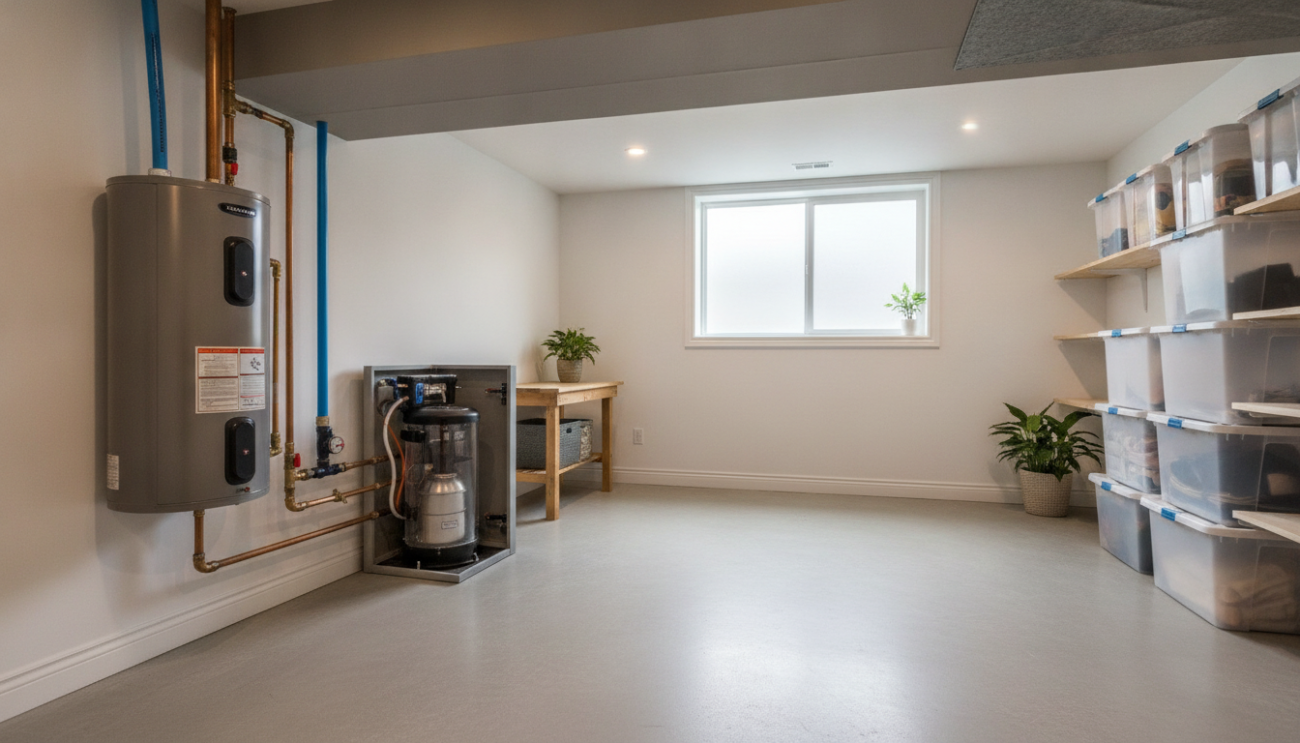
Imagine walking down to your finished basement after a heavy rainstorm only to find three inches of foul, contaminated water pooling across your flooring. Even worse, when you call your insurance company to report the disaster, you hear the words every homeowner dreads: your standard policy excludes sewer backups and drain overflows. In this comprehensive guide, you will learn exactly how water backup coverage works, how much it costs, what hazards it excludes, and how to determine the right coverage limit to protect your home and savings.
Featured Snippet: What Is Water Backup Coverage?
Water backup coverage is an optional homeowners insurance endorsement that pays for water and sewage damage caused by backed-up drains, clogged sewer lines, or overflowing sump pumps. Because standard HO-3 policies strictly exclude subterranean water that reverses direction into a home, this rider covers structural repairs, personal belongings, and professional water extraction.
Why Standard Homeowners Insurance Excludes Water Backup
Many homeowners assume that full coverage protects against every type of moisture intrusion. In reality, standard homeowners insurance water damage rules draw a sharp distinction between internal pipe bursts and external or subterranean backups. A burst copper pipe behind a bathroom vanity is sudden and accidental, which standard policies usually cover. However, water that originates outside the home and forces its way backward through pipes, floor drains, or sump pump pits is explicitly excluded under baseline policies.
Insurance carriers exclude backups from basic policies because sewer systems and stormwater drains are subject to municipal strain, severe weather fluctuations, and wear and tear. According to the Insurance Information Institute, water damage is one of the most common and costly property insurance claims. Adding a dedicated water backup endorsement bridges this gap, safeguarding your equity against one of the costliest domestic plumbing hazards.
What Does Water Backup Coverage Actually Protect?
When you purchase a water backup rider, your policy expands to cover three primary failure points. Knowing what triggers a valid claim ensures you can act quickly when trouble strikes.
1. Sewer Backups
Municipal sewer mains can quickly become overwhelmed during torrential downpours or flash flooding. When city pipes reach maximum capacity, sewage and wastewater have nowhere to go but backward into private residential lines. A dedicated sewer backup coverage rider pays for biohazard disinfection, tearing out contaminated drywall, replacing saturated subfloors, and sanitizing your home.
2. Sump Pump Overflow and Mechanical Failure
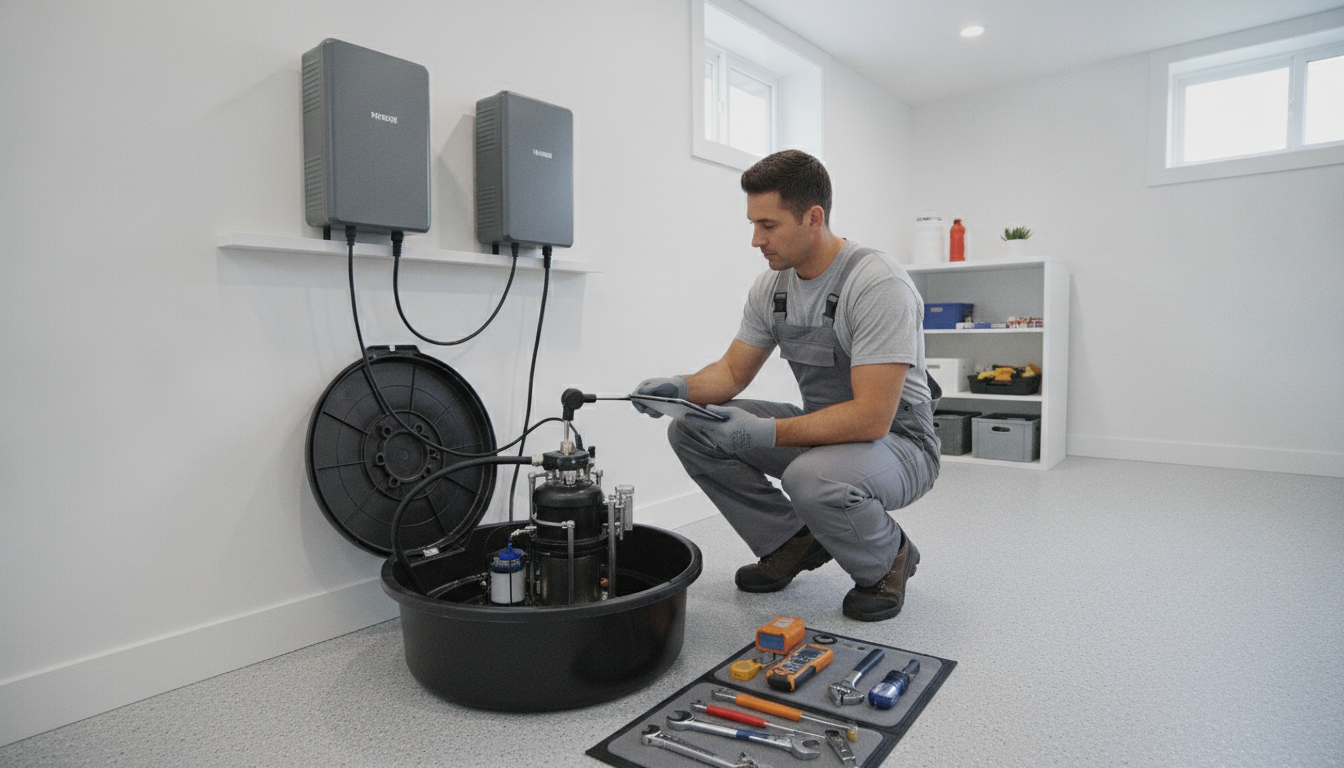
If your basement relies on a sump basin to collect perimeter groundwater, a single pump failure can cause catastrophic basement flooding. Power outages during violent thunderstorms frequently shut down electric pumps, while mechanical jams or motor burnout can strike older units without warning. Adding sump pump failure insurance covers the resulting overflow, reimbursing you for ruined furniture, flooring, and utility appliances.
3. Drain Backups
Indoor plumbing fixtures, such as floor drains in laundry rooms, garage drains, shower pans, and basement toilets, can suddenly regurgitate blackwater. If a tree root or city obstruction causes water to spew from your lowest household drains, the endorsement covers the interior property destruction.
Key Exclusions: What Water Backup Will Not Cover
While a water backup endorsement is essential protection, it is not a catch-all solution for every wet basement. Homeowners must understand the clear boundaries between endorsements, standard policies, and specialized coverage types.
- Rising surface floodwaters: If heavy rainfall causes a nearby river to breach its banks or creates overland pooling that seeps through basement windows or foundation walls, water backup coverage will not pay. You need separate flood protection. Understanding the differences between flood insurance and homeowners policies is vital for coastal and river valley residents.
- Gradual seepage or foundation leaks: Moisture that slowly trickles through cracked foundation mortar, porous concrete slabs, or hydrostatic pressure over months is classified as home maintenance neglect and is strictly excluded.
- Replacing the failed pump mechanism itself: Most backup endorsements pay for the resulting water damage to your floors, walls, and personal property, but they do not pay to buy a brand new sump pump. Sump pump equipment breakdown coverage is typically handled under home warranty or equipment riders.
- Damaged underground utility lines in your yard: If tree roots puncture your underground sewer lateral out on your front lawn, repairing that exterior pipe requires a separate service line coverage endorsement.
Water Backup vs. Flood Insurance: What Is the Difference?
One of the most frequent misconceptions among property owners is confusing backup riders with government-backed flood insurance. The table below highlights how these two vital policies contrast in scope, origin, and administration.
| Comparison Factor | Water Backup Coverage | Flood Insurance (NFIP / Private) |
|---|---|---|
| Source of Water | Subterranean pipes, drains, or internal sump pit | Overland runoff, storm surges, swollen rivers, tidal waves |
| Policy Format | Endorsement rider added to existing homeowners policy | Separate standalone policy managed through FEMA or private carriers |
| Typical Annual Cost | $35 to $120 per year | $700 to $1,800+ per year (risk-based rating) |
| Typical Coverage Limits | $5,000 to $50,000 depending on home layout | Up to $250,000 for structure, $100,000 for contents |
| Common Trigger | Power outage stopping sump pump, city sewer line surcharge | Tropical storm, rapid snowmelt, hurricane storm surge |
For extensive regional inundations where surface runoff submerges neighborhoods, policies purchased through the FEMA National Flood Insurance Program are the primary safeguard. However, for everyday localized storms where rainfall forces city drains backward into residences, water backup vs flood insurance distinctions make the backup endorsement indispensable.
How Much Does Water Backup Coverage Cost?
Water backup endorsements are surprisingly affordable when compared to the catastrophic cleanup expenses they prevent. For most suburban single-family homes, adding water backup coverage costs between $35 and $120 per year, which translates to roughly $3 to $10 on your monthly insurance premium.
The total annual rate depends primarily on your selected policy limit:
- $5,000 limit: Costs roughly $30 to $45 annually. Suitable for unfinished basements with concrete floors and minimal stored personal property.
- $10,000 to $15,000 limit: Costs between $50 and $75 annually. Recommended for partially finished basements or homes with ground-floor laundry rooms.
- $20,000 to $25,000 limit: Costs between $80 and $110 annually. Essential for fully finished basements containing guest bedrooms, entertainment rooms, or home offices.
- $50,000 limit: Costs $120 to $180 annually. Recommended for high-value properties, walkout basements with custom cabinetry, or luxury home theater installations.
Note that renters and condominium owners can also add this endorsement. If you lease an apartment or garden unit, reviewing renters insurance coverage for basement flooding can clarify how personal property riders protect your belongings without requiring a structural dwelling policy.
Real-World Claim Costs: Why a $5,000 Limit Is Often Not Enough
When choosing a limit, many property owners opt for the default $5,000 option to save a few dollars. Unfortunately, modern restoration expenses frequently make a $5,000 cap dangerously inadequate.
Consider a standard real-world scenario: a summer thunderstorm knocks out electrical power across a suburban neighborhood for six hours. The basement sump pump stops running, and wastewater backs up through the floor drain, submerging 800 square feet of finished basement under two inches of blackwater.
Here is what the actual remediation and repair bill looks like:
- Emergency emergency water extraction and antimicrobial sanitization: $2,800 to $4,200
- Demolition of ruined baseboards and drywall (flood cuts): $1,500 to $2,400
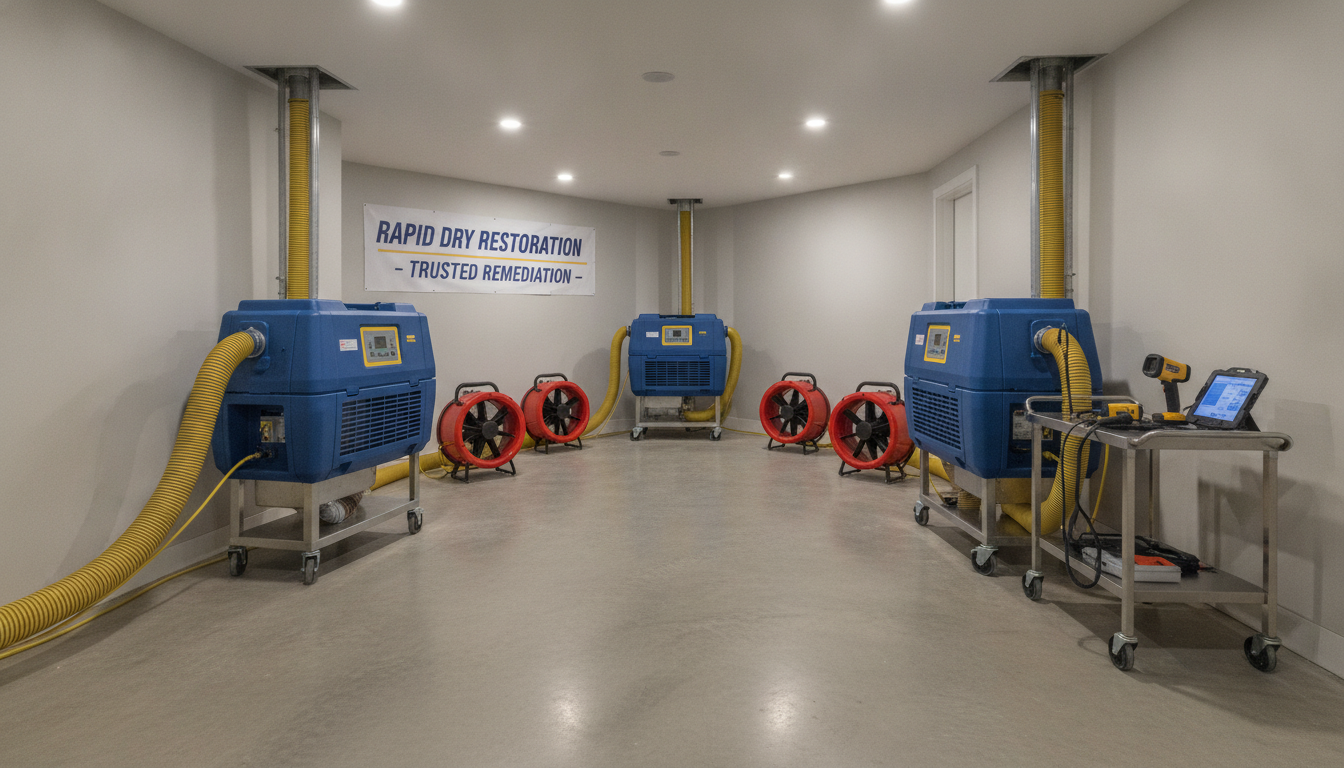
- Industrial dehumidification and structural drying (3 to 5 days): $1,800 to $3,100
- New luxury vinyl plank or carpet installation: $3,500 to $6,000
- Replacement of damaged furniture, electronics, and personal items: $4,000 to $10,000
In total, a single moderate backup incident routinely costs between $13,600 and $25,700. If you only hold a $5,000 limit, you will be forced to pay thousands of dollars out of pocket. For an additional $30 to $50 in annual premiums, securing at least a $20,000 to $25,000 limit offers genuine peace of mind.
How to Prevent Water and Sewer Backups at Home
Insurance coverage provides vital financial security, but avoiding a flooded home in the first place is always the preferred outcome. You can substantially lower your risk with proactive physical measures:
- Install a battery backup sump pump: Power outages coincide with violent rainstorms. A secondary, battery-powered auxiliary pump activates instantly when the main electrical circuit cuts out.
- Fit a sewer backwater valve: A backwater check valve allows sewage to flow outward into municipal pipes but swings shut when pressure reverses, preventing city sewer water from entering your basement.
- Avoid pouring cooking grease down kitchen drains: Cooled grease, fat, and coffee grounds solidify inside lateral lines, creating stubborn blockages that cause internal backups.
- Trim aggressive tree roots near sewer lines: Mature willow, oak, and maple roots actively seek moisture, infiltrating older clay or cast-iron lines and trapping solids.
Frequently Asked Questions About Water Backup Coverage
Is water backup coverage included in standard homeowners insurance?
No. Standard homeowners insurance (HO-3 or HO-5 policies) explicitly excludes damage caused by water or sewage backing up through drains, sewers, or sump pump pits. You must proactively request a water backup endorsement from your insurer.
How much water backup coverage should a homeowner carry?
If you have an unfinished basement used solely for basic storage, a $5,000 to $10,000 limit may suffice. However, if you have a finished basement with drywall, flooring, furniture, or HVAC equipment, experts recommend carrying at least $20,000 to $25,000 in coverage.
Does water backup insurance cover a broken sump pump motor?
The endorsement pays for the water damage resulting from the pump failure (such as soaked carpets, drywall, and furniture). However, it usually does not pay to replace the worn-out mechanical pump itself, which is considered standard appliance maintenance.
Does water backup coverage apply if a river floods my home?
No. Overland flooding from overflowing bodies of water or excessive surface runoff is strictly covered by flood insurance policies (such as those under the NFIP). Water backup riders only apply to water originating through drains, sewers, or internal drainage pits.
Final Verdict: Is Water Backup Coverage Worth It?
Given that clean water and sewage extraction averages well over $10,000 while an annual endorsement rider costs as little as $35 to $100, water backup coverage offers one of the highest returns on investment in the property insurance sector. If your home features a basement, crawlspace, or sub-grade plumbing fixtures, adding this endorsement is an essential layer of risk management.
Next Step: Review your current homeowners insurance declarations page today. Check whether a water backup rider is listed and inspect your policy limit. If your limit is set at $5,000 or omitted entirely, contact your insurance agent to upgrade your protection before the next major storm season arrives.